4 Masonry Flashing Fixes Denver Roofers Recommend in 2026
4 Masonry Flashing Fixes Denver Roofers Recommend in 2026
My name is shawn mehaffey, and I have been immersed in the roofing trade since 1995. Over the last three decades, I have crawled across thousands of roofs, from steep-slope residential shingles to complex single-ply and 2-ply flat roof systems. If there is one thing I have learned while working in the high-altitude environment of the Front Range, it is that the intersection of masonry and roofing is where most homes win or lose the battle against the elements. In Denver, we don’t just deal with rain; we deal with intense UV radiation, rapid freeze-thaw cycles, and heavy snow loads that sit against your chimney or parapet walls for weeks at a time.
As we move into 2026, Local Roofers in Denver are seeing a significant uptick in flashing-related failures. Many of our city’s beautiful brick homes were built in the mid-to-late 20th century, and the original flashing systems are reaching the end of their functional life. When masonry flashing fails, it isn’t just a “roof leak” – it is a structural threat. Water entering behind the brick can rot your framing, ruin your insulation, and lead to costly interior damage before you even see a spot on your ceiling. Understanding the latest industry standards for masonry repair and roofing integration is essential for every homeowner in the Mile High City.
Fix 1: The Reglet-Cut Counter Flashing Overhaul
The most common failure point I see as a veteran in the roofing industry is surface-mounted counter flashing. In the past, many installers would simply nail a piece of metal to the face of the brick and run a bead of caulk along the top edge. In Denver’s climate, this is a recipe for disaster. Our dry air and 300 days of sunshine bake that caulk until it cracks, peels, and pulls away from the masonry. Once that seal is broken, every snowmelt sends water directly behind the metal and into your home.
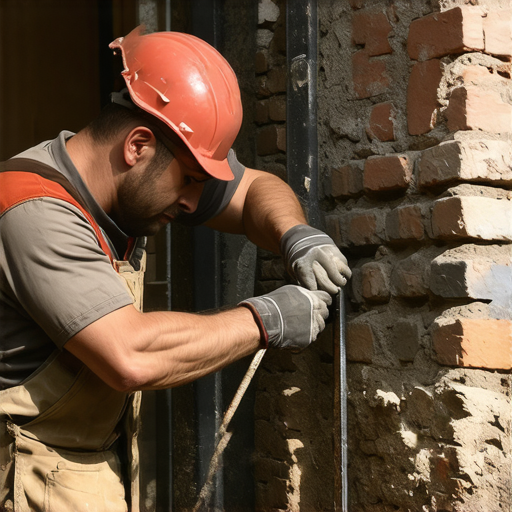
The 2026 gold standard for Denver Roofers is the reglet-cut (or inset) counter flashing overhaul. Instead of relying on a temporary chemical seal, we use a diamond-blade saw to cut a deep groove, or “reglet,” directly into the mortar joint or the brick itself. The top edge of the new metal flashing is then hemmed and tucked into this groove. This creates a mechanical “shingle effect” where the masonry itself sheds water onto the flashing, which then sheds it onto the roof.
For high-performance results, Peak to Peak Roofing & Exteriors often recommends using 24-gauge galvanized steel or even copper for these reglets. These materials handle the thermal expansion and contraction of our 40-degree temperature swings much better than thinner, cheaper alternatives. If you aren’t sure if your flashing is up to par, check out these 5 Masonry Damage Assessment Signs You Can’t Ignore in 2026 to see if your home is at risk.
A proper reglet-cut installation also involves a “capillary break.” By design, the metal should have a slight outward kick at the bottom to ensure water drips away from the wall rather than being pulled back toward the masonry via surface tension. This technical detail is what separates a professional 2026 installation from a DIY patch job.
Fix 2: Kick-Out Flashing Installation for Sidewall Protection
One of the most overlooked components in Residential Roofing by Peak to Peak Roofing and Exteriors is the kick-out flashing. This is a specialized piece of metal placed at the very end of a roof-to-wall intersection, usually right above the gutter line. Without a kick-out diverter, water running down the sidewall of a roof is funneled directly into the end of the siding or, worse, behind the brick veneer.
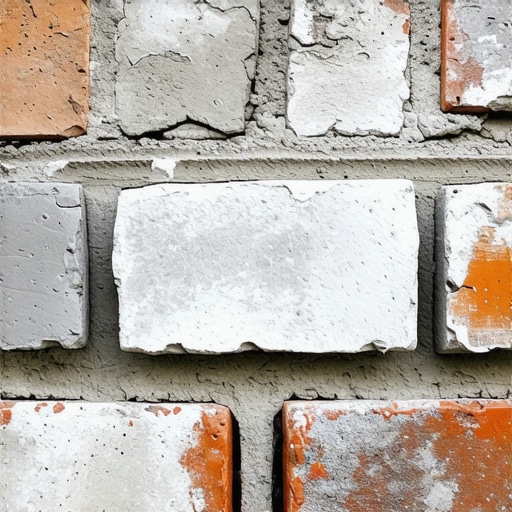
In Denver, we see a lot of “efflorescence” – that white, powdery salt staining on bricks. This is often caused by massive amounts of water being dumped into the masonry at the eave-to-wall junction. Over time, this saturation leads to the “spalling” of bricks, where the faces literally pop off during a freeze cycle. The 2026 fix involves installing oversized, factory-welded or high-grade poly kick-out diverters that bridge the gap between the roof edge and the masonry wall.
This is particularly critical for modern homes with stone veneer. If you have noticed dampness in your basement or lower-level walls, you should learn How to Stop Stone Veneer Over Brick Trapping Water [2026 Fix]. The kick-out flashing ensures that the thousands of gallons of water shed by your roof during a spring storm are directed safely into the gutter system rather than into your wall cavity.
When Local Roofers in Denver install these, they must be integrated with the step flashing and the house wrap (or weather-resistant barrier). If the kick-out is just tucked under the shingles without being properly integrated into the masonry drainage plane, it won’t do its job. It requires a surgical approach to ensure the water path is never interrupted.
Fix 3: Integrated Step Flashing with Masonry Ties
Step flashing is the “invisible” hero of any roofing system. It consists of individual “L-shaped” pieces of metal woven into every course of shingles where they meet a vertical wall. However, in masonry applications, standard step flashing often fails because it isn’t properly anchored or integrated with the masonry ties that hold the brick to the structure.
The 2026 approach involves using high-profile, pre-bent step flashing that is integrated with modern masonry ties. This creates a continuous water barrier that accounts for the “drainage plane” – the small gap between your home’s wooden frame and the brick exterior. In high-wind areas like the Front Range, standard flashing can sometimes “rattle” or shift, breaking the seal. By using integrated ties and heavier-weight metals, we ensure the flashing stays put even during 80 mph gusts.
This fix is especially vital for chimneys. If you’ve noticed a leak in your attic near the chimney stack, it’s likely a failure of the step flashing or the “cricket” (the small peak behind the chimney). For more on this, read about 3 Chimney Leak Detection Fixes to Stop 2026 Attic Mold. Professional Denver Roofers will ensure that each “step” overlaps the one below it by at least three inches, providing a foolproof ladder for water to exit the roof system.
Furthermore, we are now seeing more use of stainless steel step flashing in premium 2026 installs. While more expensive, stainless steel is impervious to the corrosive salts often found in mortar, ensuring that the flashing outlasts the shingles themselves. This is the level of durability we strive for in every project.
Fix 4: High-Performance Liquid-Applied Membranes
Sometimes, traditional metal flashing just isn’t enough. Many Denver homes feature beautiful, complex masonry architectural details like arched windows, corbeled brickwork, or round chimney pots. Trying to bend a piece of 24-gauge steel around a 3D curve often results in “fish-mouths” or gaps that must be filled with sealant – which we already know fails in our climate.
The 2026 solution for these complex junctions is the use of high-performance liquid-applied membranes, such as PMMA (Polymethyl Methacrylate) or high-solids silicone. These aren’t your hardware store caulks; these are industrial-grade resins that, when combined with a fleece reinforcement, create a seamless, flexible “boot” around any shape. This technology has been used in commercial roofing for years, but Local Roofers in Denver are now bringing it to high-end residential masonry repair.
These membranes offer incredible UV resistance and elongation properties. In Denver, a roof can go from 20 degrees at night to 70 degrees in the sun within a few hours. A liquid-applied membrane can stretch and contract with the masonry without cracking. If you are dealing with persistent seepage in complex brickwork, you might also want to look into the Stop Water Seepage: 5 Best Brickwork Sealants for 2026 to complement your flashing upgrades.
Installing these systems requires a clean, dry substrate. We typically grind the masonry back to a fresh surface to ensure maximum adhesion. Once applied, these membranes are virtually bulletproof and can even be color-matched to your mortar or brick, making them an aesthetically superior choice for historic Denver neighborhoods like Wash Park or Highland.
Before you commit to a major repair, it is worth seeing if there are other underlying issues. Many homeowners are now opting for 5 Ways Drone Chimney Inspections Find Hidden 2026 Masonry Damage to get a bird’s-eye view of their flashing health without the risk of walking on fragile masonry or steep tiles. If your brickwork is showing signs of distress, don’t wait. You should also ask your contractor: Is Your Brick Wall Cracking? 4 Pro Fixes to Use in 2026.
Conclusion: Protecting Your Denver Investment
Masonry flashing is the critical “handshake” between your roof and your walls. In 2026, we have better tools and materials than ever before to ensure this junction remains watertight. Whether it’s the precision of a reglet-cut, the necessity of a kick-out diverter, the structural integrity of integrated step flashing, or the versatility of liquid membranes, these four fixes are what Denver Roofers recommend to keep your home safe from the unique challenges of the Colorado climate.
As someone who has been in the trenches since 1995, I cannot stress enough the importance of proactive maintenance. After the next heavy snowmelt, take a moment to look at your chimney and sidewalls. If you see staining, dampness, or peeling paint inside, your flashing is likely calling for help. Don’t settle for a quick bead of caulk. Demand the high-performance standards that Residential Roofing by Peak to Peak Roofing and Exteriors provides to ensure your home stands strong for the next thirty years.
For a comprehensive evaluation of your masonry and roofing system, contact a professional for a drone-assisted inspection today. It’s the smartest way to identify hidden damage before it becomes an emergency.



This article provides excellent insights into the latest standards in masonry flashing for Denver homes. I particularly appreciate the emphasis on using reglet-cut counter flashing as a more durable and weather-resistant solution compared to older methods. Having recently noticed some water stains near my chimney, I realize how crucial proper flashing is in preventing costly repairs down the line. I wonder, for homeowners looking to upgrade their flashing, what’s the typical lifespan of these high-grade materials like copper or stainless steel? Is there a recommended maintenance schedule to keep everything functioning optimally, especially with Denver’s challenging climate? It’s helpful to see how proactive maintenance and high-quality upgrades can significantly extend the durability of masonry and roofing junctions. Thanks for sharing these detailed, professional recommendations—definitely a must-read for anyone in the neighborhood considering masonry repairs or roofing upgrades.