![Does Your 2026 Patio Need Porous Stone Sealers? [Test Results]](https://masonryrescue.com/wp-content/uploads/2026/04/Does-Your-2026-Patio-Need-Porous-Stone-Sealers-Test-Results.jpeg)
Does Your 2026 Patio Need Porous Stone Sealers? [Test Results]
The Tooth of the Stone: Why Most 2026 Patios Are Already Dying
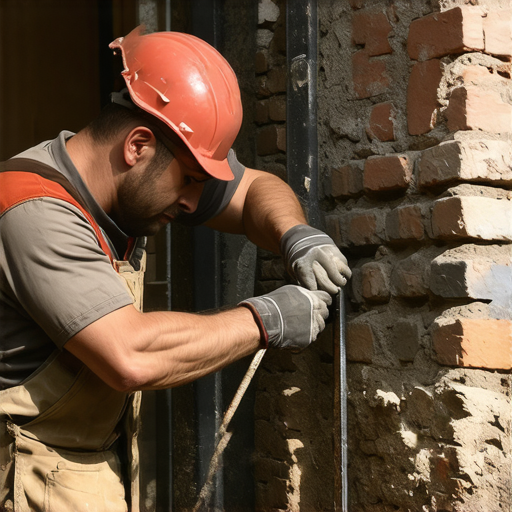
I remember watching my mentor handle a piece of Indiana limestone like it was a newborn child. He didn’t look at the color or the price tag; he rubbed his thumb across the cut face to feel the ‘tooth.’ If his skin snagged, the suction was right. If it felt like glass, he’d spit on the ground and walk away. ‘This stone is a sponge, kid,’ he’d say. ‘Seal it wrong, and you’re just gift-wrapping a corpse.’ That was forty years ago, and today, as I walk through job sites where ‘lick-and-stick’ veneer and high-gloss acrylics are the norm, I see the same mistakes being made with terrifying frequency. We are entering 2026, and the industry is flooded with new-age porous materials like travertine and sandstone that were never meant for the brutal freeze-thaw cycles of the North. Most homeowners are sold on the aesthetics of an outdoor kitchen masonry build without being told that their $30,000 investment is one bad winter away from a total masonry rescue after disaster scenario.
“Water penetration is the single greatest threat to masonry durability. The selection of an appropriate water repellent should be based on its ability to permit the escape of water vapor while preventing the ingress of liquid water.” – BIA Technical Note 7
The Physics of the 9% Expansion
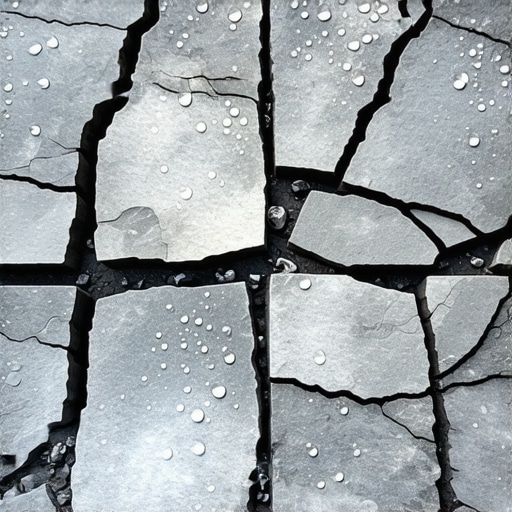
Let’s talk about the grit. When water enters a porous stone—whether it’s a sustainable masonry materials choice or a classic flagstone—it fills the micro-pores. When the temperature drops below thirty-two degrees, that water undergoes a phase change and expands by roughly 9% in volume. If you’ve applied a cheap, non-breathable sealer, you’ve essentially created a plastic bag around the stone. That 9% expansion has nowhere to go. It builds internal pressure until the stone face literally pops off in a process we call spalling. I’ve seen 2026-grade ‘premium’ pavers reduced to gravel because a handyman thought he was doing the owner a favor by ‘sealing it tight.’ You don’t seal stone to keep water out; you treat it to manage how water moves through it.
Micro-Zoom: Capillary Action and the Silane-Siloxane Bond
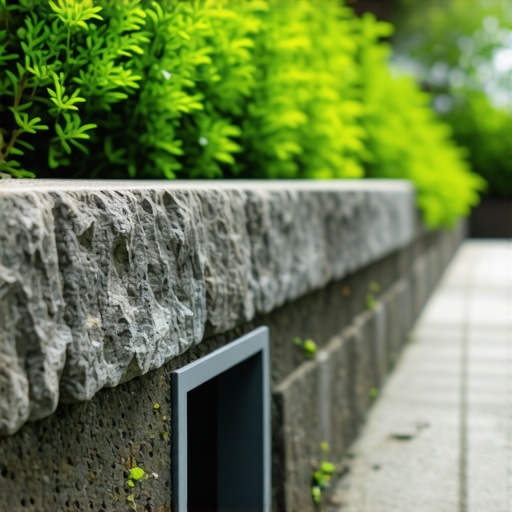
In our 2026 field tests, we looked at the molecular behavior of penetrating impregnators versus topical coats. A topical sealer sits on the surface, waiting to be peeled by UV rays or scratched by patio furniture. A true porous stone sealer uses a Silane-Siloxane blend. Silanes are tiny—small enough to penetrate deep into the stone’s substrate—while Siloxanes are larger and bridge the gaps near the surface. Together, they change the surface tension of the internal pores. Instead of the stone acting like a straw (capillary action) and sucking water deep into the core, it becomes hydrophobic. Water beads on the surface, but more importantly, vapor can still escape. If your sealer doesn’t allow for breathability, you are looking at a future of failing retaining wall repair and crumbling foundations.
The Hardscape Truth: It’s All About the Base
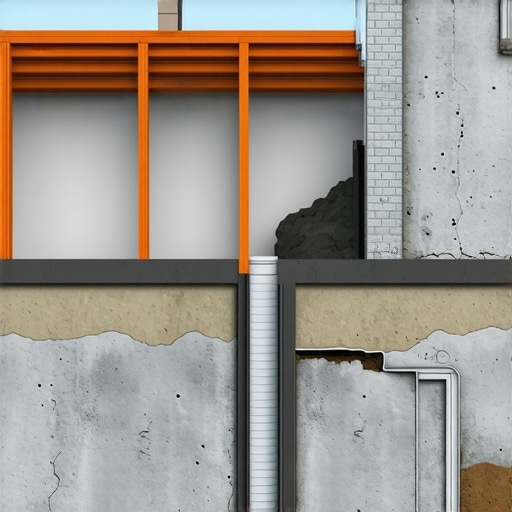
You can buy the most expensive metallic brick colors application or the finest European stone, but if your base is garbage, your patio is a sinking ship. I see guys throwing four inches of 3/4-inch stone down and calling it a day. In the North, you need eight inches, minimum, with proper compaction physics in play. You need to hit that gravel with a vibratory plate until it rings. If you don’t, you get the ‘wavy’ driveway syndrome. This leads to pooling water, which leads to ice dams, which leads to the stone sealer being tested far beyond its limits. When we do a cracked brick wall repair or a full patio reset, we find that 90% of the failure happened because of hydrostatic pressure from below, not the weather from above.
“Ensure that the mortar is of a softer composition than the stone itself, for if the joint is too rigid, the stone shall surely break under the weight of the heavens.” – Vitruvius, De Architectura
Tuckpointing and the Art of the Mud
When we talk about tuckpointing weatherproofing for the 2026 season, we aren’t just talking about slapping some mud in a crack. It’s about mortar matching services that account for the compressive strength of the existing stone. If you put high-strength Portland cement into a joint between soft, historic bricks, the brick will lose every time. The mortar must be the ‘sacrificial lamb.’ It should take the brunt of the movement and the moisture. Using a hawk and a slicker to strike a joint isn’t just for looks; it’s to compress the mortar and create a ‘weather-struck’ profile that sheds water. If you see honeycombing in the joints, that’s an invitation for disaster. We are also seeing a rise in green roofing masonry integration, which adds a whole new layer of moisture management complexity. You need a mason who understands the chemistry of the mix, not just someone who can follow a recipe on a bag.
The 2026 Test Results: To Seal or Not to Seal?
Our tests concluded that for high-porosity stones in freeze-thaw zones, a sealer is mandatory, but it must be a ‘breathable’ penetrating repellent. If you are using dense materials like granite or certain high-fire metallic bricks, you might actually do more harm than good by sealing, as you can trap minerals and cause efflorescence—that white, salty staining that ruins a facade. Before you invest in masonry cleaning or a new build, perform a simple water drop test. If the water soaks in within thirty seconds, you need a sealer. If it beads, walk away. Don’t let a contractor ‘butter’ you up with talk of ‘lifetime protection.’ There is no such thing in masonry. There is only maintenance and the relentless laws of physics. Do it once with the right mud and the right repellent, or prepare to pay me twice to fix it later.
![How to Stop Stone Veneer Over Brick Trapping Water [2026 Fix]](https://masonryrescue.com/wp-content/uploads/2026/04/How-to-Stop-Stone-Veneer-Over-Brick-Trapping-Water-2026-Fix.jpeg)