3 Fixes to Stop Commercial Parapet Wall Leans in 2026
The Forensic Scene: A Guillotine in the Making
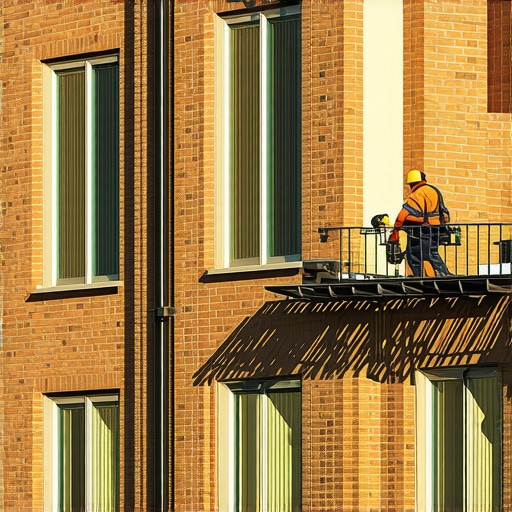
I stood on a rain-slicked roof in the North End last November, looking at a parapet wall that had migrated nearly five inches past the building line. The property manager called it a ‘slight tilt.’ I called it a 4,000-pound guillotine. When I slid my digital scope into a vertical fracture near the corner, I didn’t just see a crack; I saw a structural masonry inspection nightmare. The internal steel anchors had oxidized to the point of delamination, expanding to three times their original thickness—a process we call ‘oxide jacking.’ This isn’t just a cosmetic flaw; it is a physics-driven failure where the wall is literally pushing itself off the roof. By 2026, the industry is shifting away from reactive ‘band-aid’ patches toward proactive, tech-driven stabilization. If you are managing commercial assets, you need to understand the ‘ratcheting effect’ of thermal expansion and why the old ways of just throwing more ‘mud’ at the problem are dead.
“Differential movement between the masonry veneer and the structural backup is a primary cause of cracking, particularly in parapet walls which lack the dead load of a roof to pin them in place.” – BIA Technical Note 18A
Fix 1: BIM-Integrated Structural Masonry Inspection and Robotic Reinforcement
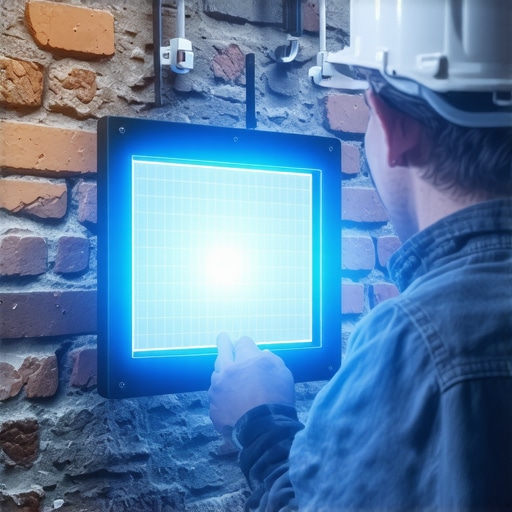
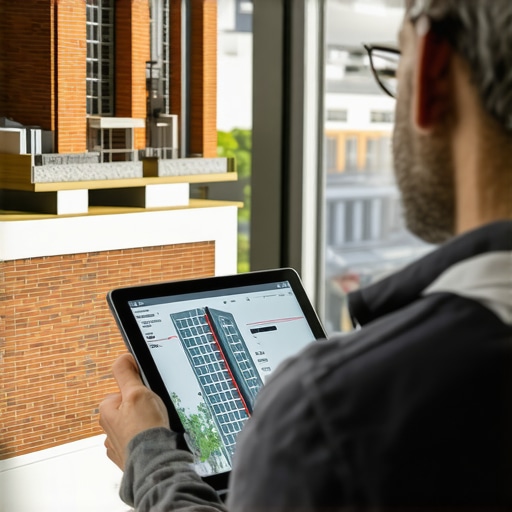
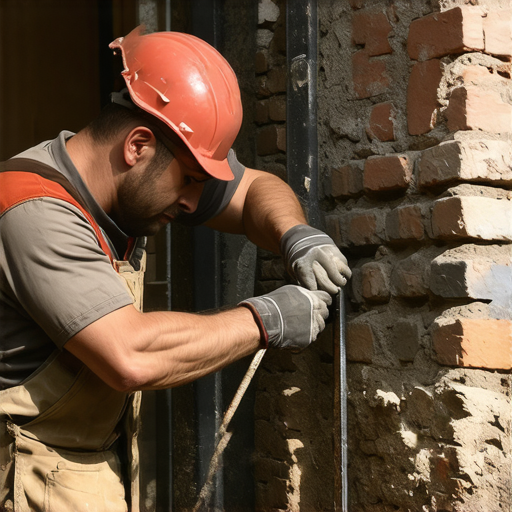
The first fix involves moving beyond the naked eye. In 2026, we utilize Building Information Modeling (BIM) masonry projects to create a digital twin of the failing wall. By using LiDAR to map the lean down to the millimeter, we can identify if the lean is caused by ‘ratcheting’—where the wall expands in the summer heat, debris fills the expansion gap, and the wall is prevented from contracting in the winter. Once the BIM model identifies the stress points, we deploy robotic masonry repair systems. These aren’t sci-fi fantasies; they are precision rigs that can perform tuckpointing curved walls or parapet returns with a consistency no human hand can match. The robot grinds out the mortar to a precise depth of 1.25 inches, ensuring the ‘tooth’ of the brick is clean and ready for new material. This prevents ‘cold joints’—those weak spots where new mortar fails to bond with the old. We then use advanced masonry adhesives injected via robotic nozzles to re-anchor the masonry skin to the structural backup without the need for invasive teardowns.
Fix 2: Self-Healing Concrete Foundations and Carbon-Fiber Parapet Splints
Often, a parapet lean is the symptom, not the disease. If the building is settling unevenly, the top of the wall—the parapet—will show the most dramatic movement. We are now seeing the integration of self-healing concrete foundations in commercial retrofits. These concretes contain dormant bacteria or micro-capsules of sodium silicate that trigger a chemical reaction when a crack forms, effectively ‘sealing’ the breach from within. But for the parapet itself, the fix involves internal splinting. We use carbon-fiber rods ‘buttered’ with high-modulus epoxy. We ‘hawk’ the material into deep-cut grooves, creating a tension-resistant skeleton inside the brickwork. This is critical for brick column repair at the roofline where wind loads are highest. The physics here is simple: we are replacing the lost tensile strength of the rusted steel anchors with a material that won’t corrode and has a coefficient of thermal expansion much closer to the brick itself.
“Parapet walls are uniquely vulnerable because they are exposed to the elements on three sides, leading to extreme thermal gradients that do not exist in the rest of the building envelope.” – ASTM C1197
Fix 3: Advanced Brick Wall Restoration and Hydrostatic Pressure Relief
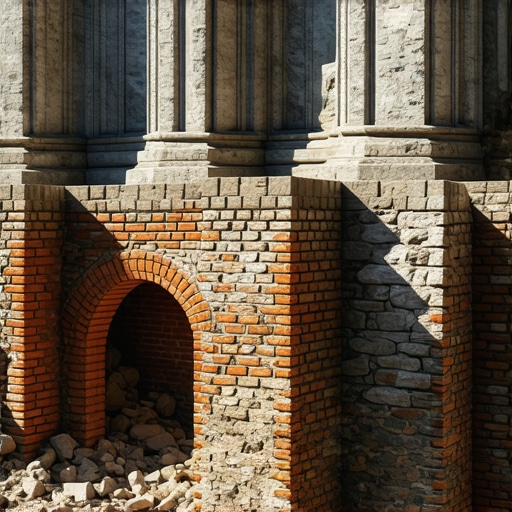
The third fix is a return to ‘Old World’ logic bolstered by new chemistry. Most parapet leans are accelerated by water. When water enters the top of the wall through a failed coping stone, it undergoes the freeze-thaw cycle. In northern climates, water expands by 9% when it turns to ice. If your mortar is too hard—like a high-strength Portland cement—it won’t give. The ice will pop the ‘face’ off the brick (spalling) or push the entire course of bricks outward. Brick wall restoration in 2026 focuses on ‘breathability.’ We use Type O or Type K lime-based mortars for historic masonry because they are ‘sacrificial.’ They allow moisture to migrate out of the wall rather than trapping it inside. Furthermore, for chimney structural repair and parapet stabilization, we are now installing ‘weep vents’ and through-wall flashing that use advanced masonry adhesives to create a watertight seal at the roof-to-wall transition. We don’t just ‘slicker’ the joints and walk away; we ensure that the ‘suction’ or initial rate of absorption of the brick is matched by the moisture retention of the mortar. This ensures a chemical bond that lasts 50 years rather than five.
The Foreman’s Verdict: Preventative Maintenance vs. Catastrophic Failure
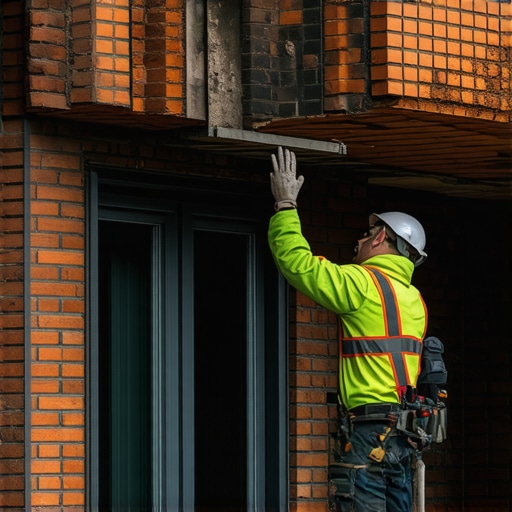
If you see a ‘soldier course’ of bricks starting to rotate, or if the tuckpointing curved walls on your facade looks like it’s crumbling into dust, the clock is ticking. You can’t just ‘butter’ over a structural lean. You need a structural masonry inspection that looks at the ‘honeycombing’ of the internal core. Whether it’s a chimney sweep and repair that reveals deeper flue tile failure or a parapet that’s leaning toward the sidewalk, the physics of gravity never sleeps. In 2026, the combination of robotic masonry repair and self-healing concrete foundations offers a way to save these structures before the city sends a wrecking ball. Don’t wait for the ‘ring’ of the brick to turn into a ‘thud.’ Invest in the tech, respect the lime, and keep the water out of your ‘mud.’