
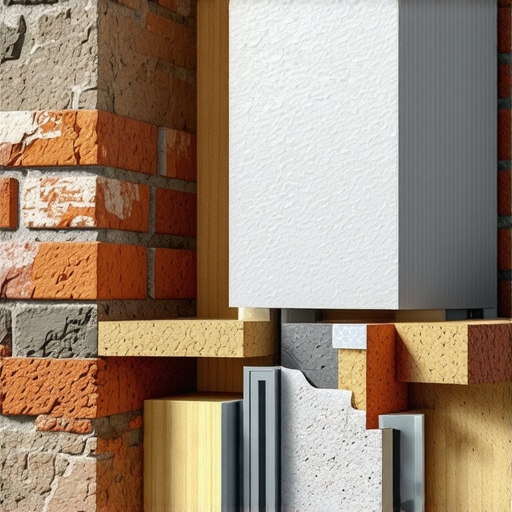
The Forensic Scene: The Oatmeal Behind the Masonry
The homeowner thought it was just a hairline crack near the window lintel—a standard settling issue, they said. But when I put my scope inside a weep hole that had been suspiciously caulked shut by a ‘handyman special’ painter, I didn’t see structural steel. I saw a void where the steel used to be, rusted to a fine orange dust, and OSB sheathing that had the consistency of wet oatmeal. This is the reality of modern masonry failure. We call it the ‘reservoir effect.’ Most people think of a brick wall as a solid, impenetrable barrier. In reality, a brick veneer is more like a sponge. Without a properly designed drainage plane, that sponge holds moisture against your home’s wooden skeleton until the house literally rots from the inside out.
The Physics of the ‘Reservoir’ and the 9% Rule
To understand why your veneer is failing, you have to understand the micro-physics of a clay brick. Through a process called capillary suction, water is pulled into the pore structure of the brick. In the freeze-thaw cycles of the North, this is a death sentence if the brick is saturated. When that water turns to ice, it expands by 9%. If that moisture is trapped because some ‘pro’ used advanced masonry adhesives instead of a proper mortar bed or blocked the air gap, the pressure has nowhere to go but outward, popping the face off the brick—a process we call spalling. But the real danger is inward migration. Solar vapor drive occurs when the sun hits a wet brick wall, turning that stored water into vapor and pushing it toward the cooler interior of the house. This is where BIM masonry projects become invaluable during the design phase, as they model these thermal and moisture shifts before a single trowel of mud is ever ‘buttered.’
“Water penetration is the single greatest threat to masonry durability. A drainage wall system assumes some water will penetrate the exterior leaf and provides a means to collect and divert that water back to the exterior.” – BIA Technical Note 28
The Anatomy of a Functional Drainage Plane
A functional masonry wall isn’t just about the stone wall repair or the aesthetic of flush pointing services. It’s about the air. Behind that brick, there should be a 1-inch to 2-inch clear air space. This is the drainage plane. It serves two purposes: it breaks the capillary path so water can’t ‘bridge’ from the brick to the sheathing, and it allows for pressure equalization. If you’re looking at commercial masonry maintenance, the first thing we check is the integrity of this gap. Are there mortar droppings (known as ‘bridging’) sitting on the wall ties? If so, you’ve created a highway for rot. Using self-leveling masonry lifts and fiber-reinforced mortars can help in modern builds to ensure structural integrity, but if you don’t have clear weep holes at the bottom of that cavity, you’re just building a slow-motion aquarium.
The Critical Role of Weep Holes and Flashing
I’ve seen chimney rebuild services where the ‘mason’ forgot the through-wall flashing. They think the mud will hold the water back. It won’t. Flashing is the ‘stop sign’ for water; it directs the liquid out through the weep holes. When we perform an AI masonry assessment, we use thermal imaging to see where moisture is pooling behind the veneer. Often, we find that the concrete flatwork services performed around the base of the home have covered the weep holes, effectively sealing the exit and forcing water to wick up into the sill plate. This is the ‘wicking’ effect that leads to structural collapse. Proper stone wall repair requires more than just slicking the joints; it requires a forensic understanding of how the house breathes.
“The use of drainage cavities and weep holes is essential to prevent the accumulation of moisture within the wall system, which can lead to the deterioration of both masonry and backup materials.” – ASTM C1472 Standard Guide
The Fallacy of ‘Lick-and-Stick’ and Modern Shortcuts
The industry is currently flooded with thin-brick and stone veneer systems that are ‘licked-and-stuck’ directly to the substrate using advanced masonry adhesives. While these products have their place, they are often installed without a drainage mat or a rainscreen system. This is a recipe for disaster. Unlike a traditional soldier course of full-depth brick that has a massive thermal mass and an air gap, these thin systems offer no room for error. If you are a homeowner, don’t be fooled by a pretty facade. Whether it’s commercial masonry maintenance or a residential patio, the physics of water remains the same. You either control the water, or the water controls you. Do it once with the right drainage, or do it twice when the mold starts growing behind your drywall.