Stop Wall Collapse: Why Weep Hole Cleaning Matters in 2026
The Forensic Scene: A Wall Unzipping from the Inside Out
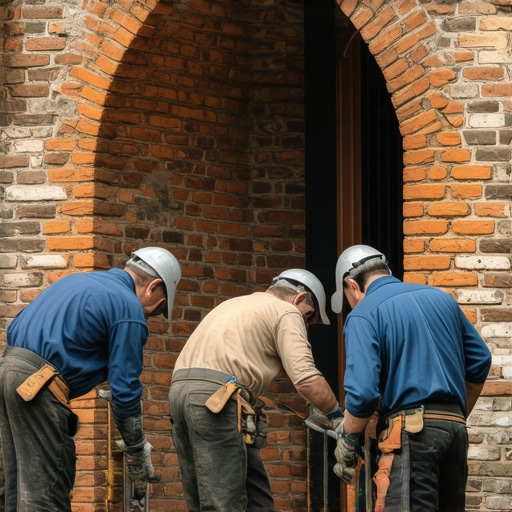
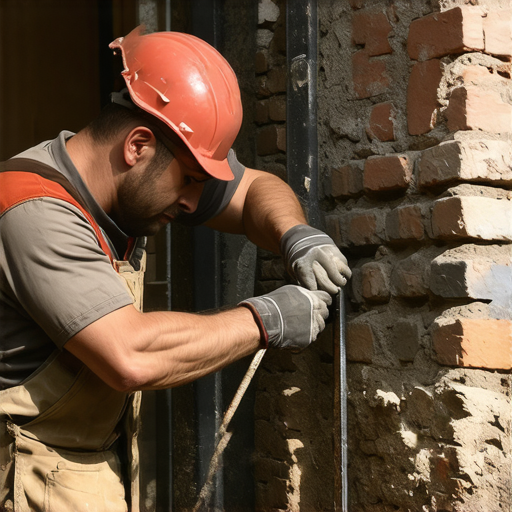
The homeowner called me out because of a tiny line of white crust—efflorescence—bleeding from a head joint near the foundation. They thought it was a cosmetic nuisance, something a quick pressure wash could fix. But I’ve spent forty years smelling the rot behind the brick, and I knew better. I pulled out my fiber-optic scope and fed it through a tiny gap in the mortar. Inside that two-inch cavity, the scene was a structural graveyard. The galvanized wall ties, which are supposed to anchor the brick veneer to the structural framing, were gone. They hadn’t just rusted; they had turned into a brittle, orange powder that fell away at the slightest vibration. This wasn’t just a maintenance issue; it was a brick veneer detachment repair nightmare in the making. The entire facade was standing by gravity alone, waiting for a high wind or a heavy frost to peel it off the house like a scab. The culprit? Three blocked weep holes at the base of the wall. In my three decades as a forensic mason, I’ve seen $100,000 homes compromised by a nickel’s worth of mortar droppings. As we head into 2026, the rise of high-performance building envelopes has actually made this problem worse, not better.
“Water penetration is the single greatest threat to masonry durability. Proper drainage systems, including clear weep holes and functional flashing, are not optional—they are the lifeblood of the assembly.” – BIA Technical Note 7
The Physics of the Cavity: Why Bricks Must Breathe
Modern masonry isn’t a solid mass; it’s a rainscreen system. The brick itself is porous—think of it as a hard, baked sponge. When it rains, the brick absorbs water until it reaches saturation. Through a process called capillary suction, that water moves through the brick and into the air space behind it. This is where the physics of the freeze-thaw damage restoration comes into play. If that water has a clear path to the bottom of the wall and out through the weep holes, the system works. But if those holes are clogged with ‘mud’ or debris, the water pools on the flashing. When the temperature drops, that water expands by roughly 9% in volume. In a confined cavity, that expansion acts like a hydraulic jack, pushing the brick veneer away from the studs. This isn’t a slow process; it’s a violent one that happens at the molecular level, shearing the ‘tooth’ of the mortar away from the masonry units. We use BIM masonry projects now to map these moisture pockets in real-time, but the fundamental issue remains a 19th-century problem: we need to get the damp out.
The 2026 Standard: BIM and 3D Printed Masonry Repairs
We are entering an era where 3D printed masonry repairs are becoming the norm for specialized components. When a brick column repair requires a specific, historical profile that no longer exists in a kiln, we can scan the remaining units and print a cementitious replacement that matches the density and porosity of the original stone. However, even the most advanced BIM masonry projects—which allow us to create a digital twin of a building to predict structural failure—cannot overcome a lack of basic maintenance. Cleaning weep holes is the primary defense against the degradation of these high-tech systems. If the BIM model shows a thermal bridge or a moisture accumulation zone, the first thing I check is the drainage. Without it, you’re just documenting the slow death of your masonry. This is especially true in retaining wall block replacement, where hydrostatic pressure can build up so quickly that a 20-foot wall can lean three inches in a single season of heavy rain.
Chimneys: The Vertical Forensic Challenge
The chimney is the most vulnerable masonry element on any structure. It’s exposed to the elements on all four sides and subjected to extreme temperature differentials. Most chimney structural repair calls I get could have been avoided with a simple chimney cap replacement five years prior. When a cap cracks, it allows water to pour down the internal flue and into the ‘mud’ joints of the chimney breast. This leads to chimney flashing repair needs where the masonry meets the roofline. If the flashing is compromised and the weep systems (if present in the veneer) are blocked, the masonry will ‘spall’—the face of the brick literally pops off, leaving the soft, inner core exposed to the elements. I’ve seen ‘handyman specials’ where they’ve tried to butter over these cracks with cheap caulk, but all that does is trap the moisture deeper, accelerating the rot of the internal steel reinforcement.
“The use of mortar with a higher compressive strength than the masonry units themselves can lead to accelerated deterioration of the units during freeze-thaw cycles.” – ASTM C270 Standards
The Chemistry of Restoration: Type N vs. Type S
When performing masonry repair services, the choice of ‘mud’ is everything. I see too many modern contractors using high-strength Type S mortar for everything. It’s hard, it’s fast, and it’s a death sentence for old brick. In restoration, we follow the ‘sacrificial principle.’ The mortar must be softer than the brick so that the mortar takes the brunt of the stress and moisture. This is why we often use Type N or even lime-putty mortars for freeze-thaw damage restoration. We want the moisture to evaporate through the mortar joints, not the brick faces. When we ‘slick’ a joint, we aren’t just making it look pretty; we are compacting the face of the mud to create a ‘weather-struck’ profile that sheds water. If you ‘butter’ a joint without proper suction or if you create a ‘cold joint’ by adding wet mud to a dry, un-prepped surface, you’re just wasting the client’s money. The bond will fail within two winters.
The Hard Truth About Maintenance
Whether it is a brick column repair on a porch or a massive retaining wall block replacement in a commercial lot, the lesson of 2026 is clear: ignore the small things and the big things will crush you. A weep hole is just a gap in the vertical joint, but it represents the difference between a century of service and a decade of decay. As a third-generation mason, I tell my clients that I don’t just fix bricks; I manage water. If you see white powder, if you see a ‘stair-step’ crack in your mortar, or if you notice your chimney cap has a hairline fracture, don’t wait for the collapse. The physics of water expansion don’t care about your budget or your timeline. Do the forensic work now, or pay for the demolition later.