Stop 2026 Flue Damage With Chimney Interior Parging Fixes
The Forensic Scene: When the Flue Sheds Its Skin
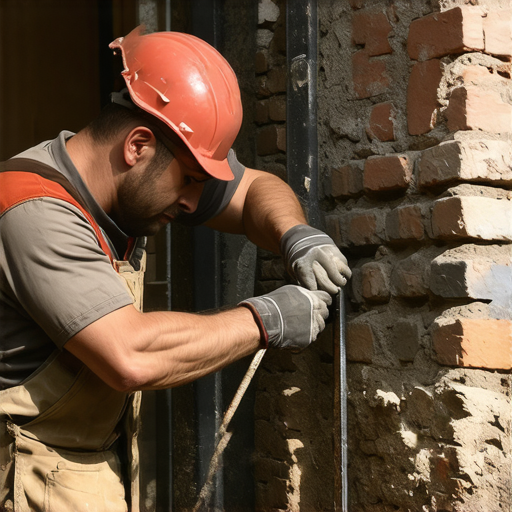
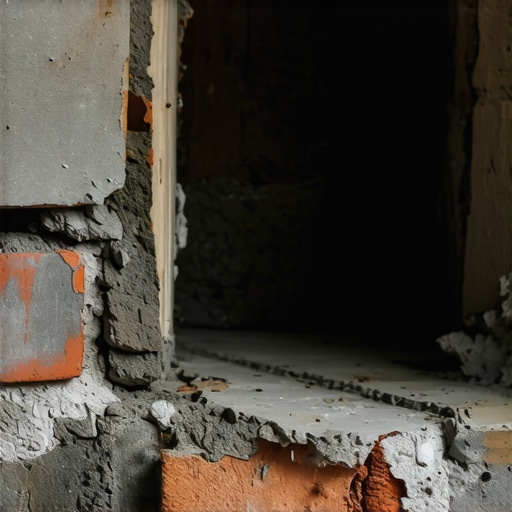
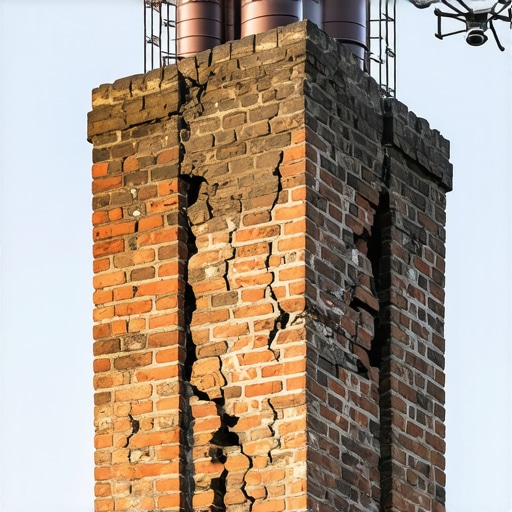
The homeowner told me it was just a ‘dusting’ of orange sand at the base of his hearth. He thought it was some harmless soot or perhaps a bit of debris from a passing bird. But when I dropped my digital borescope down that dark, suffocating throat of a chimney, the reality was far more sinister. The clay flue tiles weren’t just dirty; they were delaminating in sheets, a process we call ‘spalling.’ The structural steel support for the damper was rusted to a fine orange powder, and the interior masonry was literally dissolving from the inside out. This isn’t just a maintenance chore; this is a slow-motion structural collapse that most people ignore until the smoke starts pouring through their drywall. This is why a structural masonry inspection isn’t a luxury—it’s an autopsy of a dying system.
“Chimneys should be designed and constructed to minimize the amount of water entering the masonry and to provide a means for water that does enter to be diverted to the exterior.” – BIA Technical Note 19B
The Chemistry of Interior Decay: Acid, Water, and Fire
To understand why interior parging is the only way to save a chimney from the chimney rebuild services scrap heap, you have to understand the chemistry of combustion. When you burn wood or gas, you aren’t just creating heat; you’re creating a chemical soup of water vapor, carbon dioxide, and sulfurous oxides. In a cold chimney, that vapor condenses. It turns into a weak sulfuric acid that eats into the ‘mud’—the mortar joints—of your flue tiles. Over thirty or forty years, those joints don’t just disappear; they become porous conduits for carbon monoxide to leak into your living room. We look for the ‘tooth’ of the masonry, that rough surface where the parging can actually bite. If the surface is too smooth or covered in glazed creosote, your new parge coat will just peel off like a bad sunburn. We have to grind that surface back to the raw, thirsty masonry to ensure a mechanical bond that will survive the 2026 winter freeze-thaw cycles.
The Parging Solution: Applying the Protective Mud
Parging is the art of applying a sacrificial layer of high-temperature refractory mortar over the interior face of the chimney. This isn’t your standard Type N mortar you’d use for brickwork pointing styles on a garden wall. This is a specialized mix of aluminous cement and fine aggregates designed to withstand 2,000-degree thermal shocks. When I’m up on a hawk, ‘buttering’ the interior of a flue, I’m looking for a consistency that’s like thick peanut butter. If it’s too wet, it slumps and creates honeycombing—voids where moisture can hide. If it’s too dry, it ‘flashes’—the masonry sucks the water out of the mix before it can chemically hydrate, leaving you with a brittle, sandy mess that will fail within a single season.
“The parge coat should be of a composition similar to the mortar used in the masonry, generally a Type N or Type S, to ensure thermal compatibility.” – ASTM C270 Standards
The Physics of the Stack: Why Chimneys Lean and Crack
I’ve seen chimneys that look like the Leaning Tower of Pisa because the owner ignored a simple retaining wall batter correction or foundation shift. If the concrete base—the ‘footing’—isn’t poured to a depth of at least 12 inches with reinforced rebar, the weight of a 20-foot soldier course of brick will eventually snap the chimney away from the house. This is where BIM masonry projects come into play; we use 3D modeling to simulate the thermal load and the center of gravity of the stack. If the chimney has already started to ‘list,’ we don’t just slap on a concrete patch. We have to address the geotechnical failure, often requiring concrete flatwork services to stabilize the pad before we even think about brickwork sealants application on the exterior. Without a stable base, the interior parging will crack the first time the ground heaves in the spring.
The Restoration Reality: Parging vs. Rebuilding
Many contractors will try to sell you a full outdoor fireplace rebuild or a total chimney teardown when a forensic parge job would suffice. The secret is in the ‘slicker’—the jointer tool we use to compress the mortar. By compressing the parge coat, we reduce the porosity and increase the density of the material, making it nearly impervious to the acidic condensate of a high-efficiency furnace. We can even customize the aesthetic for exposed stacks using metallic brick colors application to match the historical profile of the home. But don’t be fooled by ‘handyman specials.’ If they aren’t checking the structural masonry inspection reports or talking about the ‘suction’ of the brick, they are just throwing mud at a wall and hoping it sticks. You do it once, or you do it twice. In my world, we do it once, and we do it to last a century. Your flue is the lungs of your home; don’t let it choke on its own decay.

![3 Sustainable Block Cutting Tactics to Cut Project Waste [2026]](https://masonryrescue.com/wp-content/uploads/2026/02/3-Sustainable-Block-Cutting-Tactics-to-Cut-Project-Waste-2026.jpeg)