Stop Wall Collapse: Why Weep Hole Cleaning Matters in 2026
The Forensic Scene: A Hairline Fracture That Concealed a Catastrophe
The homeowner thought it was just a hairline crack, a cosmetic annoyance running through a soldier course above his garage. But when I slid my fiber-optic scope into the drainage cavity, I didn’t see the air gap required for a healthy masonry skin. I saw a tomb. The structural steel lintel was rusted to a crumbling flake of rust, and the backside of the brick was slick with a dark, anaerobic slime. The culprit? Three blocked weep holes. By the time I arrived, the hydrostatic pressure had bowed the masonry out by nearly an inch. It wasn’t just a repair anymore; it was a forensic recovery. This is the reality of masonry in 2026: as we build tighter, more energy-efficient envelopes, we are accidentally creating pressure cookers behind our brickwork.
The Physics of the Cavity: Why Your Wall is a Living Lung
To understand why a 3/8-inch hole matters, you have to understand the chemistry of a cavity wall. A brick is not a solid barrier; it is a hard sponge. Under driving rain, moisture moves through the brick via capillary action. This is where the physics of suction comes into play. Once that water hits the air space behind the veneer, it is supposed to drop down the back of the brick and exit through the weep holes. This process is governed by differential air pressure. When wind blows against a facade, it creates a high-pressure zone that can actually force water deeper into the wall. Weep holes equalize that pressure, allowing the wall to ‘breathe.’ Without them, you get hygrothermal stress. In a northern freeze-thaw climate, that trapped water expands by 9% as it turns to ice. That internal expansion is what causes spalling—where the face of your expensive brick simply pops off like a scab, exposing the soft, under-fired core to the elements.
“Water penetration is the single greatest threat to masonry durability. Proper drainage through weep holes and flashing is non-negotiable for structural integrity.” – BIA Technical Note 7
The Chemistry of High-Performance Mortar Mixes and the ‘Flash Set’ Trap
Modern construction often relies on high-performance mortar mixes that are heavy on Portland cement. While this provides high compressive strength, it often lacks the flexibility needed for the ‘tooth’ of the stone to grip long-term. If you are using these mixes for a concrete block foundation repair or general tuckpointing tools for DIY enthusiasts, you must watch for ‘flash setting.’ In the heat of 2026 summers, if you don’t pre-wet your bricks, the dry masonry will suck the moisture out of your ‘mud’ faster than the cement can hydrate. This creates a brittle, weak bond that looks fine on day one but will fail under the first sign of settlement. The chemical process of hydration requires water to be present as the Calcium Silicate Hydrate (CSH) crystals grow and interlock with the brick’s pores. If that water is gone, you’re just left with expensive sand between your courses.
The Band-Aid vs. The Cure: From Sealants to Foundation Underpinning
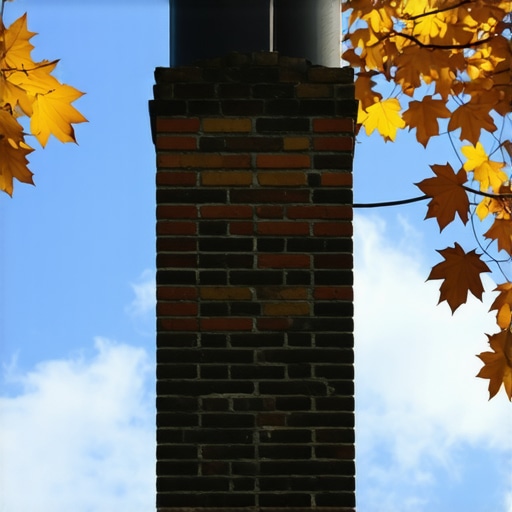
When a wall begins to lean or the mortar starts to crumble, many contractors reach for a brickwork sealants application. This is often a fatal mistake. Using a non-breathable porous stone sealer on a wall with blocked weep holes is like putting a plastic bag over a drowning man. It traps the vapor inside. Instead, we look at the structural root. If the wall is bowing due to soil movement, we move to foundation underpinning or foundation helical pier installation. These steel piers are screwed deep into the load-bearing strata of the earth, effectively bypassing the shifty, expansive clay that causes ‘stair-step’ cracking in the first place. For vertical masonry like chimneys, the internal physics change. A chimney is a chemical factory. If you have moisture issues here, you need chimney interior parging or a full chimney flue liner installation to ensure the acidic byproducts of combustion don’t eat the mortar joints from the inside out.
“The installation of weep holes at the base of the wall and above all openings is a requirement for moisture management in drainage-type walls.” – ASTM C270 Standards
The 2026 Masonry Checklist: Don’t Let the Mud Fail You
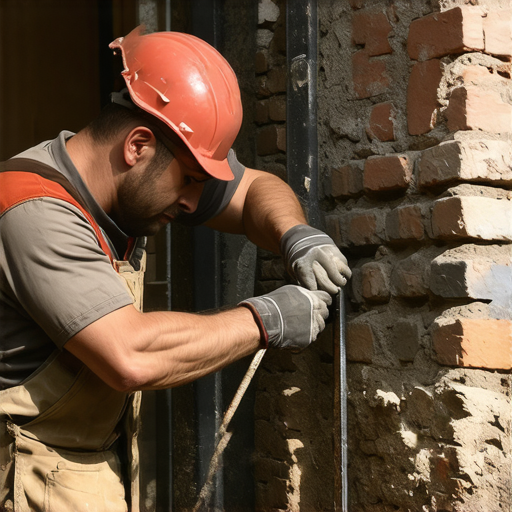
If you’re tackling a project with self-leveling masonry lifts or just cleaning out your weeps with a slicker and a wire brush, remember the Golden Rule of the Old World: the mortar must always be the sacrificial lamb. It should be softer than the masonry unit itself. In 2026, we are seeing a resurgence of lime-based additives because they offer ‘autogenous healing’—the ability for small cracks to reseal themselves through carbonation over time. This is the difference between a wall that lasts twenty years and one that lasts two centuries. Don’t trust a ‘lick-and-stick’ contractor who ignores the drainage. If those weeps aren’t clear, the wall is already failing; you just haven’t heard it hit the ground yet.