3 Reasons Drone Chimney Inspections Beat Manual Scans in 2026
The Forensic Reality of High-Altitude Masonry
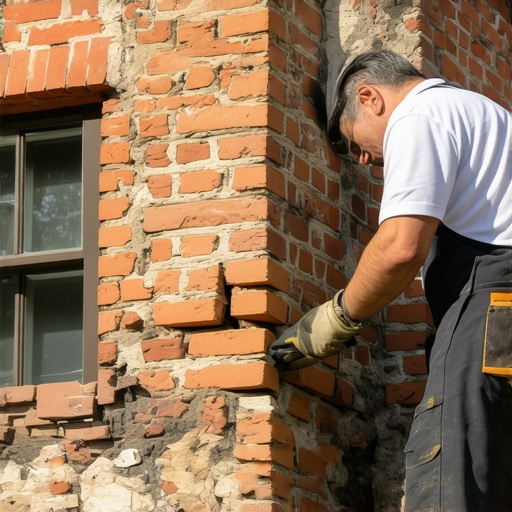
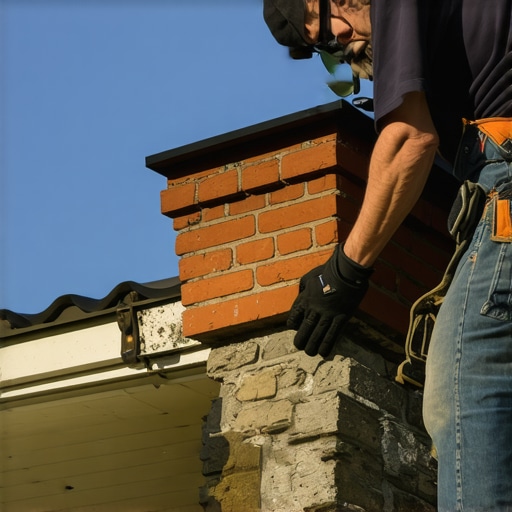
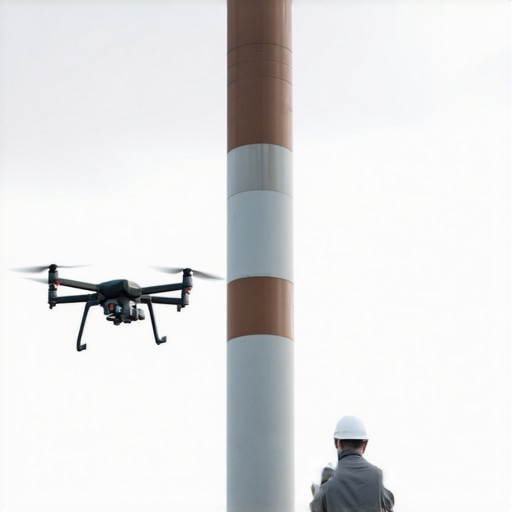
The homeowner thought it was just a hairline crack, a cosmetic nuisance barely visible from the driveway. But when I flew the high-res optics within six inches of that chimney crown, the reality was a gut-punch. The structural steel inside was rusted to dust, expanding with enough force to split the masonry from the inside out. This wasn’t just a crack; it was a slow-motion explosion. In thirty years of hauling a hawk and trowel up rickety ladders, I’ve seen enough ‘handyman specials’ to know that what you can’t see will eventually cost you your house. By 2026, the era of a guy squinting at a chimney from the ground or risking his neck on a 40-foot extension ladder is dead. Drone technology has evolved from a toy into a forensic necessity for any serious masonry damage assessment.
1. Thermal Sensitivity and the Detection of Interstitial Moisture
A chimney is a thermal engine, and when it fails, it’s usually because of the invisible war between water and heat. Traditional manual scans rely on the naked eye, but human vision can’t detect the thermal bridge where heat is escaping or where moisture is trapped behind a soldier course. Modern drone inspections utilize FLIR sensors that map the heat signature of the stack. We are looking for the ‘cold spots’ that indicate saturated brick. When water gets trapped in the ‘tooth’ of a porous stone, it doesn’t just sit there. In the freeze-thaw cycles of the north, that water expands by 9%, acting like a hydraulic jack. If you apply porous stone sealers over a damp substrate because a manual inspection missed the moisture, you are essentially sealing in a bomb. The drone identifies the exact hydration levels within the mortar joints before we ever mix the first batch of mud. This precision allows us to determine if we need a simple brick column repair or a full-scale historic tuckpointing intervention using soft Type O lime mortar to restore breathability.
“Water penetration is the single greatest threat to masonry durability.” – BIA Technical Note 7
2. Photogrammetry and BIM Masonry Projects
In 2026, we don’t just take pictures; we build digital twins. By flying a pre-programmed grid, the drone captures thousands of data points that are processed into BIM masonry projects. This isn’t just for show. A 3D model allows us to calculate the exact volume of mortar required for tuckpointing machine services or flush pointing services. It identifies the ‘suction’ or Initial Rate of Absorption (IRA) variations across a facade. When I’m looking at a massive retaining wall installation or a complex brick patio restoration, the BIM data tells me where the soil pressure is causing the masonry to bow long before the human eye can detect the deflection. We are talking about sub-millimeter accuracy. We can see if the previous contractor left ‘honeycombing’ in the grout or if a cold joint is forming in the concrete. This forensic level of detail ensures that when we specify a brick veneer installation, it isn’t just ‘lick-and-stick’ garbage; it’s a structurally sound assembly backed by hard physics.
3. Accessing the Unreachable: The End of the ‘Blind Side’
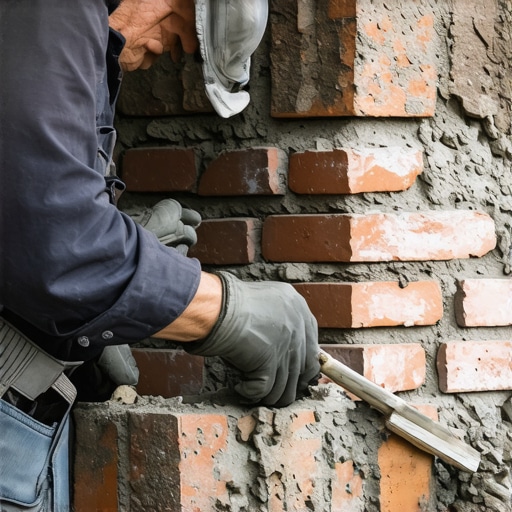
Every chimney has a blind side—the side facing the roof pitch where a mason can’t safely stand or the side facing a sheer drop. This is where the most ‘mud’ gets slopped and where the worst craftsmanship hides. Drones eliminate the ‘blind side.’ We can hover inches away from the flashing, checking the integrity of the lead or copper without disturbing the aged shingles. We can inspect the internal flue liners for cracks that a manual scope might miss. When we find a failure, we aren’t guessing. We are using a slicker to point out the exact failure in the digital model. This technology has changed how we approach historic tuckpointing. We no longer have to build $10,000 worth of scaffolding just to find out the chimney is beyond repair. We do the masonry damage assessment first, then build the plan. It’s about the chemistry of the build—understanding that if we use a hard Portland cement on a soft 19th-century brick, we will pop the faces off those bricks within two winters. The drone allows us to see the ‘spalling’ in its infancy, often caused by the wrong mortar being ‘buttered’ onto the joint by someone who didn’t understand the sacrificial principle of historic masonry.
“Mortar shall be graded by its ability to deform under load, ensuring the masonry unit remains the stronger element.” – ASTM C270 Standard Specification
If you’re still relying on a guy with a pair of binoculars to tell you the health of your masonry, you’re gambling with your equity. Whether it’s a simple brick column repair or a massive retaining wall installation, the physics don’t lie. The drone is the new master mason’s eyes, and in 2026, it’s the only way to ensure your home stands for another hundred years.