5 Chimney Crown Repair Fixes That Stop 2026 Roof Leaks
The Silent Erosion: Why Your Chimney is a Ticking Time Bomb
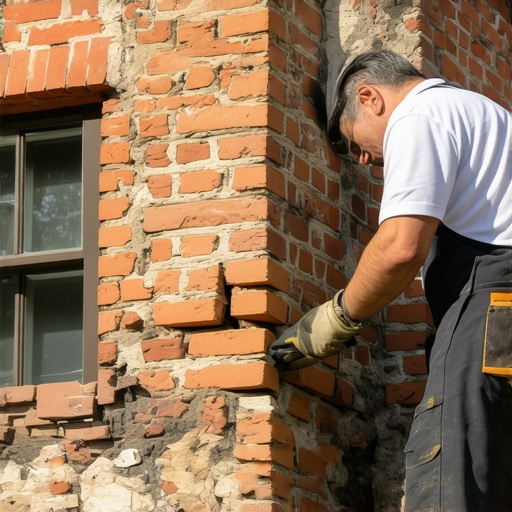
I recently stood on a steep-pitch slate roof in the teeth of a November gale, looking at a chimney stack that was literally melting. The homeowner was complaining about a mystery leak in the 2026 forecast of his mind, but the reality was already rotting the rafters. My mentor, Old Man Garrity, a man whose hands were so scarred from muriatic acid and rough granite they looked like topographical maps, used to say that a chimney without a proper crown is just a vertical drainpipe for your bank account. He’d strike a joint with a slicker and tell me that if you don’t respect the physics of water, the water will eventually disrespect your life. Most modern chimney ‘repairs’ are nothing more than a handyman special involving a bucket of cheap roof tar and a prayer. But tar isn’t masonry. It’s a temporary mask that traps moisture, accelerating the honeycombing of the internal brickwork until the whole stack becomes a structural liability.
“Chimney crowns should be constructed of reinforced concrete and sloped to shed water. They must also be separated from the flue liner by a bond break to allow for thermal expansion.” – BIA Technical Note 19B
The Physics of the Freeze-Thaw Apocalypse
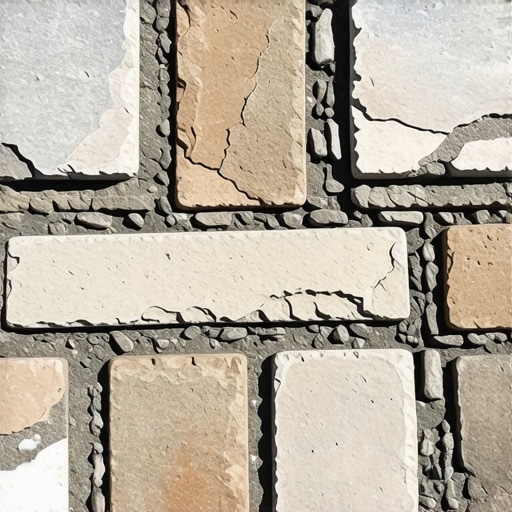
In the northern climates where the freeze-thaw cycle is a relentless hammer, chimney crowns fail because of one word: expansion. When water enters the micro-cracks of a cold joint or a poorly mixed mud, it waits for the temperature to drop. As it turns to ice, it expands by 9% in volume. This isn’t a gentle nudge; it’s a hydraulic press working from the inside out. This pressure eventually exceeds the tensile strength of the concrete, causing spalling—where the face of the masonry simply pops off like a scab. If you’re seeing cracked brick wall repair needs at the top of your stack, it’s because your crown has failed its primary mission: keeping the core dry. We aren’t just talking about a little dampness; we are talking about masonry water damage repair that could have been avoided with a bit of tuckpointing weatherproofing and structural foresight.
Fix 1: The Monolithic Reinforced Cast with Drip Edges
The gold standard isn’t a thin smear of mortar; it’s a four-inch thick slab of reinforced concrete. We use BIM masonry projects data to model the shedding paths, but the old-world way is just as effective. You build a form that extends two inches past the footprint of the chimney. This creates a drip edge. Without it, water just runs down the soldier course of bricks, soaking into the joints through capillary action. By casting the crown with a slight overhang, you break the surface tension and force the water to fall onto the roof. We use air-entrained concrete here to provide microscopic voids for water to expand into when it freezes, preventing the internal shattering common in cheap mixes. Masonry rescue after disaster often starts here, replacing a ‘pancake’ crown with a real structural roof for the chimney.
Fix 2: The Flue Liner Isolation Joint
One of the biggest mistakes I see in forensic inspections is a crown that is buttered directly against the clay flue liner. Clay and concrete have different thermal expansion coefficients. When you fire up that fireplace, the flue gets hot and grows. If it’s locked into the concrete crown, it will crack it wide open like an eggshell. The fix is a 1/2-inch gap filled with a backer rod and a high-heat silicone sealant. This creates a ‘breathing’ joint. If your contractor doesn’t understand the ‘tooth’ needed for this sealant to bond, the first winter fire will be the death of your new crown. This is part of masonry waterproofing solutions that actually last decades rather than months.
[IMAGE_PLACEHOLDER]
Fix 3: High-Performance Elastomeric Membranes
Sometimes the crown is structurally sound but has hairline fractures. This is where we get into the chemistry of masonry joint sand repair and surface treatments. We don’t use hardware-store caulk. We use industrial-grade elastomeric membranes that have a 300% elongation factor. This stuff is ‘mud’ that stays flexible. It bridges the cracks and creates a rubberized skin. However, you can’t just slap it on. The surface needs to be etched and cleaned, or the membrane won’t have the ‘bite’ it needs to stay bonded during the 120-degree thermal swings of a chimney’s life. This is the ultimate chimney crown repair for those looking to avoid a full teardown.
Fix 4: Integrating Stainless Steel Flashing
A chimney crown is only as good as the flashing beneath it. In high-end mortarless masonry systems or traditional builds, we install a stainless steel pan under the crown. This acts as a secondary defense. If the concrete develops a crack you can’t see, the steel pan catches the water and directs it out through ‘weep’ holes. This prevents the foundation underpinning issues that eventually occur when water leaches down the center of a chimney for twenty years, softening the soil at the base of your home.
“Water penetration is the single greatest threat to masonry durability. Proper flashing and crown design are the only true long-term solutions.” – ASTM C1283 Standard Guide
Fix 5: Silane-Siloxane Penetrating Water Repellents
Once the physical repairs are done, we finish with a chemical shield. Unlike ‘seals’ that create a plastic film and trap vapor (causing the brick to rot from the inside out), silane-siloxane products are breathable. They penetrate the pores of the brick and concrete, lining them with a hydrophobic coating that causes water to bead up like it’s on a waxed car. This is tuckpointing weatherproofing at its most scientific. It stops the ‘suction’ of the brick, ensuring that even in a driving rain, the masonry stays bone-dry. If you ignore this step, you’re just waiting for the next freeze-thaw cycle to start the destruction all over again. Masonry is about the long game; do it once, or do it twice and pay triple.
![Is Your Chimney Flue Flaking? 3 Interior Parging Fixes [2026]](https://masonryrescue.com/wp-content/uploads/2026/03/Is-Your-Chimney-Flue-Flaking-3-Interior-Parging-Fixes-2026.jpeg)