3 Reasons Your Outdoor Masonry Fountain is Leaking in 2026
The Forensic Scene: Behind the Hairline Crack
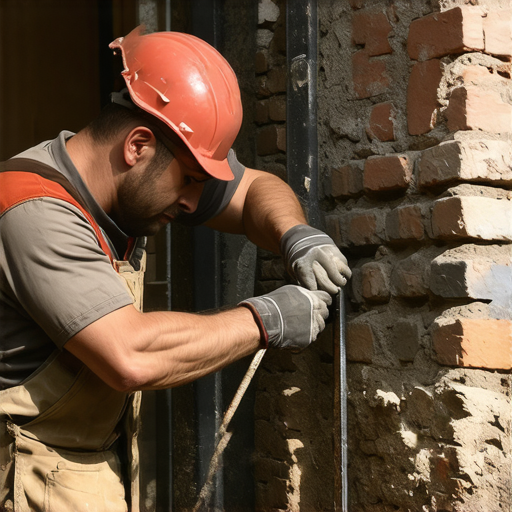
The homeowner stood by the edge of the limestone basin, pointing at a spiderweb of fractures no wider than a fingernail. They thought it was just a hairline crack, a cosmetic annoyance. But when I threaded my digital scope into the cavity behind the veneer, the truth was grim. The internal structural steel was rusted to dust, a victim of decades of microscopic water infiltration. In my thirty years of forensic masonry inspection, I have seen this scenario play out with heartbreaking regularity. By 2026, we are seeing a massive wave of failures in outdoor water features installed during the construction booms of the early 2000s, primarily because the chemistry of the build was fundamentally flawed from day one.
The Physics of the ‘Wick’: Why Masonry Isn’t Waterproof
To understand why your fountain is losing water, you have to stop thinking of brick and stone as solid objects. Think of them as dense sponges. A standard clay brick contains millions of microscopic pores. When you fill a basin with water, you aren’t just containing a liquid; you are engaging in a battle of osmotic pressure. If the interior of that basin wasn’t properly parged or lined, the water begins a process called capillary suction. It literally wicks through the stone, seeking the dry air on the outside of the wall. This is where tuckpointing weatherproofing becomes a critical failure point. If the mortar is too dense, it traps the water. If it’s too soft, it washes away. The balance is a razor’s edge.
“Water penetration is the single greatest threat to masonry durability. Moisture movement within masonry systems causes efflorescence, freeze-thaw damage, and corrosion of embedded metals.” – BIA Technical Note 7
Reason 1: The Failure of the ‘Mud’ and Material Incompatibility
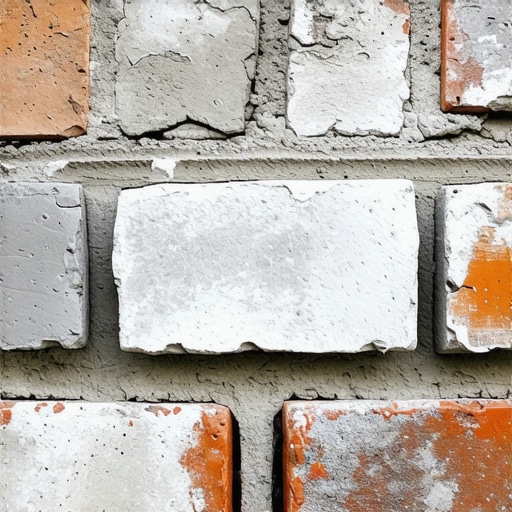
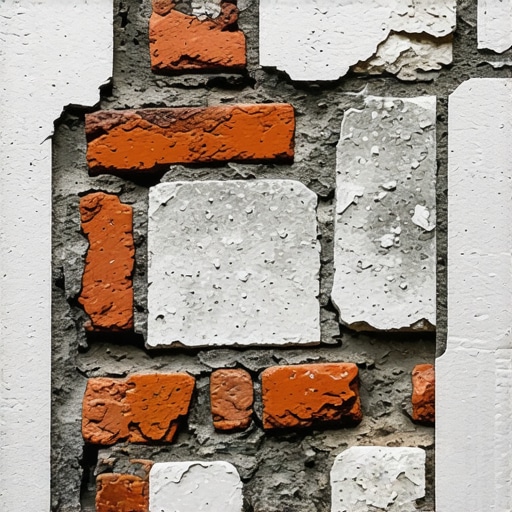
The most common culprit I see in 2026 is the use of modern Portland-heavy mortars in historic brick salvage or soft stone fountains. I call this ‘The Hardness Trap.’ When a mason uses a Type S mortar—which is incredibly hard—on a soft, reclaimed brick, the brick becomes the sacrificial element. In a fountain environment, the constant moisture saturation causes the brick to expand. Because the ‘mud’ (the mortar) won’t budge, the face of the brick pops off. We call this spalling. I’ve seen re-pointing services performed by handymen who didn’t understand the ‘tooth’ of the stone. They slathered on a waterproof coating that trapped the moisture behind the stone, leading to a catastrophic cold joint where the new material failed to bond with the old. To fix this, you need a mortar that breathes—typically a lime-based slurry that allows the wall to dry out without blowing the face off the masonry.
Reason 2: Stone Coping Installation and the ‘Gravity Gap’
If your leak is at the top of the fountain, look at your stone coping installation. The coping is the ‘roof’ of your fountain. It should have a slight ‘wash’ or slope to direct water back into the basin or away from the structure. Most ‘lick-and-stick’ contractors forget the drip edge. Without a proper undercut drip groove, water rolls off the edge of the stone and runs directly into the horizontal mortar joint underneath. Once it gets into that joint, gravity does the rest. It travels down the interior of the wall, bypassing your waterproof liner. I’ve seen brick patio restoration projects where the entire surrounding area was sinking because the fountain’s coping was leaking into the sub-base, turning the compacted gravel into a slurry. We often have to perform a patio stone realignment just because the fountain’s ‘roof’ failed.
“The mortar should always be weaker than the masonry units to ensure that any stress-induced cracking occurs in the mortar joints, which are easily repaired, rather than in the masonry units themselves.” – ASTM C270 Standards
Reason 3: The Sinking Foundation and Hydrostatic Pressure
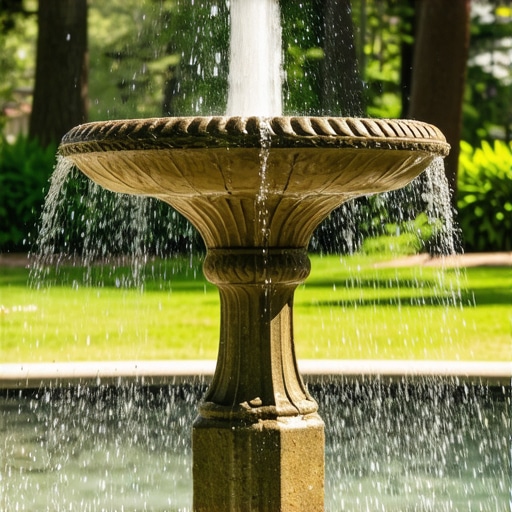
In many regions, particularly those with heavy clay soils or intense freeze-thaw cycles, the weight of a water-filled fountain is its own worst enemy. A gallon of water weighs about 8.34 pounds. A 500-gallon fountain adds over two tons of static load to a very small footprint. If the original builder didn’t provide a reinforced concrete pad that extends below the frost line, the structure will tilt. Even a quarter-inch of settlement can cause a modular retaining wall or a fountain basin to crack. This is where foundation underpinning becomes necessary. I once inspected a fountain where the owner was constantly refilling the water. It wasn’t a leak in the basin; the entire structure had shifted, cracking the supply line buried eighteen inches deep. We had to perform a chimney leak detection-style pressure test on the plumbing just to find the break. If your fountain is leaning, no amount of ‘buttering’ the joints with new mortar will save it.
The Micro-Zoom: Chemical Hydration and Honeycombing
When we talk about re-pointing services for fountains, we have to talk about the hydration process. If a mason ‘burns’ the mortar by applying it to dry stones on a hot day, the stone sucks the water out of the mud before the chemical crystals can form a bond. This results in honeycombing—a porous, brittle structure that looks like a beehive under a microscope. Water flies through these voids. In 2026, we are also dealing with the fallout of cheap, non-breathable sealants. These ‘liquid plastics’ are sold as a cure-all, but they often lead to chimney damper repair-style issues where moisture is trapped inside the masonry, freezing and thawing until the stone turns to mush. Proper tuckpointing weatherproofing requires a breathable silane-siloxane sealer that allows vapor to escape while keeping liquid water out.
The Professional Fix: Restoration over Repair
Don’t call a handyman for a leaking fountain. You need a forensic approach. We start with chimney leak detection technology—thermal imaging and moisture meters—to map the ‘wet’ zones of the structure. If the bones are good, we remove the failing mortar, select a lime-compatible mix, and ‘butter’ each joint with precision. We ensure the stone coping installation has a proper overhang and drip groove. If the foundation is the culprit, we look at helical piers for foundation underpinning. In the world of masonry, there are no shortcuts. You either do it once with the respect the stone deserves, or you do it every three years until the structure collapses. Stop chasing the leaks and start addressing the physics of the wall. That is the only way to ensure your masonry survives another century of service.


![How to Stop Stone Veneer Over Brick Trapping Water [2026 Fix]](https://masonryrescue.com/wp-content/uploads/2026/04/How-to-Stop-Stone-Veneer-Over-Brick-Trapping-Water-2026-Fix.jpeg)
This post really highlights how crucial proper materials and installation techniques are for long-term durability of masonry fountains. I’ve seen firsthand how using incompatible mortars during restoration can accelerate failure, especially when dealing with historic structures. The point about breathing mortar is so vital—trapped moisture behind non-breathable sealants or through improper tuckpointing can turn small cracks into major issues over time. I wonder, though, how many homeowners realize that even minor issues like a slight tilt could be caused by foundation settlement rather than surface leaks? It’s often overlooked until significant damage occurs. My question for others here is: what preventative maintenance routines have you found most effective in catching early signs of these problems? Regular visual inspections, or do you recommend specific moisture testing intervals? I’d love to hear what has worked for you to preserve these beautiful outdoor features in the long run.