
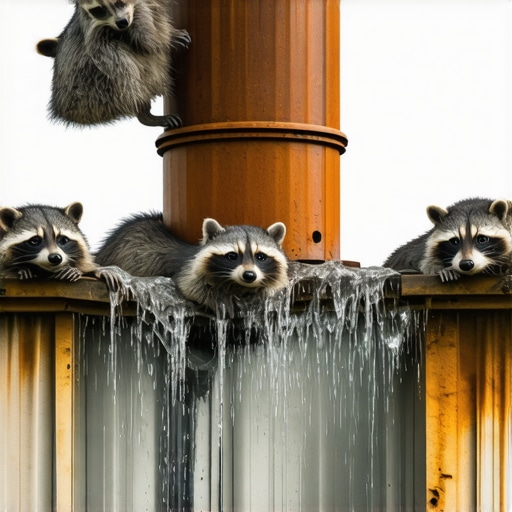
The Forensic Scene: A Biological and Structural Time Bomb
The homeowner thought it was just a hairline crack near the flashing. But when I put my scope inside the flue, I saw the structural steel was rusted to dust and the interior masonry was slick with creosote-infused slime. This wasn’t just a maintenance issue; it was a total system failure. A rusted chimney cap is the first domino in a sequence that ends with structural collapse or a house fire. When that galvanized steel lid loses its integrity, it stops being a shield and starts being a funnel. I’ve seen chimneys where the mortar had turned to the consistency of wet sand because the cap allowed a decade of rain to saturate the core. It is a slow-motion disaster that usually goes unnoticed until a raccoon decides your attic is a five-star hotel or the ceiling in the living room starts to sag.
The Chemistry of Rust and the Failure of Galvanization
Most builders use cheap galvanized steel caps because they are light and easy to throw on. But in a Northern climate, where the freeze-thaw cycle is relentless, these caps are a liability. Galvanization is just a thin skin of zinc. Once the sulfur from the smoke reacts with rainwater, it creates a mild sulfuric acid that eats through that zinc in a matter of seasons. Once the raw steel is exposed, the oxidation process—the rust—begins to expand. This expansion can actually exert pressure on the soldier course of bricks at the top of the stack, cracking the very masonry it was meant to protect. This is where masonry repair services become a necessity rather than an option. We often see homeowners trying to ‘butter’ over these cracks with a bit of hardware-store silicone, but that’s a ‘handyman special’ that traps moisture inside the brick, leading to spalling.
“Water penetration is the single greatest threat to masonry durability. Proper capping and flashing are the primary defenses against accelerated weathering of chimney structures.” – BIA Technical Note 7
The Physics of Water: Why 9% Matters
When rain enters a chimney through a compromised cap, it doesn’t just sit there. It travels deep into the modular masonry construction via capillary action. In cold climates, this is a death sentence. Water expands by 9% when it freezes. If that water is trapped inside a brick or a mortar joint, that 9% expansion is enough to pop the face off a brick—a process we call spalling. If your chimney looks like it’s shedding its skin, you’ve got a moisture problem that likely started at the top. This is the same principle we deal with in retaining wall block replacement; if the drainage isn’t perfect, the freeze-thaw cycle will win every single time. Without a proper retaining wall drainage upgrade or a solid chimney crown, you are just waiting for the earth or the atmosphere to reclaim your masonry.
Chimney Crown Repair vs. The Cap
People often confuse the cap with the crown. The cap is the metal ‘umbrella,’ while the crown is the concrete or mortar slab that covers the top of the chimney stack. Chimney crown repair is often the more critical forensic fix. A proper crown should have a ‘wash’—a slope that sheds water away from the flue. If the crown is flat, water pools, seeps into the mud, and begins the slow rot of the interior flue liners. When we perform masonry birdsmouth cuts for custom chimney profiles, the precision of the crown integration is what determines if the structure lasts 20 years or 100. Modern high-strength mixes are better, but they still require a slicker to finish the surface to a high density that resists water penetration. If the crown is cracked, the cap’s failure is amplified, leading to honeycombing in the internal masonry where the lime has leached out of the mortar.
The Biological Invasion: Raccoons and the Path of Least Resistance
A rusted cap isn’t just a weather issue; it’s a structural security breach. A mother raccoon looking for a den sees a rusted, flapping chimney cap as an open door. Once they get inside, their urine and feces add a biological load of nitrogen and moisture that accelerates the degradation of the mortar joints. I’ve been on commercial smokestack repair jobs where the weight of a nest and the associated moisture caused a cold joint to fail, leading to a partial collapse of the interior liner. It’s not just about the animal; it’s about the acidity and the moisture they bring into a system that needs to stay dry to remain structural.
“The chimney shall be provided with a cap of noncombustible material, arranged to allow the passage of flue gases while preventing the entry of rain and animals.” – ASTM E1605 Standards for Masonry Structures
Advanced Solutions: Geogrids, Green Roofs, and Staining
In modern masonry, we are seeing more green roofing masonry integration. This requires an even higher level of forensic attention to chimney flashing and capping, as the moisture levels on the roof are constantly high. For large-scale residential projects involving hillsides, we often integrate retaining wall geogrid installation to stabilize the soil around the chimney’s foundation. If the ground moves, the chimney leans, and the cap’s seal is broken. Once the repairs are done and the structural integrity is restored, we often use masonry staining to match the new repairs with the old, weathered brick. Unlike paint, which creates a film that traps moisture, a proper stain is breathable, allowing the masonry to ‘exhale’ while providing a uniform aesthetic. Don’t let a $200 piece of rusted metal turn into a $20,000 masonry teardown. Watch the cap, fix the crown, and keep the water out of the mud.