
The Forensic Scene: A 400-Pound Warning
I was standing on a rusted scaffold three stories up, staring at a 1920s limestone cornice that had decided it no longer wanted to be part of the building. To the untrained eye, it was just a gap. To me, it was a forensic crime scene. Some previous "handyman" had tried to secure a loose decorative block by shoving a few blobs of standard construction adhesive into the void. It failed because he didn’t understand the chemistry of the stone or the physics of the load. When I put my digital caliper in the gap, I saw the stone had moved another eighth of an inch in just six months. The substrate was "sugaring"—turning back into dust because of moisture trapped behind a non-breathable barrier. This is the reality of structural masonry inspection: you aren’t just looking at cracks; you are looking at the evidence of a battle between gravity and chemistry.
The Physics of the Bond: Mechanical vs. Chemical
Most people think mortar is glue. It isn’t. Traditional mortar is a mechanical bond. It flows into the microscopic pores of the brick or stone, and when it hardens, it creates a billion tiny fingers that lock the units together. This is why the "suction" of a dry brick is so vital. If the brick is too wet, it won’t pull the "mud" into its pores; if it is too dry, it sucks the water out of the mortar too fast, "burning" the joint and leaving it brittle. But when we talk about advanced masonry adhesives for heavy stone, we are shifting the battlefield to chemical adhesion. These polyurethanes and epoxies aren’t just sitting in the pores; they are creating a cross-linked molecular chain that can handle shear forces that would snap a standard Type N mortar joint like a dry twig.
"The selection of mortar should be based on the properties of the masonry units, the type of structure, and the environmental exposure." – ASTM C270 Standard Specification
The Freeze-Thaw War: Why Spalling Happens
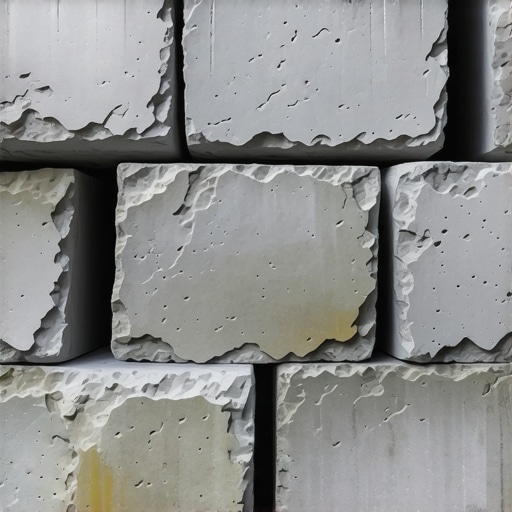
In the North, we deal with the expansion of water. When water gets into a stone and freezes, it expands by about 9%. If you have used a modern, hard Portland cement to repair an old, soft limestone wall, you have essentially built a coffin for that stone. The hard cement won’t budge, so the expanding ice forces the face of the stone to pop off. This is called spalling. In historic masonry preservation, we follow the sacrificial principle: the mortar must always be softer than the stone. We use lime-based "mud" because it breathes. It allows moisture to migrate out of the wall rather than trapping it. For heavy stone realignment, we might use a structural adhesive on the interior bed for strength, but the exterior "slicker" work must always be a breathable lime joint.
Retaining Wall Batter Correction and the Friction Coefficient
I often see retaining walls that look like they are leaning into the wind, ready to fall. This is a failure of retaining wall batter correction. A wall needs to lean back into the slope—usually one inch for every foot of height. When a wall starts to "belly out," it is usually because the hydrostatic pressure of the soil behind it has exceeded the friction coefficient of the blocks. In modern hardscaping, we use advanced masonry adhesives on the top three courses and the caps to create a monolithic weight that resists the "shoving" force of wet soil. Without that bond, the stones slide past each other like a deck of cards. Patio stone realignment follows a similar logic; if the base isn’t compacted to 98% Proctor density, no adhesive in the world will keep those stones from becoming a trip hazard.
The Crack Whisperer: Analyzing Masonry Damage
When I perform a masonry damage assessment, I look at the direction of the crack. A stair-step crack usually means the foundation is settling in one spot. A horizontal crack? That is the sound of a wall breathing its last breath under hydrostatic pressure. Cracked brick wall repair isn’t just about filling the hole; it is about addressing the "why." If you have a brick infill panel repair to do, you have to match the existing brick’s absorption rate. If you use a modern "lick-and-stick" stone over an old brick chimney without a proper drainage plane, you are inviting rot into the framing. I’ve seen structural masonry inspection reports where the steel lintels had rusted so badly they expanded to twice their size, lifting the entire soldier course of bricks above them. This is "oxide jacking," and it can crumble a facade faster than an earthquake.
"Water penetration is the single greatest threat to masonry durability. Proper flashing and drainage are essential to prevent structural failure." – BIA Technical Note 7
Tools of the Trade: Beyond the Trowel
For the tuckpointing tools for DIY enthusiasts, don’t just grab a hardware store bag of premix. You need a hawk, a slicker (jointer), and a high-quality trowel with the right flex. But more importantly, you need a masonry cleaning regimen that doesn’t involve high-pressure washing. Pressure washers destroy the "fire skin" of the brick. Once that hard outer layer is gone, the brick is porous and vulnerable. Use a bucket, a stiff brush, and a proprietary masonry cleaner. When buttering a stone for an adhesive bond, ensure the surface is free of dust—stone dust is a bond-breaker. If the surface isn’t clean, the adhesive is just sticking to the dirt, not the stone.
The Longevity of the Craft
We don’t build for the next five years; we build for the next hundred. Whether it is realigning patio stones or performing a complex historic masonry preservation project, the goal is to respect the materials. Cheap concrete work looks good the day it’s poured and terrible five years later. Real masonry work—done with the right "mud," the right advanced masonry adhesives, and a deep understanding of structural physics—only gets better with age. If your wall is "ringing" when you tap it, you’ve done it right. If it sounds hollow, you’re just waiting for the next freeze to tear it apart.
{“@context”:”https://schema.org”,”@type”:”HowTo”,”name”:”How to Repair a Cracked Brick Wall Using Structural Masonry Techniques”,”step”:[{“@type”:”HowToStep”,”text”:”Conduct a masonry damage assessment to determine if the crack is active or passive.”},{“@type”:”HowToStep”,”text”:”Clean the joints using specialized masonry cleaning tools to remove all loose debris and dust.”},{“@type”:”HowToStep”,”text”:”Select the correct mortar type (N, S, or O) based on the hardness of the existing brick.”},{“@type”:”HowToStep”,”text”:”Dampen the brick to ensure proper suction and prevent the mortar from burning.”},{“@type”:”HowToStep”,”text”:”Apply the mud using a slicker or jointer tool to match the existing profile.”}]}