
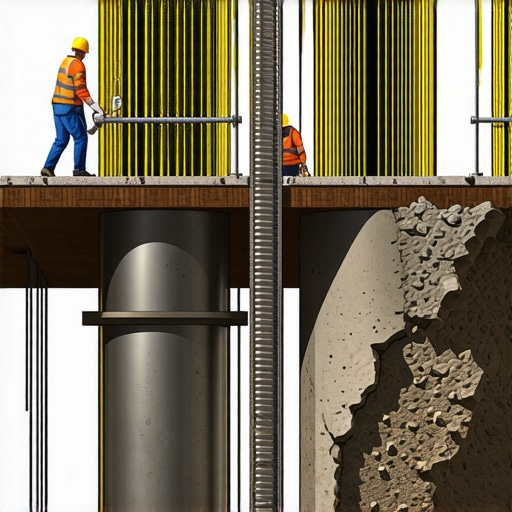
The Whisper of the Wall: Reading the Language of Failure
You don’t just look at a crack; you listen to it. To the untrained eye, a diagonal fracture through a brick facade is an eyesore. To a third-generation mason, it’s a forensic map of a building’s slow-motion collapse. When I walk a job site, I’m looking for the ‘tooth’ of the masonry—how well the units are biting into the bed. But no amount of craftsmanship can save a wall if the ground beneath it has decided to check out. The homeowner thought it was just a hairline crack, a cosmetic nuisance typical of a settling house. But when I put my digital scope inside that void, I saw the structural brick ties had been rusted to dust by decades of trapped moisture. The outer wythe was literally peeling away from the frame, standing only by habit and prayer. This wasn’t a job for a bucket of mud; this was a job for heavy steel and geotechnical precision.
The Physics of the Sink: Why Foundations Give Up
In the northern latitudes, we are at war with the freeze-thaw cycle. It is a relentless, seasonal assault that targets the very chemistry of our building materials. When water penetrates the pore structure of a concrete step or a brick face, it doesn’t just sit there. As temperatures drop, that water transitions to ice, expanding by approximately 9% in volume. This exerts internal pressure that can reach thousands of pounds per square inch, eventually leading to the surface popping off in a process we call spalling. If you’ve been looking for spalled concrete steps repair, you aren’t just looking for a patch; you’re looking for a way to manage the hydraulic movement of the earth. Soil isn’t static. Expansive clays act like a sponge, heaving upward when saturated and shrinking during the dry months. This constant ‘pumping’ action creates voids under your footings. Once the footing loses its uniform support, the masonry above begins to shear. This is where we see the classic stair-step crack following the mortar joints, a clear indicator that one corner of the structure is losing the battle with gravity.
“Water penetration is the single greatest threat to masonry durability. Moisture entering the system through cracks or porous units can cause structural failure, efflorescence, and freeze-thaw damage.” – BIA Technical Note 7
Helical Piers: The Surgical Cure for Sinking Stone
When the soil is the enemy, we don’t just add more weight with a bigger footing. That’s like trying to fix a sinking boat by adding more lead to the keel. We use helical piers. Think of these as giant, structural screws. We lead with a pilot point followed by one or more circular steel plates—the helices. Using a high-torque hydraulic drive head, we twist these piers deep into the earth, far past the unstable ‘active’ soil zone and into the load-bearing strata or bedrock. We monitor the torque every inch of the way; the resistance of the soil tells us exactly when we’ve hit a layer capable of supporting the structure’s tonnage. Once the piers are set, we attach heavy-duty steel brackets under the existing foundation. We then use hydraulic jacks to literally ‘stop the lean,’ transferring the weight of the home from the failing dirt to the steel piers. This is the difference between a ‘handyman special’ epoxy injection and professional masonry restoration. One hides the symptom; the other kills the disease.
The Chemistry of Restoration: Mortar Matching and Brick Ties
Once the house is stabilized, the real masonry work begins. You can’t just grab a bag of off-the-shelf Portland cement from a big-box store and start buttering joints. If you’re working on an older home, those bricks are soft, fired in kilns that didn’t reach the extreme temperatures of modern manufacturing. If you point them with a hard, high-strength mortar, the brick will become the ‘sacrificial’ element. When the wall shifts or breathes—and it will—the hard mortar will crush the edges of the soft brick. This is why mortar matching services are critical. We analyze the sand grain size, the lime-to-cement ratio, and the pigment to ensure the new ‘mud’ has a lower compressive strength than the masonry units themselves. While we are in there, we often find that the original structural brick ties replacement is necessary. In mid-century builds, these ties were often just corrugated galvanized strips that eventually corrode. We replace them with stainless steel helical ties that we drive through the mortar joint and into the backup stud, mechanically re-binding the facade to the skeleton of the building.
The Scourge of Efflorescence and the Veneer Myth
Nothing grinds my gears more than seeing a beautiful brick wall covered in white, powdery stains. This is efflorescence—a sign of a moisture management failure. Water is moving through the wall, dissolving mineral salts in the brick or mortar, and carrying them to the surface. As the water evaporates, the salts stay behind. While brick efflorescence removal can be done with mild acids and stiff brushes, the stains will return if you don’t fix the source. Often, the culprit is a clogged drainage system. I’ve seen retaining wall weep hole cleaning ignored for decades, leading to massive hydrostatic pressure that bows the wall outward. And don’t get me started on stone veneer over brick. These ‘lick-and-stick’ applications often skip the necessary air gap and drainage plane. Without a way for the wall to dry out, you’re just trapping a wet sponge against your structural masonry, inviting rot and mold. In a proper modular masonry construction, we respect the air gap. We ensure the slicker is used to strike the joints properly, compacting the mortar surface to shed water rather than drink it.
“Mortar should be designed to be weaker than the masonry units so that any stress-related cracking occurs in the mortar joints, which are easier to repair than the units themselves.” – ASTM C270 Standard Specification for Mortar
From 3D Printing to Infill: The Future of the Craft
The trade is evolving, but the physics remain the same. We are now seeing 3D printed masonry repairs where custom-scanned replacement units are printed to match the exact profile of a weathered gothic arch or a unique cornice. Even in brick infill panel repair, where we are patching holes left by removed HVAC units or old windows, the goal is ‘invisible’ integration. You have to match the ‘suction’ or the Initial Rate of Absorption (IRA) of the surrounding bricks. If the new bricks drink water faster than the old ones, the mortar will dry at different rates, and you’ll end up with a ‘cold joint’ that will crack within two seasons. A master mason knows how to pre-wet a ‘thirsty’ brick to prevent it from sucking the hydration right out of the mud, a mistake that leaves the joint brittle and ‘burnt.’ Whether we are dealing with high-tech 3D elements or a simple soldier course, the devil is always in the moisture. If you treat the water with respect and the soil with a bit of healthy cynicism, your masonry will outlast your mortgage. If you don’t, you’re just piling rocks in the mud and waiting for the lean to start.