
The Tragedy of the Modern Quick-Fix
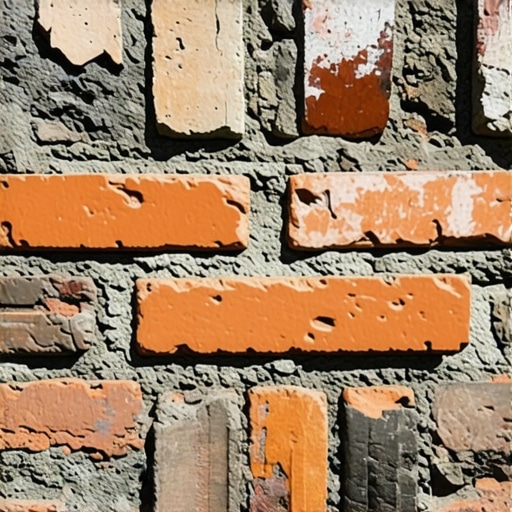
I recently walked a site where a stunning 1880s Victorian had been ‘restored’ by a general contractor who thought a bag of Type S Portland cement and a high-speed grinder were the tools of the trade. Within two winters, the face of every single red clay brick was popping off like a scab, a process we call spalling. It was a forensic scene of architectural malpractice. The owner thought they were getting masonry repair services that would last a lifetime, but instead, they were watching their heritage crumble into a pile of red dust. This is the reality of modern masonry colliding with historic integrity. When you treat an old, breathing structure like it is a modern, rigid monolith, you are signing its death warrant. Historic masonry preservation is not about making things ‘stronger’; it is about understanding the delicate dance of moisture and movement that has kept these buildings standing for over a century.
The Narrative of the Old Master
My first mentor, a man who had spent forty years on the scaffold and whose hands felt like 40-grit sandpaper, once took me to a project involving historic brick salvage. He didn’t start by mixing mud. He pulled a single brick from the wall and dropped it into a bucket of water. He watched the bubbles rise and whispered, ‘Listen to it drink.’ He taught me that the suction of the brick dictates the life of the wall. If the mortar is too hard, the brick cannot breathe. If the brick cannot breathe, it dies. He’d never use a modern premix. He’d spend hours matching the grit of the local river sand, because he knew that the sand was the skeleton of the joint. That lesson stayed with me: the mortar must always be the sacrificial lamb of the masonry system.
The Physics of the Sacrificial Principle
To understand why modern cement is the enemy of brick wall restoration, we have to look at the modulus of elasticity. Pre-1940s bricks were fired at lower temperatures in wood-fired kilns, resulting in a porous, soft internal structure. These bricks are essentially sponges. They expand when they get wet and contract as they dry. They shift with the seasons.
“Mortar should always be weaker than the masonry units so that any movement-induced stresses are relieved in the mortar joints rather than the masonry units themselves.” – BIA Technical Note 1
This is the fundamental law of restoration. When you inject a rigid, non-permeable Portland-based mortar into a soft brick wall, you create a structural conflict. The brick wants to expand, but the mortar won’t let it. Since the mortar is now harder than the brick, the physics of least resistance takes over. The pressure builds until the brick face shears off. This isn’t just an aesthetic issue; it’s a total failure of the building envelope.
The Chemistry of Vapor Permeability
In the world of masonry water damage repair, we talk a lot about ‘breathability.’ Modern Portland cement creates a vapor barrier. In a freeze-thaw climate, moisture gets trapped behind that hard cement shell. When the temperature drops, that water expands by 9% in volume. Because it cannot escape through the mortar joint, it exerts hydraulic pressure against the back of the brick face. This is the primary cause of spalled concrete steps repair failures and wall degradation. Lime-based mortars, specifically Type O or pure hydraulic lime (NHL), are vapor-permeable. They allow moisture to migrate out of the wall through the joints. The joint acts as a wick, drawing damaging salts and moisture away from the precious historic units. This is why brickwork sealants application is often a mistake on old homes; you are essentially wrapping a sponge in plastic wrap and wondering why it’s rotting.
Micro-Zooming: The Hydration vs. Carbonation Cycle
The chemical difference between what comes in a yellow bag at the big-box store and what we use for historic masonry preservation is profound. Modern cement undergoes a rapid hydraulic set—a chemical reaction between water and silicates that forms a crystalline structure within hours. Historic lime mortar, however, sets through carbonation. It absorbs CO2 from the atmosphere over months, slowly turning back into limestone. This slow set allows for ‘self-healing.’ If a tiny hairline crack forms in a lime joint, moisture can dissolve a bit of the free lime and redeposit it into the crack, effectively sealing it. Portland cement cannot do this. Once it cracks, it stays cracked, allowing more water to penetrate and accelerate the cycle of decay.
The Restoration Process: Doing It Right
A proper brick patio restoration or wall repointing starts with the removal of the old, failing mud. You don’t use a diamond blade grinder that leaves ‘overcut’ scars on the corners of the bricks. You use small pneumatic chisels or hand tools to rake the joints to a depth of at least twice the width of the joint. Then, you must address the ‘tooth’ of the stone or brick. You dampen the masonry to prevent it from sucking the moisture out of the new mud too quickly—what we call ‘burning’ the joint. We mix our mud to a stiff consistency, like damp sand that holds its shape. We ‘butter’ the slicker and pack the joints in lifts.
“The use of high-strength mortars in the repair of historic masonry is the single most frequent cause of preventable damage to such buildings.” – ASTM C270 Standard Commentary
We then wait for the mud to become ‘thumb-print hard’ before striking the joint to match the historic profile, whether it’s a weather joint, a grapevine joint, or a simple flush cut.
Complex Challenges: Parapets and Chimneys
Commercial parapet wall repair is where the physics gets even more aggressive. Parapets are exposed to the elements on both sides, leading to extreme thermal expansion. If you don’t have proper relief joints and the right mortar, the wall will literally push itself off the building. Similarly, chimney heat shield installation and repair require materials that can handle thermal shock. Using a hard mortar in a chimney stack is a recipe for a structural collapse. The heat causes the internal flues to expand; if the outer masonry shell is too rigid, the whole stack will crack vertically, creating a fire hazard. We look for signs of honeycombing in the old mortar—a sign that the binder has washed away, leaving only the sand skeleton behind.
The Scam of the ‘Leftover Material’ Contractor
I’ve seen it a thousand times: a guy in a truck tells a homeowner he has ‘leftover material’ from a masonry repair services job down the street and can fix their steps for a fraction of the cost. These guys use high-strength mortar because it sets fast and they can be gone before the sun sets. They don’t care about sand gradation or lime content. They don’t care that they are creating a ‘cold joint’ that will separate in six months. They are selling a Band-Aid for a bullet wound. True restoration requires a forensic approach—sometimes even sending a sample of the original mortar to a lab to determine the exact sand-to-lime ratio used by the original masons.
Final Words: The Stewardship of Stone
When you own a historic property, you aren’t just an owner; you’re a steward. Every time you choose a cheap, modern shortcut over a traditional method, you are stripping away the value and the lifespan of that structure. Whether it is brick wall restoration or simply fixing a soldier course on a porch, the principles remain the same. Respect the materials. Understand the physics. Don’t let a man with a bag of Portland cement anywhere near your 19th-century home. Do it once, do it right, or you’ll be doing it again when the brick starts raining down on your sidewalk.”, “image”: { “imagePrompt”: “A close-up of a master mason’s weathered hands using a small pointing slicker to carefully pack lime mortar into a joint between two soft, handmade red bricks on a historic wall. The texture of the lime mortar is visible, and the brick edges show slight natural irregularities.”, “imageTitle”: “Master Mason Repointing Historic Brick”, “imageAlt”: “A professional mason performing historic masonry preservation using traditional tools and lime mortar.” }, “categoryId”: 0, “postTime”: “” }