
The Autopsy of a Frozen Feast
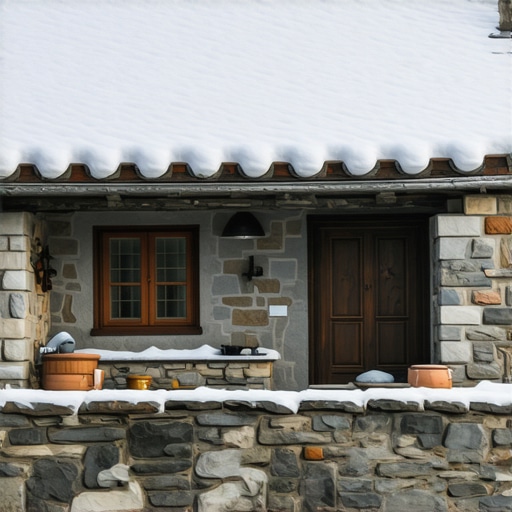
The call came in on a Tuesday in late January. The homeowner was frantic, describing a sound like a gunshot coming from his patio at three in the morning. When I arrived, the scene was a forensic mess. An eighty-thousand-dollar outdoor stone kitchen, built only two years prior, was literally tearing itself apart. I didn’t need a magnifying glass to see the culprit. I reached my fingers behind the stone veneer where the mortar had detached and pulled out a jagged shard of ice the size of a dinner plate. The contractor had used a ‘lick-and-stick’ method with high-strength Portland cement on a non-porous substrate, creating a perfect pocket for moisture to sit. When that moisture turned to ice, the physics of expansion did the rest. It wasn’t just a cracked brick wall repair job; it was a total systemic failure. Most people don’t realize that water expands by roughly 9% when it freezes. In a rigid masonry assembly with no room to breathe, that 9% is more than enough to shear a stone right off its bed. If you want a kitchen that lasts, you have to stop thinking about aesthetics and start thinking about fluid dynamics and thermal shock.
The Chemistry of the ‘Mud’: Why Your Mortar Choice Is Life or Death
In my thirty years of forensic masonry, I’ve seen more brick veneer detachment repair calls caused by the wrong mortar than by any other factor. Modern masons love Type S mortar because it sets fast and stays hard. But ‘hard’ is the enemy of outdoor masonry in a freeze-thaw climate. You need a mortar that can flex. We’re talking about the ‘modulus of elasticity.’ When the sun hits a dark granite countertop in February, the stone expands. The mortar must be the sacrificial lamb in this equation. This is why I advocate for sustainable tuckpointing mortars based on hydraulic lime. Unlike Portland-heavy mixes, lime-based ‘mud’ allows for autogenous healing—meaning small hairline cracks can actually reseal themselves over time as the lime migrates and carbonates. When you butter a stone, you aren’t just gluing it; you are creating a chemical bond that must manage the ‘suction’ of the masonry unit. If your stone is too dry, it sucks the hydration out of the mortar before it can form a crystalline structure, leading to a ‘flash set’ that will fail by next Christmas.
“Water penetration is the single greatest threat to masonry durability.” – BIA Technical Note 7
The Physics of the Hearth: Outdoor Fireplace Rebuild and Chimney Resilience
An outdoor kitchen usually centers around a wood-fired oven or a hearth. This is where most builders fail the physics test. They build a beautiful outdoor fireplace rebuild but ignore the brick lintel replacement requirements for high-heat environments. Steel lintels expand at a different rate than masonry. If that steel is trapped tight with no expansion joint, it will bow and crack your historic brickwork repointing within one season. I always tell my crew: ‘The fire wants out, and the water wants in.’ To keep both in check, you need a proper chimney repair services strategy that includes a stainless steel or clay flue liner with a minimum one-inch air gap. This gap acts as a thermal break, preventing the masonry from ‘honeycombing’ under the stress of extreme temperature swings. For the exterior, mortar repointing services should use a concave or ‘V’ joint profile, struck with a slicker tool to compress the mortar and create a water-shedding surface. A flat or recessed joint is just a shelf for snow to sit on.
Waterproofing the Invisible: Drainage and Tile Grouts on Masonry
The most critical part of an outdoor kitchen is the part you never see: the drainage plane. If you are applying stone over a CMU block core, you must apply a liquid-applied waterproofing membrane or a dimpled drainage mat before you ever put a hawk of mud to the wall. This allows incidental moisture to weep out the bottom rather than getting trapped behind the veneer. Speaking of moisture, let’s talk about tile grouts on masonry for those fancy pizza oven hearths. Standard indoor grout will crumble in a month. You need high-polymer, frost-resistant grouts that can handle the cold joint movement between different material types. When I inspect a failing kitchen, I often find that the tuckpointing machine services used were too aggressive, grinding into the units themselves and destroying the ‘fire-skin’ of the brick. This allows deep water penetration that leads to massive cracked brick wall repair needs later on.
“Masonry units shall be laid in a full bed of mortar with full head joints… to ensure maximum resistance to moisture.” – ASTM C270
Final Forensic Advice: Maintenance Over Miracles
You can’t just build it and forget it. Every five years, you need to be looking at your joints. If you see ‘pugging’ or crumbling, it’s time for mortar repointing services. If you ignore a small crack in the soldier course above your oven, you’re inviting the ice to come in and start the demolition for you. Using tuckpointing machine services for precise joint removal ensures that you don’t damage the integrity of the surrounding stone. Remember, a stone kitchen in a winter climate isn’t a static object; it’s a living, breathing structure that moves with the seasons. Build it with the ‘tooth’ to hold the mortar, the ‘suction’ to bond the materials, and the drainage to let the water escape, and you’ll be cooking pizzas while the neighbors are calling me to fix their pile of rubble. [IMAGE_PLACEHOLDER]