Expert Foundation & Facade Cleaning Tips for Durable Property Maintenance
Enhancing Structural Durability through Advanced Masonry Repairs
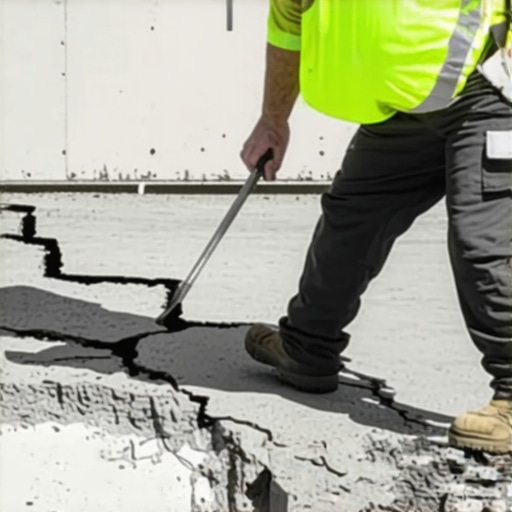
Maintaining the longevity of masonry structures necessitates a comprehensive understanding of specialized repair techniques such as concrete patching, foundation restoration, tuckpointing, and facade cleaning. These interventions, when executed with precision and informed by current best practices, serve as the backbone of resilient property maintenance. As industry experts advocate, integrating these methods effectively can prevent minor issues from escalating into costly structural failures.
Innovative Approaches to Concrete Patchwork for Long-Lasting Results
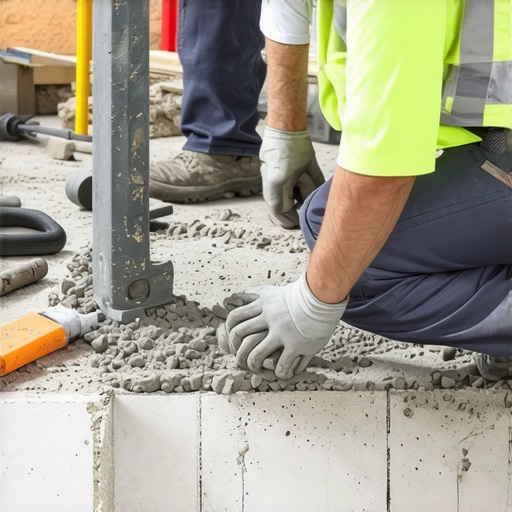
Recent advancements emphasize the importance of using high-performance materials like polymer-modified concretes that offer superior adhesion and flexibility, accommodating structural movements without cracking. Proper surface preparation, including thorough cleaning and profiling, ensures optimal bonding. Techniques such as epoxy injections for deep cracks and spray-applied patches for surface imperfections are standard, but must be tailored to specific project needs. More information on effective concrete patching strategies can be found here.
Foundation Rehabilitation: Precision in Restoring Structural Foundations
Foundation stability directly influences the overall safety of a property. Modern restoration employs underpinning methods like helical piers, push piers, or slip-joint underpinning, selected based on soil conditions and load requirements. Experts must meticulously assess soil stability, load distribution, and potential settlement patterns. Incorporating these advanced techniques ensures long-term stability and mitigates deterioration caused by water intrusion, soil erosion, or material fatigue.
Strategic Tuckpointing as a Shield Against Masonry Deterioration
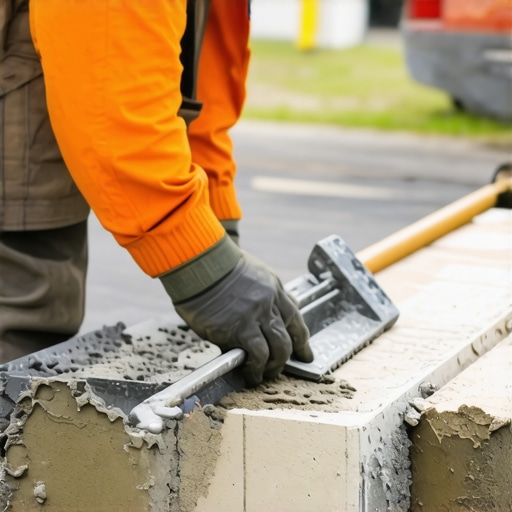
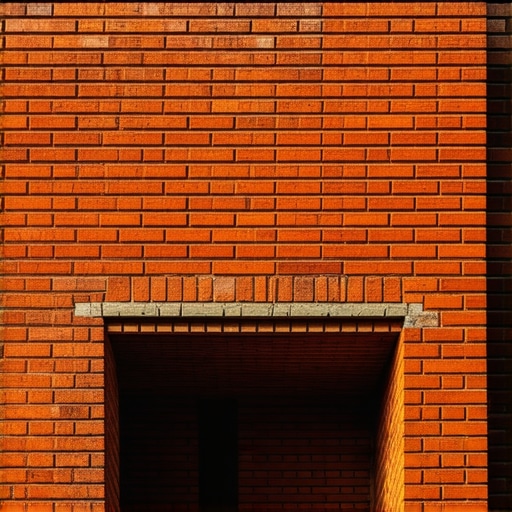
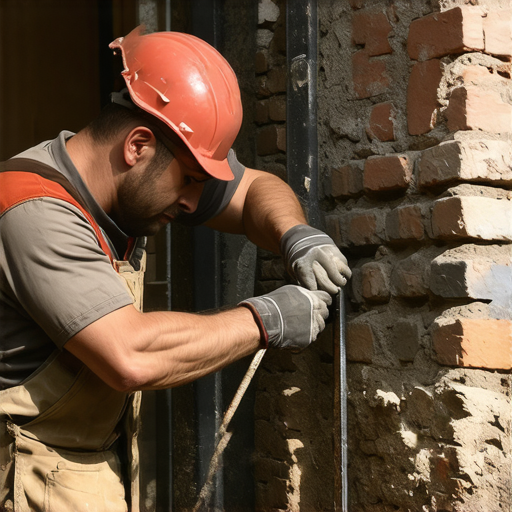
Tuckpointing, a precise process of removing deteriorated mortar and replacing it with fresh material, is crucial for preventing water ingress and maintaining aesthetic integrity. Professionals favor high-quality lime or Portland cement mortars, depending on the historic or modern nature of the structure. Proper joint profiling and tooling prevent future cracking. For sophisticated insights on tuckpointing’s role in structural preservation, visit this resource.
Facade Cleaning Techniques that Extend Material Life
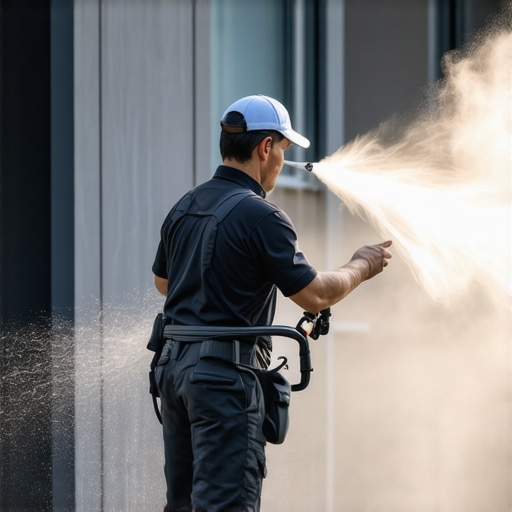
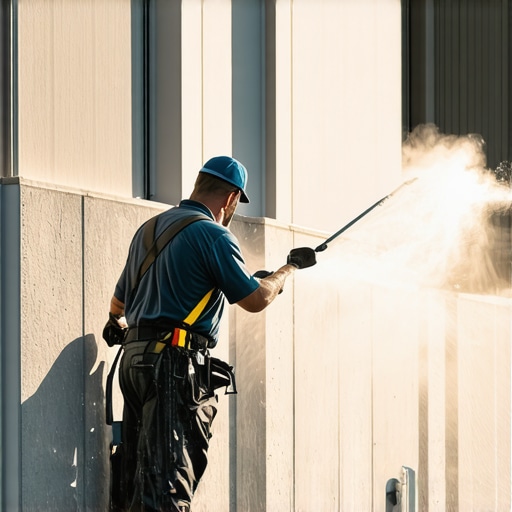
Facade cleaning involves more than surface aesthetics; it plays a pivotal role in preventing moisture retention and material decay. Techniques like low-pressure washing with pH-neutral cleaners, laser cleaning, and chemical remediation are tailored to specific surfaces—brick, stone, or concrete—ensuring no damage occurs. Regular maintenance coupled with protective sealants enhances durability, especially in harsh climates. For detailed strategies on facade preservation, see this authoritative guide.
How Can Specialized Restoration Techniques Prevent Hidden Structural Failures?
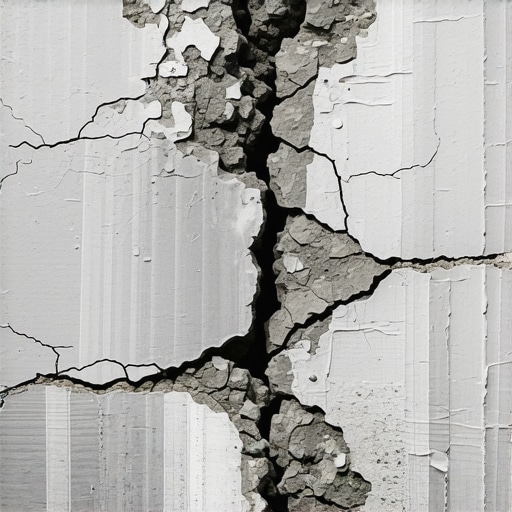
Proactively integrating advanced repair methodologies requires diagnostic precision, including non-destructive testing and structural analysis. Expert assessments can reveal subsurface issues—like micro-cracking or freeze-thaw damage—before they compromise safety. Employing innovative materials and techniques, such as fiber-reinforced polymers or hydrophobic sealants, enhances the property’s resistance to environmental stressors. Regular consultation with industry specialists ensures that maintenance strategies adapt to evolving structural challenges.
To deepen your understanding of long-term masonry preservation, explore trusted expert insights. Engaging with professional forums and contributing your experience can further elevate the standards of property care and durability.
,
Mastering Surface Preparation for Maximal Bonding Power
In the world of masonry restoration, surface prep often stands as the unsung hero. Achieving impeccable adhesion requires thorough cleaning, profiling, and moisture control. Techniques such as acid etching or abrasive blasting create a conducive surface for repair materials, improving longevity and resisting environmental wear. Professionals frequently recommend using specialized cleaning agents that remove efflorescence and biological growth, which can compromise repair integrity. For detailed guidance on optimal surface preparation, visit this resource.
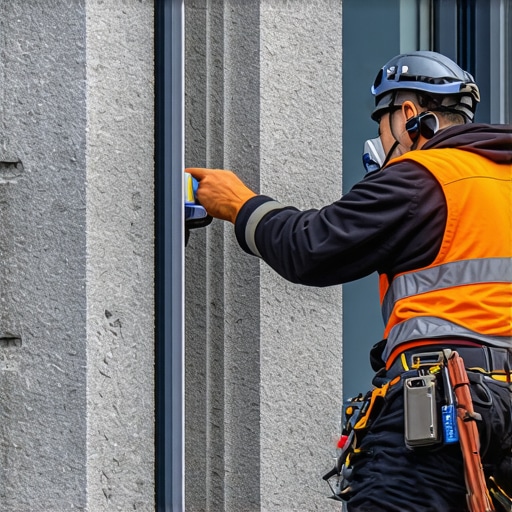
Integrating Technology for Predictive Maintenance
Advancements in sensor technology and structural monitoring offer new avenues for preemptively identifying potential failures. Fiber optic sensors embedded within masonry allow for real-time stress and strain analysis, alerting stakeholders to shifts long before visible damage occurs. Incorporating these systems into regular maintenance routines elevates property resilience, enabling targeted interventions rather than reactive repairs. Furthermore, data-driven approaches empower contractors to select materials with proven durability, such as fiber-reinforced concrete or hydrophobic sealants, enhancing overall structural performance. To see how these innovations are transforming industry standards, consult this comprehensive guide.
How Can Embracing Tech Revolutionize Masonry Upkeep and Repair?
In light of rapid technological progress, the question emerges—how can we leverage digital tools to predict, plan, and execute masonry repairs more effectively? Embracing predictive analytics and machine learning models can transform maintenance from a reactive chore into a proactive strategy, saving costs and extending lifespan. Additionally, virtual reality (VR) simulations assist craftsmen in visualizing repairs within complex structures, reducing errors and improving precision. Industry leaders increasingly advocate for integrating these tools into standard workflows, as seen in cutting-edge projects like smart city infrastructure upgrades. For insights on adopting these innovations, explore this expert-reviewed publication.
Harnessing Nanotech to Extend Masonry Life Span
The advent of nanotechnology has ushered in a new era of masonry preservation, enabling the development of ultra-fine sealants and restorative coatings that penetrate deeply into porous surfaces, such as brick and stone. These nano-engineered materials dramatically improve water resistance, reduce biological growth, and enhance overall durability. Unlike traditional sealants that merely sit atop surfaces, nano-coatings chemically bond with masonry substrates, creating a semi-permeable barrier that allows vapor transmission while blocking moisture ingress. Such innovations significantly lower maintenance costs and safeguard structures against the caprices of climate-induced deterioration.
What’s behind the supremacy of nano-enhanced sealants in masonry repair?
Research published in the Journal of Architectural Conservation highlights that nanomaterials’ exceptional surface area enables superior adhesion and resilience under environmental stressors, making them ideal for long-term protection (source). These materials also possess self-cleaning properties by repelling dirt and pollutants, thus maintaining aesthetic appeal without aggressive cleaning interventions. Architects and restoration specialists increasingly advocate for their adoption, citing substantial improvements in structural longevity and ecological benefits.
Integrating Smart Materials to Predict and Prevent Decay
The integration of smart materials in masonry repair marks a paradigm shift from passive to active maintenance systems. Embedding piezoelectric sensors or shape memory alloys within masonry elements enables real-time monitoring of internal stresses, thermal fluctuations, and micro-cracking developments. When used in conjunction with IoT (Internet of Things) platforms, these embedded sensors can relay data continuously, allowing maintenance teams to identify early signs of distress—long before visible symptoms arise. Consequently, proactive interventions become feasible, preventing extensive damage and costly repairs.
How do smart materials redefine the proactive maintenance landscape?
According to a comprehensive review in the Construction and Building Materials journal, smart materials facilitate predictive diagnostics that historically depended on periodic inspections—a process often limited by accessibility and observer bias (source). This technological integration also enables adaptive repair responses, such as shape recovery or stress redistribution, further enhancing the resilience of historic and modern structures alike. Industry leaders are now exploring AI-driven analytics to process sensor data, optimizing maintenance schedules and material choices for maximum efficacy.
Unraveling the Mysteries of Nano-Engineered Masonry Coatings
The integration of nanotechnology into masonry preservation signifies a paradigm shift, providing ultra-durable, self-cleaning, and water-repellent surfaces. These nano-coatings chemically bond with substrates like brick and stone, creating a semi-permeable barrier that effectively blocks moisture ingress while allowing vapor transmission, thereby preventing internal damage.
What makes nano-coatings superior in safeguarding masonry structures?
According to research published in the Journal of Architectural Conservation, nano-engineered sealants deliver unmatched adhesion and resilience under environmental stressors, outperforming traditional sealants. Their self-cleaning properties repel dirt and pollutants, reducing maintenance burdens and preserving aesthetic integrity over decades (source). Architects and engineers increasingly adopt these innovations to prolong the lifespan of historic and modern edifices.
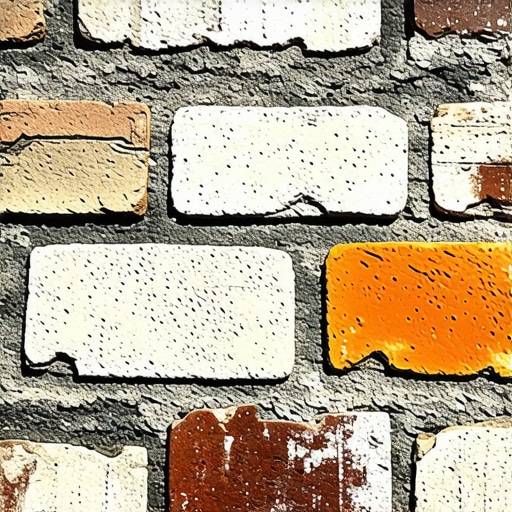
Harnessing Smart Materials to Preempt Masonry Deterioration
The deployment of smart materials—integrated with sensors such as piezoelectric fibers or shape-memory alloys—enables continuous structural health monitoring. These embedded components detect micro-cracks, stress accumulation, and thermal fluctuations in real-time, transmitting data via IoT platforms to predictive analytics systems.
How does this technology redefine proactive maintenance?
As revealed in Construction and Building Materials, smart materials facilitate early detection of micro-damage, allowing timely intervention before visible degradation occurs, thus averting costly repairs and structural failures (source). This integration fosters adaptive responses—such as shape recovery or stress redistribution—enhancing the resilience of complex masonry assemblies.
Advanced Material Fusion for Enhanced Structural Support
Emerging composites combining fiber-reinforced polymers with traditional masonry elements offer increased tensile strength and flexibility, vital for seismic zones or buildings exposed to dynamic loads. The adoption of these hybrid systems mitigates brittle failure modes, ensuring structural integrity over longer periods.
What advantages do these hybrid systems provide over conventional repairs?
Research in the Canadian Journal of Civil Engineering underscores that fiber-reinforced overlays and adhesives improve load distribution and crack resistance, significantly extending service life (source). Their lightweight nature simplifies installation and reduces the need for extensive underpinning, making them a cost-effective solution for complex restoration demands.
Dynamic Surface Preparation Techniques Elevate Bond Strength
Innovations in surface conditioning—such as laser ablation and plasma cleaning—offer precise, chemical-free methods to prepare substrates. These techniques remove contaminants and create micro-roughness without damaging the masonry’s inherent properties, optimizing bond strength and durability.
How do these advanced methods outperform traditional surface prep?
According to guidance from the National Institute of Standards and Technology (NIST), laser and plasma treatments produce cleaner and more consistent surfaces, reducing residual contaminants that weaken adhesion (NIST publications). Consequently, repair materials adhere more reliably, minimizing failures over time.
Envision embracing these innovations for your next masonry restoration project, and connect with industry leaders who can tailor these advanced solutions to your specific structural challenges.
Expert Strategies for Masonry Longevity
Achieving durable masonry structures demands a proactive approach that integrates cutting-edge repair techniques with strategic maintenance. Experts highlight that combining high-performance materials with precise application methods enhances structural resilience and aesthetic appeal. Regular assessment and embracing technological advancements foster long-term stability, especially in challenging climates.
Prioritize Material Innovation to Combat Environmental Stressors
Utilizing nano-engineered sealants and fiber-reinforced composites enables masonry to withstand moisture ingress, freeze-thaw cycles, and seismic movements. These materials, backed by extensive research, provide a significant edge over traditional options, extending service life and reducing ongoing costs.
Leverage Sensor Technologies for Early Damage Detection
Embedding real-time structural monitoring systems, such as fiber optic sensors, empowers maintenance teams to identify micro-cracks and stress accumulation before visible deterioration occurs. This early warning capability transforms reactive repairs into strategic interventions, safeguarding structural integrity.
Employ Surface Preparation Techniques that Enhance Bonding
Advanced surface conditioning methods, including laser ablation and plasma cleaning, optimize adhesion between old and new materials. Ensuring micro-roughness and contaminant removal results in stronger repairs capable of enduring environmental challenges.
Refine Tuckpointing to Prevent Water Damage
Precision in mortar removal and replacement with compatible, high-quality mixes maintains joint integrity. Proper profiling and tooling prevent future cracking and water ingress, which are primary culprits of masonry decay.
Curated Resources for the Expert Mason
- Journal of Architectural Conservation: Offers peer-reviewed research on nano-coatings and smart materials, guiding innovation adoption.
- Construction and Building Materials Journal: Features studies on sensor integration and predictive maintenance strategies in masonry.
- National Institute of Standards and Technology (NIST): Provides technical guidance on surface preparation and cleaning techniques for optimal repair outcomes.
- Masonry Institute Publications: Contains industry standards and best practices for tuckpointing and facade preservation.
- Online Industry Forums and Workshops: Facilitate knowledge exchange among top masonry restoration professionals worldwide.
Reimagining Masonry Preservation for Future Challenges
Integrating innovative materials, sensor technology, and refined techniques elevates masonry repair from routine maintenance to a strategic component of structural stewardship. Embracing these advancements ensures that skilled professionals can deliver results that endure, resilient against the test of time and environment. For practitioners committed to excellence, engaging with leading resources and contributing insights drives the evolution of best practices. To deepen your expertise and share your experiences, consider connecting through specialized industry networks or participating in ongoing research initiatives—your contribution shapes the future of masonry preservation.