Expert Facade Cleaning & Concrete Patch Tips to Boost Property Durability
Elevating Property Durability Through Expert Facade Cleaning Techniques
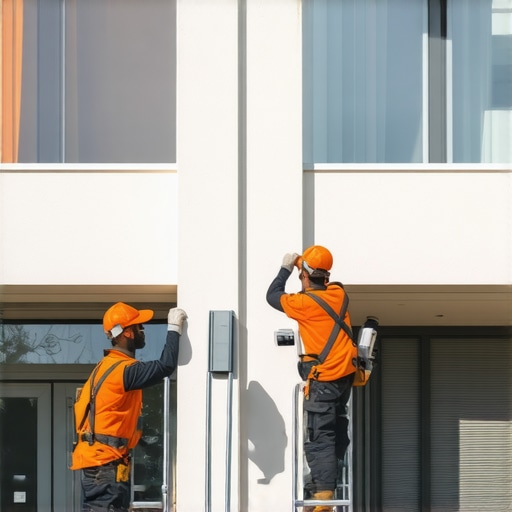
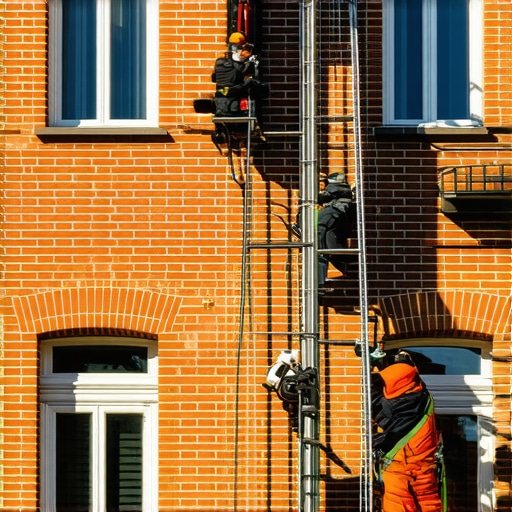
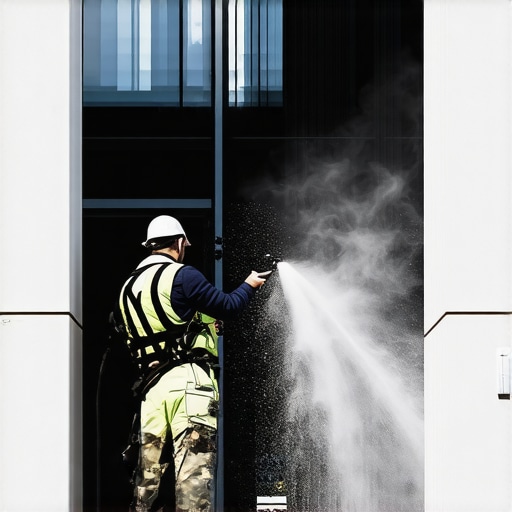
In the realm of property maintenance, facade cleaning emerges as a critical component that extends the lifespan of building exteriors. Skilled professionals leverage advanced cleaning methods, such as low-pressure washing combined with eco-friendly detergents, to effectively remove pollutants without damaging structural materials. This meticulous approach not only preserves aesthetic appeal but also prevents deterioration caused by dirt and biological growth, directly impacting long-term durability.
What are the most effective cleaning agents for preserving facade integrity?
Choosing the right cleaning agents involves understanding the material composition and environmental considerations. Experts typically recommend biodegradable, non-abrasive solutions that target organic stains and pollutants while safeguarding the underlying surface. Consulting with specialists and referencing authoritative sources such as the Journal of Building Engineering can ensure optimal product selection for lasting results.
Innovative Concrete Patch Strategies for Reinforcing Structural Resilience
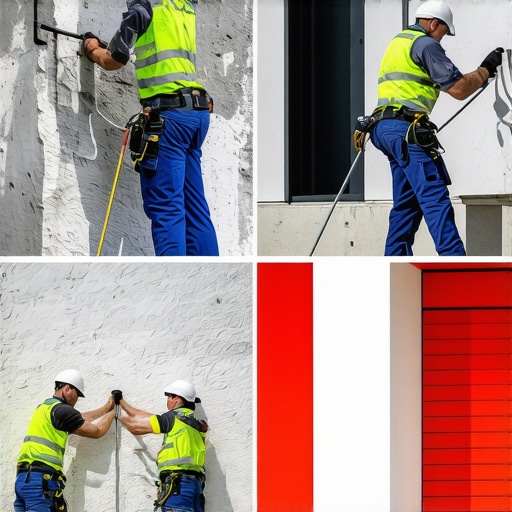
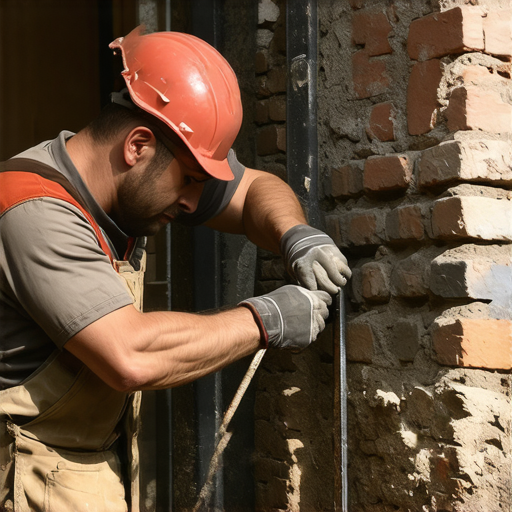
Concrete patching is more than superficial repair; it is a strategic intervention that reinforces structural integrity. Advanced patching compounds, such as polymer-modified mortars, offer superior adhesion, flexibility, and resistance to environmental stressors. Proper surface preparation, including thorough removal of loose material and moisture control, is essential for ensuring bond strength and preventing future cracking. Professionals also emphasize the importance of curing techniques to maximize durability.
How can field-tested patching methods prevent future masonry failures?
By employing proven techniques like controlled curing environments and integrating reinforcement mesh within patches, experts mitigate the risk of recurring issues. This approach sustains the structural performance of facades and foundations alike, contributing to long-term property value. For detailed guidance, see the comprehensive strategies outlined at Reliable Concrete Patch Strategies.
Synergizing Tuckpointing and Restoration for Enduring Masonry Strength
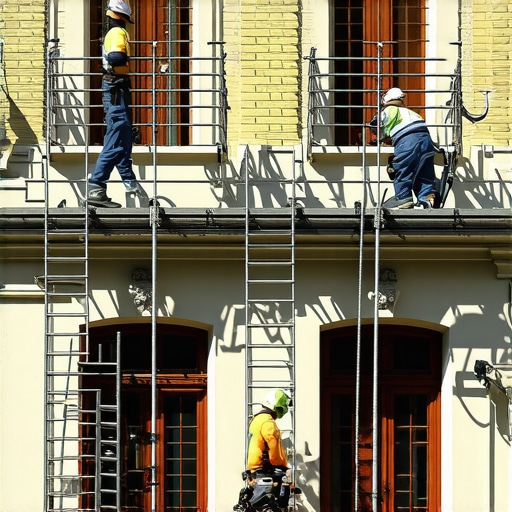
Effective tuckpointing not only enhances aesthetic appeal but also fortifies masonry against water infiltration and freeze-thaw cycles. Expert tuckpointing involves precise removal of deteriorated mortar and application of compatible, durable mortar mixes. When combined with foundation and structural restoration, this holistic approach ensures masonry systems withstand environmental challenges over decades. Continuous maintenance and periodic inspections are crucial to sustain these benefits.
What are the latest innovations in tuckpointing for sustainable masonry repair?
Recent advancements include the use of color-matched, high-performance mortar formulations and robotic application techniques that improve precision and consistency. These innovations lead to longer-lasting repairs and reduced labor costs, reinforcing the importance of staying informed through industry-leading sources like Trusted Tuckpointing Tips.
Engaging with expert content on facade and masonry care empowers property owners and contractors to implement durable solutions that stand the test of time. For comprehensive insights and professional assistance, explore our extensive resources and contribute your own experiences to enrich the industry discourse.
Leveraging Cutting-Edge Sealants to Extend Masonry Lifespan
One of the most effective ways to bolster masonry resilience involves the application of high-performance sealants. These materials, especially breathable, elastomeric coatings, create a protective barrier against moisture ingress while allowing trapped vapor to escape. This dual function prevents deterioration caused by freeze-thaw cycles and water-related damage, significantly prolonging the life of facades. For expert advice on selecting optimal sealants, consult comprehensive guides like Reliable Façade Cleaning and Tuckpointing Strategies which emphasize durability and material compatibility.
Could integrating nanotechnology into sealants revolutionize masonry maintenance?
Recent innovations suggest that nanomaterials embedded within sealants can enhance their hydrophobic properties, increase resistance to UV degradation, and improve adhesion to various substrates. These advanced coatings could serve as the next frontier in masonry preservation, reducing the frequency of repairs and cleaning cycles. Industry leaders are actively researching these solutions, and staying informed through trusted sources like Expert Façade Cleaning Solutions helps property managers adopt future-proof strategies.
Understanding the Role of Structural Anchoring in Masonry Longevity
Beyond surface repairs, anchoring systems play a vital role in maintaining the structural integrity of masonry assemblies over decades. Modern anchoring techniques involve the use of corrosion-resistant materials such as stainless steel or innovative composites, which provide strong, long-lasting connections. Proper installation and periodic inspections of these systems, especially in areas prone to seismic activity or extreme weather, are crucial. For detailed methodologies, consider resources like Trusted Foundation and Tuckpointing Tips designed by industry experts.
How can structural health monitoring tools improve the durability of masonry facades?
Advanced sensor technologies now enable real-time monitoring of stress, movement, and moisture levels within masonry structures. These tools provide early warnings of potential failures, allowing preemptive repairs that save costs and prevent catastrophic damage. Implementing such systems aligns with a proactive maintenance philosophy championed by leading professionals in the field. For further insights, explore Trusted Foundation Restoration Techniques to understand how integrated solutions can optimize long-term performance.
Engaging with expert content and adopting innovative repair strategies empowers property owners to ensure their masonry remains durable, attractive, and structurally sound for generations. Share your experiences or ask questions in the comments, and discover more about future-proofing your property with our detailed guides and professional tips.
Harnessing Nano-Enhanced Sealants for Next-Generation Masonry Maintenance
In the ongoing quest to extend the lifespan of masonry structures, nanotechnology has emerged as a game-changing innovation. Incorporating nanomaterials such as silica nanoparticles into sealants enhances their hydrophobic properties, creating a more effective barrier against moisture ingress. These advanced coatings not only resist UV degradation but also improve adhesion to diverse substrates, ensuring long-term performance even under extreme environmental conditions. Industry research, including findings published in the Journal of Coatings Technology and Research, confirms that nanotech-infused sealants significantly outperform traditional options in durability and resilience.
What are the primary challenges in deploying nanotechnology-based sealants at scale, and how can they be overcome?
While the benefits are compelling, challenges such as cost, uniform dispersion of nanoparticles, and regulatory approval must be addressed. Overcoming these hurdles involves advancing manufacturing processes to reduce costs, developing standardized testing protocols for consistency, and engaging with regulatory bodies early in the product development cycle. Collaborations between academia, industry, and government agencies are vital for translating nanotech innovations into practical, scalable solutions that revolutionize masonry maintenance.
Strategic Integration of Structural Health Monitoring for Enhanced Masonry Longevity
Beyond surface-level repairs, integrating structural health monitoring (SHM) systems offers a proactive approach to masonry preservation. Sensors embedded within the masonry can continuously track parameters such as stress, moisture levels, and movement, providing real-time data that enables early detection of potential failures. According to the comprehensive review by the American Society of Civil Engineers, implementing SHM can drastically reduce maintenance costs and prevent catastrophic structural failures.
Establishing a resilient masonry system through SHM involves selecting appropriate sensor technology, ensuring proper installation, and developing data analytics frameworks capable of interpreting complex signals. The future of masonry preservation lies in the seamless integration of these intelligent systems, transforming reactive repairs into predictive maintenance strategies that optimize resource allocation and extend structural lifespan.
Deepening the Impact of Tuckpointing with Innovative Materials and Techniques
Modern tuckpointing extends beyond traditional mortar replacement by leveraging high-performance, sustainable materials that match existing masonry in appearance and durability. Recent developments include the use of polymer-modified mortars infused with recycled aggregates, which not only reinforce the masonry but also align with eco-friendly construction practices. Furthermore, robotic application technologies enable precision in mortar placement, reducing labor costs and ensuring uniformity across large surfaces.
According to industry experts documented in Masonry Magazine, integrating these innovations results in more durable, sustainable repairs that withstand environmental stressors for decades. Continuous training on the latest techniques and materials is crucial for contractors aiming to deliver top-tier masonry restoration projects that stand the test of time.
Interested in elevating your masonry repair projects? Engage with our expert resources and join the conversation to discover how these advanced strategies can redefine your approach to property preservation.
Harnessing the Power of Bio-Inspired Sealant Technologies
Recent innovations in masonry preservation draw inspiration from nature, particularly the self-healing properties of biological tissues. Bio-inspired sealants incorporate microcapsules filled with healing agents that activate upon cracks or damage, effectively repairing themselves and significantly extending the lifespan of masonry facades. These cutting-edge materials, detailed extensively in the Scientific Reports, exemplify the fusion of biomimicry with advanced materials science, promising a future where masonry repairs become increasingly autonomous and resilient.
Can bio-inspired sealants truly revolutionize long-term masonry maintenance?
Absolutely. By enabling structures to self-repair minor damages before they escalate, these sealants reduce labor costs and downtime, ensuring structural integrity over decades. Their integration with monitoring systems and nanotechnology could herald a new era of maintenance—one where buildings actively participate in their preservation. To explore the latest breakthroughs and practical applications, consult industry-leading publications such as Advanced Materials in Construction.
Innovative Structural Interventions for Seismic Resilience
In seismically active regions, the integration of base isolators, seismic dampers, and reinforced masonry anchoring systems enhances a building’s ability to withstand earthquakes. Modern interventions involve the use of shape-memory alloys that adapt dynamically to seismic forces, dissipating energy and reducing stress concentrations within the masonry. The sophisticated application of these materials, supported by research from the American Society of Civil Engineers, allows for more flexible, durable masonry structures capable of surviving extreme events with minimal damage.
What are the most promising innovations in seismic masonry reinforcement today?
Emerging solutions include hybrid systems combining traditional reinforcement with smart materials that respond to dynamic loads, coupled with real-time structural health monitoring. These technologies enable engineers to design adaptive, self-optimizing structures that provide enhanced safety and longevity. For those interested in cutting-edge seismic resilience strategies, industry reports from The Institution of Structural Engineers offer invaluable insights.

Harnessing Nanostructured Coatings for Environmental Resistance
Applying nanostructured coatings on masonry surfaces offers unprecedented protection against environmental stressors such as acid rain, pollution, and UV radiation. These coatings, embedded with nanoparticles like titanium dioxide, create a photocatalytic barrier that degrades organic contaminants and neutralizes harmful pollutants. The result is a surface that not only resists staining and biological growth but also actively improves air quality nearby, as documented in the Journal of Coatings Technology and Research. This multifunctional approach transforms masonry maintenance into an environmentally beneficial process.
How close are nanocoatings to becoming mainstream in masonry preservation?
While commercial applications are rapidly expanding, challenges such as manufacturing costs and long-term stability need addressing. As research progresses, industry experts and manufacturers are collaborating to refine these coatings for cost-effective, large-scale deployment. Stay updated with developments from organizations like The International Paint & Coatings Industry to leverage these innovations for your projects.
Key Takeaways from Industry Leaders
Prioritize Material Compatibility
Choosing the right cleaning agents and repair materials that match the original masonry enhances durability and reduces long-term maintenance costs, as emphasized by leading experts in facade restoration.
Integrate Innovative Technologies
Adopting nanotechnology-infused sealants and structural health monitoring systems allows for proactive maintenance, significantly extending the lifespan of masonry structures.
Focus on Holistic Preservation
Combining tuckpointing, concrete patching, and sealant application creates a comprehensive approach that fortifies masonry against environmental stressors and structural failures.
Maintain Regular Inspection Schedules
Consistent assessments help identify early signs of deterioration, enabling timely interventions that preserve the property’s value and safety.
Authoritative Resources for Deep Expertise
- ScienceDirect Journal of Building Engineering: Offers cutting-edge research on eco-friendly cleaning agents and material science innovations.
- Reliable Concrete Patch Strategies: A comprehensive guide by masonry specialists focusing on long-term patching solutions.
- Trusted Tuckpointing Tips: Industry insights on sustainable mortar formulations and robotic application techniques.
- American Society of Civil Engineers Publications: Provides advanced data on structural health monitoring and seismic reinforcement technologies.
- Scientific Reports on Bio-Inspired Sealants: Features breakthroughs in self-healing materials and nanotechnology applications.
Summative Reflection from a Masonry Authority
In the realm of masonry preservation, a nuanced understanding of material science combined with innovative repair techniques truly elevates property durability. Expert insights underline the importance of selecting compatible, advanced materials such as nanotech sealants and structural sensors, which transform traditional maintenance into proactive, long-term strategies. As industry leaders continue to push the boundaries with bio-inspired and seismic-resistant solutions, staying informed through authoritative resources like the Reliable Concrete Patch Strategies and Trusted Tuckpointing Tips is essential for maintaining a competitive edge. Engaging deeply with these insights enables professionals to implement innovative, durable solutions that safeguard masonry assets for generations. For those committed to excellence, continuous learning and strategic application of these expert principles will define the future of resilient property management.