Concrete Patch & Repair: Proven Techniques for Long-Lasting Durability
Advanced Strategies in Concrete Repair and Masonry Restoration
Achieving long-lasting durability in masonry structures hinges on the integration of sophisticated techniques in concrete patching, tuckpointing, facade cleaning, and foundation repair. As industry experts recognize, these processes not only restore aesthetic appeal but also fortify the structural integrity against environmental stressors and time-induced deterioration. Embracing a holistic, science-informed approach allows for resilient masonry solutions that stand the test of time.
The Critical Role of Surface Preparation in Masonry Longevity
How does meticulous surface preparation influence the lifespan of concrete repairs?
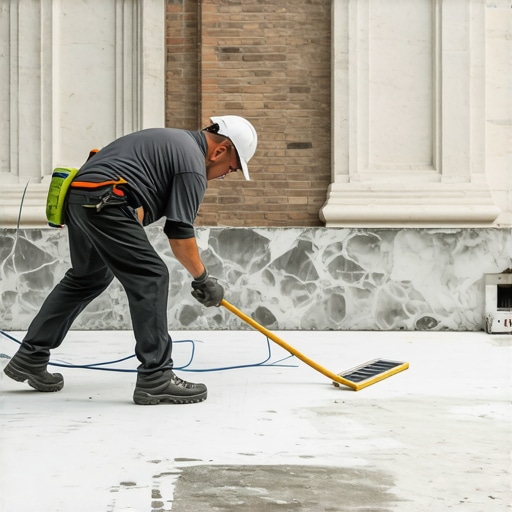
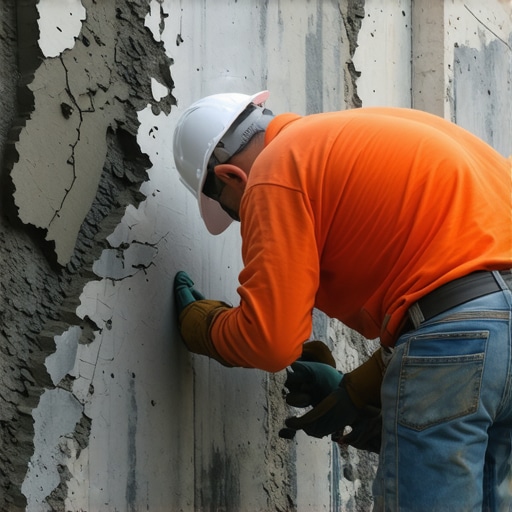
Surface preparation is the cornerstone of durable masonry restoration. Proper cleaning and removal of contaminants ensure optimal adhesion of patching compounds and mortar. Techniques such as abrasive blasting or high-pressure washing eliminate biological growth, dirt, and old mortar residues, thereby preventing future bond failures. According to the Masonry Magazine, meticulous preparation can extend repair longevity by decades, emphasizing its critical importance.
Innovative Materials Elevate Traditional Tuckpointing Practices
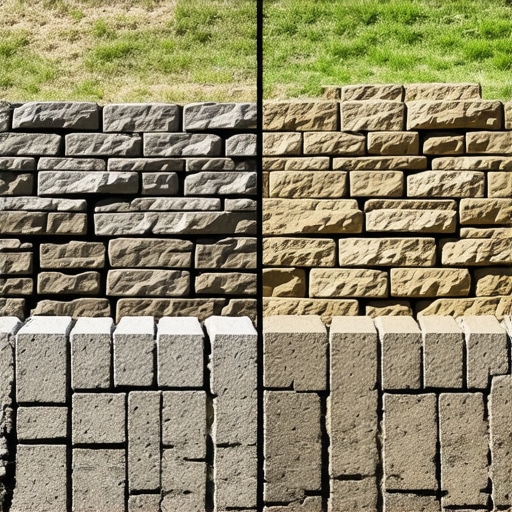
The evolution of tuckpointing materials—from traditional lime-based mortars to modern polymer-modified compounds—has revolutionized the field. These advancements improve crack resistance, water repellency, and compatibility with existing masonry. Expert applicators assess joint width, brick composition, and environmental exposure to select materials that ensure seamless integration and long-term stability, preserving both the aesthetic and structural function of facades.
Facade Cleaning: Beyond Cosmetic Enhancement
Facade cleaning transcends superficial appearance, playing a pivotal role in masonry preservation. Professional techniques—including low-pressure washing and specialized chemical treatments—maximize dirt and pollutant removal without damaging the substrate. Clean surfaces reduce moisture retention and inhibit biological growth, which are primary contributors to mortar deterioration and spalling. For comprehensive facade care, consult detailed guides such as the Ultimate Guide to Facade Cleaning and Tuckpointing.
Foundation Repair: Ensuring Structural Stability Under Pressure
Foundation issues often manifest through visible cracking, uneven settlement, and moisture intrusion. Advanced underpinning techniques, including piering and mudjacking, restore load-bearing capacity while safeguarding adjacent structures. Incorporating moisture management strategies and sealants further protect the foundation from future degradation. For detailed methodologies, see expert insights at Trusted Foundation Repair Tips.
What Are the Most Overlooked Aspects That Threaten Masonry Durability?
Despite meticulous application, factors such as improper curing, material mismatch, and inadequate drainage systems can undermine long-term stability. Diligent attention to curing timelines, compatibility assessments, and site-specific drainage planning is imperative. Continuous monitoring and proactive maintenance amplify the lifespan of repairs, as underscored in industry standards by the Structure Magazine.
Professionals seeking to elevate their masonry repair expertise should explore comprehensive resources like the Effective Concrete Patch and Facade Solutions series, offering in-depth strategies and material recommendations. Your contributions of specialized knowledge can significantly influence best practices and foster industry-wide excellence.
Leveraging Technology to Improve Masonry Repair Outcomes
Advancements in digital imaging, laser scanning, and drone inspections have transformed the landscape of masonry diagnostics. These technologies enable precise detection of structural anomalies and deteriorations that are often invisible to the naked eye, facilitating targeted repairs. Incorporating such tools can significantly reduce guesswork, optimize material use, and ensure longevity, aligning with insights from industry leaders on the integration of innovative solutions here.
How Do Material Compatibility Issues Undermine Restoration Efforts?
One common misconception is that any mortar or patching compound will suffice for masonry repairs. In reality, incompatibility between new materials and existing substrates can lead to delamination, cracking, and accelerated deterioration. Expert assessment of brick and mortar compatibility, considering factors such as porosity, thermal expansion, and chemical composition, is critical. For guidance on selecting the right materials, consult trusted resources like expert-recommended repair strategies.
What cutting-edge methods can ensure long-term masonry resilience against climate change?
Climate shifts bring unexpected challenges such as increased moisture from flooding, temperature fluctuations, and freeze-thaw cycles. Advanced sealing systems, breathable coatings, and embedded drainage channels are emerging as effective defenses. Incorporating these innovations into routine maintenance can profoundly extend the lifespan of masonry structures. Industry experts emphasize the importance of holistic approaches that integrate preventive measures, repair techniques, and future-proofing strategies, details of which are available at trusted repair tips.
Staying ahead in masonry restoration demands continuous learning and adaptation of the latest science-backed methods. Sharing insights, case studies, and innovative solutions through professional forums and industry events fosters collective advancement and elevates standards of practice.
} }**
}**
Employing Digital Diagnostics to Detect Hidden Structural Flaws
Modern masonry restoration benefits immensely from the proliferation of digital diagnostics, including 3D laser scanning, ultrasonic testing, and infrared thermography. These technologies enable specialists to identify subsurface cracks, moisture intrusion, and material inconsistencies that are invisible during visual inspections. By integrating these tools into routine assessments, contractors can develop a comprehensive understanding of the structure’s internal state, allowing for targeted repairs and proactive maintenance strategies that significantly extend the lifespan of masonry elements. According to a study published in Structure Magazine, such diagnostics can reduce unnecessary interventions and optimize resource allocation, fostering sustainable renovation practices.
Optimizing Material Selection for Climate-Resilient Masonry
In the face of climate change, selecting the right materials is no longer a matter of traditional compatibility but also involves resilience against future environmental stresses. Emerging materials such as geo-polymers, superhydrophobic coatings, and phase-change materials demonstrate remarkable properties—including enhanced thermal regulation, moisture mitigation, and crack mitigation—that contribute to masonry longevity. Incorporating these innovations demands an in-depth understanding of local climate patterns, structural demands, and environmental interactions. Industry leaders recommend combining traditional assessment methods with advanced material science research to develop bespoke solutions tailored to vulnerable infrastructures, as detailed in recent publications by the American Society of Civil Engineers.
Can integrative approaches that combine traditional repair methods with smart materials truly future-proof masonry structures?
This question underscores a paradigm shift toward holistic resilience. Researchers advocate for hybrid systems that marry proven mechanical repair techniques—such as tuckpointing and underpinning—with smart coatings and embedded sensors that monitor structural health in real-time. For example, integrating piezoelectric sensors within repair mortars can provide continuous feedback on stress levels and crack formation, allowing for preemptive interventions before deterioration becomes critical. Such systems, supported by data analytics and machine learning models, are transforming the paradigm from reactive to predictive maintenance, ensuring structures maintain integrity amidst unpredictable climate and load conditions. Further insights into this emerging field can be found in recent issues of the Concrete International journal.
Addressing Material Compatibility by Embracing Biodegradable and Eco-Friendly Alternatives
Traditional repair materials, while effective, often pose environmental concerns and compatibility issues over time. Emerging biodegradable and environmentally friendly alternatives—such as bio-based grouts, recycled composite mortars, and hempcrete—offer promising solutions that align with sustainability goals without compromising performance. These materials are engineered to match the porosity, thermal expansion, and chemical profile of existing masonry, reducing delamination and deterioration risks. Implementing such solutions requires comprehensive testing and standards adherence, which are being rapidly evolving through collaboration between material scientists and industry practitioners. For detailed guidelines on incorporating eco-friendly materials into masonry repair, refer to recent publications by the Green Building Advisor.
What are the best practices for integrating sustainable materials into existing masonry repair protocols?
Effective integration hinges on thorough material compatibility testing, pilot projects, and stakeholder education. Practitioners are encouraged to conduct side-by-side performance assessments, monitor long-term outcomes, and develop tailored maintenance schedules that prioritize sustainability. Engaging with manufacturers to understand material properties, deploying sensors for ongoing monitoring, and participating in industry forums dedicated to green building practices can accelerate adoption. As the industry moves toward holistic sustainability, such practices not only reinforce structural resilience but also demonstrate ecological responsibility, fostering community trust and regulatory compliance. To explore this paradigm further, industry standards published by the ASHRAE offer comprehensive frameworks for sustainable masonry practices.
Harnessing Real-Time Imaging for Accurate Structural Assessments
Incorporating advanced imaging modalities like ground-penetrating radar and drone-based photogrammetry enables specialists to visualize subsurface flaws and deterioration patterns with unprecedented precision. This real-time data acquisition not only accelerates diagnostic processes but also minimizes invasive testing, preserving the integrity of historic facades. According to the Structure Magazine, deploying such technologies has substantively improved decision-making, ensuring interventions are both targeted and effective.
Material Innovation Addressing Climate-Induced Challenges
Emerging developments in smart mortar formulations incorporate phase-change materials that regulate internal humidity levels and thermal properties, significantly reducing freeze-thaw damage. Equally, nanotechnology-infused coatings enhance resistance against pollutants and moisture ingress. These innovations necessitate a multidisciplinary approach involving material scientists and restoration specialists to refine compatibility and application methods, thus future-proofing masonry against escalating environmental stresses.

The Intersection of Sustainability and Structural Durability
The fusion of eco-friendly materials with performance-driven repair strategies is reshaping the industry paradigm. Using recycled aggregates, bio-based binders, and biodegradable reinforcement drastically reduces environmental impact without sacrificing strength or longevity. Notably, such materials often possess superior adaptability to existing substrates, decreasing the risk of incompatibility—an often-overlooked factor undermining long-term durability. The Green Building Advisor offers extensive guidelines on integrating sustainable materials into structural repairs.
How can stakeholders balance ecological responsibility with the imperative for structural integrity?
Achieving this balance requires rigorous testing, lifecycle analysis, and collaborative development of standards that recognize green materials’ performance metrics. Engaging multidisciplinary teams and leveraging digital modeling tools facilitates optimization of sustainable choices aligned with project-specific demands. Stakeholders are encouraged to view sustainability not as an add-on but as integral to resilient design, utilizing resources from organizations like the ASCE to inform best practices.
Embedded Sensors and AI for Predictive Maintenance
The advent of embedded sensors within repair elements allows continuous monitoring of structural health, enabling facilities managers to preempt failures. Machine learning algorithms process this data, detecting early signs of distress linked to material fatigue, moisture ingress, or thermal cycling. This proactive approach shifts maintenance paradigms from reactive to predictive, ultimately extending the lifespan of masonry assets and reducing lifecycle costs. Experts advocate adopting integrated sensor networks as standard practice for high-risk or heritage structures, as detailed by the ACI.
Expert Insights & Advanced Considerations
Leverage Digital Twin Technology to Preempt Structural Failures
Implementing digital twin models allows for real-time monitoring and predictive analysis of masonry structures, enabling proactive maintenance strategies that extend lifespan and prevent costly repairs. Integrating sensor data with 3D modeling provides a dynamic view of structural health, fostering smarter decision-making for restorers and engineers.
Utilize Climate-Adaptive Materials for Future-Proof Masonry
Advanced materials such as phase-change coatings and breathable, flexible sealants adapt to environmental changes, significantly enhancing resistance against freeze-thaw cycles and moisture ingress. These innovations bolster the durability of repair efforts amidst escalating climate variability.
Prioritize Material Compatibility to Avoid Long-Term Deterioration
An expert-level assessment of substrate porosity, thermal expansion, and chemical composition is essential to select repair and patching materials that harmonize with existing masonry, preventing delamination and cracking over decades.
Incorporate Sustainability Through Eco-Friendly Repair Options
Adopting bio-based mortars, recycled aggregates, and biodegradable consolidants aligns structural resilience with environmental responsibility, ensuring masonry repairs contribute to sustainable building practices without compromising performance.
Adopt Augmented Reality for Precision in Restoration Projects
AR toolsets enable visualization and planning of repair interventions, improving accuracy in tuckpointing and facade cleaning. This technology accelerates decision cycles and improves outcomes by reducing guesswork during complex masonry restoration tasks.
Curated Expert Resources
- Green Building Advisor: Offers guidelines on sustainable materials and techniques suitable for eco-conscious masonry repair projects.
- Structure Magazine: Features emerging diagnostics technologies like infrared thermography and ultrasonic testing for structural assessments.
- American Society of Civil Engineers (ASCE): Provides standards and innovative practices for durable, climate-resilient construction and repair.
- Concreate International journal: Publishes cutting-edge research on smart materials and sensor integration for structural health monitoring.
- Green Building Solutions: Showcases eco-friendly material options and application practices for modern masonry restoration.
Reflection on the Future of Masonry Repair
Mastery in masonry restoration now demands a proactive embrace of technological and material innovations—be it through predictive diagnostics, climate-adaptive materials, or sustainability-driven choices. The convergence of these elements underpins resilience, not just in individual structures but across entire communities committed to long-lasting, responsible development. Engaging with expert resources and pioneering approaches ensures your projects will stand resilient against the tests of time and environment. For those dedicated to excellence, continuous learning, and innovative application, the journey toward advanced masonry resilience is well within reach—seek out these insights, contribute your expertise, and help shape the future of durable, sustainable structures.