3 Chimney Repair Signs That Could Save Your 2026 Home
The Forensic Reality of Masonry Decay
I’ve spent forty years crawling through damp crawlspaces and balanced on 12-pitch roofs, and if there’s one thing I’ve learned, it’s that water is the most patient predator on earth. I remember one forensic scene on a 1920s Tudor where the homeowner complained about a small flake on her living room floor. I didn’t just look at the floor; I went up on the roof, pulled my scope, and found the internal flue tiles had shattered because of a failed cap. The homeowner thought it was just a hairline crack, but when I put my scope inside, I saw the structural steel was rusted to dust. That chimney wasn’t just leaning; it was a 2,000-pound stack of loose chips held together by gravity and hope. Most people look at their house and see a solid wall. I see a porous sponge that is constantly fighting a chemical war against the atmosphere. If you’re looking ahead to 2026, you need to understand that the masonry doesn’t fail all at once. It dies in micro-movements, one freeze-thaw cycle at a time. Whether you’re dealing with a chimney cap replacement or a concrete block foundation repair, the physics remain the same: water enters, it expands, and it destroys.
“Water penetration is the single greatest threat to masonry durability.” – BIA Technical Note 7
1. The Spalling Ghost: When Your Bricks Shed Their Skin
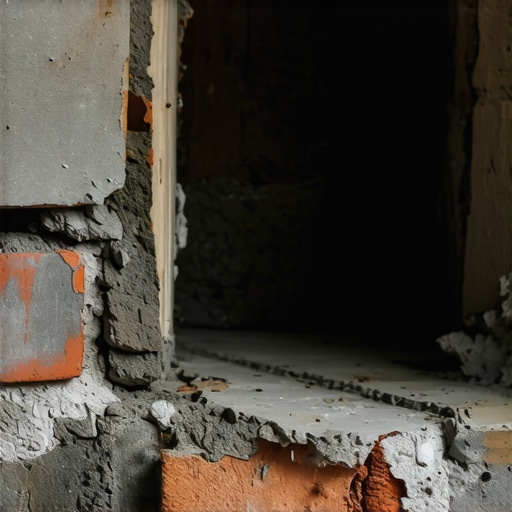
The first sign your chimney is screaming for help is the appearance of ‘whiskers’—the trade term for efflorescence—and the subsequent spalling of the brick faces. In northern climates, this is the byproduct of the freeze-thaw cycle. When water penetrates the brick, it sits in the pores. When that water freezes, it undergoes a phase change and expands by roughly 9 percent. This volume increase creates internal tensile stress that the clay cannot withstand. If you’ve used a high-performance mortar mix that is too hard for the brick, the brick becomes the sacrificial lamb. Instead of the mortar joint breathing, the brick face pops off. This is why historic brick salvage is so difficult; once that hard-fired outer skin is gone, the soft interior of the brick is exposed to the elements, leading to rapid disintegration. I’ve seen ‘lick-and-stick’ stone veneers fail in three seasons because the contractor didn’t understand the suction of a dry brick. They just slapped the mud on, and the brick sucked all the hydration out of the mortar before it could bond, creating a cold joint that is destined to fail.
2. The Guillotine: Chimney Cap Failure and Crown Decay
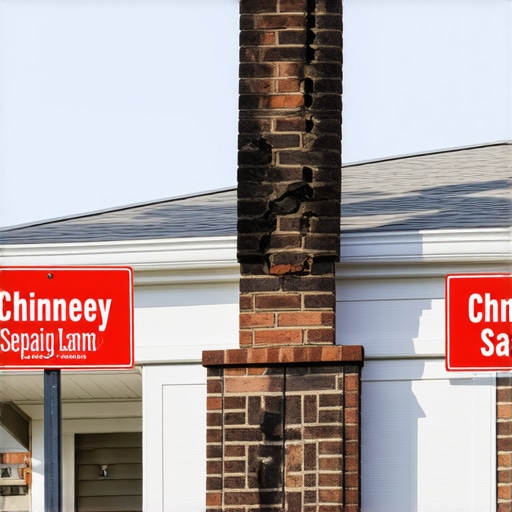
The chimney cap is the most underrated component of your home’s envelope. A proper chimney cap replacement isn’t just about aesthetics; it’s about water shedding. Most modern builders just smear a bit of mortar over the top of the chimney—a ‘wash’—and call it a day. But mortar is not waterproof. Within two years, that wash cracks. Water seeps into the flue and begins to rot the soldier course bricks from the inside out. In my forensic inspections, I often find that a failed cap has allowed water to travel all the way down to the foundation, necessitating a concrete block foundation repair in the basement. You might think the wet spot in your basement is a ground issue, but I can often trace it 30 feet up to a hairline crack in the chimney crown. We are now seeing the advent of AI masonry assessment, where we use drones and high-resolution thermal imaging to detect these thermal bridges where moisture is hiding. If you catch it early, you’re looking at a few hundred dollars in sealant; if you wait until 2026, you’re looking at a full rebuild from the roofline up.
3. The Stair-Step Warning: Foundation and Chimney Separation
If you see a diagonal crack following the mortar joints—a stair-step pattern—your chimney is detaching from the house. This is often caused by hydrostatic pressure or soil heaving. When the soil around your foundation becomes saturated, it exerts thousands of pounds of pressure against your walls. If your drainage is poor, the weight of the chimney (which is often on its own separate footing) will begin to pivot. This is where foundation crack repair becomes a surgical operation. You can’t just butter some mud into the crack and hope for the best. That’s a ‘handyman special’ that hides the symptom while the disease progresses. We use helical piers to stabilize the footing, sometimes integrating self-healing concrete foundations that contain bacteria-filled capsules which rupture and seal micro-cracks when moisture enters. This is the same logic we apply to retaining wall capstone replacement; if the top isn’t sealed, the entire structure is compromised by the freeze-thaw expansion occurring behind the wall.
“The mortar should always be weaker than the masonry units so that the mortar serves as a sacrificial element.” – ASTM C270 Standards
The Future of Masonry: From Mud to Tech
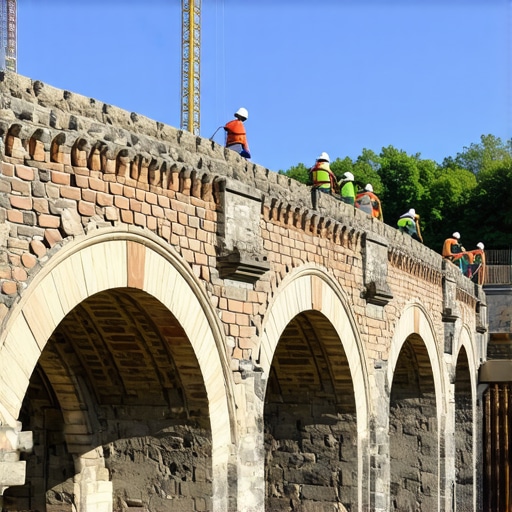
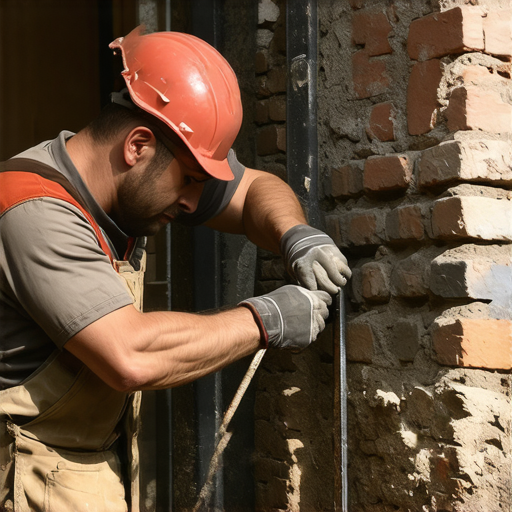
As we move toward 2026, the industry is shifting. We are seeing more mortarless masonry systems that allow for natural expansion and contraction without the brittle failure of traditional Portland-based mixes. I’ve spent my life with a hawk and trowel in hand, mixing ‘mud’ by feel, but even I recognize that the chemistry of high-performance mortar mixes is superior for modern, dense masonry units. However, for those of us working on historic homes, the ‘Old World’ rules still apply. You must respect the ‘tooth’ of the stone and the breathability of lime. If you use a slicker to strike a joint in a lime-based system, you are compacting the face and ensuring its longevity. Don’t fall for the scam of leftover material from a neighbor’s job. Masonry is a precise science of chemistry and physics. Whether you are replacing a soldier course or doing a full foundation overhaul, do it once, or you’ll be doing it twice at triple the cost. Your home is a legacy; don’t let a lack of drainage turn it into a pile of rubble. Inspect the crown, watch the cracks, and never trust a contractor who doesn’t know the difference between tuckpointing and repointing. One is cosmetic; the other is structural survival.
![3 Sustainable Block Cutting Tactics to Cut Project Waste [2026]](https://masonryrescue.com/wp-content/uploads/2026/02/3-Sustainable-Block-Cutting-Tactics-to-Cut-Project-Waste-2026.jpeg)
![Why Your 2026 Chimney Needs a Heat Shield [Safety Update]](https://masonryrescue.com/wp-content/uploads/2026/04/Why-Your-2026-Chimney-Needs-a-Heat-Shield-Safety-Update.jpeg)