3 Reasons Masonry Staining Beats Exterior Paint in 2026
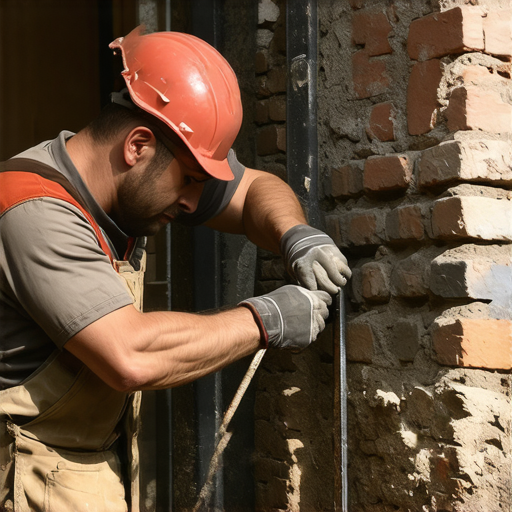
The homeowner thought it was just a hairline crack, a minor cosmetic annoyance on the south-facing gable of his 1920s Dutch Colonial. But when I put my borescope inside that fissure, the reality was a nightmare. The structural steel lintel was rusted to a crumbling red dust, and the brick itself had the consistency of wet oatmeal. The culprit wasn’t age. It wasn’t even a bad batch of clay. It was the three layers of ‘premium’ latex paint the previous owner had slapped on to ‘modernize’ the look. That paint had turned a breathing, living wall into a plastic-wrapped tomb. As a third-generation mason, I see this forensic scene once a week. People want the look of a new color without the work of a proper restoration, and in the process, they murder their masonry.
The Death of Breathability: Why Paint is a Masonry Killer
To understand why masonry staining is the only logical choice for 2026, you have to understand the physics of a single brick. A brick isn’t a solid, inert block; it is a network of microscopic capillaries. It breathes. When rain hits a wall, the brick absorbs some of that moisture. Under normal conditions, that moisture evaporates back out through the face of the brick. But when you apply a film-forming paint, you are sealing those pores.
“Water penetration is the single greatest threat to masonry durability, and the trapping of that water behind a non-breathable coating is the catalyst for rapid structural failure.” – BIA Technical Note 7
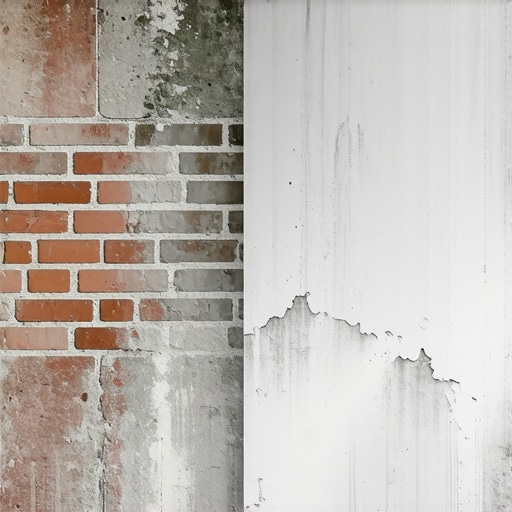
This trapped moisture leads to hydrostatic pressure. As the sun hits the wall, that water tries to turn into vapor. It has nowhere to go. It builds up behind the paint film until it literally pushes the face of the brick off in a process we call spalling. I’ve seen emergency masonry repair jobs where the entire front of a house had to be reclad because the paint caused the brick to delaminate.
1. Molecular Bonding vs. The ‘Band-Aid’ Film
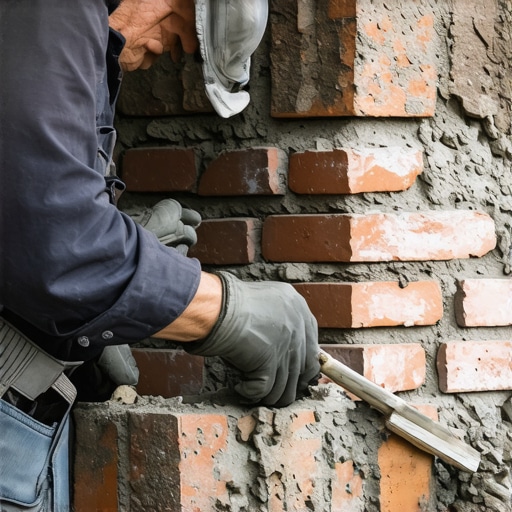
The first reason staining wins is the chemistry of the bond. Paint is a ‘film-former.’ It sits on top of the substrate, relying on a mechanical grip to the surface ‘tooth.’ Staining—specifically high-quality mineral or silicate stains—undergoes a chemical reaction with the masonry itself. We call it potassium silicate petrification. The stain doesn’t sit on the brick; it becomes the brick. When you ‘butter’ a joint with mortar or apply a stain, you want that material to integrate. A mineral stain penetrates the pores and bonds at a molecular level. This means it can never peel, flake, or blister. In the heat of a Texas summer or the freeze-thaw of a New York winter, the stain expands and contracts at the exact same rate as the masonry. There is no tension between the coating and the substrate. This is why sustainable masonry materials are moving toward mineral-based pigments rather than petroleum-based plastics.
2. The Freeze-Thaw War: Saving Your Foundation
In northern climates, the freeze-thaw cycle is the ultimate test of stone wall repair and brick integrity. Water expands roughly 9% when it freezes. If your brick is saturated because a layer of paint prevented it from drying out, that 9% expansion happens inside the pore structure of the clay. It’s like a thousand tiny sticks of dynamite going off inside your wall. By 2026, we’re seeing more erratic weather patterns, making this internal pressure even more dangerous. Staining allows for 100% vapor permeability. The moisture moves out, the brick stays dry, and the foundation remains stable. Furthermore, when we talk about retaining wall weep hole cleaning, we’re talking about the same principle: drainage. A painted retaining wall is a ticking time bomb because it traps moisture behind the wall, leading to a loss of retaining wall batter and eventual collapse. Staining ensures the wall can shed its internal water load without losing its finish.
3. Historic Integrity and the Art of the Joint
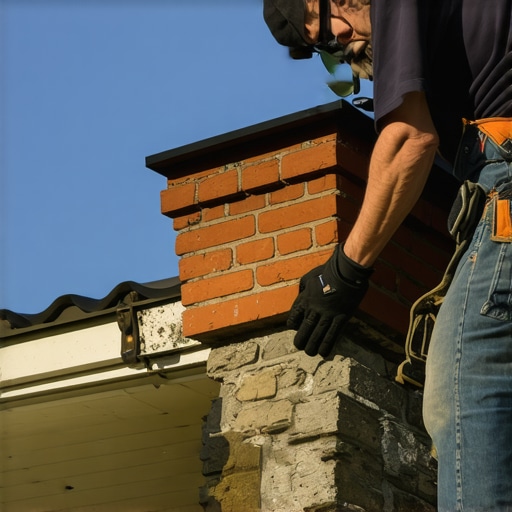
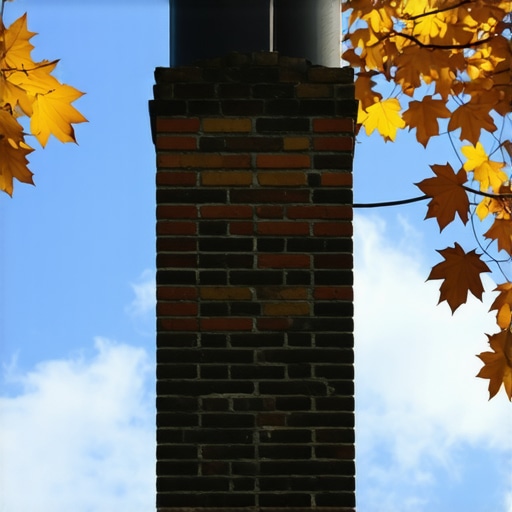
Modern ‘lick-and-stick’ veneers look cheap because they lack the depth of real masonry. Paint levels out the texture, filling in the historic pointing styles that give a building character. Staining preserves the ‘grit’ and the ‘suction’ of the original material. If you are performing structural repointing, you’re likely using a softer, lime-based mortar (Type O or N) to ensure the mortar is the sacrificial element, not the brick. Paint hides the health of these joints. A stain, however, allows you to see if your mortar is failing. I’ve started using drone chimney inspections to look for chimney heat shield installation issues, and it’s nearly impossible to diagnose a chimney’s health if it’s buried under five coats of peeling white paint. Staining maintains the translucency of the masonry, allowing the natural variegation of the stone or brick to shine through while providing a uniform color correction. It’s the difference between a cheap plastic mask and a high-end restoration.
“The use of vapor-impermeable coatings on exterior masonry is a primary cause of accelerated weathering; the masonry must remain breathable to ensure long-term structural performance.” – ASTM C1197
The Forensic Verdict
Whether you’re dealing with a soldier course over a window or a complex retaining wall batter correction, the goal is always the same: moisture management. Paint is an old-world solution to a problem that requires modern chemistry. In 2026, the ‘handyman special’ of painting brick is being exposed for what it is—a slow-motion demolition of the home’s exterior. If you want to change the color of your home, you don’t coat it; you stain it. You preserve the tooth, you allow the breathability, and you avoid the emergency masonry repair bill that comes three years after the paint starts to bubble. Don’t let a ‘slicker’ tool and a bucket of latex ruin a hundred years of craftsmanship. Do it once, do it right, and let the building breathe.