Why AI Masonry Assessment is the 2026 Standard for Safety
The Forensic Scene: When the Invisible Becomes Catastrophic
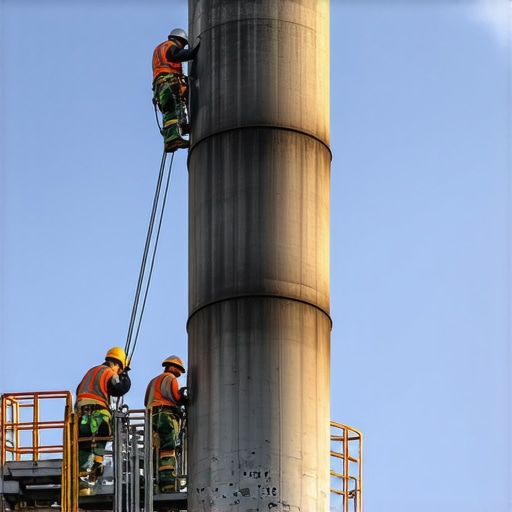
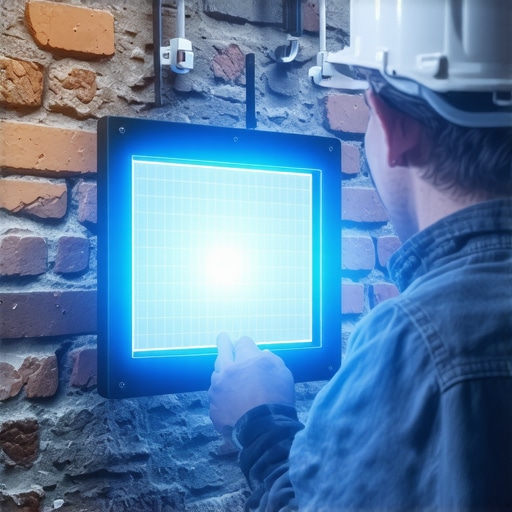
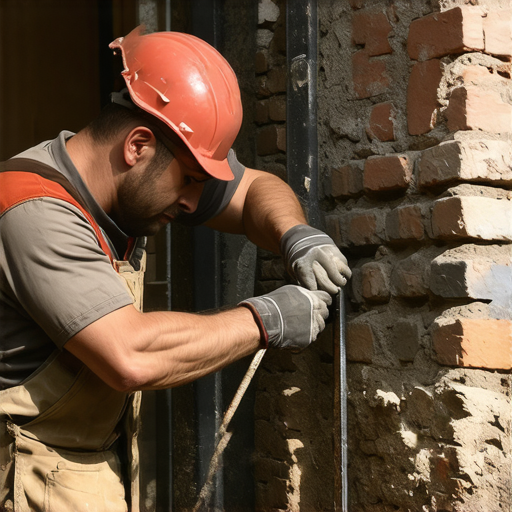
I was standing on a rusted swing stage fourteen stories above a bustling downtown sidewalk, looking at a limestone cornice that, from the ground, appeared perfectly intact. To the building owner, it was a minor maintenance item. But when I ran my thermal scanner over the stone and peered into a tiny fracture with a high-definition borescope, the reality was grim. The structural steel armature behind that stone was no longer steel; it was a bloated, flaky mass of iron oxide. What we call rust jacking had occurred—where the steel expands up to ten times its original volume as it corrodes, exerting thousands of pounds of internal pressure on the masonry. This wasn’t just a crack; it was a loaded spring ready to drop five hundred pounds of rock onto the pedestrians below. This is where AI masonry assessment is changing the game, turning the ‘guesswork’ of traditional inspections into a forensic science that catches failures before they hit the evening news.
The Molecular War: Why Mortar is Not Just ‘Mud’
To understand why modern buildings fail while the Pantheon stands, you have to look at the chemistry of the bind. In my forty years of buttering bricks, I have seen too many ‘professionals’ grab a bag of high-strength Portland cement for a 1920s restoration job. That is a death sentence for the wall. Historical bricks are soft and porous; they need to breathe. If you slap a Type S mortar—high in compression strength but low in permeability—onto a soft brick, the moisture gets trapped. When the freeze-thaw cycle hits, that water expands by 9%, and because the mortar won’t give, the face of your brick pops off in a process called spalling. This is why mortar repointing services must prioritize the ‘sacrificial’ nature of the joint. The mortar should always be slightly weaker and more permeable than the masonry units themselves.
“Mortar should be designed to be breathable, allowing for the evaporation of moisture from the wall system to prevent internal damage.” – BIA Technical Note 7
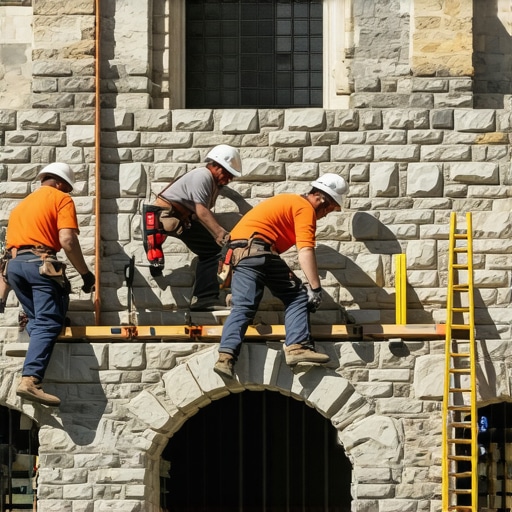
When we talk about tuckpointing cost estimation, we aren’t just looking at the square footage of the facade. We are looking at the depth of the rake-out. A hack will just ‘shmear’ new mud over the old, crumbly joints. A master mason grinds out the joint to a minimum of 3/4 of an inch, or until we hit sound material. We look for the tooth of the brick—the physical profile that allows the new mortar to mechanically lock into the old. AI tools now allow us to map the density of the existing mortar across an entire commercial parapet wall repair project, identifying exactly where the binder has leached out before we even set up the scaffolding.
The Physics of the Retaining Wall: Geogrids and Hydrostatic Pressure
A retaining wall is a dam that holds back earth instead of water, yet water is its primary enemy. I’ve seen $100,000 walls bow like a longbow because the installer ignored the angle of repose and the critical importance of retaining wall geogrid installation. Think of a geogrid as the internal skeleton of the soil. It’s a high-tenacity polymer mesh that creates a composite mass, locking the aggregate together through friction. Without it, the weight of the saturated soil pushes laterally with a force that no unreinforced wall can withstand. This is compounded by hydrostatic pressure. When it rains, the soil becomes a heavy slurry. If your retaining wall weep hole cleaning has been neglected, that water has nowhere to go. It builds up behind the wall until the structural integrity is compromised. We are now using AI-driven ground-penetrating radar to see exactly where water is pooling behind these structures, allowing for surgical interventions rather than total collapses.
The Foundation Underpinning: Battling the Soil’s Breath
When a homeowner calls me about a ‘stair-step’ crack in their basement, they are usually terrified. They should be. That crack is the building’s way of screaming that the soil beneath it is failing. Whether it is expansive clay that swells when wet or poorly compacted fill that is settling, foundation underpinning is the only permanent cure. We aren’t just pouring more concrete; we are driving helical piers down to the load-bearing strata—sometimes forty feet deep. The science of AI masonry assessment in 2026 now includes predictive soil modeling, which tells us how the hydration levels in the earth will shift over the next decade. This is critical for masonry water damage repair; if you don’t fix the soil, you are just painting over a sinking ship.
“Structural masonry requires a holistic understanding of the interaction between the masonry unit, the mortar, and the supporting subgrade.” – ASTM C270 Standards
Even aesthetic features like outdoor masonry fountain restoration require this forensic mindset. Fountains are notorious for efflorescence—that white, chalky salt that migrates to the surface. It’s not just ugly; it’s a sign of internal leaching. We use tuck pointing services specifically designed for submerged or high-moisture environments, utilizing hydraulic lime that actually gets harder the wetter it stays. The AI helps us analyze the mineral content of the water to customize the mortar mix, ensuring the restoration lasts another century rather than another season.
The 2026 Standard: Why We Can’t Go Back
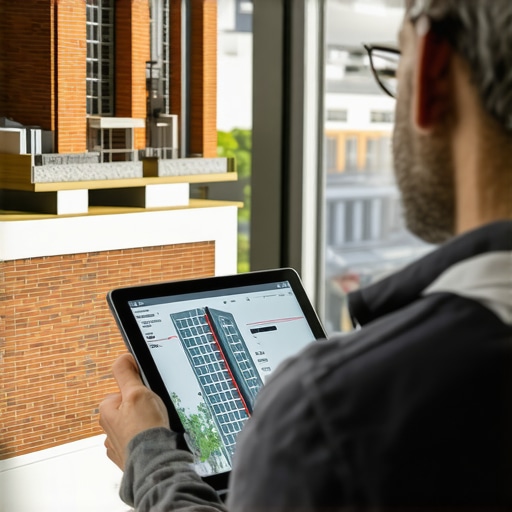
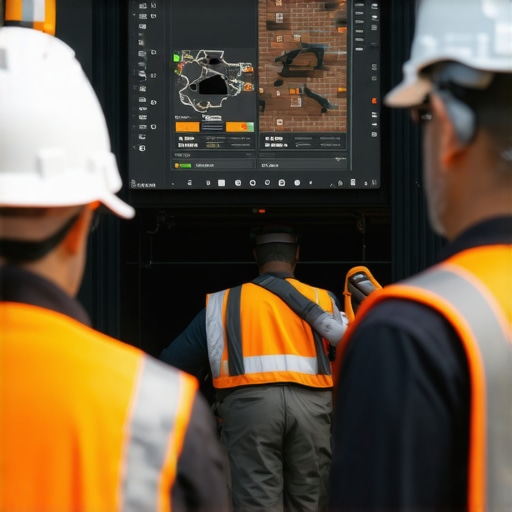
The era of ‘looks good from my house’ is over. Modern commercial parapet wall repair and structural maintenance now demand the precision of AI masonry assessment. We can now detect ‘cold joints’—where a new pour of concrete failed to bond with the old—using acoustic tomography. We can see the honeycombing inside a poured wall that indicates the aggregate wasn’t vibrated properly. As a third-generation mason, I don’t see this tech as a threat to my trowel; I see it as the ultimate slicker, a tool that lets me do my job with a level of certainty my grandfather could only dream of. Don’t settle for a handyman with a bucket of premix. Masonry is the bones of our world, and those bones deserve a specialist who understands the chemistry, the physics, and the future of structural safety.
![4 Signs Your Brick Ties Are Failing (And How to Fix Them) [2026]](https://masonryrescue.com/wp-content/uploads/2026/04/4-Signs-Your-Brick-Ties-Are-Failing-And-How-to-Fix-Them-2026.jpeg)