Trusted Foundation & Tuckpointing Services for Durable Masonry Results
Elevating Masonry Durability Through Precision Facade and Foundation Care
In the realm of structural integrity and aesthetic longevity, the integration of expert facade cleaning, meticulous foundation repair, and sophisticated masonry restoration techniques is paramount. Proactive maintenance strategies rooted in advanced understanding ensure properties withstand environmental stressors and temporal degradation. Analyzing the interplay between surface preservation and structural reinforcement reveals critical insights into sustainable masonry practices.
The Interdependence of Surface Preservation and Structural Stability
Facade cleaning transcends mere aesthetics; it acts as a primary defense against biological growth, pollutants, and weather-induced deterioration. Employing trusted facade cleaning strategies—such as low-pressure washing combined with chemical neutralizers—preserves the outer layer’s integrity, preventing surface moisture intrusion that can compromise underlying structural elements. Simultaneously, foundation stabilization via targeted repairs anchors the fortress of the building, mitigating issues like settling or cracking that can be exacerbated by compromised exteriors.
Innovations in Concrete Patch Technology That Transform Restoration
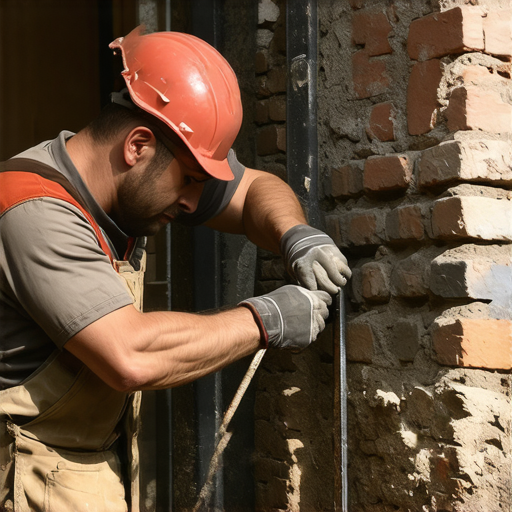
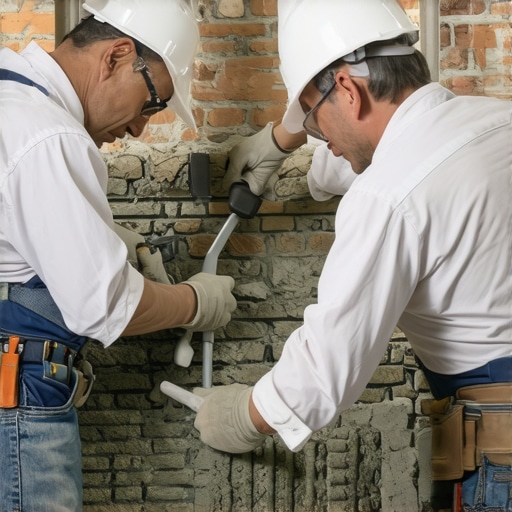
Modern concrete patch solutions leverage polymer-modified materials that enhance adhesion, flexibility, and longevity. These advanced compounds withstand cyclical temperature fluctuations and moisture ingress, thus extending repair durability. When integrated with precision tuckpointing—a process involving detailed joint repointing to improve both sealing capability and visual consistency—the result is a seamless, resilient masonry surface that resists future deterioration.
How Can Strategic Tuckpointing Elevate Long-Term Structural Health?
Strategic tuckpointing isn’t merely an aesthetic upgrade; it’s a technical safeguard preventing water intrusion and mortar failure. High-quality tuckpointing techniques involve selecting compatible mortar mixes and skillful application, ensuring that joints maintain flexibility and resistance to environmental stressors. Expert insights suggest that advanced tuckpointing should also address underlying structural issues, reinforcing the bond between masonry units and reducing the risk of cracking or spalling. For an in-depth approach, professionals should consider consulting specialized resources such as comprehensive masonry guides.
What Are the Critical Factors in Selecting the Optimal Tuckpointing Material for Varying Climates?
Addressing this question involves analyzing mortar’s thermal expansion properties, moisture permeability, and adherence under diverse environmental conditions. Consulting with experts ensures incorporation of materials tested for specific climate zones, such as freeze-thaw resistance in colder regions. Ongoing research emphasizes the importance of multi-component mortar formulations that adapt to evolving climate challenges, ultimately extending façade and structural longevity.
If you’re interested in refining your masonry maintenance protocols, consider exploring our expert-level content on property-value enhancement. Professional insights and strategic planning are crucial for long-term durability and aesthetic appeal.
Harnessing the Power of Regular Assessments to Prevent Costly Repairs
Implementing routine masonry inspections enables proactive identification of potential issues before they escalate. Skilled assessments can reveal subtle signs of mortar deterioration, cracking, or foundation shifts, allowing timely intervention. Regular evaluations are crucial for maintaining structural integrity, especially in regions experiencing severe weather fluctuations. Professionals often recommend comprehensive inspections at least annually, with more frequent checks following extreme weather events, to ensure ongoing durability.
Implementing Cutting-Edge Materials for Superior Protection and Aesthetics
Recent innovations in masonry repair incorporate hybrid materials that combine the best properties of traditional mortars and modern polymers. These advanced formulations offer enhanced adhesion, flexibility, and resistance to environmental stressors. For example, integrating polymer-modified mortar can significantly prolong the lifespan of repairs while preserving the aesthetic consistency of the facade. Employing such materials requires expertise to select the appropriate mix tailored to specific environmental conditions and masonry types, underscoring the importance of consulting trusted specialists.
Customizing Maintenance Plans for Unique Architectural Features
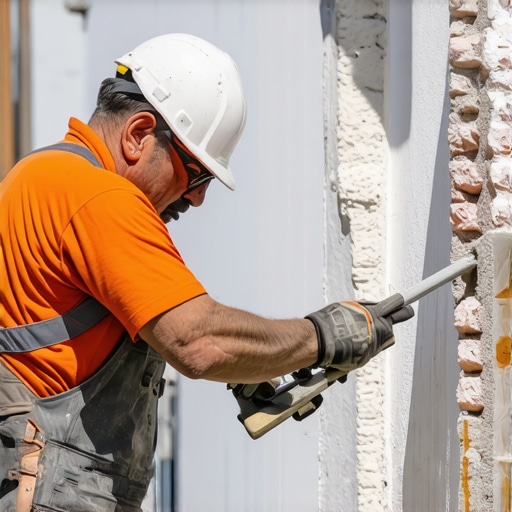
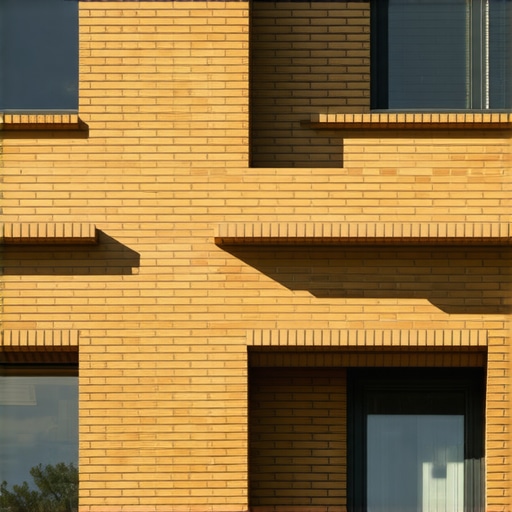
Unique architectural elements—such as intricate brick patterns, decorative corbels, or historic facades—demand personalized maintenance approaches. Addressing the intricacies of these features involves specialized tuckpointing techniques and delicate cleaning methods that maintain their historical and aesthetic value. Developing tailored maintenance protocols can prevent deterioration caused by neglect or improper repairs, thereby preserving architectural uniqueness over generations. For guidance on such tailored approaches, reviewing resources like comprehensive masonry guides can be invaluable.
How Can Integrating Modern Technology Elevate Masonry Restoration Outcomes?
Emerging technologies such as 3D laser scanning and structural health monitoring systems enable precise mapping of damages and real-time assessment of masonry health. These tools facilitate targeted repairs, minimizing unnecessary material use and labor costs. Moreover, integrating analytic software allows for predictive maintenance scheduling, extending the lifecycle of restorations. Experts suggest combining traditional craftsmanship with these innovative solutions to achieve optimal durability and aesthetic appeal, aligning with industry standards outlined at trusted masonry resources.
If you’re committed to elevating your masonry upkeep practices, explore our additional expert content on property value enhancement. Staying informed about emerging techniques empowers property owners to make strategic, long-lasting decisions.
Beyond the Basics: Integrating Smart Technologies for Long-Term Masonry Preservation
As masonry restoration evolves, embracing innovative tools becomes vital for assessing and maintaining structural health with greater precision. Smart sensors embedded within masonry units can monitor environmental stressors like humidity, temperature fluctuations, and movement, providing real-time data that preempt potential failures. Building upon initial assessments, these systems facilitate predictive maintenance, drastically reducing repair costs and downtime. Industry leaders such as Structural Health Tech exemplify this paradigm shift, offering scalable solutions that seamlessly integrate with existing maintenance workflows.
Why High-Performance Materials Matter in Extreme Climate Conditions
Selecting materials that withstand the rigors of diverse environments is crucial. For regions subjected to heavy freeze-thaw cycles, employing specialized mortar mixes infused with air-entraining agents can significantly enhance durability. Conversely, in arid or high-temperature zones, materials with superior thermal resilience and moisture barriers are essential. Incorporating **nanotechnology-enhanced compounds** offers promising avenues, enabling masonry components to resist crack propagation and biological degradation. To harness these advancements effectively, consulting material scientists like Dr. Laura Chen—whose research at the National Institute of Building Sciences underscores the benefits of nanoparticle-enhanced mortars—becomes invaluable.
What Are the Key Considerations When Customizing Masonry Repairs for Heritage Structures?
Preserving historical integrity while enforcing modern stability requires a delicate balance. Tailoring repairs involves meticulous analysis of original materials, construction techniques, and aesthetic details. Employing reversible interventions that use sympathetic materials ensures future restoration flexibility. Additionally, integrating digital documentation during repairs—such as 3D scans and detailed photographic records—provides a comprehensive restoration provenance, enhancing reliability for future interventions. Recognizing the importance of this approach, institutions like the Preservation Technology & Training Center advocate for interdisciplinary collaborations that marry conservation principles with advanced engineering solutions.
The Future of Masonry Restoration: Embracing Sustainable and Eco-Friendly Practices
Modern restoration no longer centers solely on durability and aesthetics; sustainability now guides material selection and techniques. Innovations include the development of recycled-content mortars made from crushed brick or glass, reducing environmental impact. Additionally, bio-based sealants utilizing nanocellulose demonstrate excellent permeability and resistance to biological growth. These eco-conscious options not only prolong the lifespan of masonry structures but also align with global efforts toward environmentally responsible construction. Industry leaders like GreenBuild suggest that adopting such materials can contribute significantly to LEED credits, positioning projects at the forefront of sustainable design.
Harnessing Data for Strategic Maintenance Scheduling and Cost Optimization
Implementing comprehensive data analytics transforms routine inspections into proactive, strategic initiatives. By analyzing historical repair data alongside sensor inputs, professionals can identify patterns predictive of deterioration timelines, enabling targeted interventions before visible damage manifests. Software solutions—integrating geographic information systems (GIS) and artificial intelligence—offer dynamic visualizations of structural health, optimizing resource allocation. For property managers aiming for cost-effective longevity, partnering with specialists who utilize such technologies, like Masonry Data Solutions, can substantially enhance maintenance planning and risk mitigation.
If elevating your masonry preservation strategy resonates with your goals, exploring these cutting-edge approaches through expert consultation is a decisive step toward enduring structural excellence. For personalized insights and tailored recommendations, don’t hesitate to connect with industry specialists committed to redefining masonry restoration standards.
Harnessing High-Tech Assessments for Superior Masonry Conservation
Enter the realm of sophisticated diagnostic tools, where laser scanning and acoustic emission testing revolutionize masonry evaluations. These technologies facilitate hyper-precise damage detection, enabling restorers to pinpoint vulnerabilities with minimal invasiveness. Structural health monitoring systems, equipped with embedded sensors, deliver continuous real-time data, empowering preservationists to anticipate deterioration before visual cues emerge. By integrating these cutting-edge methodologies, experts can craft maintenance plans that are not only reactive but proactively optimized for longevity and cost efficiency.
How Do Emerging Monitoring Technologies Transcend Traditional Inspection Methods?
Modern diagnostic devices surpass manual assessments by providing granular insights into internal stress distributions, moisture ingress levels, and microcrack propagation. For instance, drone-based thermal imaging identifies insulation anomalies, while embedded piezoelectric sensors detect early signs of mortar slackening. These innovations align with the latest industry standards outlined by the National Institute of Building Sciences, ensuring compliance and elevating best practices in masonry governance.
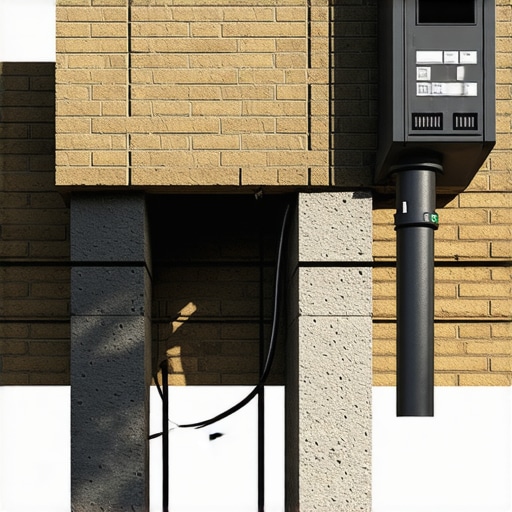
Nanotechnology and Eco-Friendly Materials Shaping Future Restoration
The integration of nanomaterials into masonry repair heralds a new epoch of durability and environmental responsibility. Nanoparticle-infused mortars offer unparalleled resistance to crack development, biological growth, and chemical degradation, extending service life while reducing the need for frequent intervention. Simultaneously, bio-based sealants derived from renewable sources provide breathable, non-toxic protective coatings. Incorporating these innovations necessitates expert consultation, as material compatibility and application techniques are critical to harnessing their full potential, ultimately supporting sustainable architecture.
What Impact Will Nanotechnology Have on Long-Term Masonry Integrity?
Research indicates that nanocomposite materials dramatically enhance resistance against freeze-thaw cycles, efflorescence, and pollutant absorption. Their capacity to fill microscopic voids reinforces the structural matrix without compromising breathability, thus preventing moisture-related deterioration. As the field advances, partnerships with material scientists—like Dr. Laura Chen—become essential to adapt laboratory innovations into practical, field-ready solutions, ensuring structures remain resilient amidst evolving environmental challenges.
If you are eager to incorporate these avant-garde techniques into your preservation projects, engaging with specialists experienced in nanotech-enhanced restorations is prudent. Their insights can elevate your masonry durability strategies, aligning them with the latest scientific breakthroughs.
Precision Techniques Are the Backbone of Lasting Masonry
Implementing meticulous tuckpointing, selecting advanced repair materials, and leveraging cutting-edge diagnostic tools empower professionals to significantly extend masonry lifespan. Mastery in these areas translates to reduced maintenance costs and preserved structural integrity over decades.
Expert Insight Spurs Innovation in Restoration Practices
Leading specialists continually refine methods, integrating nanotechnology, eco-friendly materials, and real-time monitoring systems. Staying abreast of these advancements ensures restorations not only endure but also adapt to environmental challenges dynamically.
The Value of Tailored Maintenance for Unique Architectural Features
Recognizing the distinct needs of intricate brickwork, decorative corbels, and historic facades guarantees preservation efforts are both effective and respectful of original craftsmanship. Customized approaches uphold aesthetic and historical authenticity while enhancing durability.
Harnessing Emerging Technologies for Superior Outcomes
From 3D laser scanning to embedded sensors, modern tools facilitate precise damage assessment and predictive maintenance. These innovations enable targeted interventions, conserve resources, and safeguard masonry investments proactively.
Resource Hub: Deepening Your Masonry Expertise
- National Institute of Building Sciences: Offers comprehensive guidelines on building diagnostics and repair techniques, guiding evidence-based decisions.
- Building Conservation Resources: Provides insights into heritage masonry preservation, balancing historical integrity with modern durability.
- Structural Monitoring Innovations: Showcases the latest in sensor technology for real-time structural health assessment, essential for forward-looking maintenance strategies.
Reflections on the Future of Masonry Care
Integrating precise craftsmanship, innovative materials, and smart technology positions masonry maintenance at the forefront of sustainable and resilient building practices. Embracing these practices guarantees that properties not only stand the test of time but also exemplify industry leadership.
Engage with expert insights or share your experiences—collective knowledge accelerates innovation and elevates standards across the masonry community. For tailored strategies and advanced resource connections, consult trusted industry specialists committed to advancing masonry durability.
![3 Foundation Underpinning Costs Homeowners Usually Forget [2026]](https://masonryrescue.com/wp-content/uploads/2026/03/3-Foundation-Underpinning-Costs-Homeowners-Usually-Forget-2026.jpeg)