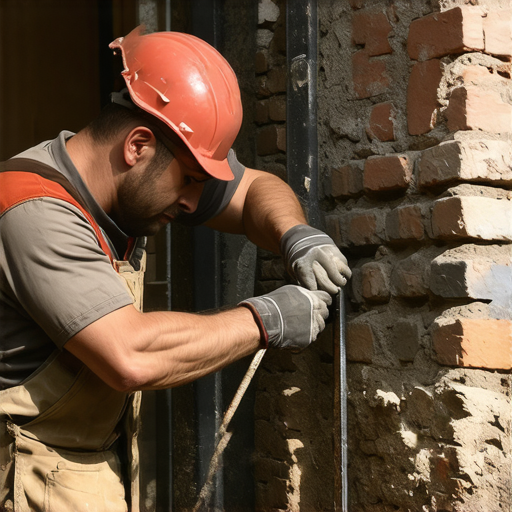
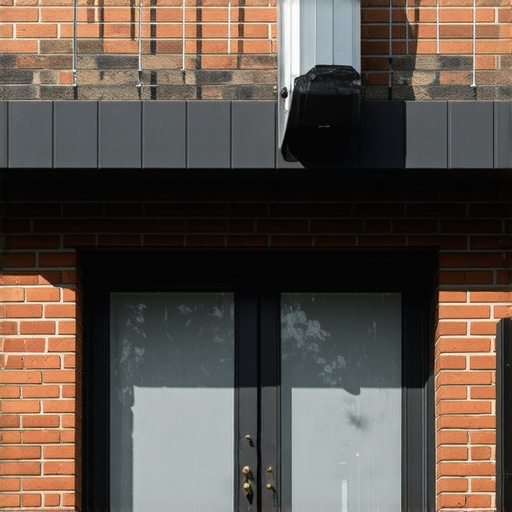
Ultimate Guide to Facade Cleaning & Tuckpointing for Lasting Curb Appeal
Unveiling the Complexity of Facade Preservation: An Expert-Level Perspective
Facade cleaning and tuckpointing are not mere cosmetic procedures; they are fundamental elements in the overarching strategy of structural integrity and aesthetic longevity. As professionals in masonry restoration and facade maintenance, understanding the nuanced interplay between environmental stressors, material science, and advanced repair techniques is essential for achieving durable, long-lasting results.
Advanced Material Compatibility and Surface Preparation Techniques
Optimal results hinge on meticulous surface preparation and the precise selection of cleaning agents and tuckpointing mortars. Modern masonry repair demands an understanding of the chemical composition of pollutants and their interactions with traditional and synthetic materials. For instance, consolidating the mortar joints with compatible, breathable repair mortars enhances durability, especially in climates with high moisture variability. For best practices, consult expert guidelines such as those outlined in trusted facade cleaning tips.
Strategies for Long-Term Preservation Against Environmental Degradation
Urban environments expose facades to pollutants, acid rain, and biological growth, accelerating deterioration. Implementing biocidal treatments and hydrophobic sealants after cleaning can significantly prolong the lifespan of masonry. Furthermore, integrating moisture management systems and ensuring proper drainage are critical. Regular inspections, combined with targeted repointing at the first signs of wear, mitigate the risk of structural failure. For comprehensive insights, see expert strategies on concrete patch and facade cleaning strategies.
What Are the Challenges in Balancing Aesthetic Restoration with Structural Integrity?
How do professionals ensure that aesthetic improvements do not compromise the structural integrity of historic facades?
This question underscores the importance of using non-invasive, reversible techniques that respect historical authenticity while reinforcing the structure. The integration of modern materials like epoxy consolidants with traditional lime-based mortars offers a balanced approach, preserving aesthetic integrity without sacrificing durability. Open debates in the field often revolve around material compatibility and the reversibility of restorative interventions, emphasizing the necessity for continuous research and field testing.
For those seeking to deepen their expertise, exploring authoritative sources such as the American Society of Civil Engineers publications can provide valuable insights into the structural considerations for facade preservation.
Explore our related articles on skilled facade cleaning and tuckpointing or contribute your professional insights to advance best practices in this specialized field.
Innovative Approaches to Masonry Repair: Blending Tradition with Technology
Modern masonry restoration demands a harmonious integration of time-tested techniques and cutting-edge innovations. Advanced materials like nano-engineered sealants and breathable repair mortars enable professionals to address complex issues such as moisture ingress and material incompatibility. These solutions not only enhance durability but also preserve the historical authenticity of structures. For example, utilizing expert concrete patching methods ensures that repairs match the original material properties, preventing future deterioration.
Leveraging Data-Driven Maintenance for Proactive Preservation
One of the most transformative shifts in masonry care involves adopting predictive analytics and sensor technology. By embedding moisture sensors and stress monitors within facades, inspectors can track real-time data to anticipate failures before visible signs emerge. This proactive approach reduces costly repairs and extends the lifespan of masonry elements. According to a study by the American Society of Civil Engineers, integrating smart technology in building maintenance significantly enhances structural resilience and operational efficiency.
What Are the Ethical Considerations in Restoring Historic Masonry Structures?How can professionals balance the need for structural reinforcement with the preservation of a site’s historical authenticity?
This question highlights the ongoing debate surrounding the use of invasive versus minimally invasive techniques. The guiding principle is to respect the original craftsmanship while ensuring safety and longevity. Reversible interventions, like the application of lime-based consolidants or compatible epoxies, allow for future modifications without damaging the historic fabric. Moreover, consulting with heritage conservation authorities and adhering to guidelines such as those from the International Council on Monuments and Sites (ICOMOS) ensures ethical standards are maintained.
To deepen your understanding, explore comprehensive frameworks on long-term masonry preservation strategies.
Interested in elevating your masonry skills? Share your experiences or ask questions in the comments below, or consider reviewing our guide on effective foundation restoration techniques.
Harnessing the Power of Nano-Engineered Sealants for Superior Masonry Defense
In the realm of facade preservation, nano-engineered sealants have emerged as a game-changer. These advanced materials, characterized by their ultra-fine particle size, penetrate deeply into porous masonry surfaces, creating a protective barrier against moisture ingress, pollutants, and biological growth. Unlike conventional sealants, nano-sealants exhibit enhanced durability and breathability, ensuring that moisture vapor can escape while liquid water is repelled.
Research published by the American Chemical Society highlights the molecular interactions that confer these properties, emphasizing their compatibility with historic materials when applied correctly. Implementing such sealants requires careful surface preparation and an understanding of the substrate’s porosity, but the long-term benefits significantly outweigh initial costs, especially for heritage buildings exposed to harsh environmental conditions.
Integrating Smart Technology for Predictive Masonry Maintenance
One of the most promising developments in masonry conservation involves embedding sensor networks within facades. These sensors monitor parameters such as moisture levels, temperature fluctuations, and stress distribution in real-time, providing invaluable data that allows for predictive maintenance. Such proactive measures can prevent catastrophic failures, reduce repair costs, and extend the lifespan of masonry elements.
According to a case study by the American Society of Civil Engineers, integrating IoT (Internet of Things) devices within historic structures has proven effective in maintaining structural health without invasive interventions. Implementing these systems requires interdisciplinary expertise, combining civil engineering, data analytics, and heritage conservation principles, to ensure that monitoring does not compromise the building’s authenticity.
What Are the Ethical Dilemmas in Modern Masonry Restoration?
How do professionals navigate the tension between technological innovation and the preservation of historical authenticity?
This question underscores a fundamental debate in heritage conservation. While modern materials and techniques offer unprecedented durability and efficiency, they can sometimes clash with the original fabric’s authenticity. Ethical practice necessitates a delicate balance—favoring reversible, minimally invasive interventions aligned with international standards such as those outlined by ICOMOS. For example, using lime-based consolidants that can be removed or re-treated if necessary respects historical integrity while providing necessary reinforcement.
Consulting with heritage specialists and adhering to rigorous documentation protocols ensures transparency and accountability. Ultimately, the goal is to enhance the structure’s longevity without eroding its cultural significance, a principle emphasized in the International Council on Monuments and Sites guidelines.
Exploring the Future: Synergizing Traditional Craftsmanship with Digital Fabrication
The convergence of traditional masonry craftsmanship and digital fabrication technologies like 3D printing opens new horizons for restoration. Customized mortar mixes, precisely formulated through computer-aided design, can be produced on-site, ensuring seamless integration with existing materials. This approach allows for highly localized repairs that match the original aesthetic and structural properties, reducing waste and optimizing resource use.
While still in experimental stages, pilot projects demonstrate that combining centuries-old techniques with modern digital tools can elevate restoration practices, making them more precise, sustainable, and respectful of heritage values. As this field matures, continuous collaboration between artisans, engineers, and technologists will be essential to realize its full potential.
For those eager to delve deeper into these innovations, exploring publications such as the Journal of Cultural Heritage Preservation can provide comprehensive insights into emerging trends and case studies. Engaging with ongoing research and professional networks will position practitioners at the forefront of masonry conservation evolution.
Revolutionizing Masonry Conservation: Integrating Cutting-Edge Technologies with Heritage Values
As the field of masonry restoration advances, professionals are increasingly leveraging innovative tools such as laser cleaning, 3D scanning, and AI-driven diagnostics to enhance precision and minimize invasiveness. Laser cleaning, for instance, offers a non-abrasive method to remove pollutants and biological growth, preserving the integrity of historic surfaces while reducing environmental impact. Complementarily, 3D laser scanning provides detailed topographical data, enabling meticulous planning and execution of repairs, ensuring that interventions are both aesthetically seamless and structurally sound.
How Can Digital Twin Technology Transform Long-Term Masonry Maintenance?
Digital twin technology creates dynamic, real-time virtual replicas of physical structures, facilitating predictive maintenance and scenario analysis. By integrating sensor data on moisture, temperature, and structural stress, conservationists can simulate various environmental conditions, anticipating deterioration pathways before they manifest visibly. This proactive approach not only extends the lifespan of masonry elements but also optimizes resource allocation, aligning with sustainable preservation goals. For comprehensive insights, consult the latest research from the American Society of Civil Engineers.
What Are the Ethical Considerations When Employing Modern Materials in Heritage Projects?
How do preservationists navigate the tension between using advanced materials and maintaining historical authenticity?
This complex issue demands adherence to ethical principles that prioritize reversibility and minimal intervention. The employment of modern materials, such as advanced polymers or nano-enhanced consolidants, must be rigorously evaluated for their long-term effects and compatibility with original substrates. Transparent documentation and collaboration with heritage authorities ensure that interventions respect the cultural narrative while providing durable solutions. For instance, the use of lime-based composites combined with innovative binders can offer a reversible, compatible alternative to synthetic materials, aligning with international conservation standards outlined by ICOMOS.
Engaging with these ethical considerations not only preserves the authenticity of the heritage but also fosters public trust and academic credibility. To deepen your expertise, explore guidelines from the Heritage Science Journal.
Harnessing the Potential of Biotechnological Applications for Sustainable Masonry Preservation
Emerging biotechnologies, such as bio-mortars and enzyme-based cleaning agents, offer sustainable alternatives to conventional chemical treatments. Bio-mortars, formulated with microbial communities, can self-heal cracks and regenerate deteriorated surfaces, significantly reducing maintenance costs. Similarly, enzyme-based cleaners target specific pollutants with high selectivity, minimizing damage to original materials and the environment. These innovations align with the global shift towards eco-friendly conservation practices, ensuring that heritage preservation contributes to broader sustainability goals. For detailed case studies, see publications from the Journal of Cultural Heritage.
Integrating Community Engagement and Digital Outreach in Masonry Preservation
Modern conservation strategies emphasize stakeholder participation, leveraging digital platforms and virtual reality to educate and involve the public. Interactive 3D models and virtual walkthroughs enable communities to experience restoration projects firsthand, fostering a sense of shared stewardship. This participatory approach enhances transparency, garners support, and enriches the cultural significance of preservation efforts. Furthermore, engaging local artisans and apprentices ensures the transmission of traditional skills, harmonizing innovation with craftsmanship. For best practices, review case studies from the Getty Conservation Institute.
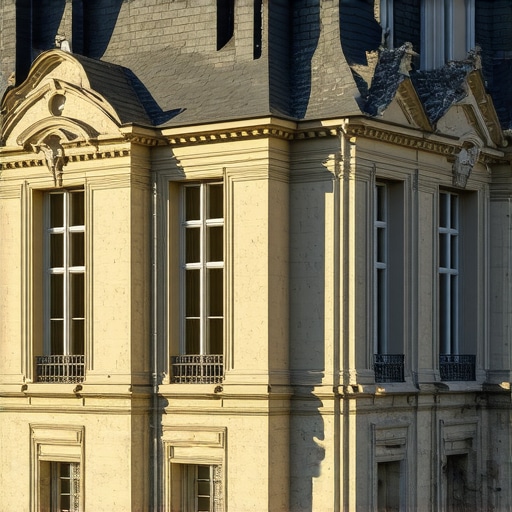
Expert Insights & Advanced Considerations
1. Prioritize Material Compatibility Over Aesthetics
In heritage masonry restoration, selecting repair materials that are fully compatible with existing substrates is paramount. Modern breathable mortars and consolidants prevent trapping moisture, thereby avoiding stress and deterioration. Experts recommend rigorous testing and adherence to international standards, ensuring longevity and historical authenticity.
2. Embrace Integrated Digital Technologies for Predictive Maintenance
Embedding IoT sensors and employing digital twins facilitate real-time monitoring of structural health. This proactive approach enables timely interventions, reducing costs and preserving structural integrity. Such integration is increasingly vital in complex urban environments prone to environmental stressors.
3. Adopt Sustainable and Reversible Conservation Techniques
Utilize bio-based and nano-engineered materials that offer reversibility and minimal invasiveness. These innovations align with global sustainability goals and respect the intrinsic value of historic structures. Continuous research and collaboration with conservation authorities ensure best practices are maintained.
4. Leverage Community Engagement and Digital Outreach
Utilize virtual reality and 3D modeling to educate stakeholders and foster shared responsibility. Engaging local artisans in digital platforms helps preserve craftsmanship while integrating traditional skills with modern techniques, ensuring a comprehensive preservation approach.
Curated Expert Resources
- ICOMOS Guidelines: Offers internationally recognized standards on heritage conservation, emphasizing reversibility and minimal intervention.
- American Society of Civil Engineers (ASCE): Provides cutting-edge research on structural health monitoring and innovative repair techniques applicable in masonry restoration.
- Heritage Science Journal: Publishes detailed studies on emerging materials, analytical methods, and case studies in heritage preservation.
- Getty Conservation Institute: Offers best practices, case studies, and training resources for masonry and facade restoration projects.
Final Expert Perspective
Mastering the art of masonry preservation today requires a nuanced balance of advanced materials, cutting-edge technology, and deep respect for historical authenticity. Integrating expert insights with authoritative resources ensures that preservation efforts are both innovative and ethically sound. For professionals committed to excellence, continuous learning and adaptation are essential—embracing sustainable, reversible techniques while leveraging data-driven diagnostics will shape the future of masonry restoration. We invite you to deepen your engagement with these strategies, share your insights, or explore further resources to elevate your expertise in this vital field.
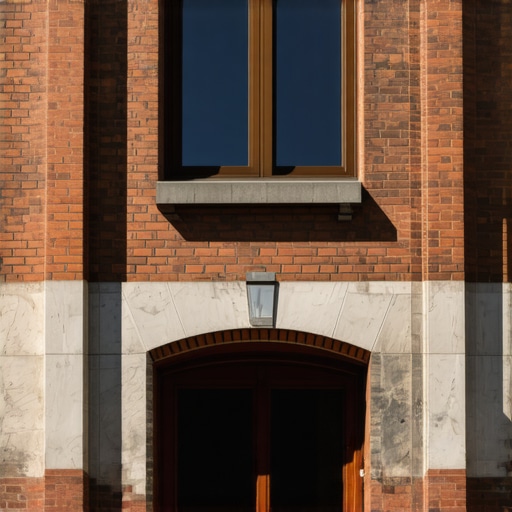

This article offers a comprehensive overview of the complexities involved in facade preservation, especially highlighting the importance of material compatibility and advanced repair techniques. I particularly appreciate the emphasis on reversible interventions, which are crucial in maintaining the historic integrity of structures while reinforcing their durability. In my experience working on heritage buildings, integrating modern moisture management systems with traditional materials can be challenging but ultimately rewarding, as it extends the lifespan without compromising authenticity.
One question that comes to mind is how practitioners balance the use of highly innovative, possibly invasive technologies with the need for minimal intervention, especially in delicate historic sites. Has anyone found effective methods or guidelines for integrating digital and technological tools without risking damage to the asset? It seems that a collaborative, interdisciplinary approach is essential to navigate these ethical and technical challenges effectively.