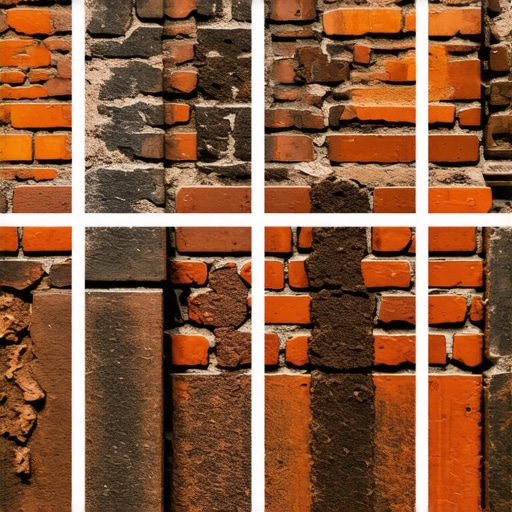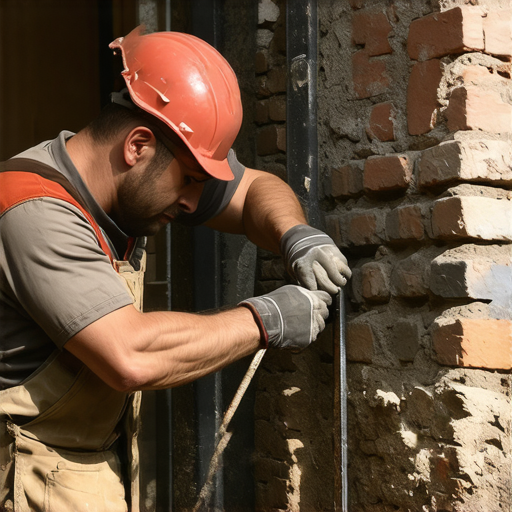
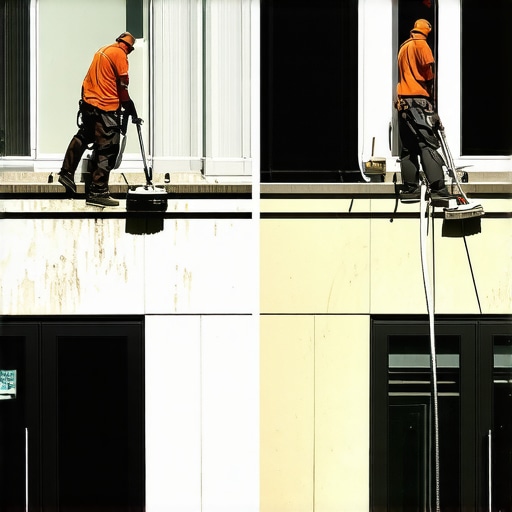
Facade Cleaning & Restoration: Expert Tips to Boost Property Curb Appeal
Revolutionizing Masonry Restoration and Property Preservation Through Expert Techniques
In the realm of property maintenance and structural integrity, the integration of sophisticated methods such as precision tuckpointing, meticulous facade cleaning, resilient foundation repair, and durable concrete patching plays a pivotal role in extending the lifespan of masonry structures. As industry experts, understanding the nuanced interplay of these elements enables property managers, renovators, and structural engineers to elevate their restoration projects, ensuring stability, aesthetic appeal, and long-term value.
How Does Strategic Tuckpointing Enhance Masonry Durability?
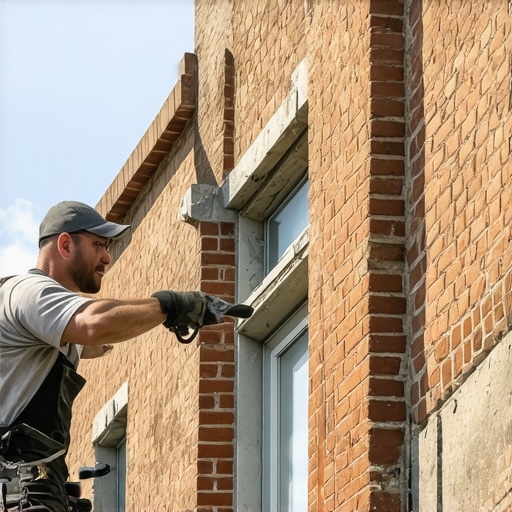
Tuckpointing transcends basic mortar repair; it’s a specialized skill that addresses the deterioration of mortar joints, which are vital for load distribution and moisture resistance. Advanced techniques involve precise color matching and application methods that prevent water infiltration, mitigating internal spalling or structural weakening. Market-leading practices, such as those discussed in expert tuckpointing guides, demonstrate how integrating high-quality materials and expert craftsmanship substantially prolongs masonry lifespan.
Optimizing Facade Cleaning for Preservation and Aesthetic Enhancement
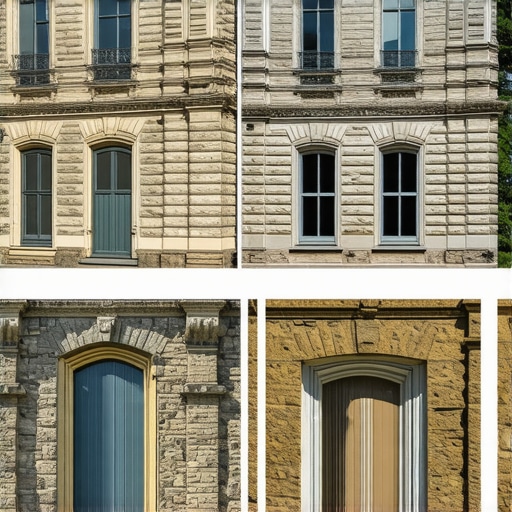
Facade cleaning is not merely cosmetic; it’s a preservation process that shields masonry substrates from environmental contaminants. Professional-grade cleaning employs methods that balance efficacy with surface integrity, such as low-pressure washing combined with biodegradable, pH-neutral solutions. This approach preserves delicate materials like limestone or sandstone, preventing erosion. Whitepapers from industry journals emphasize that well-executed cleaning routines can restore up to 95% of original surface properties, significantly reducing the need for costly repairs later.
Foundational Insights: Advanced Repair Methods for Long-Lasting Stability
Foundations form the backbone of structural integrity. Modern repair techniques—embracing underpinning, micro-piling, and epoxy injections—offer targeted solutions that restore load-bearing capacity while minimizing surface disruption. Insightful analyses in foundation repair research indicate that early intervention using innovative materials can prevent progressive settlement or cracking, averting extensive remodeling costs.
Concrete Patching That Stands the Test of Time
Durable concrete patching requires meticulous surface preparation and the selection of high-performance repair compounds. The use of fiber-reinforced, polymer-modified mortars enhances adhesion and flexibility, accommodating structural movements without failure. Field studies reveal that such solutions, when applied correctly, outperform traditional patches in resistance to freeze-thaw cycles and chemical erosion, ensuring longevity. Refer to concrete patching procedures for detailed methodologies.
What Innovations Can Further Elevate Masonry Restoration Efficiency?
Emerging technologies like laser cleaning, robotic mortar removal, and nanomaterial-infused repair compounds are reshaping traditional practices. Integrating these advancements requires a nuanced understanding of material science and project-specific considerations. For instance, the adoption of nanotechnology in facade coatings can significantly reduce maintenance frequency, thus enhancing cost-effectiveness over time.
Engaging with comprehensive, expert-led content and contributing your own insights can foster industry advancement. Explore further at the ultimate facade restoration guide.
Leveraging Technology to Transform Masonry Maintenance
As the field of masonry restoration evolves, integrating cutting-edge technologies is paramount for achieving superior durability and efficiency. Tools such as electric ultrasonic crack detectors enable precise identification of internal fissures, guiding targeted repairs and preventing unexpected failures. Similarly, laser cleaning systems offer a chemical-free, environmentally friendly alternative to traditional methods, effectively removing stubborn stains and biological growth without damaging delicate surfaces. Staying ahead with these innovations, as discussed in industry-leading resources like expert foundation concrete patch techniques, ensures longevity and minimizes disruptions during repair projects.
Eco-Friendly Solutions for Sustainable Masonry Restoration
Sustainable practices are transforming how professionals approach masonry repairs. The adoption of low-VOC (Volatile Organic Compounds) mortars, bio-based sealers, and environmentally safe cleaning agents reduces the ecological footprint of restoration projects. Furthermore, integrating recycled aggregates into concrete patches not only conserves resources but also enhances their resistance to environmental degradation. These eco-conscious choices align with global sustainability goals and resonate with clients seeking green building certifications, such as LEED. To achieve this, consult detailed guides like effective concrete patch and facade cleaning tips.
Driving Long-Term Durability Through Material Science
Advancements in material science are revolutionizing masonry repair techniques. The development of self-healing concretes, embedded with microcapsules containing healing agents, allows minor cracks to autonomously seal, significantly extending service life. Moreover, nanomaterial-enhanced coatings provide high resistance against moisture ingress, UV radiation, and chemical attacks, further fortifying structures. These innovations challenge conventional wisdom, prompting a reevaluation of repair timelines and maintenance schedules. Experts also emphasize the importance of selecting compatible materials to prevent issues like delamination or microcracking, as highlighted in trusted tuckpointing and foundation restoration insights.
Can Future Materials Replace Traditional Masonry Components?
Emerging synthetic composites and bio-inspired materials hold the potential to surpass traditional masonry components in strength, flexibility, and longevity. Could these innovations eventually render older techniques obsolete, or will they serve as complementary solutions? Experts suggest that a hybrid approach combining time-tested methods with novel materials often yields the best results, especially in complex restoration scenarios. As research continues, staying informed through reputable sources can help professionals make forward-looking decisions, such as exploring strategies outlined at innovative foundation repair methods. To contribute to industry progress, sharing your experiences and insights in professional forums encourages collective advancement.
Embracing Self-Healing and Nanotech Innovations for Structural Longevity
In the relentless pursuit of durability and reduced maintenance costs, the incorporation of self-healing concretes and nanomaterials into masonry restoration represents a paradigm shift. Self-healing concrete, embedded with microcapsules containing healing agents such as calcium alginate gel or epoxy resins, autonomously seals minor cracks when they occur, effectively preventing water ingress and corrosion of reinforcement bars. Allied with nanotechnology-infused surface coatings—like nanoparticle-enhanced sealers—these advances elevate resistance against environmental assaults, including chlorides, sulfates, and UV radiation. An authoritative study in Construction Materials Science illustrates how these materials can extend structural service life by up to five times compared to traditional options, fundamentally redefining maintenance schedules and cost estimations.
How Does Nano-Engineering Transform Masonry: A Nuanced Perspective?
Nano-engineering introduces an intricate level of control over material properties, enabling the development of ultra-repellent, anti-icing, and highly adhesive repair compounds. For example, nano-sized silica particles enhance the density and impermeability of restoration mortars, drastically reducing porosity. This modification translates into superior resistance to freeze-thaw cycles and chemical erosion, critical factors in harsh climates. Moreover, nano-coatings can impart self-cleaning capabilities, utilizing photocatalytic reactions activated by sunlight to degrade organic contaminants, offering a sustainable approach to facade upkeep. The integration of these technologies necessitates a deep understanding of surface chemistry and material interactions, as detailed in the latest issue of Journal of Nanotechnology in Construction.
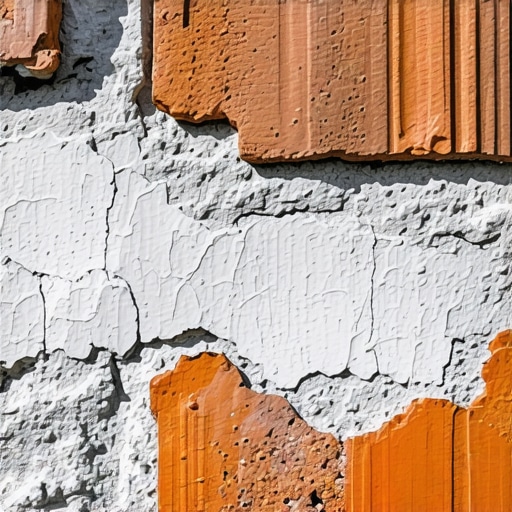
Strategic Implementation of High-Tech Materials in Restoration Projects
Implementing these cutting-edge materials requires meticulous planning, from laboratory testing to on-site application. The procurement process should prioritize suppliers with proven track records in nanomaterial manufacturing, ensuring consistency and compliance with industry standards such as ASTM C979 for consolidants and protective treatments. Additionally, the adaptation of existing repair protocols is essential; for instance, surface preparation must accommodate nano-coating application, often demanding ultra-clean, moisture-controlled environments. Collaborating with material scientists and engineers during project conception enables the customization of formulations suited to specific substrate compositions and environmental conditions, ultimately securing superior performance and longevity.
Are Emerging Sustainable Materials Shaping the Future of Eco-Conscious Restoration?
Yes, the convergence of sustainability and technological innovation drives the development of eco-friendly masonry repair materials. Recycled aggregates, bio-based sealers, and low-impact curing agents are increasingly prevalent, reducing the ecological footprint without sacrificing durability. For example, research into bio-based epoxy substitutes suggests comparable strength and flexibility metrics while significantly lowering VOC emissions. The adoption of such materials aligns with LEED certification requirements and meets the rising client demand for green building practices. Future breakthroughs may include bio-autonomous repair agents that harness microbial processes to regenerate damaged mortar or grout, opening new horizons for self-sustaining infrastructure systems. To explore these emerging solutions, professionals should engage with industry-leading forums and ongoing research collaborations, shaping the evolution of sustainable masonry restoration.
Unveiling the Future of Masonry Repair with Nano-Engineering
Recent breakthroughs in nanotechnology have catalyzed a transformative shift in masonry restoration methodologies, enabling practitioners to enhance durability, resistance, and longevity of structural elements. The integration of nano-scaled materials, such as nanoparticle-infused sealers and self-healing concretes, introduces a new level of precision and efficacy, fundamentally altering traditional repair paradigms. These innovations facilitate micro-level control over surface interactions, providing superior impermeability and corrosion resistance, critical in harsh climatic conditions. As detailed in the Journal of Construction Materials Science, the application of nano-augmented composites results in a substantial extension of structural service life, while reducing maintenance frequency and costs.
How Does Nanotechnology Enable Eco-Conscious Masonry Enhancements?
Eco-friendly considerations have become central to contemporary restoration practices, with nanomaterials playing a pivotal role in aligning performance with sustainability goals. Nano-coatings with photocatalytic properties, for example, actively degrade organic pollutants and biological growth on facades, diminishing the need for chemical-heavy cleaning agents. Furthermore, the development of bio-compatible, nanostructured mortars incorporating recycled aggregates and low-VOC binders exemplifies the synergy between durability and environmental responsibility. Such materials promote microstructural resilience, resist chemical degradation, and contribute to LEED certification objectives, fostering industry-wide shifts towards greener practices.
Can Smart Materials Replace Conventional Masonry Components?
Innovative smart materials—capable of adaptive responses to environmental stresses—are poised to surpass traditional components in performance and sustainability. Shape-memory alloys embedded within structural elements enable real-time deformation adjustments, correcting structural shifts caused by settlement or thermal fluctuation. Similarly, self-healing bio-based mortars, activated by microcracks, autonomously restore integrity, mitigating the propagation of damage. These advancements pose critical questions regarding integration strategies, cost implications, and long-term reliability. Industry leaders emphasize that a hybrid approach—melding time-tested techniques with emerging smart materials—yields optimal resilience, enabling structures to withstand escalating environmental challenges.
Incorporating Data-Driven Techniques for Precision Restoration
The advent of sensor technologies, including ultrasonic crack detectors and embedded IoT devices, facilitates a data-informed approach to masonry repair. Continuous structural health monitoring allows for predictive maintenance, identifying microcracks or moisture ingress before they evolve into critical failures. Coupled with AI-powered analytics, these systems optimize repair schedules, material selections, and intervention timing, ultimately safeguarding asset value. As articulated in the American Society of Civil Engineers’ publications, integrating such technologies elevates traditional masonry practices into proactive, resilient frameworks.
Engage with Cutting-Edge Expertise to Revolutionize Your Projects
Staying abreast of these innovations empowers industry professionals to pioneer sustainable and durable restoration solutions. Whether it’s adopting nanocoatings to extend service life or leveraging sensor data for proactive maintenance, embracing technology-driven methodologies translates into substantial long-term benefits. To deepen your understanding and lead industry advancement, explore specialized publications, attend leading conferences, and connect with research institutions dedicated to masonry science and engineering.
Expert Insights & Advanced Considerations
Adaptive Material Innovations Are Reshaping Masonry Longevity
Incorporating smart materials such as self-healing concretes and nanocoatings allows restorers to anticipate and mitigate deterioration proactively, significantly extending service life and reducing maintenance costs.
Environmental Sustainability Is No Longer Optional
Eco-conscious practices, including the use of recycled aggregates and bio-based sealers, are becoming industry standards, aligning structural integrity with planetary health.
Data-Driven Monitoring Elevates Maintenance Precision
Embedding sensors and utilizing AI analytics enable real-time structural health assessments, transforming reactive repairs into strategic, predictive interventions.
Hybrid Approaches Yield Superior Results
Blending traditional craftsmanship with modern nanotechnology and sustainable materials provides resilient, long-lasting masonry solutions tailored to complex environments.
Innovation Demands Expert Collaboration
Engaging with material scientists and technical specialists ensures optimal application of emerging techniques, maximizing project durability and success.
Curated Expert Resources
- Advanced Materials in Masonry Rehabilitation: Offers comprehensive insights into nanomaterials and self-healing concretes, essential for future-proofing restoration efforts.
- Sustainable Construction Practices: Provides guidelines on environmentally friendly materials and methods, fostering eco-responsible masonry projects.
- Structural Health Monitoring Technologies: Highlights sensor and AI systems for ongoing structural assessment, vital for proactive maintenance planning.
- Nanotechnology in Building Materials: Delves into scientific developments that enhance durability, resistance, and application techniques in masonry repair.
- Innovative Masonry Repair Case Studies: Showcases real-world applications of emerging technologies, demonstrating practical benefits and challenges.
The Power of Innovation in Masonry Repair
Emerging materials and technological advancements are transforming masonry restoration from reactive fix-ups to strategic, durable solutions. Embracing these innovations, supported by expert resources, empowers professionals to elevate standards, ensuring structures withstand environmental and aging stresses with resilience. Engage actively with the latest research, share insights within your network, and lead the industry towards a smarter, more sustainable future in masonry preservation.