Effective Concrete Patch & Foundation Repair Tips for Lasting Stability
Establishing a Foundation of Trust: The Critical Role of Quality Repairs in Structural Integrity
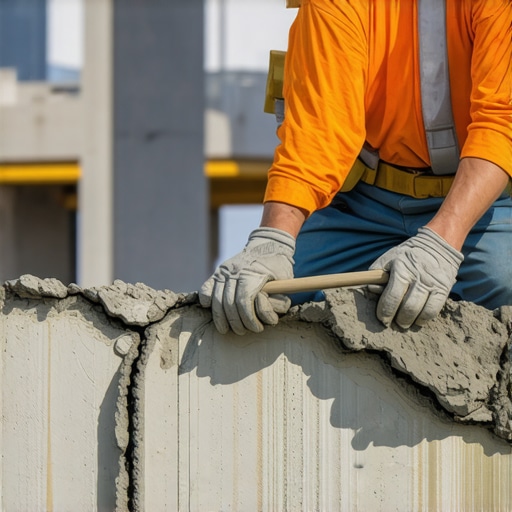
In the realm of masonry and structural engineering, the longevity of a building hinges on meticulous foundation repair and concrete patching strategies. As an industry veteran, I recognize that each project demands not only precision but a deep understanding of material behavior and environmental interactions. The importance of selecting the appropriate repair techniques can’t be overstated, especially when addressing issues such as cracking, settling, or moisture intrusion, which threaten long-term stability.
Innovative Material Selection: Elevating Repair Durability and Compatibility
One of the nuanced decisions in foundation restoration involves choosing the right materials. Modern repair mortars and epoxy resins are engineered for compatibility with existing concrete, ensuring seamless integration. For instance, high-performance polymer-modified mortars offer enhanced adhesion, flexibility, and resistance to freeze-thaw cycles. Incorporating these materials can significantly extend the lifespan of repairs, reducing future maintenance needs and preserving structural integrity.
Advanced Techniques for Concrete Patch Application: From Surface Prep to Finishing
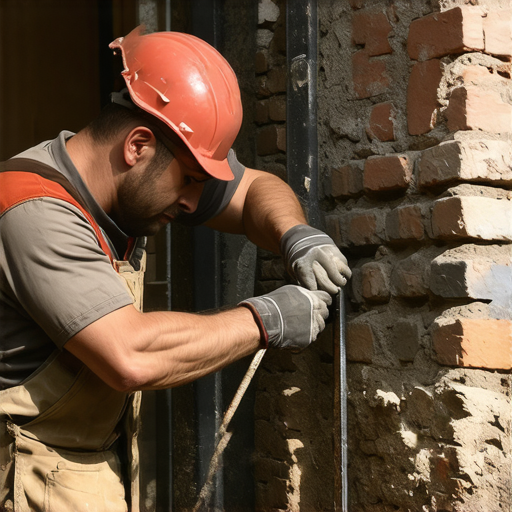
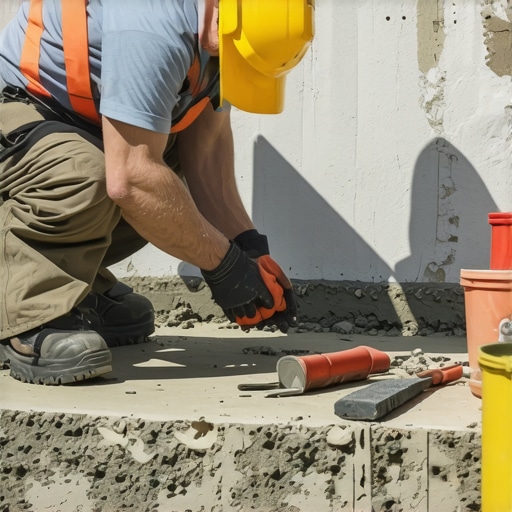
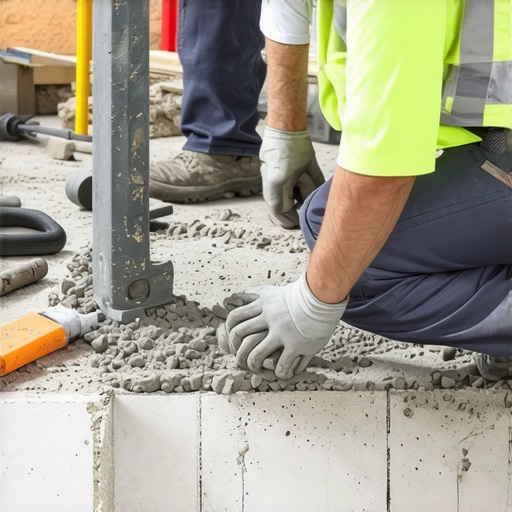
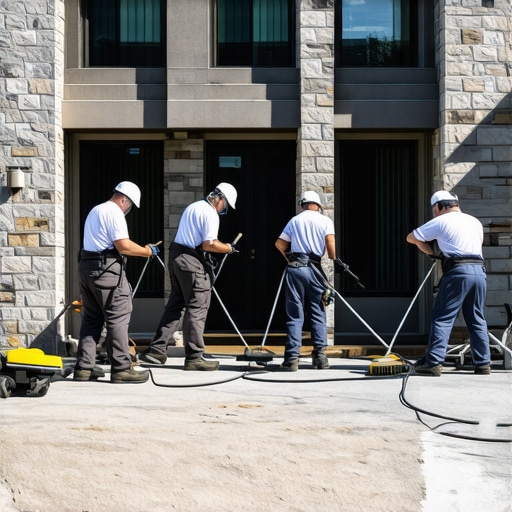
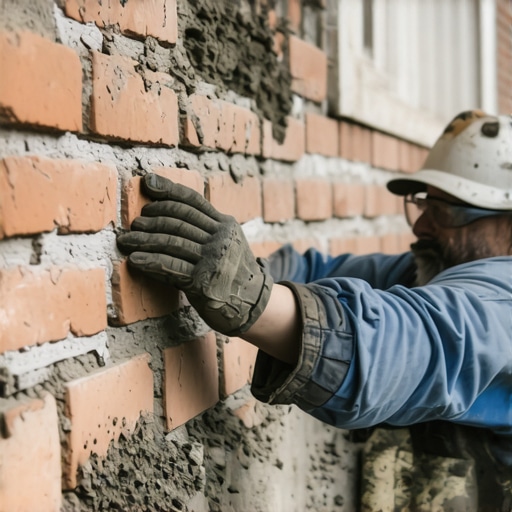
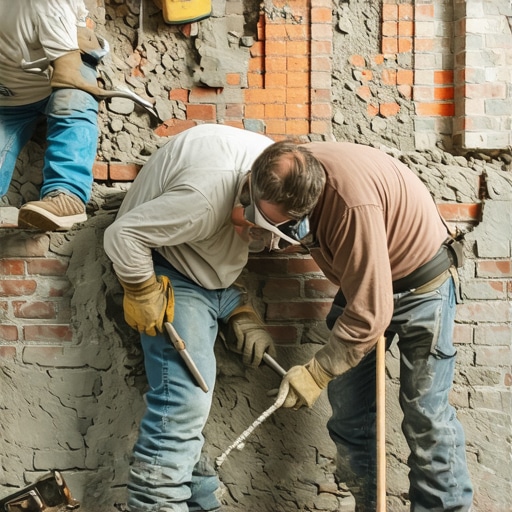
Optimizing the application process begins with thorough surface preparation—removing loose debris, cleaning with high-pressure water, and etching the substrate to improve bond strength. Precision in mixing ratios, temperature control, and curing conditions influences the durability of the patch. Techniques such as controlled troweling and moist curing prevent early cracking and ensure a monolithic repair that withstands dynamic loads over decades.
Addressing Subsurface Challenges: The Hidden Factors Threatening Long-Term Stability
Beyond visible cracks, subsurface issues like soil erosion, expansive clay, or poor drainage can undermine foundation repairs. A comprehensive site assessment, including soil testing and hydrogeological analysis, informs targeted solutions such as underpinning or drainage improvements. Recognizing these hidden factors aligns repair strategies with the complex realities of geotechnical conditions, fostering resilient structures that resist future failure.
How Do We Balance Cost-Efficiency with Long-Term Durability in Foundation Repairs?
This question often sparks debate among professionals. While budget constraints are real, sacrificing quality for short-term savings can lead to costly rework and compromised safety. A balanced approach involves leveraging high-quality materials and proven techniques while planning phased repairs or preventative measures. Investing in durable repairs today ensures future stability, ultimately reducing lifecycle costs and safeguarding property value.
What Are the Latest Developments in Concrete Patch Technologies for Superior Longevity?
Recent innovations include self-healing concretes embedded with microcapsules that release repair agents upon cracking, and nanotechnology-enhanced mortars that improve density and resistance. These advancements enable repairs that adapt to environmental stresses, significantly extending service life. Staying abreast of such developments is essential for professionals committed to excellence in foundation restoration.
For further insights, consult authoritative sources like the American Concrete Institute, which provides extensive research on durable repair materials (ACI Resources).
To elevate your projects, consider exploring our comprehensive guide on best concrete patch and foundation restoration tips. Share your expertise and experiences to contribute to the collective knowledge pool, fostering innovations that push the boundaries of masonry durability.
Embracing Modern Repair Technologies to Enhance Site Longevity
As the masonry and foundation repair industry evolves, integrating cutting-edge materials and techniques becomes essential for ensuring long-term stability. Innovations such as fiber-reinforced overlays and epoxy injections now offer superior bonding and durability, especially when addressing complex cracks or compromised surfaces. These materials are formulated to withstand environmental stressors, including freeze-thaw cycles and chemical exposure, which traditionally accelerate deterioration.
For example, fiber-reinforced polymer (FRP) systems can be applied to retrofit existing structures, providing additional tensile strength without significant structural alterations. Their lightweight nature and high resistance to corrosion make them ideal for long-lasting repairs. To maximize the benefits, professionals should consider proper surface preparation and compatibility with existing materials, aligning with guidelines outlined in industry standards. Explore our detailed advice on expert techniques for durable concrete patching.
Can Smart Materials Revolutionize Foundation Maintenance?
Smart materials, such as self-healing concretes embedded with microcapsules, are transforming the repair landscape. These concretes contain healing agents that activate when cracks form, sealing fissures before they expand. This technology not only reduces maintenance costs but also extends the lifespan of repairs by actively responding to stress and environmental changes. Nanotechnology-enhanced mortars further contribute by improving density and resistance, making them ideal for high-stress zones prone to cracking.
Implementing these innovations requires an understanding of their application processes and long-term behavior. Staying informed about ongoing research is crucial, as these materials are continually refined to meet the demands of resilient infrastructure. For an in-depth review of emerging repair materials, consult resources like the American Concrete Institute.
What Are the Practical Challenges of Adopting Advanced Masonry Repair Technologies?
While the advantages are clear, integrating advanced materials into routine repair workflows poses challenges such as higher initial costs, specialized application techniques, and the need for professional training. Balancing these factors against the long-term benefits requires careful project planning and cost-benefit analysis. Moreover, the variability in environmental conditions and existing structures demands tailored solutions, emphasizing the importance of expert consultation. For comprehensive guidance, review our trusted strategies for masonry foundation restoration.
Engaging with industry associations and attending professional seminars can help contractors stay ahead of technological trends and improve implementation skills. Share your experiences or questions in the comments — your insights could help others navigate the complexities of modern masonry repair.
Leveraging Nanotechnology for Superior Concrete Repairs
Nanotechnology is transforming the landscape of concrete repair by enabling the development of materials with unprecedented properties. Nano-modified concretes incorporate nanoparticles such as nano-silica, which significantly enhance the density, durability, and resistance to environmental stresses. These materials not only improve the longevity of repairs but also offer better adhesion and reduced permeability, which are critical factors in preventing moisture intrusion and corrosion of embedded reinforcement.
Adopting nanotechnology in repair practices demands a nuanced understanding of material science and precise application techniques. For instance, nano-silica can be integrated into traditional cement matrices to produce self-compacting, high-performance repair mortars that conform easily to complex geometries, ensuring comprehensive coverage and strength.
What Are the Practical Challenges of Implementing Nano-Enhanced Repair Materials?
While the benefits are compelling, the widespread adoption of nano-enhanced concretes faces hurdles such as higher material costs, the necessity for specialized mixing equipment, and the requirement for technical expertise during application. Additionally, regulatory standards for nanomaterials are still evolving, which can complicate procurement and certification processes. To successfully incorporate these advanced materials, professionals should stay informed through industry-specific research and collaborate with manufacturers to optimize application protocols. For detailed insights, consult publications by the NanoScience and Engineering Journal.
Integrating Fiber-Reinforced Polymer Systems for Structural Reinforcement
Fiber-reinforced polymer (FRP) composites are now a staple in the arsenal of modern masonry repair. Their high strength-to-weight ratio, corrosion resistance, and ease of installation make them ideal for strengthening existing structures without invasive procedures. The application involves surface preparation, precise placement of the FRP sheets or bars, and secure bonding with specialized adhesives. This method provides immediate tensile reinforcement, often extending the service life of critical load-bearing elements.
Furthermore, combining FRP systems with smart sensors embedded within the composite layers facilitates real-time monitoring of structural health. This integration allows maintenance teams to detect early signs of stress or deterioration, enabling proactive interventions before significant damage occurs.
How Can Real-Time Monitoring Transform Preventative Maintenance Strategies?
Embedding sensors such as strain gauges, humidity sensors, and temperature monitors into FRP reinforcements turns passive repairs into active, data-driven processes. This approach provides a continuous feedback loop, informing maintenance schedules and enabling targeted repairs that optimize resource allocation. According to the Journal of Structural Health Monitoring, structures equipped with integrated sensor networks show markedly increased lifespan and reduced lifecycle costs.
To capitalize on these innovations, engineering professionals should develop expertise in sensor integration and data analysis, fostering a new paradigm of intelligent infrastructure maintenance.
Harnessing the Power of Advanced Composite Materials for Structural Resilience
The integration of fiber-reinforced polymer (FRP) systems has transformed the landscape of masonry and concrete repair. These lightweight, corrosion-resistant composites offer unparalleled tensile strength, making them ideal for reinforcing compromised structures without extensive invasive procedures. Proper surface preparation and precise application are critical to ensure optimal bonding and performance, adhering to industry standards such as those outlined by the American Concrete Institute (ACI).
Unlocking the Potential of Self-Healing Concrete Technology
Self-healing concretes, embedded with microcapsules containing healing agents, are revolutionizing maintenance paradigms. When cracks form, these capsules rupture, releasing agents that seal fissures and prevent ingress of moisture and deleterious chemicals. This autonomous response extends service life and reduces maintenance costs, aligning with sustainable construction goals. For detailed research, consult the American Concrete Institute publications.
What Makes Nano-Enhanced Repair Materials a Game-Changer?
Nanotechnology introduces nanoparticles like nano-silica into repair mortars, dramatically improving density, durability, and resistance to environmental stressors. These materials offer superior adhesion, reduced permeability, and enhanced longevity, especially in challenging conditions. The application requires careful mixing and handling, with ongoing research emphasizing their role in future-proofing infrastructure.
Overcoming Barriers to Adoption of Innovative Repair Solutions
Despite their advantages, advanced materials face hurdles such as higher initial costs and the need for specialized training. Addressing regulatory uncertainties and standardization challenges is essential for widespread implementation. Industry collaboration and continuous professional development are pivotal to overcoming these obstacles. For strategic insights, explore resources from the NanoScience and Engineering Journal.
Why Real-Time Structural Monitoring Is the Future of Maintenance
Embedding sensors within FRP reinforcements or repair mortars enables continuous health monitoring, facilitating proactive interventions. Data from strain gauges, humidity, and temperature sensors can detect early signs of deterioration, significantly extending the lifespan of repaired structures. This integration of IoT and structural health monitoring signals a shift toward intelligent infrastructure management, supported by research from the Journal of Structural Health Monitoring.
Expert Insights & Advanced Considerations
Prioritize Material Compatibility to Ensure Durability
Using materials that seamlessly integrate with existing concrete and masonry structures is paramount. High-performance polymer mortars and epoxies designed for compatibility reduce risks of delamination and cracking, extending repair longevity and maintaining structural integrity.
Leverage Cutting-Edge Technologies for Future-Proofing
Innovations such as self-healing concretes and nanotechnology-enhanced mortars are set to revolutionize foundation repairs. These materials actively respond to environmental stresses, sealing cracks and improving resistance, which results in significantly prolonged service life.
Implement Proactive Structural Monitoring Systems
Embedding sensors within repair systems enables real-time health monitoring of structures. This proactive approach allows for early detection of stress or deterioration, facilitating timely interventions and reducing long-term maintenance costs.
Adopt a Holistic Site Assessment Approach
Comprehensive geotechnical analysis—including soil testing and drainage evaluation—guides tailored repair strategies. Addressing subsurface challenges like soil erosion or expansive clay prevents future failures and enhances overall stability.
Invest in Continuous Professional Development
Staying informed about emerging materials and techniques through industry seminars, certifications, and research publications ensures that practitioners remain at the forefront of foundation repair excellence.
I really appreciate the emphasis on innovative materials like self-healing concretes and nanotechnology-enhanced mortars. In my experience working on foundation repairs, I’ve noticed that these advanced solutions can significantly reduce long-term maintenance costs and increase durability. The challenge, however, often lies in the higher initial costs and the need for specialized application techniques. Have others found success in convincing clients to invest in these long-lasting options despite the upfront expense? I’ve seen some contractors successfully demonstrate the lifecycle savings, but it can take a thorough education process. Also, integrating smart sensors for real-time monitoring seems like a game-changer for proactive maintenance—any tips on best practices for sensor placement and data analysis to maximize benefits? Overall, staying updated with these technological advancements truly seems to be the way forward in making sure our foundations last well into the future.
This post really highlights the importance of integrating emerging technologies into foundation repair practices. I agree that materials like self-healing concrete and nanotech-enhanced mortars are promising, but I’ve observed that the practical challenges—mainly cost and specialized application—can be significant barriers, especially for smaller projects or in regions with limited access to advanced materials. In my experience, educating clients about long-term benefits and lifecycle cost savings is crucial. Providing case studies or performance data can help justify the initial investment.
Regarding smart sensors, I’ve found that strategic placement—such as near high-stress points or areas prone to moisture intrusion—maximizes their effectiveness. Consistent data analysis and maintaining calibration are key to proactive maintenance, enabling early detection of issues before visible signs appear. Does anyone have insights on scalable sensor systems suitable for multiple sites, or thoughts on integrating these monitoring systems into existing maintenance workflows? Overall, embracing these innovations, alongside thorough site assessments, surely sets a solid foundation for resilient structures.