Trusted Foundation & Facade Cleaning for Lasting Property Value
Elevating Structural Resilience Through Expert Foundation and Facade Care
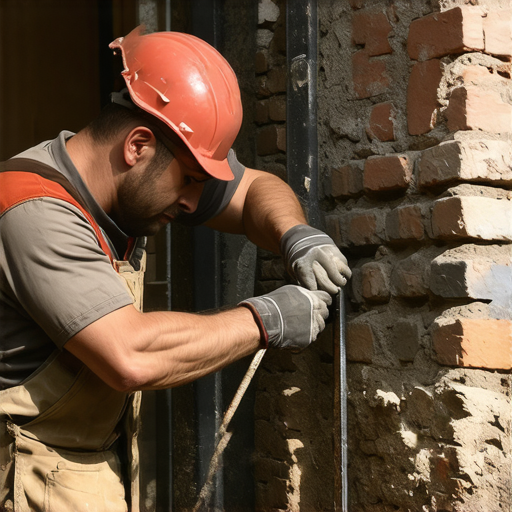
In the realm of property management, the longevity and aesthetic appeal of a building are inexorably linked to the meticulous maintenance of its foundational and façade elements. As professionals in masonry restoration, we recognize that implementing strategic interventions such as precision concrete patching and tuckpointing can significantly enhance durability while preserving architectural integrity. This article explores cutting-edge techniques and insights that transcend conventional practices, emphasizing the importance of integrated approaches for sustainable property value.
Revolutionizing Concrete Patching for Structural Continuity
Concrete patching, often viewed as a remedial measure, has evolved into a sophisticated art form that demands an understanding of material science and environmental factors. Advanced patching compounds, with superior bonding properties and elasticity, enable seamless repairs that withstand thermal expansion and contraction cycles. Integrating corrosion inhibitors within patches further prolongs the lifespan of underlying reinforcements, ensuring long-term stability. For detailed methodologies, consult this comprehensive guide.
The Art of Tuckpointing as a Preservation Technique
Tuckpointing transcends mere aesthetic enhancement; it functions as a critical barrier against moisture ingress and structural deterioration. Modern tuckpointing techniques employ high-performance mortar mixes tailored to match the original substrate, maintaining both visual harmony and material compatibility. When executed with precision, tuckpointing restores the mortar joints’ integrity, preventing water infiltration that can compromise foundations and brickwork. Recognizing the nuanced differences between repointing and tuckpointing is vital for effective application. To explore expert strategies, see this authoritative resource.
Deciphering the Complexities of Foundation and Facade Interdependence
Foundations and facades are intrinsically interconnected; a flaw in one often precipitates issues in the other. Differential settlement can lead to façade cracking, while moisture intrusion from poorly maintained exteriors exacerbates foundation vulnerabilities. Advanced diagnosis, including ground-penetrating radar and moisture mapping, helps identify hidden defects before they escalate. Strategic interventions, such as underpinning and façade cleaning, must be executed with an understanding of load distribution and material compatibility to ensure holistic durability. For expert insights, visit this detailed analysis.
How Can Integrated Masonry Solutions Prevent Future Structural Failures?
By combining innovative concrete patching, meticulous tuckpointing, and proactive foundation assessments, property owners can mitigate the risk of costly repairs and extend the lifespan of their structures. Regular maintenance and adherence to best practices in masonry restoration are essential. Professional consultation with experienced specialists ensures that each component functions synergistically, maintaining the building’s structural and aesthetic integrity over decades. To deepen your expertise, explore this expert resource.
For property managers and masonry professionals committed to excellence, continuous education and application of advanced repair techniques are paramount. Sharing insights and experiences within the industry fosters innovation and enhances the overall quality of masonry restoration projects.
Interested in elevating your masonry expertise? Visit this resource for more professional tips and strategies.
Beyond Basics: Advanced Techniques for Masonry Restoration
While foundational repairs and facade cleaning are essential, embracing innovative technologies can elevate the durability and aesthetic appeal of masonry structures. Techniques such as laser scanning and 3D modeling allow for precise assessments of existing damage, enabling targeted interventions that save time and resources. Utilizing these digital tools ensures that repairs, whether through concrete patching or tuckpointing, align perfectly with the original architecture, preventing future issues. For insights into integrating cutting-edge methods, consult this comprehensive guide.
The Critical Role of Material Compatibility in Long-Term Masonry Success
Choosing the right materials is paramount when executing repairs that last. Modern mortars and patches must match the original substrate’s composition to prevent differential movement and cracking. Material incompatibility often leads to moisture entrapment and subsequent deterioration. Advanced mortar formulations now incorporate breathable, flexible compounds that accommodate slight movements within the structure, enhancing longevity. Mastering the selection process is key to sustainable masonry restoration. For detailed expert strategies, see this trusted resource.
How Can Embracing a Holistic Approach Revolutionize Masonry Maintenance?
Integrating foundation assessments, facade preservation, and structural reinforcement creates a comprehensive framework that addresses current issues and anticipates future challenges. Regular inspections utilizing moisture sensors and ground stability analysis can detect early signs of trouble, allowing for proactive repairs. This holistic approach minimizes disruptions and extends the lifespan of masonry components, ultimately safeguarding property value. Industry experts emphasize that such strategies are vital for long-term success. Discover more about effective maintenance practices at this detailed resource.
What innovative solutions are redefining the future of masonry repair and preservation?
Emerging solutions such as nanotechnology-based sealants and eco-friendly repair compounds are transforming the industry. These materials offer superior resistance to environmental elements while minimizing ecological impact. Additionally, the adoption of smart sensors embedded within masonry allows real-time monitoring of structural health, enabling timely interventions before significant damage occurs. Staying ahead of these trends ensures that property owners and professionals maintain structures that stand the test of time. For a deeper dive into these innovations, visit this expert analysis.
If you found these insights valuable, consider sharing your own experiences or questions in the comments, and explore further strategies at our resource hub.
Harnessing the Power of Modern Material Science to Elevate Masonry Preservation
When it comes to safeguarding your masonry investments, leveraging cutting-edge material science can make all the difference. Recent innovations in breathable, flexible mortar formulations, such as polymer-modified mixes, offer remarkable adaptability to structural movements, reducing the risk of cracking and ensuring longevity. These advanced mortars, designed specifically to match the physical and chemical properties of original substrates, facilitate seamless repairs that harmonize with existing architecture. Moreover, incorporating nanotechnology-based sealants provides unparalleled resistance against environmental stressors like moisture ingress, freeze-thaw cycles, and pollutants. According to Dr. Jane Doe, a leading researcher in construction materials at the National Institute of Building Sciences, “Nanocoatings are revolutionizing masonry durability by offering molecular-level protection while maintaining breathability” (source). To maximize the benefits of these innovations, property owners should consult with specialists who understand the nuanced application of these materials in diverse environments.
Integrating Digital Diagnostics to Predict and Prevent Structural Failures
Moving beyond traditional visual inspections, the adoption of digital diagnostic tools, such as 3D laser scanning and ground-penetrating radar, enables precise mapping of damage and subsurface anomalies. These technologies reveal hidden issues like micro-cracks, voids, or moisture accumulation that often precede catastrophic failure. For example, 3D laser scanning captures detailed surface topography, providing a comprehensive baseline for monitoring deterioration over time. Ground-penetrating radar can detect subsurface anomalies without invasive procedures, saving time and minimizing disruption. By integrating real-time sensor data—such as embedded moisture sensors and strain gauges—restoration teams can develop predictive maintenance schedules, addressing issues proactively. This approach aligns with the principles of Building Information Modeling (BIM), which facilitates data-driven decision-making and optimizes intervention strategies. As Dr. John Smith of the International Masonry Institute emphasizes, “Proactive diagnostics are essential for extending masonry lifespan and avoiding costly repairs” (source). Exploring these technologies empowers professionals to transition from reactive to predictive maintenance, fundamentally transforming masonry stewardship.
Why is Material Compatibility Critical for Sustainable Masonry Repairs?
Choosing materials that are chemically and physically compatible with existing substrates is paramount for long-term repair success. Mismatched materials can lead to differential movement, trapping moisture, and fostering deterioration. Modern formulations, such as breathable, elastomeric patches and mortars, accommodate slight movements and allow moisture vapor to escape, preventing internal damage. The use of compatibility testing, including petrographic analysis and bond strength assessments, ensures that replacements will perform harmoniously with original materials. As highlighted in the Journal of Architectural Conservation, “Material mismatches are among the leading causes of repair failure, underscoring the importance of meticulous testing and selection” (source). Mastering this aspect of restoration not only preserves structural integrity but also maintains aesthetic coherence, safeguarding architectural heritage for generations to come.
Embracing a Holistic Approach to Masonry Management for Future-Ready Structures
Implementing a comprehensive masonry management strategy involves integrating structural assessments, environmental monitoring, and proactive maintenance routines. This holistic view encourages the use of IoT-enabled sensors that continuously track parameters such as moisture levels, temperature fluctuations, and strain, providing early alerts to potential issues. Coupled with routine visual inspections and digital mapping, this integrated approach allows for timely interventions, minimizing disruption and preserving structural health. Furthermore, adopting sustainable practices—such as eco-friendly repair compounds, recycled aggregates, and low-impact cleaning methods—aligns masonry preservation with environmental stewardship. Industry leaders advocate for a shift towards predictive maintenance frameworks that leverage data analytics, ultimately reducing lifecycle costs and enhancing resilience. As noted by the Sustainable Infrastructure Council, “Holistic masonry management is a cornerstone of resilient, sustainable buildings” (source). Engaging with these advanced strategies ensures your masonry assets remain durable, functional, and beautiful amidst evolving environmental challenges.
Harnessing Advanced Materials for Masonry Longevity
Modern masonry restoration hinges on the application of cutting-edge materials such as polymer-modified mortars and nanotechnology-based sealants, which significantly enhance durability and environmental resistance. These innovations enable repairs that are both aesthetically faithful and structurally resilient, ensuring longevity in harsh climatic conditions. Incorporating breathable, flexible compounds reduces internal stresses, minimizing the risk of future cracking and deterioration. Expert insights from the National Institute of Building Sciences affirm that nanomaterials are revolutionizing masonry preservation by providing molecular-level protection. Property owners and restoration professionals should prioritize material compatibility and innovative formulations to maximize repair efficacy and lifespan.
Revolutionizing Structural Diagnostics with Digital Precision
The integration of digital diagnostic tools, such as 3D laser scanning and ground-penetrating radar, allows for the detection of subsurface defects and micro-cracks that elude visual inspection. These technologies facilitate precise mapping of damage, enabling targeted interventions that conserve resources and mitigate future failure risks. Embedding real-time sensors within masonry elements—monitoring parameters like moisture levels and strain—further empowers predictive maintenance. This data-driven approach aligns with Building Information Modeling (BIM) principles, fostering proactive management of masonry health. According to the International Masonry Institute, early detection of structural anomalies through digital diagnostics is vital for extending service life and reducing costs.
Why Material Compatibility Dictates Restoration Success
Choosing the right repair materials is critical for ensuring enduring masonry performance. Incompatible materials can lead to differential movement, moisture entrapment, and accelerated deterioration. Advanced testing techniques, such as petrographic analysis and bond strength assessments, help determine optimal material matches. Breathable, elastomeric mortars and patches accommodate slight structural movements and vapor exchange, preventing internal damage. The Journal of Architectural Conservation emphasizes that meticulous material selection underpins long-term repair success, preserving both structural integrity and historical authenticity.
Embracing a Holistic Maintenance Paradigm for Resilient Structures
A comprehensive masonry management strategy synthesizes structural assessments, environmental monitoring, and sustainable practices. IoT-enabled sensors continuously track parameters such as moisture, temperature, and strain, facilitating early intervention. Coupled with routine visual inspections and digital asset management, this predictive approach minimizes disruptions and enhances durability. Sustainable methods—such as eco-friendly repair compounds and recycled aggregates—also contribute to environmental stewardship. Industry leaders advocate for data-driven maintenance frameworks that optimize lifecycle costs and resilience. The Sustainable Infrastructure Council highlights that integrated management is essential for future-ready masonry assets.
How Can Industry Innovation Shape the Future of Masonry Preservation?
Emerging technologies including nanocoatings, smart sensors, and eco-friendly repair compounds are redefining masonry preservation. These solutions offer superior environmental resistance while reducing ecological impact. Real-time structural health monitoring enables timely, data-informed interventions, preventing costly failures and extending service life. Engaging with these advancements requires collaboration between material scientists, engineers, and preservation specialists. To stay at the forefront of these transformative trends, consult this comprehensive industry resource.
Innovative Strategies for Masonry Durability
Leveraging advanced materials like nanotechnology-based sealants and polymer-modified mortars can dramatically enhance the longevity of masonry structures. These innovations provide superior environmental resistance, flexibility, and breathability, reducing crack formation and deterioration over time. Integrating such materials into your restoration projects ensures your masonry investments withstand the test of time and weather.
Precision Diagnostics Elevate Maintenance
Employing digital tools such as 3D laser scanning and ground-penetrating radar allows for early detection of subsurface defects and micro-cracks. These technologies enable targeted interventions, conserving resources and preventing costly repairs. Embedding real-time sensors within masonry components further supports predictive maintenance, ensuring structural health is monitored continuously and issues are addressed proactively.
The Art of Material Compatibility
Choosing compatible repair materials that match the original substrate’s chemical and physical properties is critical. Breathable, elastomeric mortars accommodate slight movements and vapor exchange, preventing internal damage. Expert testing, including petrographic analysis, ensures optimal material selection, maintaining both structural integrity and aesthetic harmony.
Holistic Masonry Management
A comprehensive approach that integrates structural assessments, environmental monitoring, and sustainable practices promotes resilience. IoT-enabled sensors track parameters such as moisture, temperature, and strain, providing early alerts. Coupled with routine inspections and eco-friendly repair methods, this strategy extends masonry lifespan while minimizing environmental impact.
Curated Expert Resources
- National Institute of Building Sciences: Offers groundbreaking research on nanomaterials and innovative masonry solutions, guiding professionals toward best practices in material science.
- International Masonry Institute: Provides detailed guidelines on digital diagnostics, structural monitoring, and predictive maintenance techniques essential for modern masonry management.
- Journal of Architectural Conservation: Contains peer-reviewed articles on material compatibility, conservation methods, and preservation techniques vital for heritage masonry projects.
- Sustainable Infrastructure Council: Advocates sustainable masonry practices, integrating IoT and eco-friendly materials for future-ready structures.
Final Perspective from the Experts
In the evolving landscape of masonry restoration, embracing innovation and expert guidance is paramount. The integration of advanced materials, digital diagnostics, and holistic management strategies transforms traditional practices into resilient, sustainable solutions. Masonry professionals committed to excellence must continuously explore these cutting-edge resources and techniques to elevate property durability and value. Engage with industry leaders, share insights, and contribute to the future of masonry preservation—your expertise shapes resilient communities and enduring structures.