Reliable Foundation Restoration & Repair Tips for Lasting Stability
Mastering the Art of Foundation Reinforcement: An Expert’s Perspective
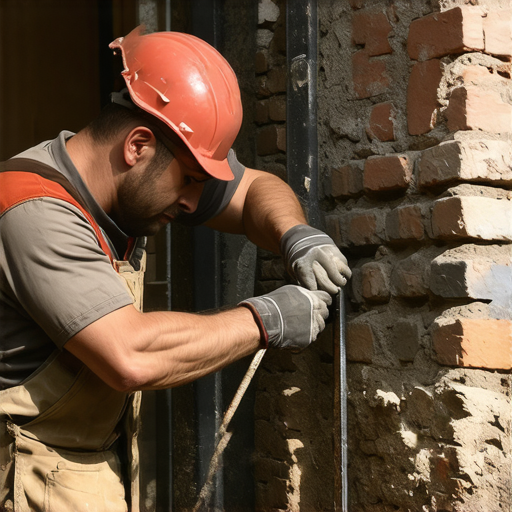
Ensuring the structural integrity of a building begins with a deep understanding of foundation restoration and repair. Advanced techniques, rooted in geotechnical engineering principles, can significantly enhance stability and longevity. Professional assessments often incorporate soil analysis, load calculations, and material science to tailor solutions that withstand environmental stresses. For instance, the use of carbon fiber straps for crack reinforcement exemplifies how modern materials contribute to durable repairs, as highlighted in recent studies published by the American Society of Civil Engineers.
Identifying Subtle Signs of Foundation Stress Before Damage Escalates
Early detection of foundation issues requires keen observation and expert inspection. Cracks in walls, uneven floors, and sticking doors are often surface indicators of deeper problems. Geotechnical investigations can reveal soil compaction deficiencies or groundwater fluctuations that compromise stability. By leveraging non-invasive imaging technologies like ground-penetrating radar, specialists can pinpoint problem areas with precision, enabling preemptive interventions that save costs and preserve structural health.
Strategic Use of Foundation Repair Techniques to Maximize Durability
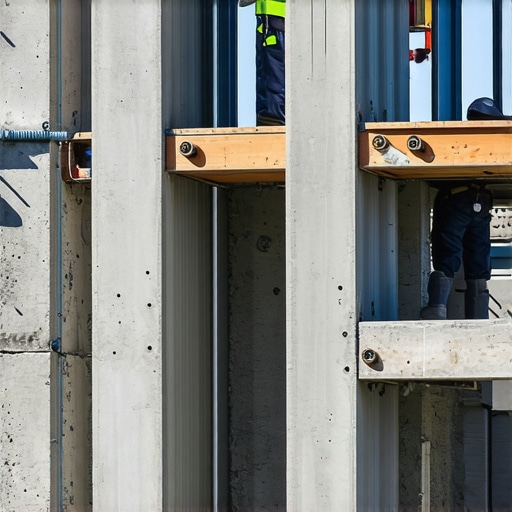
Choosing the appropriate repair method hinges on a comprehensive understanding of site-specific conditions. Driven piles, underpinning, and slab jacking are among the advanced options available to restore load-bearing capacity effectively. Each technique offers unique benefits; for example, underpinning with helical piers provides flexible stabilization in challenging soil conditions. Integrating these methods with high-performance concrete patches, as described in the effective strategies outlined by Masonry Rescue, ensures repairs are resilient and long-lasting.
How Do Modern Foundation Repair Methods Compare in Long-Term Performance?
This question underscores the importance of selecting repair solutions based on empirical evidence and professional experience. While traditional mudjacking may offer quick fixes, its durability can be limited compared to epoxy injections or steel push piers, which provide enduring support. Continuous research and field data support a trend toward minimally invasive yet highly durable techniques, emphasizing the need for ongoing professional development in this specialized domain.
For those seeking authoritative insights, consulting resources such as the United States Geological Survey provides valuable data on soil behavior and environmental impacts affecting foundation stability. Additionally, engaging with expert content like Masonry Rescue’s detailed guides can elevate your understanding of sophisticated repair methodologies.
If you are a professional or homeowner committed to long-term property durability, consider exploring comprehensive training modules or contributing insights based on your field experience. The collective knowledge enhances the industry’s capacity to deliver resilient, lasting solutions for foundation challenges.
Harnessing Cutting-Edge Materials for Superior Foundation Stability
Modern foundation repair increasingly relies on innovative materials that deliver unparalleled strength and longevity. High-performance epoxy resins, for example, are now a staple in crack injection repairs, offering excellent adhesion and resistance to environmental stressors, as discussed in trusted tuckpointing tips. These materials not only restore structural integrity but also prevent future deterioration by effectively sealing vulnerabilities.
Precision Diagnostics to Prevent Costly Failures
Accurate diagnosis is the cornerstone of successful foundation restoration. Techniques such as seismic refraction surveys and fiber optic strain sensors provide real-time data on subsurface conditions, enabling specialists to tailor interventions precisely. For instance, ground-penetrating radar (GPR) can reveal hidden voids or deteriorated soil zones, allowing preemptive repairs that save homeowners and contractors significant expenses. Integrating these advanced diagnostics with traditional inspections enhances predictive maintenance strategies, as recommended by industry experts.
Designing Long-Lasting Repairs with Sustainable Solutions
Long-term durability hinges on selecting repair methods aligned with environmental factors and load conditions. Underpinning with helical piers or micropiles ensures stable support in challenging soils, while slab jacking can lift and level sunken slabs efficiently. Combining these techniques with durable concrete patches, such as those described in effective concrete patch strategies, creates a resilient foundation capable of withstanding shifting soils and weather extremes. The key is a holistic approach that considers soil-structure interaction and material compatibility.
What innovations in foundation repair materials are set to redefine durability in 2024?
Emerging materials like nano-engineered concretes and self-healing composites are gaining traction among industry leaders. These advancements promise to extend the lifespan of repairs significantly, reducing the need for future interventions. Staying informed about such innovations through reputable sources like the expert guides from Masonry Rescue ensures professionals and homeowners can make forward-thinking decisions that optimize property value and safety. Implementing these cutting-edge solutions requires a nuanced understanding of material science and site-specific challenges, emphasizing the importance of consulting with seasoned experts.
For those interested in elevating their repair strategies, sharing insights or seeking tailored advice can be a valuable step toward mastering durable foundation restoration. Consider commenting below with your experiences or exploring more comprehensive resources to deepen your expertise.
Why Nano-Engineered Concretes Signal a New Era in Foundation Durability
In the evolving field of geotechnical engineering, nano-engineered concretes represent a groundbreaking advancement that promises to redefine how foundations withstand environmental stresses over decades. These materials incorporate nanoparticles that enhance the mechanical properties of traditional concrete, resulting in increased strength, reduced permeability, and superior bonding characteristics. According to recent research published by the American Society of Civil Engineers, nano-modified concretes can extend repair longevity by up to 50%, significantly reducing maintenance cycles and associated costs.
How Do Self-Healing Composites Extend the Life of Foundation Repairs?
Self-healing composites are another frontier in the pursuit of durable foundation solutions. Embedded microcapsules or vascular networks within these materials can automatically activate repair processes in response to cracks or environmental damage. This innovative mechanism not only preserves structural integrity but also minimizes the need for invasive repairs. Industry leaders like BASF are pioneering these materials, which are highlighted in their recent case studies on infrastructure longevity. Implementing self-healing concrete in foundation repair projects can dramatically increase lifespan, especially in regions prone to seismic activity or freeze-thaw cycles.
For professionals aiming to stay ahead in foundation stabilization, integrating these advanced materials requires understanding their unique properties and compatibility with existing substrates. Consulting with material scientists and conducting small-scale tests can facilitate seamless adoption.
The Critical Role of Material Science in Future-Proofing Foundations
Material science is at the core of transformative changes in foundation repair. High-performance polymers, fiber-reinforced composites, and nano-enhanced cements are now routinely used to reinforce vulnerable zones. These materials offer enhanced load-bearing capacity and resistance to chemical and environmental degradation, ensuring that repairs endure in harsh conditions. Notably, the development of bio-based binders offers an environmentally friendly alternative, aligning structural resilience with sustainability goals—a trend supported by recent studies in the Journal of Cleaner Production.
Embracing these innovations involves ongoing education and collaboration with research institutions. It’s crucial for contractors and engineers to stay informed about emerging materials through technical publications, conferences, and professional training programs, such as those offered by the Fédération Internationale du Béton.
Anticipating the Next Wave of Foundation Repair Technologies
Looking ahead, several promising technologies are poised to revolutionize foundation repair. These include the application of smart materials capable of sensing stress and strain in real time, providing predictive maintenance alerts before failure occurs. Additionally, advancements in 3D printing allow for on-demand fabrication of bespoke repair components, reducing lead times and customizing solutions for complex site conditions.
One particularly exciting development is the integration of IoT (Internet of Things) sensors within foundation structures. These sensors continuously monitor subsurface and structural health, enabling proactive interventions that extend the lifespan of repairs and prevent catastrophic failures. Such innovations demand a multidisciplinary approach, combining civil engineering, electronics, and data analytics, to fully realize their potential.
If you’re committed to pioneering durable, sustainable foundation repair strategies, staying engaged with the latest research and technological breakthroughs is essential. Consider subscribing to industry journals, attending specialized workshops, and collaborating with research institutions to harness these cutting-edge solutions for your projects.
Harnessing the Power of Advanced Soil Stabilization Techniques
Modern foundation repair increasingly relies on sophisticated soil stabilization methods that address the root causes of settlement and shifting. Techniques such as chemical grouting, deep soil mixing, and vibro-compaction enhance soil load-bearing capacity, reducing future movement risks. These methods are supported by recent geotechnical research published in the American Society of Civil Engineers, emphasizing their role in sustainable infrastructure.
What Are the Latest Breakthroughs in Foundation Reinforcement Materials?
Emerging materials like ultra-high-performance fiber-reinforced concretes and self-healing composites are transforming repair durability. These innovations not only strengthen existing structures but also actively repair micro-damage autonomously, significantly extending service life. Industry leaders such as BASF are pioneering these solutions, which redefine the standards of longevity in foundation repair.
How Do Self-Healing Materials Contribute to Cost-Effective Maintenance?
Self-healing concretes incorporate microcapsules that release healing agents upon crack formation, sealing vulnerabilities before they expand. This autonomous repair mechanism minimizes the need for invasive interventions, saving time and costs while maintaining structural integrity. Implementing these materials in critical foundation zones ensures resilience against environmental stressors like freeze-thaw cycles and chemical exposure.
< >
>
Integrating IoT and Sensor Technologies for Predictive Foundation Health Monitoring
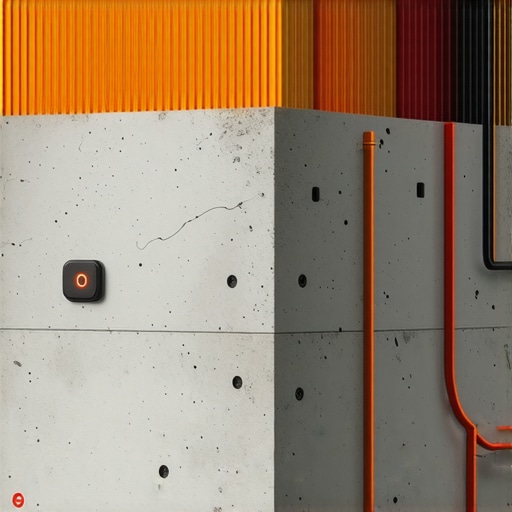
The future of foundation maintenance lies in smart infrastructure. IoT-enabled sensors embedded within foundations continuously monitor stress, moisture levels, and subsurface shifts, transmitting real-time data to engineers. This proactive approach facilitates early detection of potential failures, enabling targeted repairs before visible damage occurs. According to data from the Fédération Internationale du Béton, such innovations are crucial for sustainable, long-lasting structures.
Why Material Science Will Drive the Next Generation of Foundation Resilience
Advances in nanotechnology and bio-inspired materials have opened new avenues for durable foundation solutions. Nano-engineered concretes with superior bonding and permeability resistance, combined with bio-based binders, promise environmentally friendly yet highly resilient repairs. These developments are supported by recent studies published in the Journal of Cleaner Production.
Are Eco-Friendly Materials the Future of Foundation Repair?
Yes, sustainable materials like bio-based polymers and recycled aggregates are gaining traction. They offer comparable performance to traditional options while reducing environmental impact. Adoption of these materials hinges on ongoing research and industry acceptance, highlighting the importance of collaboration between scientists and practitioners to foster eco-conscious innovation.
Engage with these transformative insights to elevate your foundation repair projects. Explore advanced materials, integrate smart monitoring systems, and stay informed about the latest research to ensure your solutions stand the test of time, environmental challenges, and evolving industry standards.
Expert Insights & Advanced Considerations
Innovative Soil Stabilization Methods Can Significantly Extend Foundation Lifespan
Employing cutting-edge soil stabilization techniques such as chemical grouting and deep soil mixing can dramatically reduce future settlement risks. These methods improve load distribution and soil strength, providing a more resilient base for structures, as supported by recent geotechnical research.
Material Science Developments Unlock New Durability Frontiers
Advancements in nano-engineered concretes and self-healing composites offer promising avenues for long-term stability. Their ability to autonomously repair micro-damage and resist environmental degradation reduces maintenance costs and enhances structural longevity, making them invaluable tools for professionals committed to excellence.
Smart Monitoring Technologies Enable Proactive Maintenance
Integrating IoT sensors into foundation systems allows real-time tracking of stress, moisture, and shifts. This proactive approach facilitates early detection of potential issues, enabling timely interventions that prevent costly failures and extend the lifespan of repairs.
Eco-Friendly Materials Set New Sustainability Standards
Using bio-based binders and recycled aggregates aligns with sustainability goals while maintaining high performance. These environmentally conscious options are gaining industry acceptance and are critical for future-proofing infrastructure projects.
Emerging Repair Techniques Offer Tailored Solutions for Complex Challenges
3D printing and custom-fabricated components allow for precise, site-specific repairs, reducing lead times and optimizing resource use. Such innovations exemplify how advanced manufacturing can revolutionize foundation restoration practices.
Curated Expert Resources
- American Society of Civil Engineers (ASCE) Publications: Offers in-depth research and guidelines on geotechnical and structural engineering innovations.
- Fédération Internationale du Béton (fib): Provides cutting-edge insights into concrete technology, including nano-engineering and self-healing materials.
- Industry-leading Journals like “Journal of Cleaner Production”: Features studies on sustainable construction materials and eco-friendly practices.
- Technical Conferences and Workshops: Facilitate knowledge exchange on the latest tools, materials, and methodologies in foundation repair.
Final Expert Reflection
In the realm of foundation repair, integrating advanced materials, innovative diagnostics, and smart monitoring technologies is no longer optional but essential for achieving durable, sustainable results. As the industry evolves, staying informed through authoritative resources and embracing cutting-edge techniques empowers professionals to deliver projects that stand the test of time. Engaging with these insights not only elevates your expertise but also ensures your solutions are at the forefront of industry standards. For a deeper dive into these topics, consider exploring our recommended resources or sharing your professional experiences to foster industry-wide excellence.
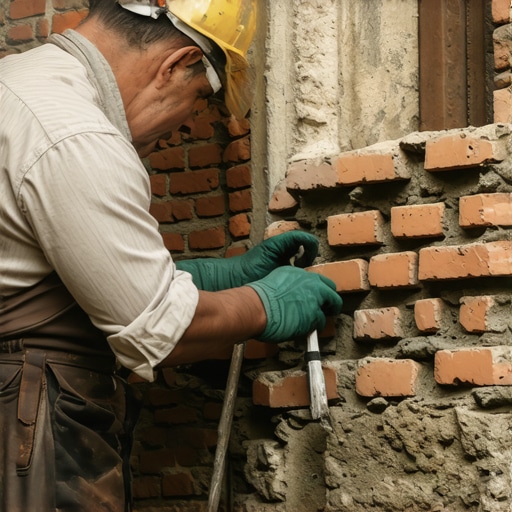
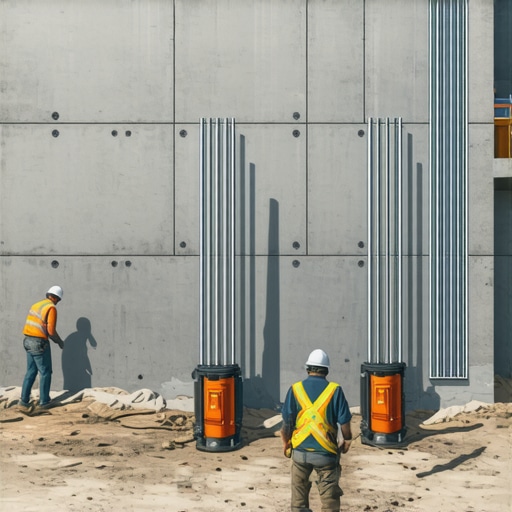
I recently worked on a project where we incorporated self-healing concrete in a foundation repair, and the results were impressive. The ability of these materials to autonomously seal cracks can significantly extend the lifespan of repairs and reduce maintenance costs over time. This advancement aligns well with the post’s emphasis on innovative materials and their role in durability. I’ve noticed that with the integration of IoT sensors, ongoing monitoring becomes more efficient, allowing us to catch issues early before they escalate. Has anyone here experimented with combining self-healing materials and smart sensor technology? I’d be curious to hear how seamless that integration has been in your experience, especially in challenging soil conditions or regions with extreme weather.