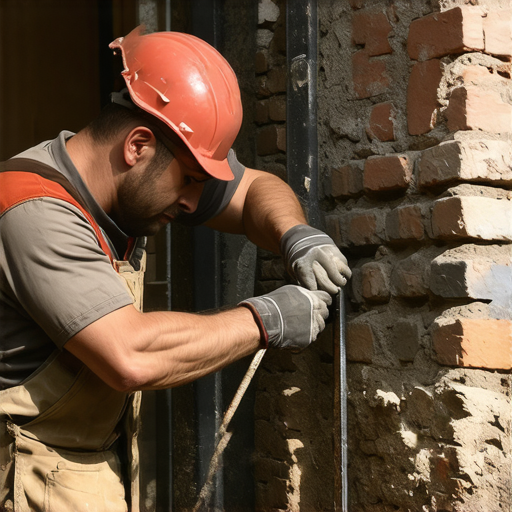
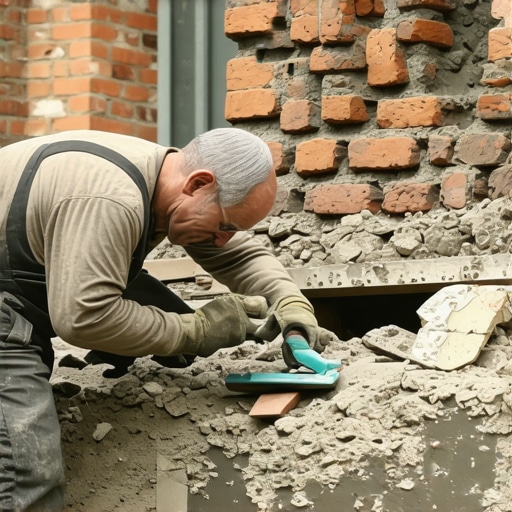
Skilled Masonry Restoration: Expert Concrete Patch & Tuckpointing
The Critical Role of Expert Masonry Repair in Preserving Structural Integrity
In the realm of masonry restoration, the nuances of concrete patching and tuckpointing transcend basic maintenance, embodying crucial strategies for ensuring long-term durability and aesthetic appeal. As professionals in the field, understanding the intricacies of these processes allows us to tackle challenges such as foundation stability and facade preservation with confidence and precision.
Innovative Approaches to Concrete Patch Applications for Structural Longevity
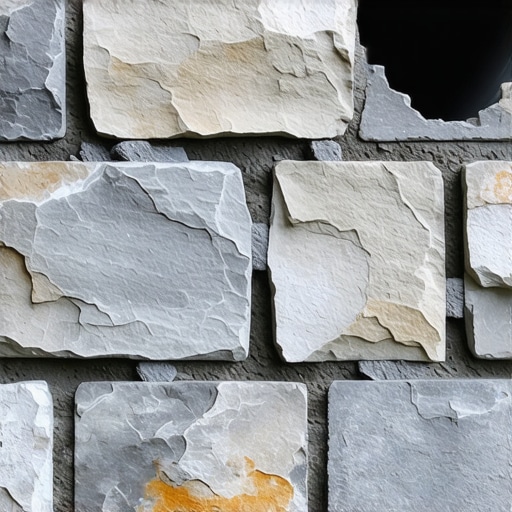
Concrete patching, when executed with advanced materials and techniques, provides a formidable line of defense against environmental stressors and structural deterioration. Modern epoxy and polymer-modified concrete compositions facilitate seamless repairs that integrate with existing substrates, reducing the risk of future cracks. Industry-leading sources, like the Journal of Cement and Concrete Research, emphasize the importance of proper surface preparation and material compatibility to optimize repair longevity.
Strategic Tuckpointing as a Defense Against Masonry Deterioration
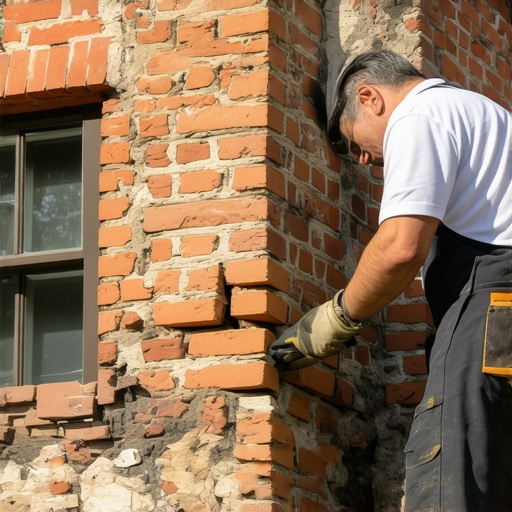
Effective tuckpointing involves more than repointing mortar joints; it requires a strategic approach to match the original mortar’s composition, texture, and color, thereby enhancing both structural integrity and facade aesthetics. Expert tuckpointing can prevent water infiltration and freeze-thaw damage, which are primary contributors to masonry failure. Advanced techniques, such as using lime-based mortars for historic structures, demonstrate the importance of material selection in maintaining authenticity and durability.
How Do Professionals Address the Challenges of Matching Historic Mortar in Tuckpointing?
Matching historic mortar demands a nuanced understanding of original materials and construction techniques. Professionals often analyze mortar samples, replicate the composition using traditional lime and sand mixes, and apply them with precision to ensure seamless integration. This process not only preserves the building’s historic character but also fortifies its structure against future deterioration.
Facade Cleaning and Restoration: Balancing Aesthetics with Structural Preservation
Facade cleaning, when performed with expert care, removes pollutants and biological growth without damaging the underlying masonry. Techniques such as low-pressure washing and chemical treatments tailored to specific materials ensure that aesthetic enhancement does not compromise structural integrity. Restorative cleaning enhances curb appeal and extends the lifespan of masonry surfaces, as detailed in the comprehensive guide here.
Integrating Repair Strategies for Long-Term Masonry Resilience
Combining concrete patching, tuckpointing, and facade cleaning into a cohesive restoration plan maximizes durability and value. Regular inspections and timely interventions are essential, supported by expert knowledge and high-quality materials. For a deeper dive into these integrated strategies, consult our comprehensive guide.
In conclusion, mastery of the latest techniques in concrete patching and tuckpointing—supported by expert facade cleaning—ensures masonry structures withstand the test of time, environmental stressors, and aesthetic demands. For those committed to excellence, continuous learning and application of innovative methods are fundamental to achieving lasting results.
Mastering the Art of Historic Masonry Preservation
One of the most nuanced facets of masonry repair involves restoring historic structures without compromising their authenticity. Professionals must employ specialized techniques, such as analyzing original mortar samples and crafting custom mixes that replicate the original materials. This approach ensures the building’s aesthetic integrity while enhancing its durability. For instance, using lime-based mortars when restoring older buildings not only preserves their historic character but also offers superior flexibility and breathability, which are essential for long-term preservation. To deepen your understanding of these sophisticated methods, exploring trusted resources like our expert tuckpointing techniques can be invaluable.
Leveraging Cutting-Edge Materials for Concrete Patching
Modern concrete patching solutions incorporate polymer-modified formulations that provide enhanced adhesion, flexibility, and resistance to environmental stressors. When applied correctly, these materials form a seamless bond with existing substrates, preventing future cracking and deterioration. Industry research, such as the insights shared in the Journal of Cement and Concrete Research, underscores the importance of surface preparation and material compatibility to maximize repair longevity. For property owners and contractors aiming for durable, long-lasting results, integrating these advanced materials into your restoration plan is critical.
Can Embracing Innovation Revolutionize Masonry Care?
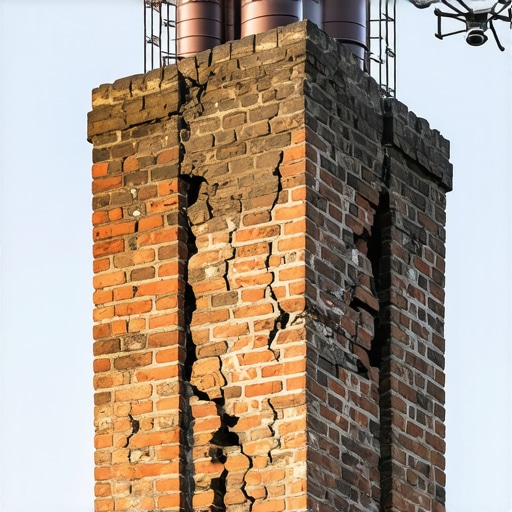
As technology progresses, the field of masonry repair continues to evolve with innovations like nanotechnology-enhanced coatings and smart materials that respond to environmental changes. These advancements promise to extend the lifespan of repairs significantly and reduce maintenance costs. Experts are also exploring the integration of 3D mapping and drone-assisted inspections to identify problem areas with unprecedented precision. How might these emerging technologies redefine best practices in masonry restoration? Staying informed and adaptable is essential for professionals committed to excellence. For a comprehensive overview of the latest innovations, check out our latest industry insights.
We invite you to share your experiences or ask questions about integrating advanced techniques into your masonry projects. Engaging with community knowledge and expertise helps elevate the entire field, ensuring structures are not only beautiful but resilient for generations to come.
Innovating Beyond Traditional Methods for Enduring Masonry Restoration
In the pursuit of preserving historic masonry structures, the integration of cutting-edge materials with time-honored techniques has become indispensable. While traditional lime mortars and manual tuckpointing preserve authenticity, modern composites like flexible epoxies and nanotechnology-enhanced coatings offer enhanced resistance to environmental assaults. These innovations not only extend the lifespan of repairs but also adapt to the unique demands of each structure, whether it’s a centuries-old cathedral or a contemporary commercial facade.
For instance, nanomaterials such as titanium dioxide nanoparticles impart self-cleaning and anti-pollution properties to masonry surfaces—reducing maintenance needs and promoting longevity. As detailed in ScienceDirect’s study on nanotech in conservation, these surfaces resist biological growth and pollutant adherence, thereby maintaining aesthetic appeal while defending structural integrity.
How Do Modern Materials Interface with Historic Masonry Without Compromising Authenticity?
Achieving a balance between innovation and authenticity requires meticulous analysis of existing materials. Techniques like micro-sampling and spectroscopic analysis enable specialists to identify the original mortar’s composition, pH, and mineral content. This data guides the formulation of compatible repair mixes that respect the building’s historical fabric while offering improved durability. Moreover, the use of breathable, flexible sealants ensures moisture management, preventing issues like trapped water and subsequent freeze-thaw damage.
These advanced repair methodologies demand a high level of expertise, blending conservation science with practical craftsmanship. Engaging specialists trained in historic preservation ensures that the integrity of the original architecture is maintained, even as repairs benefit from state-of-the-art advancements.
Harnessing Digital Technology for Precision Masonry Restoration
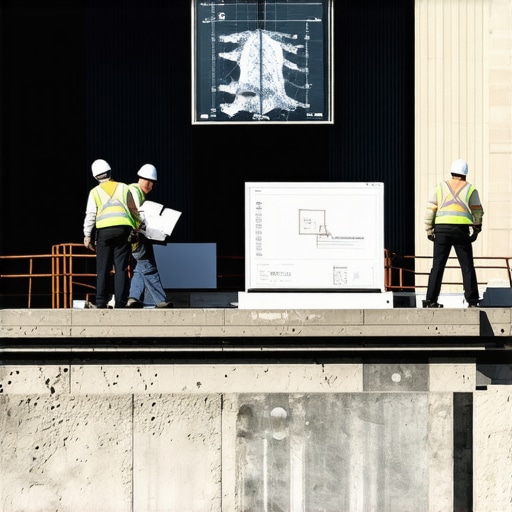
Digital tools have revolutionized how restoration projects are planned and executed. Laser scanning and photogrammetry produce detailed 3D models that highlight subtle structural shifts or deteriorations invisible to the naked eye. These models facilitate precise material matching and targeted interventions, reducing unnecessary removal or over-repair. Consequently, projects become more efficient and less invasive, respecting both the structure and its surroundings.
Furthermore, augmented reality (AR) applications allow restorers to visualize repair outcomes in real-time, ensuring aesthetic coherence and structural soundness before any physical work begins. According to the Heritage Architecture Journal, integrating these digital workflows enhances decision-making and documentation, critical for long-term preservation strategies.
Is Sustainability a Feasible Goal in Historic Masonry Preservation?
Sustainable practices in historic masonry repair involve selecting eco-friendly materials and methods that reduce environmental impact while maintaining structural integrity. For example, using recycled aggregates in repair mortars or employing low-impact cleaning techniques minimizes ecological footprints. Additionally, integrating passive energy systems—like improved insulation via internal cavity wall treatments—can enhance building performance without altering historic facades.
While the challenge lies in balancing environmental sustainability with preservation standards, emerging research suggests that innovative, eco-conscious materials are increasingly compatible with traditional masonry. For those passionate about conservation, staying informed of these developments is vital; resources like the Green Building Store’s sustainable masonry guides offer valuable insights.
Engage with these advanced techniques and technologies to elevate your masonry restoration projects. The future of preservation hinges on your willingness to blend innovation with respect for history, ensuring structures withstand the test of time and environmental change.
Harnessing Micro-Analysis to Perfect Historic Mortar Matches
One of the most sophisticated challenges in masonry restoration involves replicating the original mortar with impeccable precision. Modern techniques such as micro-sampling and spectroscopic analysis enable specialists to decode the mineral composition, pH levels, and grain size of historic mortars. This scientific approach ensures that new mortar blends seamlessly with the old, preserving both aesthetic value and structural resilience. According to the International Journal of Heritage Conservation, such meticulous analysis is fundamental for authentic restoration that withstands environmental stressors.
What are the latest scientific methods for matching historic mortar compositions?
Innovative methods like X-ray fluorescence (XRF) and petrographic microscopy allow for detailed characterization of original materials, enabling artisans to craft compatible mixes that respect the building’s historical integrity while enhancing durability. This precision prevents issues like delamination or chemical incompatibility that can compromise repairs over time.
Integrating Smart Materials for Adaptive Masonry Protection
Emerging materials such as nano-engineered coatings and shape-memory alloys are transforming masonry preservation. Nano-coatings, infused with titanium dioxide or silane compounds, impart self-cleaning, water-repelling, and anti-pollution properties, significantly reducing maintenance cycles. Shape-memory alloys embedded within mortar joints can respond to temperature fluctuations, closing cracks autonomously and maintaining structural continuity. These advancements are detailed in the ScienceDirect conservation technology review.
How do smart materials adapt to environmental stresses without damaging historic fabric?
Such materials are designed to be highly compatible with traditional substrates, often utilizing nanostructured interfaces that allow for elastic responses while maintaining breathability. This minimizes the risk of trapping moisture, which is critical for preserving the longevity of historic masonry structures. Proper application requires expert knowledge of both materials science and conservation principles.
Digital Precision in Masonry Restoration: From Scanning to Simulation
State-of-the-art digital tools like laser scanning and photogrammetric modeling enable restoration teams to create detailed 3D representations of structures, revealing even minor deformations or deterioration invisible to the naked eye. These models facilitate precise material matching, targeted interventions, and minimal invasive work. Furthermore, AR-based visualizations help stakeholders evaluate potential outcomes before any physical intervention, increasing confidence in restoration plans. The Heritage Architecture Journal highlights the transformative impact of these technologies.
In what ways can digital modeling improve decision-making in complex masonry repairs?
Digital models allow for accurate assessment of structural health, optimized repair sequencing, and resource allocation, ultimately leading to more sustainable and respectful restoration practices. They also provide invaluable documentation for future conservation efforts and legal compliance.
Eco-Conscious Innovations for Sustainable Masonry Conservation
Eco-friendly materials like recycled aggregates, bio-based sealants, and low-impact cleaning techniques are becoming integral to sustainable masonry repair. These methods reduce environmental footprints while ensuring compliance with modern conservation standards. For example, using reclaimed materials in mortar mixes not only preserves historic aesthetics but also aligns with green building certifications. The Green Building Store’s sustainability guides offer practical insights for eco-conscious professionals.
How can sustainability be balanced with the demands of historic preservation?
By employing innovative, environmentally benign materials that are compatible with original construction techniques, professionals can achieve durability and ecological responsibility simultaneously. This approach ensures that conservation efforts contribute positively to both cultural heritage and environmental health.
Engage with these cutting-edge techniques and stay at the forefront of masonry preservation. Your expertise can redefine industry standards, ensuring structures are resilient, authentic, and environmentally sustainable for generations to come.
Unlocking Advanced Masonry Techniques for Resilient Structures
In the realm of masonry repair, leveraging innovative materials and precise craftsmanship is essential for durability. Experts emphasize the importance of compatibility between repair compounds and existing substrates, ensuring seamless integration and longevity. Techniques like micro-sampling and spectroscopic analysis allow for bespoke mortar formulations that respect historic integrity while enhancing performance.
Harnessing Cutting-Edge Resources to Deepen Your Expertise
- Journal of Cement and Concrete Research: This authoritative publication offers insights into the latest developments in concrete technology, essential for understanding modern patching solutions.
- Heritage Conservation Journal: A valuable resource for learning about integrating traditional and innovative methods in historic masonry preservation.
- Green Building Store Guides: These practical guides focus on sustainable practices and eco-friendly materials suitable for masonry work.
Reflections from Industry Leaders on the Future of Masonry Care
Leading experts agree that the future lies in smart materials capable of adaptive responses, such as nano-coatings with self-cleaning properties and shape-memory alloys that autonomously repair cracks. Embracing digital technology, like 3D modeling and drone inspections, enhances precision and reduces invasive procedures. These advancements not only prolong the life of masonry structures but also uphold their aesthetic and historical value.
Engaging with these high-level insights and resources positions professionals at the forefront of masonry restoration, ensuring structures are resilient and visually compelling for generations to come. For further discussion or to share your expertise, connect with our community of specialists committed to excellence in masonry repair.
![3 Reasons to Install a Chimney Heat Shield in 2026 [Pro Tips]](https://masonryrescue.com/wp-content/uploads/2026/03/3-Reasons-to-Install-a-Chimney-Heat-Shield-in-2026-Pro-Tips.jpeg)
I appreciate how this post emphasizes the importance of using advanced materials like polymer-modified concretes and nanotech coatings in masonry restoration. In my experience working with historic structures, blending modern technology with traditional approaches—such as employing lime-based mortars for authenticity while incorporating self-cleaning nanomaterials—can significantly extend the lifespan of the repairs. It’s fascinating to see how innovations like micro-sampling and spectroscopic analysis enable us to match original mortars precisely, preserving both the aesthetics and structural integrity of heritage buildings. I wonder, how are other professionals balancing the use of cutting-edge materials with the need to maintain historical authenticity? Are there specific case studies that showcase successful integration of these techniques without compromising the building’s character? Overall, continuous learning about these advancements really helps us stay ahead in the field and deliver durable, respectful restorations.