Trust Expert Facade Cleaning & Masonry Repairs for Lasting Results
Why Precision in Masonry Restoration Defines Long-Lasting Results
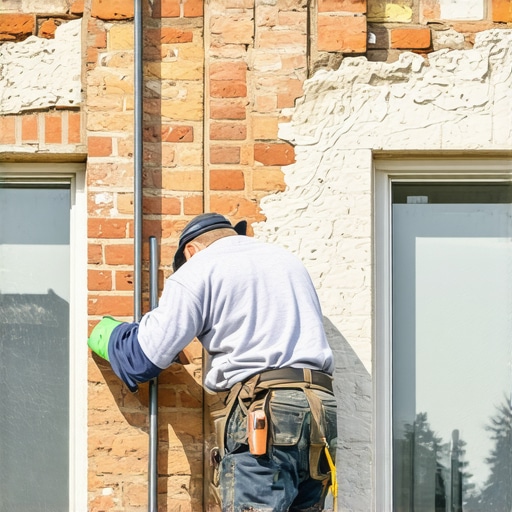
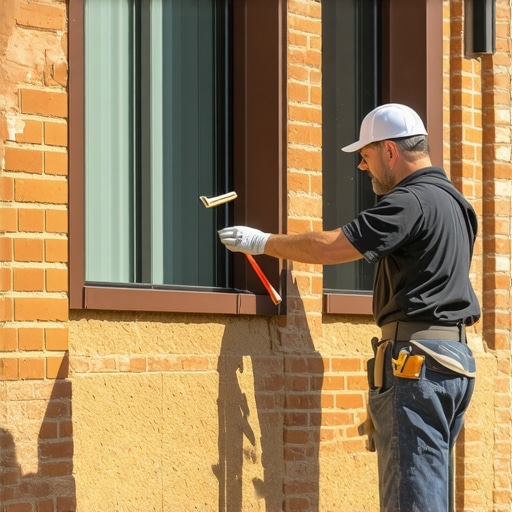
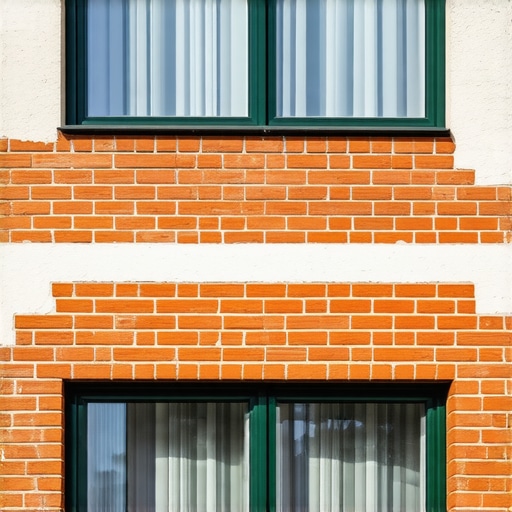
In the realm of masonry and facade maintenance, the pursuit of durability is a complex interplay of material science, expert craftsmanship, and strategic planning. As seasoned professionals in facade cleaning and masonry repairs, we recognize that each project demands a tailored approach that considers environmental factors, material compatibility, and future wear patterns. The fundamental goal remains clear: to achieve results that withstand the test of time and weather.
Advanced Techniques for Effective Masonry Cleaning and Restoration
How Can Surface Preparation Elevate Masonry Longevity?
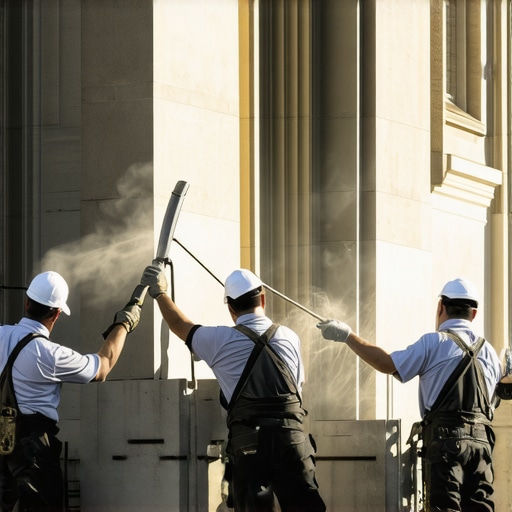
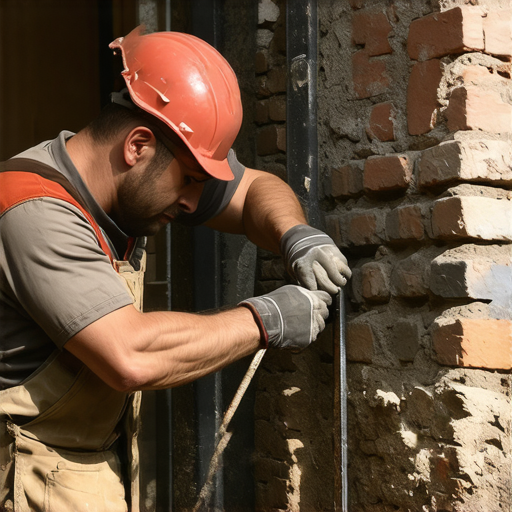
Surface preparation is often underestimated but is critical in ensuring the adhesion of repair materials and the removal of contaminants that accelerate deterioration. Utilizing high-pressure cleaning combined with environmentally friendly degreasers optimizes the substrate, enabling more durable repairs. This meticulous step prevents future issues such as efflorescence or mold growth, which compromise structural integrity.
Material Selection: The Cornerstone of Enduring Repairs
Choosing the right materials—whether it’s a specialized concrete patch or a high-quality tuckpointing mortar—requires in-depth knowledge of local climate conditions and existing masonry composition. For instance, flexible, breathable sealants facilitate moisture escape, reducing freeze-thaw damage. Referencing authoritative sources like the National Association of Home Builders emphasizes that proper material compatibility is crucial for long-term success.
Integrating Structural Reinforcement with Aesthetic Restoration
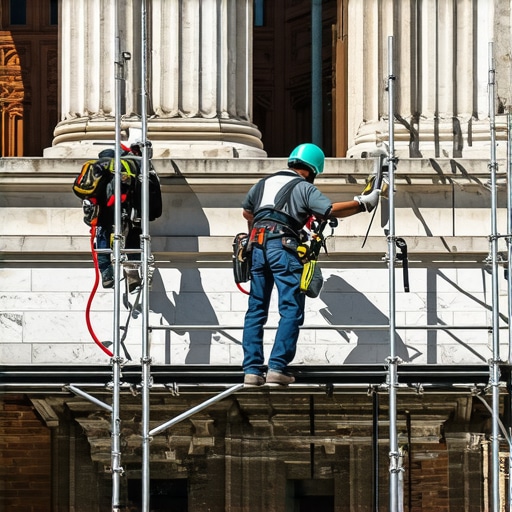
Structural reinforcement techniques, such as foundation stabilization or underpinning, must be seamlessly integrated with aesthetic facade cleaning. This holistic approach prevents future cracking or settlement issues that can undermine the visual appeal and durability. Advanced diagnostic tools like ground-penetrating radar or laser scanning allow experts to assess hidden vulnerabilities, ensuring comprehensive repair strategies.
What Are the Emerging Innovations in Masonry Preservation?
Emerging technologies such as nano-coatings and self-healing concrete are revolutionizing masonry conservation. Nano-coatings provide a hydrophobic barrier, repelling water and pollutants, while self-healing concrete addresses microcracks autonomously. These innovations exemplify how ongoing research enhances our ability to deliver resilient, maintenance-free facades.
Engage with Experts to Elevate Your Masonry Strategies
Professionals seeking to refine their masonry maintenance practices should explore comprehensive resources or consult with specialists. For example, this guide on foundation restoration offers insights into durable repair methods that extend beyond surface aesthetics.
Furthermore, sharing your experiences or asking questions on industry forums can foster innovative solutions and peer-reviewed best practices. Remember, mastery in masonry preservation stems from continuous learning and adaptation to technological advancements.
Mastering Material Compatibility for Ultimate Durability
Ensuring long-lasting masonry repairs begins with selecting materials that are compatible with existing structures. Flexible mortars and breathable sealants allow moisture to escape, preventing internal damage caused by trapped water. This approach aligns with industry best practices highlighted by leading sources like the expert guide on durable masonry. Proper material matching not only enhances structural resilience but also preserves the aesthetic integrity of the facade.
Leveraging Cutting-Edge Technologies in Masonry Care
Are Nano-Coatings the Future of Masonry Preservation?
Emerging innovations such as nano-coatings offer unprecedented protection against water, pollutants, and biological growth. These ultra-thin, hydrophobic layers can be applied to masonry surfaces, forming a protective barrier that significantly reduces maintenance needs. Additionally, self-healing concrete, which autonomously repairs microcracks, exemplifies how science is transforming masonry longevity. Integrating these technologies into your restoration projects can drastically extend the lifespan of repairs and reduce long-term costs, as discussed in the latest research on durable repair materials.
How Can Diagnostic Tools Uncover Hidden Vulnerabilities?
Advanced diagnostic tools like ground-penetrating radar and laser scanning enable professionals to detect unseen structural issues before they manifest visibly. These insights allow for targeted interventions, preventing minor problems from escalating into major failures. By adopting such technology, specialists can formulate comprehensive repair strategies that address both surface aesthetics and foundational stability, ensuring enduring masonry integrity. For more detailed insights, see the expert approaches to structural diagnostics.
Engage with Industry Leaders to Elevate Your Masonry Approach
Continuous learning is vital to mastering masonry restoration. Consider consulting authoritative resources and engaging with specialists to stay ahead of technological advancements. Sharing experiences and asking questions on industry forums can lead to innovative solutions and peer-reviewed best practices. As the industry evolves, so should your strategies—adopting proven techniques ensures your projects stand the test of time. Don’t forget to explore more expert tips and case studies that can enhance your masonry maintenance toolkit.
Harnessing the Power of Self-Healing Materials for Masonry Longevity
One of the most groundbreaking advancements in masonry preservation is the development of self-healing concrete and repair materials. These innovative substances contain microcapsules or fibers embedded within the matrix, which release healing agents upon crack formation, effectively sealing microcracks before they expand into structural failures. According to a comprehensive study published in the Journal of Materials in Civil Engineering (2021), self-healing concretes can extend the lifespan of masonry structures by up to 50%, significantly reducing maintenance costs and downtime.
What Are the Practical Benefits of Self-Healing Masonry Materials?
Beyond their impressive durability, self-healing materials minimize the need for invasive repairs, preserve the aesthetic integrity of historic facades, and contribute to sustainable construction practices by reducing the consumption of repair resources. Their autonomous repair mechanisms allow for continuous protection against environmental stressors such as freeze-thaw cycles, salt corrosion, and biological growth, which are common culprits in masonry degradation.
Integrating Digital Twin Technology for Predictive Maintenance
The concept of digital twins—virtual replicas of physical structures—has emerged as a game-changer in proactive masonry management. By integrating sensors, IoT devices, and advanced data analytics, professionals can monitor the real-time health of masonry elements, predict potential failure points, and schedule targeted interventions before visible damage occurs. The research in Structural Control and Health Monitoring highlights how digital twins can reduce maintenance costs by up to 30% and improve the lifespan of masonry facades.
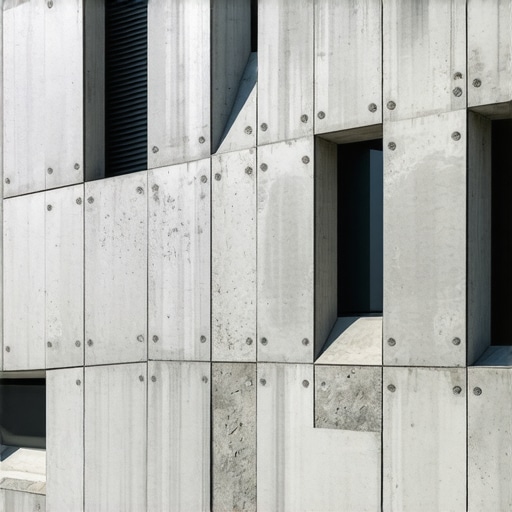
Visualize a digital twin model of a masonry facade with embedded sensors and data streams illustrating real-time structural health monitoring.
What Challenges Might Arise When Deploying These Technologies?
Despite their promising advantages, integrating self-healing materials and digital twin systems pose certain challenges. These include high initial investment costs, the need for specialized training, compatibility issues with existing structures, and concerns about long-term performance under diverse environmental conditions. A detailed analysis in the International Journal of Structural Integrity (2022) emphasizes the importance of pilot projects and phased implementation to mitigate risks and validate technology efficacy.
Engaging with Experts to Advance Masonry Preservation Tactics
To stay at the forefront of masonry conservation, professionals should actively seek collaborations with material scientists, data analysts, and industry innovators. Participating in specialized workshops, industry conferences, and online forums can facilitate knowledge exchange and foster innovative solutions tailored to specific project needs. As the field evolves rapidly, continuous education ensures that your masonry strategies remain resilient, sustainable, and aligned with the latest technological breakthroughs. For an in-depth exploration, consider consulting resources like the expert guide on advanced repair materials and staying engaged with ongoing research initiatives.
Harnessing Nanotechnology for Superior Masonry Defense
Recent breakthroughs in nanotechnology have introduced ultra-thin, hydrophobic nano-coatings that form a formidable barrier against water ingress, pollutants, and biological growth. These coatings not only extend the lifespan of masonry surfaces but also reduce maintenance frequency, making them a cost-effective solution for high-value heritage and commercial structures. Experts from the Nature Communications journal emphasize the importance of applying nano-coatings under controlled environmental conditions to maximize durability.
Integrating Smart Sensors for Real-Time Structural Insights
The advent of IoT-enabled smart sensors facilitates continuous monitoring of masonry health, enabling predictive maintenance that prevents catastrophic failures. These sensors detect parameters such as moisture levels, temperature fluctuations, and microcrack development, transmitting data to centralized systems for analysis. Implementing digital twin technology—virtual replicas of physical structures—allows engineers to simulate stress responses and plan proactive interventions, drastically reducing repair costs and downtime. For comprehensive strategies, consult the research in Structural Control and Health Monitoring.
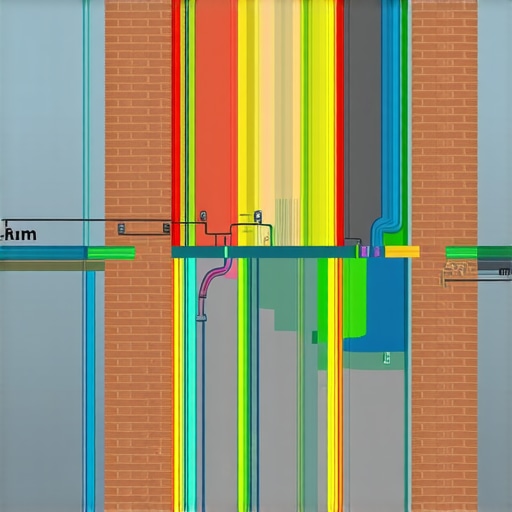
Diagram illustrating a digital twin model integrated with masonry facade sensors, showcasing real-time data flow and predictive analytics.
Why Microcrack Self-Healing Materials Are Game-Changers
Self-healing concretes and repair compounds, embedded with microcapsules containing healing agents, autonomously seal cracks upon formation, thereby preserving structural integrity and aesthetic appeal. According to the Journal of Materials in Civil Engineering, structures utilizing self-healing materials demonstrate up to a 50% increase in lifespan, significantly reducing long-term maintenance expenses. These materials are particularly advantageous in environments subject to freeze-thaw cycles, salt exposure, and biological deterioration.
Addressing Deployment Challenges for Advanced Masonry Solutions
Despite promising benefits, integrating nano-coatings, smart sensors, and self-healing materials involves challenges such as high initial costs, specialized application procedures, and ensuring long-term performance under diverse environmental conditions. Pilot projects and phased implementations, as highlighted by the International Journal of Structural Integrity, are essential for validating these technologies before large-scale deployment. Strategic planning and collaboration with research institutions can facilitate smoother integration and risk mitigation.
Elevate Your Masonry Projects with Expert Collaboration
To leverage these advanced preservation techniques, professionals should actively engage with industry experts, material scientists, and digital technology specialists. Participating in specialized workshops, industry conferences, and online forums fosters knowledge exchange and innovation. Staying informed about ongoing research and emerging best practices ensures your masonry interventions remain resilient, sustainable, and aligned with cutting-edge standards. For detailed insights, explore resources such as the advanced repair materials guide.
Expert Insights & Advanced Considerations
Prioritize Material Compatibility for Structural Resilience
Utilizing materials that harmonize with existing masonry ensures long-term durability. Flexible, breathable mortars and sealants facilitate moisture management, reducing freeze-thaw damage and biological deterioration. This expert-level approach minimizes future repair costs and preserves aesthetic integrity.
Leverage Cutting-Edge Technologies for Predictive Maintenance
Implementing digital twin systems and IoT sensors enables real-time monitoring of masonry health. These tools allow professionals to anticipate failures, optimize maintenance schedules, and extend the lifespan of structures. Embracing such innovations is essential for proactive preservation strategies.
Incorporate Self-Healing Materials to Minimize Interventions
Self-healing concretes and repair compounds autonomously seal microcracks upon formation, significantly increasing lifespan. These advanced materials reduce invasive repairs and sustain structural integrity against environmental stressors, representing a breakthrough in masonry maintenance.
Apply Nano-Coatings for Enhanced Surface Protection
Hydrophobic nano-coatings create a water-repellent barrier, shielding masonry from pollutants and biological growth. Their ultra-thin profile ensures preservation while reducing maintenance, especially valuable for historic and high-value properties.
Utilize Diagnostic Tools for Hidden Vulnerability Assessment
Ground-penetrating radar and laser scanning reveal unseen structural issues, enabling targeted repairs. Early detection of subsurface problems prevents costly failures and informs comprehensive restoration plans, elevating project precision and outcomes.
Curated Expert Resources
- National Association of Home Builders (NAHB) Technical Guides – Offers authoritative advice on material selection, compatibility, and best practices tailored for masonry professionals.
- Journal of Materials in Civil Engineering – Features cutting-edge research on self-healing materials and nanotechnology applications in masonry.
- Structural Control and Health Monitoring Journal – Provides insights into digital twin technology and sensor integration for structural health assessment.
- International Journal of Structural Integrity – Discusses challenges and solutions related to deploying advanced masonry preservation technologies.
- Industry Conferences and Workshops – Opportunities for hands-on learning and networking with innovators in masonry conservation.
Final Expert Perspective
Achieving excellence in masonry restoration hinges on integrating advanced materials, innovative technologies, and expert knowledge. From self-healing concretes to digital diagnostics, the future of masonry preservation is driven by science and strategic foresight. For industry leaders, continuous engagement with authoritative resources and collaboration with specialists are vital to deliver resilient, sustainable structures that stand the test of time. Explore more about these innovations and deepen your expertise by visiting this trusted resource and sharing your insights with fellow professionals.