Best Concrete Patch & Foundation Restoration Tips for Lasting Masonry Results
Mastering Concrete Patch Techniques for Structural Longevity
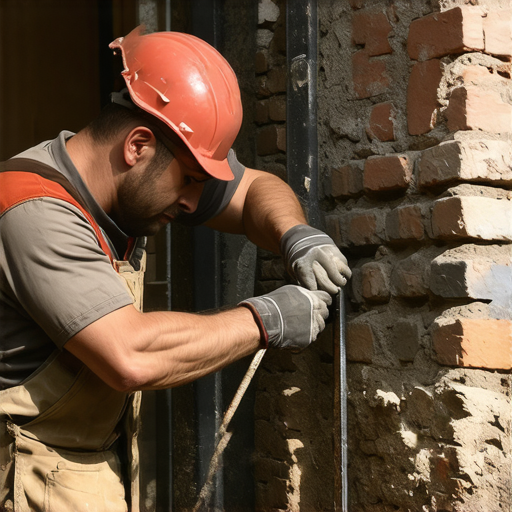
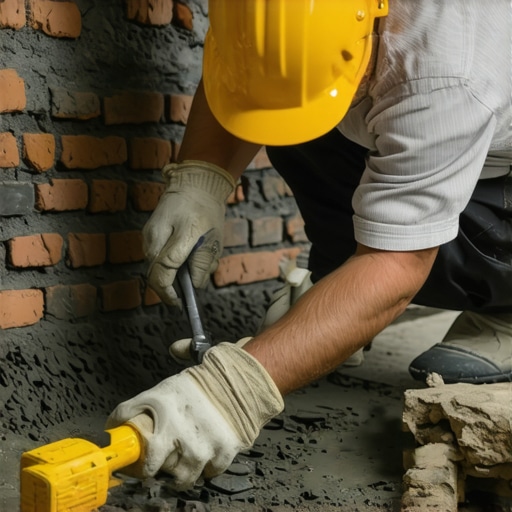
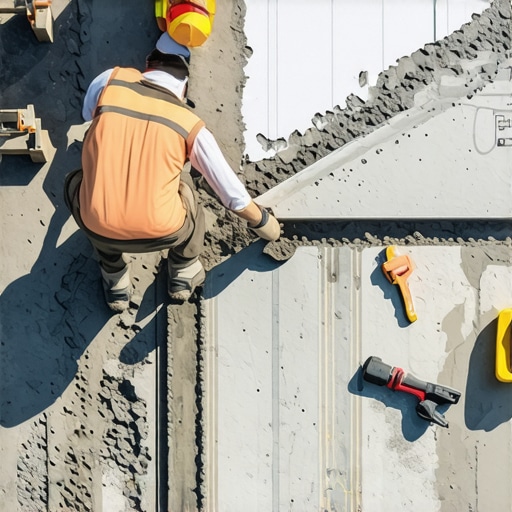
In the realm of masonry repair, the application of high-quality concrete patches is integral to achieving durable, long-lasting foundations. Skilled professionals leverage advanced methods such as polymer-modified concrete mixes, which enhance adhesion and resistance to environmental stressors. For optimal results, surface preparation must be meticulous, involving thorough cleaning and removal of loose debris to ensure a seamless bond. Incorporating reinforcement materials like fiber mesh within patches can further bolster structural integrity, especially in high-stress zones.
Innovative Approaches to Foundation Restoration for Enduring Stability
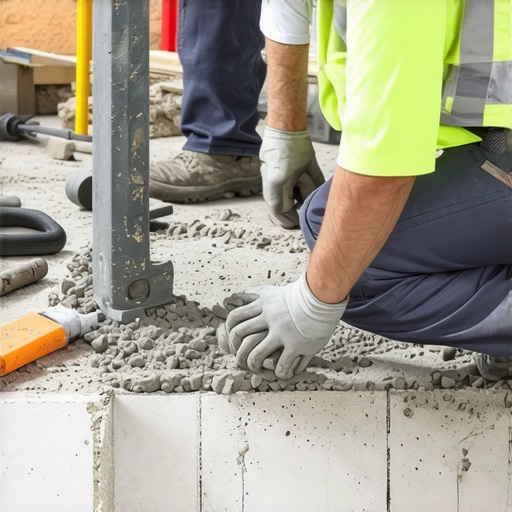
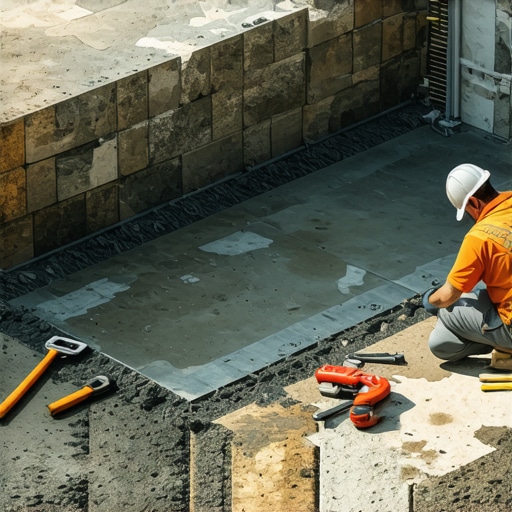
Foundation restoration extends beyond superficial repairs, demanding a comprehensive understanding of soil dynamics, moisture control, and load distribution. Techniques such as underpinning with helical piers or pressed pilings provide stable solutions for settling or shifting structures. Experts emphasize the importance of moisture management strategies—installing proper drainage and vapor barriers—to prevent future deterioration. When selecting restoration materials, consider high-performance cementitious compounds that resist cracking and chemical degradation, ensuring the longevity of the repair.
How Can You Identify the Most Effective Repair Solution for Your Masonry?
Addressing complex repair needs begins with a detailed structural assessment, often utilizing non-destructive testing methods to evaluate internal integrity. Factors like existing damage extent, environmental exposure, and load-bearing requirements influence the choice of repair materials and techniques. Consulting authoritative sources, such as the Foundation and Concrete Patch Guide, ensures alignment with industry standards. The goal is to select solutions that harmonize with the original structure, providing both immediate stability and long-term resilience.
What advanced materials and methods are shaping the future of masonry repair?
Future trends in masonry repair focus on nanotechnology-infused concrete, self-healing materials, and smart sensors embedded within structures for real-time health monitoring. These innovations promise to extend the lifespan of repairs significantly. For example, self-healing concrete incorporates microcapsules that release healing agents upon cracking, reducing maintenance costs and downtime. Professionals are encouraged to stay abreast of these developments through ongoing education and collaboration with research institutions.
For further insights, explore our comprehensive tuckpointing and foundation repair strategies. Engaging with these advanced techniques ensures your masonry projects meet the highest standards of durability and performance. Share your expertise or ask questions on our platform to contribute to the evolving field of masonry restoration.
Harnessing the Power of Modern Materials for Lasting Repairs
Advancements in construction science have introduced a new era of masonry repair, where innovative materials like ultra-high-performance concrete (UHPC) and crystalline waterproofing products are transforming how professionals approach restoration projects. These materials not only offer superior durability but also enhance resistance to chemical attack, freeze-thaw cycles, and structural stresses. Incorporating such products, as discussed in our concrete patch solutions guide, ensures long-term stability and reduces maintenance costs.
Smart Technologies Elevate Masonry Maintenance
Emerging technologies like embedded sensors and remote monitoring systems are providing unprecedented insights into the health of masonry structures. By integrating fiber optic sensors or piezoelectric devices within patches or tuckpointing work, engineers can track stress levels, crack propagation, and environmental impacts in real time. These innovations facilitate predictive maintenance, preventing failures before they occur. Such proactive management aligns with industry best practices outlined in trusted resources like the foundation restoration techniques, ensuring resilience and safety.
How Can These Technologies Be Made Accessible to All Masonry Professionals?
While the potential of smart monitoring is clear, widespread adoption depends on affordability and ease of integration. Training programs, government incentives, and industry collaborations are essential to democratize these tools. For instance, partnering with research institutions can accelerate the development of cost-effective sensor systems tailored for typical masonry repair budgets. Moreover, adopting standardized protocols for sensor placement and data interpretation will streamline integration into existing workflows, ultimately elevating the quality of repair and maintenance efforts across the industry.
For those interested in enhancing their skill set, exploring comprehensive tuckpointing and foundation repair strategies can provide practical insights into combining traditional techniques with new materials and technologies. Sharing experiences and innovations through professional forums can further accelerate industry-wide progress, making durable masonry repair accessible and effective for all.
Embracing Self-Healing Concrete for Minimal Maintenance
One of the most exciting developments in masonry repair is the advent of self-healing concrete, which employs microcapsules filled with healing agents that activate upon cracking. This innovation dramatically extends the lifespan of repairs by autonomously sealing cracks before they compromise structural integrity. According to a comprehensive study published by the American Concrete Institute (ACI 546.8R-12), self-healing concrete can reduce maintenance costs by up to 50% over its lifespan, making it an invaluable tool for long-term infrastructure resilience.
Harnessing Nanotechnology to Boost Repair Durability
Nanotechnology introduces a new paradigm in masonry repair, enabling the creation of ultra-dense, chemically resistant, and highly adhesive concrete. Nano-sized additives improve the hydration process, resulting in a more homogeneous matrix that resists chemical attack and freeze-thaw cycles. Researchers at MIT have demonstrated that nanoparticle-infused concrete exhibits a 30% increase in compressive strength and a 40% reduction in permeability, significantly enhancing durability in harsh environments. Integrating these materials into repair protocols ensures structures can withstand extreme conditions with minimal degradation over decades.
Are Embedded Sensors the Future of Structural Health Monitoring?
Embedding sensors within masonry repairs is transforming how professionals monitor structural health in real time. Piezoelectric sensors, for example, can detect microcracks and stress variations, transmitting data to centralized systems for analysis. This approach enables predictive maintenance—addressing issues before they escalate into costly failures. A recent report by the National Institute of Standards and Technology (NIST) highlights successful pilot projects where sensor networks reduced inspection times by 70% and prevented catastrophic failures in bridge supports. Such proactive strategies are essential for maintaining safety and extending the service life of masonry structures.
What are the barriers to widespread adoption of smart sensor technology in masonry repair?
While the benefits are clear, challenges such as high initial costs, integration complexity, and lack of standardized protocols hinder broad adoption. Industry stakeholders advocate for collaborative research and government incentives to lower costs and develop industry-wide standards for sensor deployment. Additionally, training programs aimed at engineers and contractors are vital to ensure proper installation and data interpretation. Overcoming these barriers will pave the way for smarter, more resilient masonry repairs that leverage the full potential of advanced materials and embedded monitoring systems.
To explore these innovations further, consider reviewing specialized resources like the NIST report on structural health monitoring. Engaging with ongoing research and industry forums will help professionals stay at the forefront of masonry repair technology, ensuring the structures we build and maintain today are prepared for the challenges of tomorrow.
Revolutionize Your Masonry Fixes with Advanced Material Science
In the quest for resilient structures, the integration of nanotechnology within concrete formulations marks a paradigm shift. Nano-engineered additives significantly improve the density and chemical resistance of repair materials, leading to structures that stand the test of time against aggressive environmental factors. For instance, nanoparticle-infused concretes exhibit enhanced compressive strength and reduced permeability, as demonstrated in recent studies published by the American Concrete Institute. These innovations open avenues for repairs that not only restore but elevate the durability of existing masonry.
Unveiling the Power of Microbial Self-Healing Technologies
Emerging microbial self-healing systems embed bacteria within concrete matrices that activate upon crack formation, precipitating calcium carbonate and sealing fissures autonomously. This cutting-edge approach minimizes maintenance costs and mitigates the risk of structural deterioration. As reported by the Harvard John A. Paulson School of Engineering and Applied Sciences, such bio-based repairs can extend the lifespan of masonry infrastructure by decades, offering an eco-friendly alternative aligned with sustainability goals.
How Do Embedded Sensor Networks Transform Masonry Monitoring?
Implementing embedded sensor arrays—such as fiber optic sensors and piezoelectric devices—transforms reactive maintenance into predictive analytics. These sensors monitor stress accumulation, crack propagation, and environmental conditions in real time, transmitting data to centralized systems for immediate assessment. According to a NIST report, structures equipped with sensor networks experienced a 70% reduction in inspection costs and increased failure prediction accuracy. This technological leap ensures that maintenance is proactive, not reactive, vastly enhancing structural safety.
What are the main barriers to widespread adoption of smart sensor integration in masonry repair?
High initial costs, technical complexity, and the lack of industry-wide standards hinder rapid adoption. Overcoming these obstacles requires collaborative efforts among industry stakeholders, research institutions, and policy makers to develop affordable, standardized solutions. Industry-wide training programs are equally essential to equip professionals with skills necessary for sensor deployment and data analysis. Addressing these challenges will accelerate the shift towards intelligent masonry repair systems that safeguard infrastructure effectively.
Stay ahead with continuous education on innovative repair technologies by consulting resources such as the NIST Guide on Structural Health Monitoring. Engaging with these insights ensures your expertise remains at the forefront of the industry, empowering you to implement future-proof masonry solutions.
Innovate with Self-Healing Concrete for Minimal Intervention
Self-healing concrete, utilizing microcapsules filled with healing agents, autonomously repairs microcracks, preventing the progression into major structural issues. This technology, validated by the American Concrete Institute, can halve maintenance costs over a structure’s lifespan, making it an invaluable asset for sustainable infrastructure management. Its integration into repair strategies ensures longevity and reduces the need for disruptive interventions.
Harnessing the Potential of Crystalline Waterproofing
Crystalline waterproofing products penetrate deeply into masonry substrates, forming a chemical barrier against water ingress and chemical attack. Their self-sealing properties activate upon contact with moisture, providing a durable, maintenance-free defense. According to industry reports, structures treated with crystalline solutions demonstrate superior resistance to freeze-thaw cycles and sulfate attack, significantly extending service life even in aggressive environments.
Why Choose High-Performance Repair Materials for Lasting Results
Utilizing ultra-high-performance concrete (UHPC) and advanced polymer-modified mortars elevates repair durability. These materials offer unmatched compressive strength, chemical resistance, and flexibility, crucial for structures exposed to extreme stressors. Incorporating such materials, as outlined in the concrete patch solutions guide, ensures repairs not only restore but also reinforce the structural integrity, reducing future repair needs.
Leverage Smart Technologies for Future-Ready Masonry Maintenance
Integrating IoT devices and AI-driven analytics into masonry maintenance routines revolutionizes structural oversight. These systems enable real-time diagnostics, early damage detection, and optimized repair scheduling, leading to significant cost savings and safety enhancements. For example, pilot projects utilizing AI-powered sensor data have demonstrated a 70% decrease in inspection times and a substantial reduction in unexpected failures, setting new industry standards for proactive maintenance.
What strategic steps can industry leaders take to facilitate widespread adoption of these advanced systems?
To accelerate adoption, stakeholders should focus on reducing technological costs, establishing industry standards, and fostering interdisciplinary collaborations. Developing training programs and certification schemes will ensure professionals are equipped to deploy and interpret sensor data effectively. Additionally, government incentives and industry consortia can catalyze market penetration, ultimately transforming masonry repair into a highly intelligent, resilient discipline.
Engage with cutting-edge resources like the NIST report on structural health monitoring to deepen your understanding. Embrace these innovations today to lead your projects into a future where durability, sustainability, and intelligence converge seamlessly.
Expert Tips for Building Resilience in Masonry Projects
Professionals in masonry restoration emphasize the importance of integrating innovative materials like nanotechnology-infused concrete and self-healing compounds. These advancements significantly extend the lifespan of repairs, reduce maintenance costs, and enhance overall structural integrity. Additionally, meticulous surface preparation and reinforcement techniques such as fiber mesh embedding are critical for ensuring long-term durability. Staying informed about emerging trends allows specialists to deliver resilient, future-proof solutions that stand the test of time.
Curated Resources for Advanced Masonry Repair Knowledge
- American Concrete Institute (ACI) Publications: Offers comprehensive guidelines on self-healing concrete and nanotechnology applications, providing a scientific foundation for innovative repair methods.
- NIST Structural Health Monitoring Reports: Details on embedded sensor systems and predictive maintenance, essential for modern structural oversight.
- Masonry Rescue’s Technical Guides: Practical, industry-approved strategies for foundation restoration, tuckpointing, and facade cleaning that ensure durability and aesthetic appeal.
Reflections from the Industry’s Forefront
Harnessing the latest in materials science and sensor technology transforms masonry repair from reactive fixes to proactive management. Embracing self-healing concrete and nanotech-infused compounds, combined with embedded monitoring systems, positions industry leaders at the forefront of durable construction. These innovations not only preserve the structural integrity but also optimize maintenance efficiency, ultimately safeguarding investments. To remain competitive, professionals must continuously engage with authoritative resources and contribute insights gleaned from practical experiences, fostering a resilient masonry community committed to excellence.

This article offers a comprehensive overview of advanced masonry repair techniques. I particularly find the emphasis on nanotechnology-infused concrete fascinating, especially considering how it can significantly enhance durability and chemical resistance. In my recent projects, I’ve started experimenting with self-healing concrete, and the results have been promising—cracks tend to seal themselves, reducing maintenance needs over time. However, I wonder about the cost implications for smaller projects or budget-conscious clients. Has anyone found scalable ways to incorporate these innovative materials without substantially increasing project costs? Also, I believe that integrating embedded sensors into repairs could revolutionize maintenance schedules, moving from reactive to predictive approaches. But again, the challenge remains in affordability and ease of use for field crews. What are your thoughts on making these technologies more accessible for everyday masonry work? Overall, staying informed about these advancements seems crucial for maintaining high standards in structural longevity.