3 Reasons Tuckpointing Machine Services Beat Hand Tools in 2026
The Ghost in the Wall: A Forensic Post-Mortem
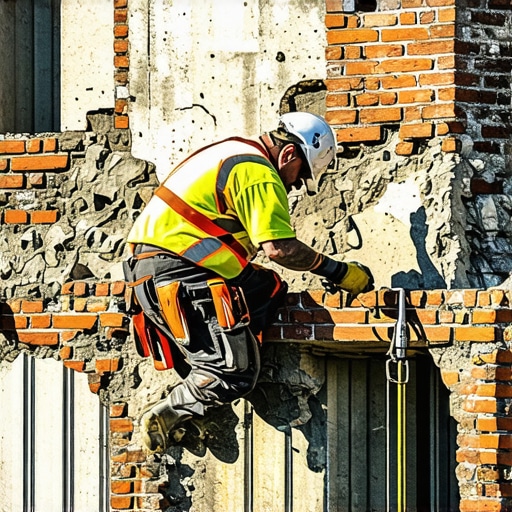
The homeowner told me it was just a hairline crack, a minor cosmetic blemish on a 1920s Tudor chimney that had survived a century of North American winters. But when I slid the fiber-optic scope into a 1/8th-inch gap in the mortar, the grit of reality hit me. The structural steel lintel was not just rusted; it had exfoliated into a jagged, orange dust, expanding to three times its original thickness and jack-lifting the soldier course above it. This wasn’t a masonry failure; it was a slow-motion explosion caused by decades of ‘handyman specials’ slapping a thin layer of hard Portland cement over soft, weeping lime joints. In the trade, we call this a death sentence for brick. By 2026, the industry has finally realized that the old way of swinging a hammer and chisel is often more destructive than the decay it seeks to fix. This is why professional masonry restoration has pivoted toward high-precision machine tuckpointing.
The Physics of the Void: Why Hand Tools Struggle
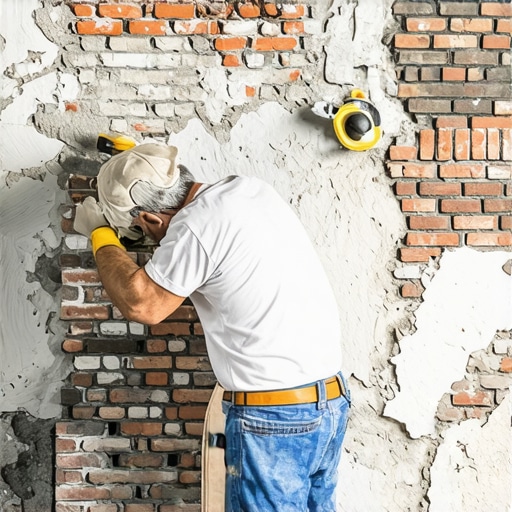
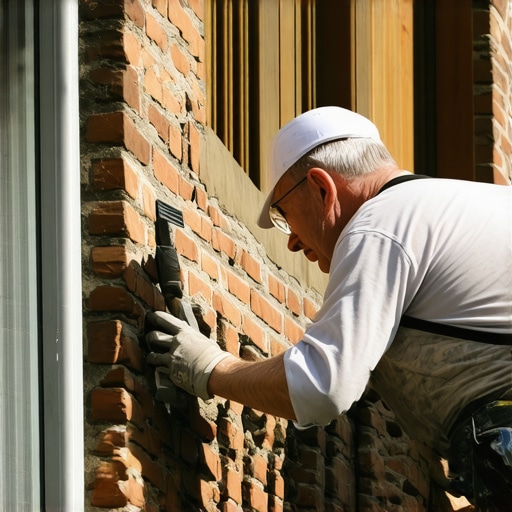
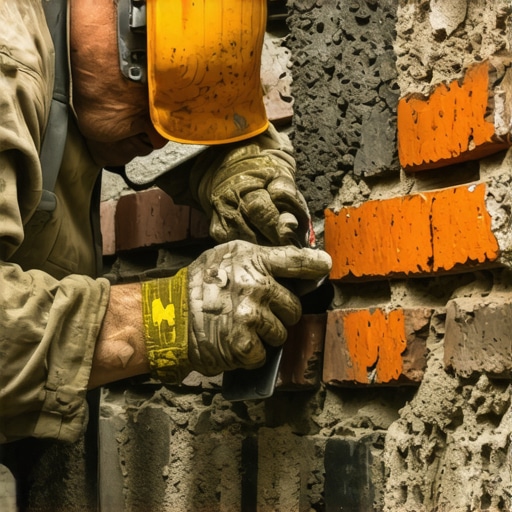
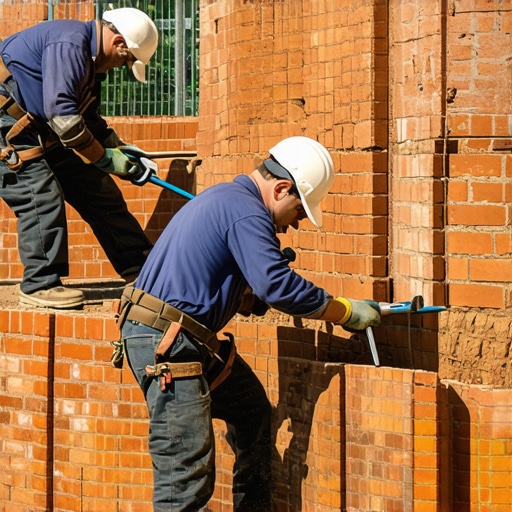
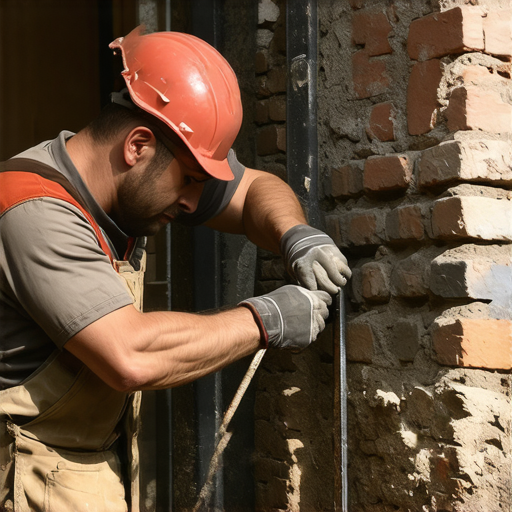
When you take a hammer and chisel to a 100-year-old wall, you aren’t just removing mortar; you are sending shockwaves through the entire masonry unit. These micro-fractures compromise the ‘tooth’ of the brick—the tiny pores that allow the new mud to grab hold. If you don’t achieve a clean, square-cut void of at least 3/4 of an inch, you are just ‘buttering’ the surface. That thin skin of mortar will eventually delaminate because it lacks the mass to handle thermal expansion. Machine-assisted grinding, particularly with vacuum-shrouded diamond blades, creates a surgical channel without the blunt-force trauma of manual impact. This precision is vital for mortar matching services, where the chemical composition of the new material must perfectly align with the historical substrate to prevent the ‘sacrificial principle’ from being inverted—where the brick fails before the mortar.
“Water penetration is the single greatest threat to masonry durability. Proper joint preparation is the only defense against the hydrostatic pressure built up during freeze-thaw cycles.” – BIA Technical Note 7
Reason 1: Uniform Compaction and the Elimination of Honeycombing
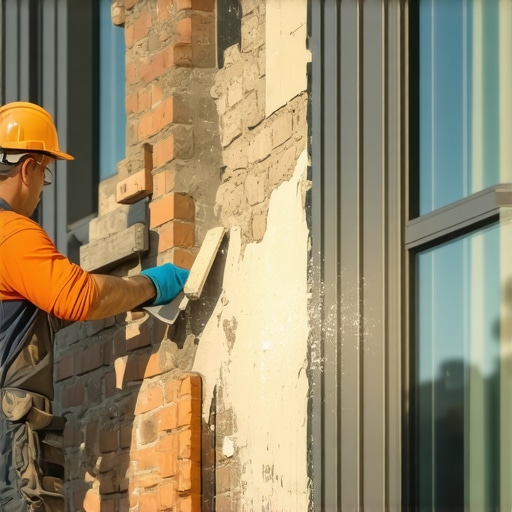
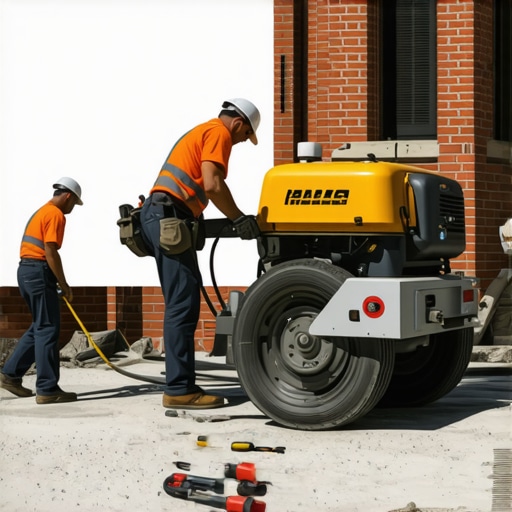
In 2026, the primary advantage of machine-fed tuckpointing is the density of the pack. When a mason uses a slicker and a hawk to hand-fill a joint, there is an inevitable human error involved in the ‘lift.’ You get air pockets—honeycombing—hidden deep within the joint. In a climate where water expands 9% upon freezing, these air pockets become reservoirs for destruction. Modern tuckpointing machines use pneumatic or auger-driven delivery to inject the mud at a consistent pressure, ensuring the joint is packed from the back to the face. This creates a monolithic barrier that integrates with tuckpointing weatherproofing techniques, sealing the wall against the relentless moisture drive. Without this level of compaction, even the best brickwork pointing styles—whether it’s a Weathered, Grapevine, or V-joint—are merely decorative masks for a hollow structure.
Reason 2: AI Masonry Assessment and Depth Calibration
We’ve entered an era where AI masonry assessment is no longer science fiction. Before we even touch a tool to the wall, we use LiDAR and thermal imaging to detect chimney leak detection zones and structural voids. This data is fed into our machining equipment, allowing us to calibrate the depth of the grind based on the specific degradation of that section of the wall. When dealing with stone wall repair or chimney structural repair, this level of data-driven precision prevents us from over-grinding and weakening the structural integrity of the masonry. Hand tools simply cannot compete with the ability to maintain a consistent depth across ten thousand linear feet of joints. This consistency is what prevents the ‘wavy’ look of a poorly restored facade and ensures that the structural load remains evenly distributed across the masonry units.
Reason 3: Chemical Synthesis and Efflorescence Mitigation
One of the biggest headaches for any master mason is brick efflorescence removal. Those white, salty streaks aren’t just ugly; they are the signature of water moving through the wall and leaching out minerals. Hand-mixed mortar on a job site often suffers from ‘flash setting’ in hot weather or improper water-to-cement ratios, which exacerbates salt migration. Machine-integrated systems often utilize pre-hydrated, factory-calibrated mortars that are fed through the system at optimal moisture levels. This precision ensures that the hydration process—where calcium hydroxide transforms into calcium carbonate—happens slowly and completely. A slow cure is a strong cure. By controlling the application environment, we ensure the professional masonry restoration project actually lasts another century rather than failing in five years due to chemical imbalance.
“The mortar shall be softer than the masonry units so that it acts as a sacrificial element, allowing for moisture movement and thermal expansion without fracturing the brick.” – ASTM C270 Standards
The Reality of Modular Retaining Walls and Hardscapes
While the focus is often on historic brick, these machine-driven principles apply equally to modular retaining walls. These modern systems rely on gravity and friction, but the moment you introduce mortar or adhesive caps, the physics of drainage remains the same. If you are ‘buttering’ a cap stone by hand without proper pressure, that cap will pop the first time the temperature drops below 32 degrees. Whether it’s a 19th-century chimney or a 21st-century patio, the ‘mud’ needs to be more than just a glue; it needs to be a breathable, flexible gasket. In 2026, we don’t just ‘fix’ walls; we perform forensic surgery. We use chimney leak detection to find the source, AI to map the damage, and precision machines to execute the cure. Anything less is just a band-aid on a bullet wound. Do it once, do it right, or you’ll be calling me back in three years to pick up the pieces of your ‘lick-and-stick’ disaster.