The Ghost on the Wall: Why Your Restoration Looks Like a Patchwork Quilt
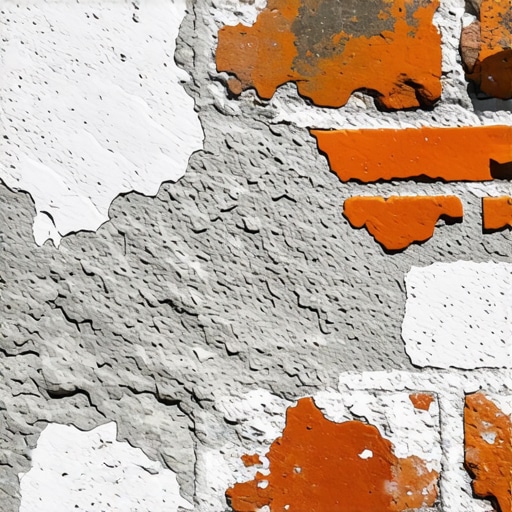
You walk outside, coffee in hand, expecting to see a pristine, restored brick facade. Instead, you see a grid of bright, bluish-gray scars cutting across a face of warm, weathered orange-red. It looks like a cheap suit with mismatched buttons. As someone who has spent thirty years with a hawk and trowel, I see this tragedy every single day. The homeowner paid for professional masonry restoration, but what they got was a ‘handyman special’ masquerading as craftsmanship. The reason your new tuckpointing doesn’t match the old mortar isn’t just a ‘bad color choice’; it is a fundamental failure to understand the chemical and geological DNA of your home.
The Wisdom of the Wash: A Lesson in Aggregate
I remember an old Neapolitan mason named Sal I worked under back in South Philly. He didn’t carry a color wheel or a fan deck of paint chips. When we approached a 1920s rowhome with crumbling joints, he’d take a chunk of the original mud, drop it into a mason jar with a bit of muriatic acid, and wait. Once the binder dissolved, he’d point to the sediment at the bottom. ‘That’s your secret, kid,’ he’d say, pointing to the tiny flecks of black basalt, translucent quartz, and red iron-oxide pebbles. ‘You don’t match the pigment; you match the sand.’ Most modern contractors grab a bag of Type N pre-mix from a big-box store and wonder why it looks like plastic against historic clay. They are ignoring the aggregate gradation—the very ‘tooth’ of the wall.
“Mortar should be designed to be physically and chemically compatible with the masonry units. A mortar that is too hard can cause irreversible damage to historic brick.” – BIA Technical Note 16
The Chemistry of Conflict: Portland vs. Lime
The primary reason for the visual and structural mismatch is the shift in binder technology. Before the mid-1940s, mortar was primarily a mix of lime and sand. It was soft, flexible, and porous. Modern mortar is heavy on Portland cement. This creates a ‘cold joint’ where the new material refuses to bond with the old. But the real crime is the physics of ‘breathability.’ A historic brick is like a sponge; it sucks in water and needs to let it out. Lime mortar acts as the wick, drawing moisture out through the joints. When a contractor slaps in a hard, non-porous Portland-based mud, the water gets trapped. In a freeze-thaw damage restoration scenario, that trapped water expands by 9%, and since the mortar is now harder than the brick, the face of your historic brick pops off. We call this spalling, and it is the death knell for a historic facade.
The Physics of the ‘Slicker’ and the ‘Butter’
When we talk about historic pointing styles, we aren’t just talking about aesthetics; we are talking about water shedding. A true master uses a slicker—a thin, narrow tool—to compress the mud into the joint. Compression is key. If the mason is just ‘buttering’ the edges without packing the joint to the back, you’re left with honeycombing—tiny air pockets behind the surface that invite water. This leads to brick veneer detachment repair needs down the line. A soldier course, those bricks standing on end, is particularly vulnerable. If the vertical head joints aren’t packed tight, gravity and hydrostatic pressure will eventually peel that veneer right off the framing. I’ve seen $100,000 additions look like they’re melting because the installer didn’t understand the suction, or the Initial Rate of Absorption (IRA), of the brick they were using.
Micro-Zooming into the Sand Matrix
Let’s get nerdy about the sand. The color of your mortar is 80% determined by the aggregate. If the original mason used local river sand, it has rounded edges and a specific mineral tint. If the modern repair uses crushed quarry stone, the sharp-angled silica grains reflect light differently, creating a ‘sparkle’ that looks artificial next to the muted, weathered original. Furthermore, the ‘suction’ of the brick matters. If you don’t pre-wet a high-suction historic brick, it will suck the water out of your new mud instantly. This ‘burns’ the mortar, preventing the hydration process and leaving you with a brittle, dusty joint that will fail before the next season ends. Professional masonry restoration requires ‘misting’ the wall to ensure the bond is chemical, not just mechanical.
The Retaining Wall Disaster: A Lesson in Drainage
It’s not just walls that fail; it’s the structures holding back the earth. I once inspected a failing retaining wall repair where the homeowner had tried to ‘waterproof’ the front of the stone. They used a heavy-duty porous stone sealer on the face, thinking it would stop the rot. It did the opposite. Behind the wall, the soil was saturated. Without a retaining wall drainage upgrade—specifically a French drain or weep holes—the hydrostatic pressure was equivalent to thousands of pounds of force. The sealer kept the water *in* the stone. When the first hard frost hit, the entire face of the wall delaminated, falling off in sheets. You don’t stop water; you direct it. Advanced masonry adhesives can help for minor masonry joint sand repair, but they won’t stop the physics of a thousand gallons of trapped groundwater.
“The principal cause of masonry failure is the presence of moisture within the wall system, which leads to efflorescence, subflorescence, and the disruption of the unit-to-mortar bond.” – ASTM C1324 Standard
The Solution: Why Custom Blending is Non-Negotiable
To get a perfect match, you need to go beyond the bag. It starts with a mortar analysis. We take a sample, crush it, and determine the lime-to-cement ratio. Then, we source sand that matches the original sieve analysis. If the original mortar had bits of charcoal or crushed oyster shells (common in coastal historic masonry), we add them back in. We use masonry waterproofing solutions that are vapor-permeable, like silanes or siloxanes, which allow the wall to ‘breathe’ while shedding liquid water. This is the difference between a ‘patch job’ and a restoration. When you strike the joint with the slicker, you are not just making it look pretty; you are ensuring the longevity of the structure. Do it once, or do it twice—the choice is usually written in the mortar you choose. In the end, a wall is a living thing. It moves, it breathes, and it reacts to the sun and the frost. If you treat it like a static piece of plastic, it will fail you. If you treat it with the respect the ‘Old World’ masters did, it will stand for another century.