
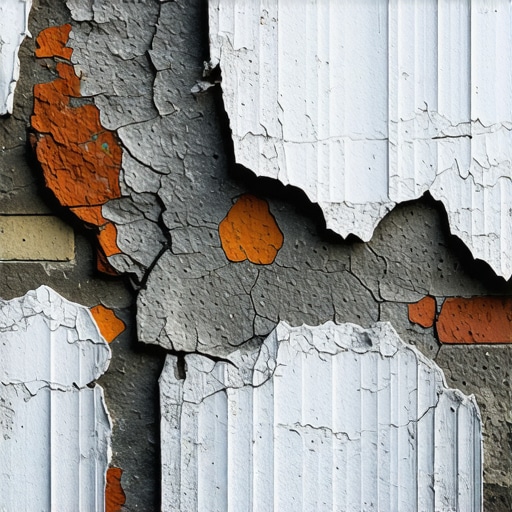
The homeowner thought it was just a hairline crack, a minor blemish on a century-old facade that could be patched with a bit of hardware store caulk. But when I put my scope inside the cavity of that brick column repair, I saw the structural steel was rusted to dust, a victim of decades of trapped moisture and the wrong ‘mud’ choice. This is the reality of forensic masonry. You don’t just look at the surface; you look at the soul of the wall. When we talk about structural repointing, we aren’t talking about making things look pretty for a Saturday open house. We are talking about the mechanical integrity of the building envelope, the science of load-bearing masonry, and the physics of how a structure breathes.
The Anatomy of Failure: Beyond the Surface
Most people see a wall as a solid object. It’s not. It’s a living, moving assembly of units and joints. When that assembly begins to fail, the symptoms are often ignored until the damage is irreversible. Take a brick quoin repair, for instance. Those corner stones or bricks aren’t just decorative; they are the anchors of the wall’s geometry. If the mortar in those joints has lost its ‘tooth’—that microscopic grip into the pores of the brick—the entire corner loses its ability to distribute the load. You start seeing stair-step cracks that tell a story of settlement and structural fatigue. This is where most handymen fail. They ‘butter’ the edges of the joint, a practice we call ‘lick-and-stick,’ which does nothing but trap water. Real structural repointing requires grinding out the joint to a depth of at least two and a half times its width to ensure the new mortar actually becomes part of the wall’s structural fabric.
“Water penetration is the single greatest threat to masonry durability. Proper mortar joint finishing and maintenance are essential for the longevity of the structure.” – BIA Technical Note 7
The Physics of the Freeze-Thaw Cycle
In regions where the thermometer bounces across the freezing line, masonry is under constant attack. Water is a relentless force. When it gets into a joint and freezes, it expands by about 9%. If you’ve used a hard, Portland-heavy mortar on old, soft bricks, that expansion has nowhere to go. The mortar is harder than the brick, so instead of the joint yielding, the face of the brick pops off. This is called spalling. I’ve seen spalled concrete steps repair jobs where the ‘pro’ just threw some high-strength patch over the top. Six months later, the whole thing delaminated because they didn’t address the carbonation of the underlying rebar. The steel rusted, expanded, and blew the concrete apart from the inside out. You have to understand the chemistry. Sustainable masonry materials like lime-based mortars are ‘sacrificial.’ They are designed to be softer than the brick, allowing the wall to shift and breathe, and providing a path for moisture to evaporate rather than getting trapped and causing destruction.
Retaining Walls and the Weight of Water
A retaining wall isn’t just a fence made of stone; it’s a dam. The biggest mistake in the industry is ignoring the hydrostatic pressure building up behind the stone. I recently inspected a wall that was leaning three inches off plumb. The owner wanted a quick patch. I told him he didn’t need a mason; he needed a retaining wall drainage upgrade. Without weep holes and a proper gravel backfill, that wall was trying to hold back thousands of pounds of saturated soil. No amount of mortar will stop a wall from tipping if the physics of drainage aren’t respected. We had to excavate, install a perforated pipe system, and then perform the structural repointing to restore the bond. It’s about managing the environment, not just the materials.
The Chimney: A Forensic Microcosm
Chimneys are the most exposed part of any building, subjected to extreme thermal expansion and acidic flue gases. A simple chimney sweep and repair often turns into a major structural project when I see ‘honeycombing’ in the mortar. This is where the mortar has literally turned to sand inside the joint. The heat from the fireplace accelerates the drying out of the mortar, and if the original mason didn’t ‘slick’ the joints properly with a slicker tool, the water gets in and stays there. Masonry waterproofing solutions aren’t a ‘spray-and-forget’ fix here. You need silane-siloxane based breathables that stop liquid water but let vapor escape. If you use a film-forming sealer, you’re just gift-wrapping your chimney for a future collapse.
“Mortar should be weaker than the masonry units so that any cracks that occur will be in the mortar joints and not in the units themselves.” – ASTM C270
The Hardscape Truth: Driveways and Foundations
When I look at a brick paver driveway repair, I’m not looking at the bricks; I’m looking at the compaction of the sub-base. If your pavers are sinking, it’s not because the bricks failed; it’s because the earth moved. This is the same logic we apply to foundation slab jacking. If the soil has heaved or settled, you can’t just fill the cracks. You have to stabilize the ground. We use high-density polymers or cementitious grouts to lift the slab back to its original elevation. Only after the structure is stable do we go back and fix the cosmetic joints. Doing it in any other order is just burning the client’s money.
The Master’s Touch: Tools and Technique
Watching a master work the ‘mud’ on a hawk is a lesson in patience. We don’t just slap it in. We ‘butter’ the brick, ensuring there are no ‘cold joints’—those weak spots where new mortar fails to bond with the old. We use a jointer or a slicker to compress the mortar into the joint. That compression is vital; it reduces the porosity of the surface and creates a weather-tight seal. We look for ‘suction’—the way a dry brick pulls the moisture from the mortar, creating a mechanical bond that can last a century. This isn’t something you learn from a YouTube video; it’s something you feel in your forearms after a ten-hour day. In the end, structural repointing is about honoring the original builder by using the right materials and the right techniques to ensure the building stands for another hundred years. Don’t settle for a handyman’s patch when the bones of your home are at stake.