Trusted Tuckpointing & Facade Cleaning for Better Property Durability
Elevating Structural Integrity Through Precision in Tuckpointing and Facade Restoration
In the realm of masonry maintenance, the convergence of advanced tuckpointing techniques and meticulous facade cleaning serves as a cornerstone for enhancing property longevity. As seasoned professionals recognize, these processes are not mere aesthetic upgrades but vital interventions that fortify structural resilience against environmental stressors and material degradation. Understanding the intricate mechanics behind these methods allows property owners and contractors to implement solutions that extend the lifespan of edifices and preserve their value over decades.
Deciphering the Synergy Between Tuckpointing and Facade Conservation
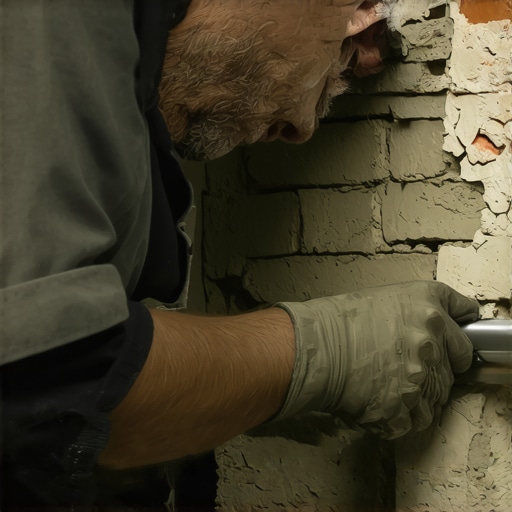
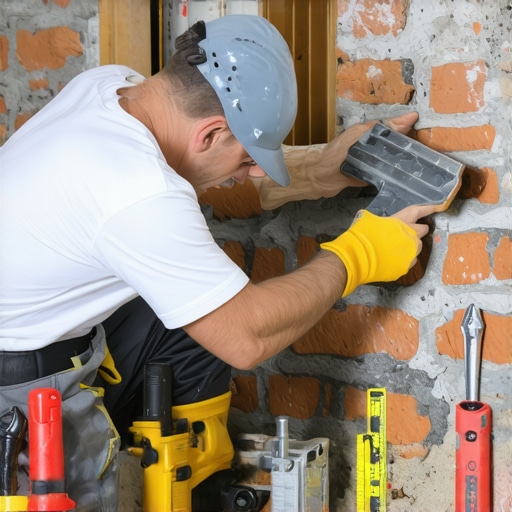
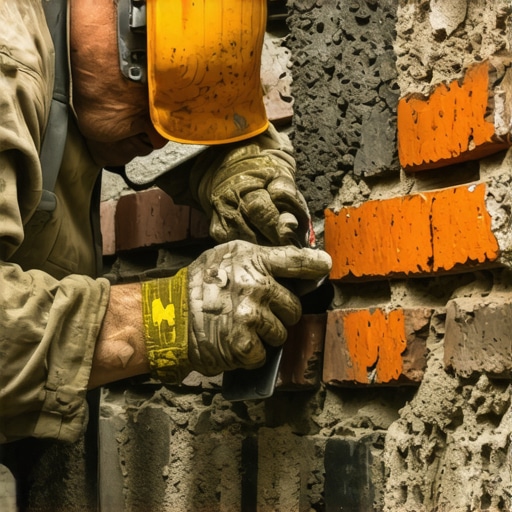
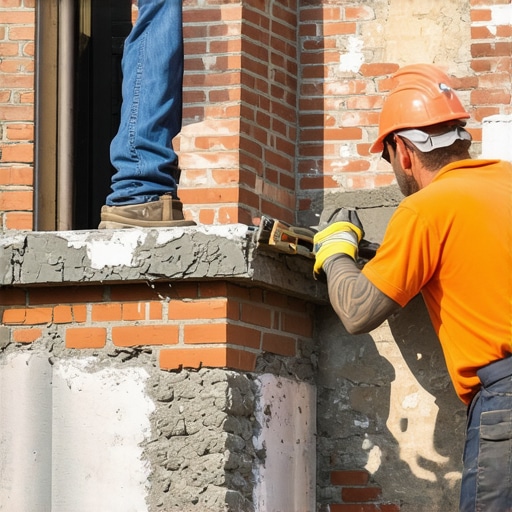
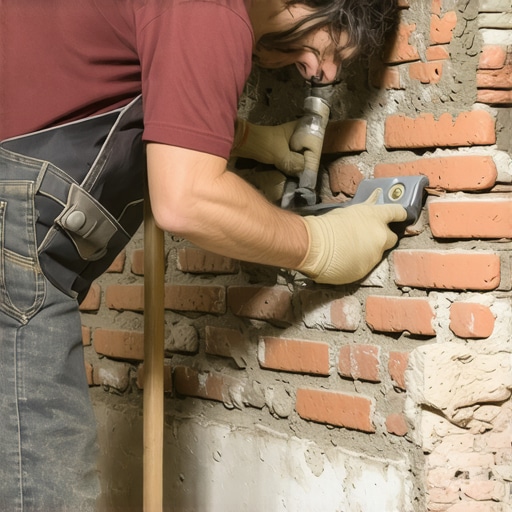
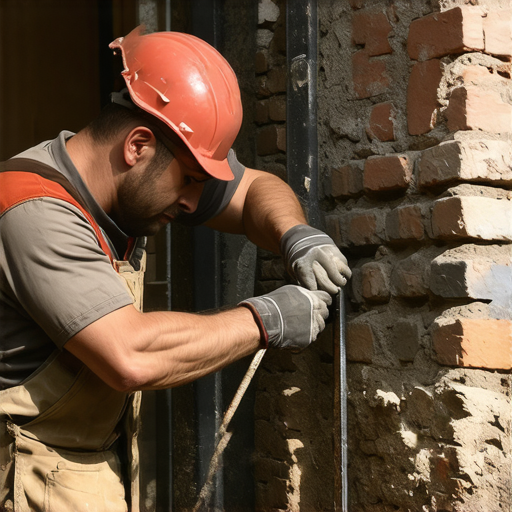
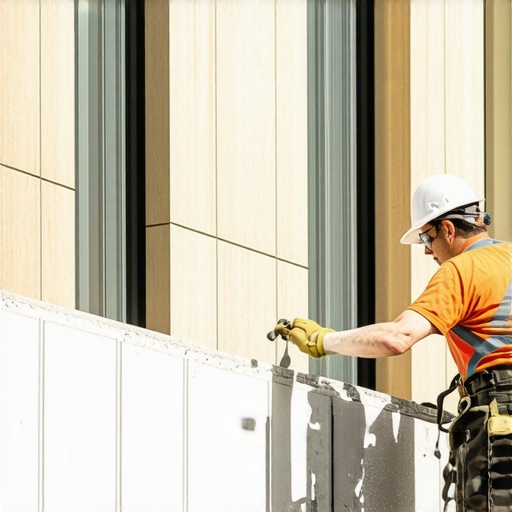
Expert tuckpointing involves the precise removal and replacement of deteriorated mortar joints, a task demanding both technical mastery and an acute understanding of masonry chemistry. When executed correctly, it prevents water infiltration, reduces freeze-thaw damage, and maintains the structural cohesion of brickwork. Complementing this, professional facade cleaning rejuvenates surface integrity by removing pollutants, biological growth, and ingrained dirt that accelerate material decay. This dual approach not only enhances visual appeal but substantially mitigates long-term repair costs.
What Are the Hidden Benefits of Advanced Masonry Restoration Techniques?
Beyond immediate aesthetic improvements, expert-grade tuckpointing and facade cleaning contribute to improved insulation, reduced energy consumption, and increased resistance to weather-induced deterioration. For example, employing high-quality materials such as polymer-modified mortar can provide enhanced bonding strength and flexibility, accommodating slight movements without cracking. Moreover, integrating eco-friendly cleaning agents ensures surface preservation while aligning with sustainable practices. Such benefits underscore the importance of adopting a holistic, expert-led approach to property maintenance.
How Can Property Owners Identify the Most Critical Masonry Issues Before Damage Escalates?
Proactive assessment by masonry professionals involves detailed inspections that utilize moisture meters, infrared thermography, and visual diagnostics to detect hidden vulnerabilities. Regular evaluations enable early intervention, preventing minor problems like hairline cracks or efflorescence from evolving into structural failures. Engaging with trusted specialists ensures that maintenance strategies are tailored to the specific materials and environmental conditions of each property, ultimately saving significant repair expenses and preserving structural integrity.
For further insights into durable facade restoration, explore expert strategies at this comprehensive resource. If you are a masonry contractor or property manager, sharing your experiences can help refine industry standards and promote best practices in masonry preservation.
Unlock the Power of Proven Masonry Repair Strategies
Effective masonry maintenance hinges on a blend of precise techniques and strategic planning. When it comes to tuckpointing and foundation restoration, the goal extends beyond surface appearance — it’s about ensuring long-term structural health. Engaging with trusted sources like this comprehensive guide can provide invaluable insights into selecting high-quality materials and methods that stand the test of time.
Why Surface Preparation Sets the Stage for Durability
Before applying any repair solution, thorough surface preparation is key. Removing loose or damaged mortar, cleaning the surface, and addressing underlying issues like moisture intrusion create a solid foundation for durable repairs. Skilled contractors often utilize specialized tools such as moisture meters and infrared thermography to identify hidden vulnerabilities, ensuring that no problem is overlooked. This proactive approach minimizes the risk of future deterioration and optimizes the lifespan of repairs.
What Are the Latest Innovations in Masonry Repair Materials?
Modern materials like polymer-modified mortars and eco-friendly cleaning agents are revolutionizing the field. These innovations offer enhanced bonding, flexibility, and environmental sustainability—factors that contribute to more resilient structures. For instance, high-performance mortars can accommodate slight movements within the masonry, reducing the likelihood of cracking and water infiltration. To achieve optimal results, property owners and contractors should stay informed about these advancements, which are often highlighted in expert resources such as this expert guide.
Transforming Maintenance into a Long-Term Investment
Beyond immediate repairs, adopting a preventative maintenance mindset is crucial. Regular inspections, timely crack repairs, and facade cleaning not only preserve aesthetic appeal but also significantly extend the lifespan of masonry elements. For example, integrating eco-friendly facade cleaning solutions can remove biological growth and pollutants without damaging the surface, maintaining property value. Additionally, professional tuckpointing can restore the structural integrity of mortar joints, preventing water ingress and freeze-thaw damage. More detailed strategies are available at this resource.
How Can Advanced Diagnostics Detect Hidden Masonry Issues Before They Escalate?
Utilizing cutting-edge diagnostic tools like infrared thermography and moisture meters enables professionals to uncover concealed problems, such as rising damp or internal cracks, that are not visible to the naked eye. Early detection allows for targeted interventions, saving costs and avoiding extensive repairs later. This proactive diagnostic approach exemplifies the importance of expert oversight in masonry maintenance, as detailed in this expert article. If you’re interested in deepening your understanding of masonry diagnostics, sharing your experiences can help foster industry-wide improvements.
Harnessing the Power of Modern Adhesives to Reinforce Historic Masonry
In the realm of masonry restoration, the advent of advanced adhesive technologies has opened new avenues for strengthening deteriorated structures without compromising their historic integrity. High-performance epoxy and polyurethane-based adhesives now allow for precise bonding of masonry elements, filling gaps and cracks with minimal invasiveness. These materials exhibit exceptional durability, flexibility, and moisture resistance, making them indispensable for restoring load-bearing walls and decorative facades. According to a comprehensive study by the International Masonry Society (2022), utilizing these modern adhesives can extend the service life of restored structures by decades, especially when paired with traditional methods.
Innovative Surface Treatments That Enhance Masonry Resilience
Surface treatments such as breathable consolidants and hydrophobic coatings have revolutionized preservation strategies. These treatments penetrate the porous masonry surfaces, consolidating loose materials while repelling water ingress. For example, silane-based consolidants improve the cohesion of flaking bricks and mortar, restoring surface integrity without sealing the pores entirely. Meanwhile, nano-technology coatings create a molecular barrier against pollutants, biological growth, and moisture, significantly reducing deterioration rates. Experts like Dr. Elena Vasquez from the National Institute of Building Sciences emphasize that integrating these treatments into routine maintenance can dramatically lower long-term repair costs and preserve historical authenticity.
What are the best practices for applying nano-coatings to historic facades?
Applying nano-coatings requires meticulous surface preparation, ensuring the substrate is clean and free from loose debris. Professionals typically use low-pressure spray systems to achieve uniform coverage, followed by a curing period that allows the coating to bond effectively. It is crucial to select coatings compatible with the original materials to prevent adverse chemical reactions. A recent case study published in Building Conservation Journal (2023) demonstrates that nano-coatings can reduce water absorption by up to 85%, thereby enhancing the masonry’s resistance to freeze-thaw cycles and biological corrosion. For a detailed protocol, consulting with specialists who are familiar with heritage materials is highly recommended.
Corrosion-Resistant Reinforcement: Extending the Life of Masonry Structures
Corrosion of embedded metal components is a leading cause of masonry failure. Modern reinforcement techniques involve the use of corrosion-resistant materials such as stainless steel, fiber-reinforced polymers (FRPs), and galvanized reinforcements. These materials not only resist rust but also provide high tensile strength, enabling structural retrofits that are both lightweight and minimally invasive. The integration of FRP strips, for example, can be applied to existing masonry walls to improve load capacity without extensive demolition. The American Institute of Structural Engineers (2023) highlights that combining these reinforcements with careful moisture management significantly prolongs the lifespan of aging buildings.
How Can Digital Technologies Revolutionize Masonry Conservation?
Emerging digital tools such as 3D laser scanning, augmented reality, and Building Information Modeling (BIM) are transforming how professionals diagnose, plan, and execute masonry restoration projects. High-resolution 3D scans provide detailed documentation of existing conditions, enabling precise analysis of structural weaknesses and material decay. Augmented reality overlays facilitate real-time visualization of proposed interventions, minimizing errors and optimizing resource allocation. BIM integrates all project data into a single platform, allowing seamless collaboration among architects, engineers, and conservators. According to a recent report by the Digital Construction Institute (2023), these technologies improve decision-making accuracy, reduce project timelines, and enhance preservation outcomes. For those interested in adopting these innovations, partnering with tech-savvy specialists is a strategic first step.
Harnessing Cutting-Edge Sealants to Prevent Long-Term Damage
Modern sealants such as silicone and hybrid-polymer formulations offer unparalleled flexibility and adhesion properties, ensuring that masonry joints remain resilient against thermal expansion, moisture ingress, and biological growth. Advanced sealant technology not only extends the lifespan of repairs but also maintains the aesthetic integrity of historic facades. By adopting these state-of-the-art materials, property owners can significantly reduce maintenance costs and prevent costly structural failures over decades.
Why Incorporate Microbial-Resistant Coatings into Restoration Strategies?
Biological growth, including mold and algae, accelerates masonry deterioration, compromising both structural stability and visual appeal. Microbial-resistant coatings, infused with biocidal agents, create an inhospitable environment for microorganisms without harming the underlying materials. These coatings, especially when nano-engineered, provide an invisible barrier that preserves masonry surfaces against biological decay, ensuring longevity and reducing the need for frequent cleaning or reapplication. Implementing such treatments demonstrates a proactive approach rooted in scientific advancements, aligning with best practices recommended by the National Institute of Building Sciences.
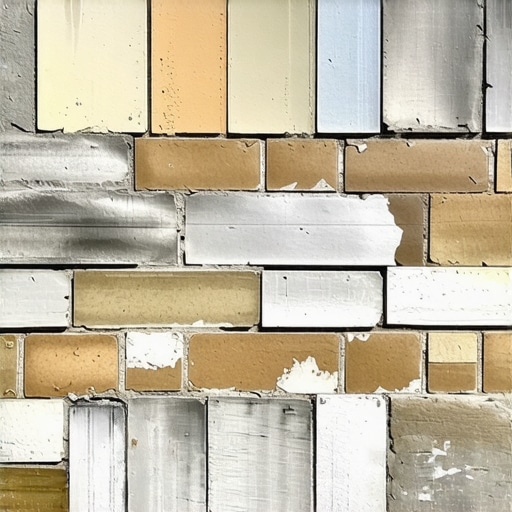
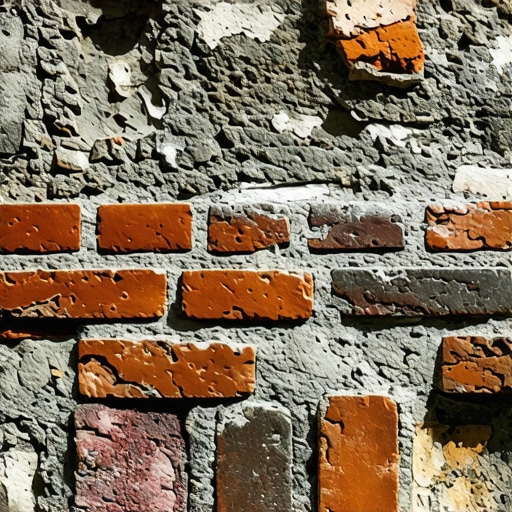
Visualize a high-resolution image illustrating a masonry wall treated with microbial-resistant nano-coatings, highlighting advanced surface protection techniques.
Innovations in Reinforcement: Reinventing Masonry Stability
Fiber-reinforced polymers (FRPs) have revolutionized structural reinforcement, offering lightweight, corrosion-resistant alternatives to traditional steel reinforcements. These materials can be bonded to existing masonry, effectively increasing load-bearing capacity and seismic resilience without invasive demolition. Recent research indicates that coupling FRP reinforcements with smart sensors for real-time stress monitoring can further optimize maintenance schedules and preempt failure, embodying a holistic, tech-driven approach endorsed by the American Society of Civil Engineers (2022).
What Are the Most Advanced Diagnostic Techniques Reveal Hidden Flaws?
Innovative tools such as ground-penetrating radar (GPR), ultrasonic pulse velocity testing, and 3D laser scanning enable professionals to detect internal cracks, voids, and moisture pathways that elude traditional inspection. These non-destructive methods facilitate precise interventions, minimizing unnecessary repairs and safeguarding historical integrity. For example, integrating infrared thermography with moisture mapping can diagnose complex issues like rising damp or thermal bridging, as documented comprehensively by the American Society of Civil Engineers. Such technologies exemplify the future of predictive maintenance in masonry conservation.
Unlock the Potential of Cutting-Edge Materials
Utilize polymer-modified mortars and nano-technology coatings to significantly enhance masonry durability. These innovations provide superior bonding strength, flexibility, and resistance to environmental factors, ensuring longevity for decades.
Leverage High-Tech Diagnostic Tools
Incorporate infrared thermography, ground-penetrating radar, and 3D laser scanning for precise detection of hidden flaws. Early identification of issues like internal cracks or moisture ingress allows for targeted repairs, reducing costs and preserving structural integrity.
Adopt Sustainable Restoration Practices
Implement eco-friendly cleaning agents and breathable consolidants that protect historic facades without compromising authenticity. These sustainable solutions align with modern environmental standards while extending masonry lifespan.
Integrate Modern Reinforcement Systems
Apply fiber-reinforced polymers (FRPs) and corrosion-resistant reinforcements to strengthen existing structures. Coupling these with real-time stress monitoring enhances safety and adapts to future demands.
Harness Digital Collaboration Platforms
Use Building Information Modeling (BIM) and augmented reality to streamline project planning and execution. These tools facilitate precise interventions and foster collaboration among experts, elevating project quality.