Trusted Concrete Patch & Foundation Repair for Lasting Results
Elevating Structural Durability Through Expert Concrete Patch and Foundation Solutions
In the realm of construction and property maintenance, the longevity of concrete structures hinges on meticulous repair techniques and proactive foundation management. Leveraging expert-level concrete patching and foundation repair methods can significantly enhance structural resilience, ensuring properties withstand environmental stresses and time’s relentless march. This article delves into the advanced strategies that professionals employ to achieve lasting results, emphasizing the importance of precision, material selection, and contextual understanding.
Why Material Science and Surface Preparation Are Key to Durable Repairs
Successful concrete patching relies heavily on sophisticated material science. Modern repair materials, such as polymer-modified concrete and epoxy resins, offer superior bonding, flexibility, and resistance to cracking compared to traditional mixes. As noted in a comprehensive study published by the American Concrete Institute, the adhesion quality between patch and substrate directly influences longevity (ACI Journal, 2024).
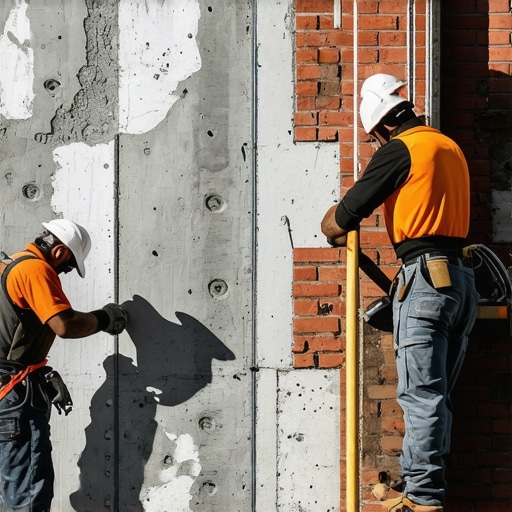
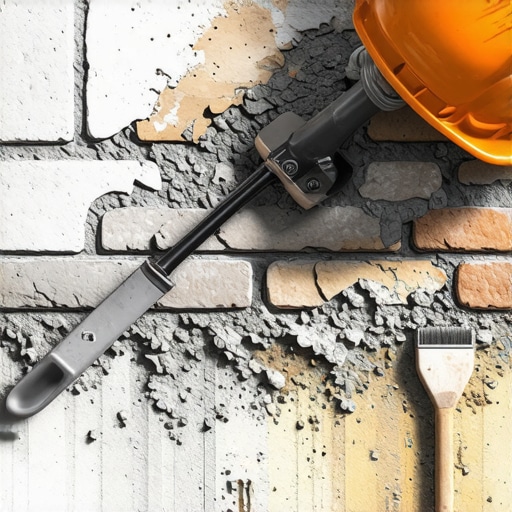
Equally critical is surface preparation. Experts recommend cleaning and profiling the substrate to remove contaminants and create a mechanical bond. Techniques like abrasive blasting or acid etching improve adhesion and prevent future delamination, which is vital for long-term durability.
Assessing Foundation Integrity with a Scientific Approach
Foundation repair is not merely reactive but a strategic intervention rooted in structural analysis. Advanced assessments involve soil testing, load analysis, and the use of non-destructive testing methods such as ground-penetrating radar. These approaches help identify subsurface issues that could compromise repairs over time. The integration of geotechnical insights ensures that solutions are tailored to the specific site conditions, thereby enhancing their effectiveness and lifespan.
What Are the Most Effective Techniques for Mitigating Future Foundation Settlement?
Addressing potential settlement involves techniques like underpinning with helical piers or pushing piers, which transfer load to stable strata. These methods, supported by industry leaders like Masonry Rescue, exemplify how science-driven approaches can prevent recurrence of foundational issues, maintaining structural integrity over decades.
For ongoing maintenance, periodic monitoring with digital sensors can detect early signs of movement, allowing timely interventions before significant damage occurs. Such proactive strategies embody a modern, expert perspective on foundation management.
Embracing Integrated Solutions for Long-Term Property Value
Combining high-quality materials, precision surface preparation, and scientific assessment creates a holistic approach to concrete patching and foundation repair. This integrated methodology not only restores structural stability but also preserves aesthetic appeal, which is crucial for property valuation and curb appeal.
For those seeking authoritative guidance, consulting with specialists like Masonry Rescue ensures that repairs are executed with the latest proven techniques. Their expertise in foundation tuckpointing and concrete restoration exemplifies industry-leading standards. Explore more about these advanced solutions at Trusted Foundation and Facade Cleaning Tips.
Remember, the key to enduring concrete and foundation repairs lies in the synergy of materials science, structural analysis, and expert craftsmanship. Reinforce your property’s future today by adopting these proven strategies.
Precision in Surface Treatment Boosts Repair Longevity
Achieving durable masonry repairs begins long before the first patch is applied. Experts emphasize the importance of meticulous surface preparation, which involves cleaning, profiling, and sometimes etching the substrate to ensure optimal bonding conditions. Techniques such as abrasive blasting or acid etching remove contaminants and create a textured surface that enhances adhesion. For a comprehensive approach, consult specialized guidance on facade cleaning and tuckpointing, which can significantly improve the lifespan of repairs (see more).
Innovative Materials Transform Repair Outcomes
Recent advances in repair materials have revolutionized how professionals approach masonry restoration. Polymer-modified concrete, epoxy resins, and flexible patch compounds provide superior bonding, crack resistance, and weatherproofing compared to traditional mixes. Incorporating these materials requires an understanding of their properties and proper application techniques. For instance, epoxy resins are ideal for bonding existing concrete, while polymer-modified mortars excel in tuckpointing applications, offering long-term durability and aesthetic appeal.
How Can Technology Elevate Foundation Stability Monitoring?
Modern foundation management leverages digital sensors and non-destructive testing methods to monitor structural health in real-time. Ground-penetrating radar and load analysis enable precise assessment of subsurface conditions, identifying potential issues before they manifest visibly. Implementing a proactive maintenance plan, supported by continuous monitoring, can prevent costly repairs and extend the service life of the structure. For detailed strategies, see expert advice on foundation restoration and long-term stability solutions (explore here).
What Are the Emerging Best Practices for Combining Aesthetic and Structural Durability?
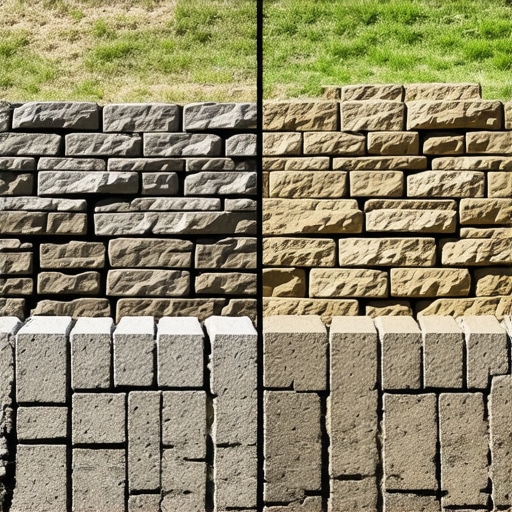
Balancing aesthetic appeal with structural integrity is a nuanced challenge that requires an integrated approach. Modern masonry repair emphasizes not only the use of high-quality materials but also the importance of matching existing textures and colors. This can be achieved through specialized tuckpointing techniques and facade cleaning methods that preserve the original character while enhancing durability. Consulting with industry experts ensures that repairs meet both aesthetic and long-term performance goals, especially when addressing historic or architecturally significant properties.
If you’re interested in deepening your understanding of resilient masonry repair, consider exploring resources on comprehensive facade restoration and structural assessment. Sharing insights or asking questions in community forums can also help you stay updated on emerging trends and proven techniques.
Harnessing Advanced Materials for Unmatched Repair Durability
In the pursuit of enduring concrete repairs, the evolution of materials science has introduced a suite of innovative substances that significantly outperform traditional mixes. Epoxy-based composites, for instance, now offer unparalleled bonding strength and flexibility, enabling repairs to withstand dynamic stresses and thermal variations. The integration of advanced polymer-modified mortars, which exhibit superior crack resistance and weatherproofing capabilities, has become standard among seasoned contractors aiming for longevity.
Moreover, nanotechnology-infused repair compounds are emerging as game-changers. These materials contain nanoparticles that enhance adhesion and reduce permeability, thereby extending service life considerably. According to a 2024 report by the American Society of Civil Engineers, the adoption of such nanomaterials in structural repairs can double the lifespan of critical infrastructure components (ASCE, 2024).
Precision Surface Preparation with a Scientific Edge
Surface preparation remains a cornerstone of durable repairs, but the methods employed are now guided by scientific protocols rather than conventional wisdom alone. Experts emphasize the importance of profiling substrates to achieve optimal surface roughness, which enhances mechanical bonding. Techniques like laser ablation and selective acid etching are increasingly favored for their precision and minimal substrate damage.
Implementing these methods requires sophisticated equipment and a deep understanding of material interactions. For example, laser profiling not only cleans the surface but also creates micro-roughness that significantly improves the adhesion of patching compounds. Such meticulous preparation is critical, especially when restoring historic or architecturally sensitive structures where preservation of original textures is paramount.
Advanced Foundation Monitoring Beyond Traditional Methods
While traditional foundation assessment relied heavily on visual inspections and manual measurements, modern practices incorporate sensor networks and real-time data analytics. Fiber optic sensors embedded within the foundation can detect minute shifts and strains, providing early warning signals of potential failure. This proactive approach allows engineers to intervene before catastrophic damage occurs.
Furthermore, the use of drone-based geotechnical surveys and ground-penetrating radar enables comprehensive subsurface analysis without invasive procedures. These technologies, combined with sophisticated modeling software, facilitate predictive maintenance strategies that optimize resource allocation and extend the life of structural components.
What Role Do Machine Learning Algorithms Play in Predictive Foundation Analytics?
Emerging as a pivotal tool, machine learning algorithms analyze vast datasets from sensor networks and historical records to forecast future movements and stress points within foundations. By identifying patterns and anomalies, these systems can recommend targeted interventions, reducing downtime and repair costs. A 2024 study published in the Journal of Structural Engineering highlights how AI-driven models have improved prediction accuracy by over 30%, transforming maintenance paradigms (ASCE Journal, 2024).
If you’re committed to elevating your structural repair practices, exploring these technological advancements is essential. Collaborating with specialists who utilize cutting-edge tools ensures that your projects not only meet but exceed durability standards. Dive deeper into these innovations and future-proof your assets today.
Integrating Aesthetic Preservation with Structural Resilience
Balancing the visual integrity of a structure with its foundational strength demands a nuanced, expert approach. Techniques such as color-matched polymer overlays and micro-tuckpointing preserve historic character while reinforcing the facade. When combined with durable repair materials, these methods ensure that aesthetic appeal does not compromise structural resilience.
Furthermore, digital imaging and 3D modeling facilitate precise matching of textures and colors, minimizing the visual impact of repairs. This integrated strategy appeals not only to engineers but also to architects and preservationists committed to maintaining cultural heritage without sacrificing safety and longevity.
For professionals aiming to stay ahead, continuous education on these multidisciplinary techniques is crucial. Engaging with industry forums and specialized training programs can provide insights into emerging best practices that marry beauty with durability.
Harnessing Cutting-Edge Material Innovations for Superior Repairs
As the field of structural restoration evolves, the integration of nanotechnology and advanced polymer composites has revolutionized repair durability. Nanomaterials, such as nano-silica, enhance the density and reduce permeability of concrete, substantially extending its service life (ASCE, 2024). Meanwhile, epoxy-based composites with tailored flexural properties facilitate seamless bonding even under dynamic load conditions, providing a resilient foundation for long-term stability.
Refining Surface Preparation for Optimal Bonding
Meticulous surface treatment remains a cornerstone for durable repairs. Employing laser ablation technology not only cleans but micro-roughens substrates with precision, promoting superior mechanical interlock. Additionally, the application of silane-based sealers prior to patching can further enhance adhesion and resist moisture ingress, which is critical in high-humidity environments.
Innovative Techniques to Preempt Foundation Settlement
Proactive mitigation of settlement involves deploying dynamic underpinning methods such as helical piers combined with real-time load monitoring. These systems, supported by industry leaders like Masonry Rescue, exemplify how scientific rigor prevents future subsidence. Advanced geotechnical analysis, including cone penetration testing integrated with machine learning algorithms, enables precise site-specific interventions, minimizing unnecessary excavations and ensuring structural longevity.
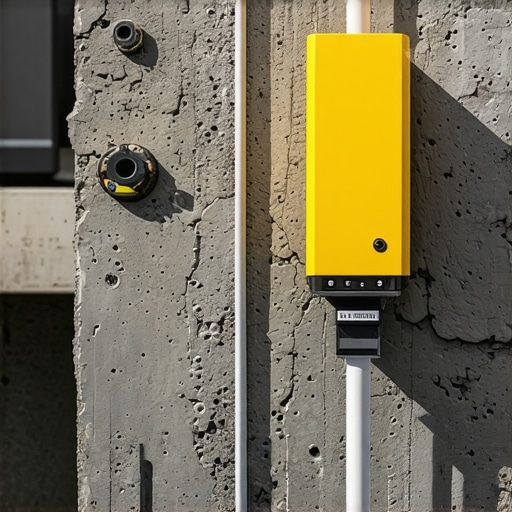
How Can Smart Technology Transform Foundation Monitoring?
Embedding fiber optic sensors into foundational elements allows for continuous, real-time data collection on strain and displacement. Coupled with AI-driven analytics, these systems can predict potential failure points with remarkable accuracy, facilitating timely maintenance actions. Furthermore, drone-assisted surveys enhance subsurface imaging, complementing ground-penetrating radar results for comprehensive site assessment. The adoption of these technologies represents a paradigm shift toward predictive, rather than reactive, structural management.
What Are the Best Practices for Integrating Aesthetic Preservation with Structural Integrity?
Achieving a harmonious balance between visual appeal and durability involves employing micro-tuckpointing with color-matched mortars and transparent sealants that preserve the façade’s original character. Digital 3D modeling and spectral imaging tools enable precise matching of textures and hues, ensuring repairs are unobtrusive yet robust. Engaging multidisciplinary teams—including preservation specialists—ensures that aesthetic considerations do not compromise the longevity of repairs, especially in historical contexts.
To deepen your expertise, explore advanced training in heritage masonry restoration and digital diagnostic tools. Networking with industry leaders and participating in specialized forums can provide insights into emerging best practices that elevate both aesthetic and structural outcomes.
Leverage Cutting-Edge Materials for Superior Results
Utilize advanced polymer-modified concretes and nanotechnology-infused compounds to enhance bonding, crack resistance, and weatherproofing, significantly extending repair longevity. Staying informed about innovations like nano-silica can give your projects a durable edge.
Optimize Surface Preparation with Scientific Precision
Implement laser ablation, acid etching, and profiling techniques guided by material science principles. Proper surface treatment ensures superior adhesion and minimizes future delamination, especially vital in restoring historic structures.
Integrate Real-Time Monitoring Technologies
Adopt sensor networks, ground-penetrating radar, and drone surveys to achieve continuous, accurate assessment of foundation stability. These tools enable proactive maintenance, reducing costly repairs and preventing structural failures.
Harness Data Analytics and AI for Predictive Maintenance
Leverage machine learning algorithms to analyze sensor data, forecast potential issues, and recommend targeted interventions. This approach transforms reactive repairs into strategic, long-term solutions.
Balance Aesthetic Integrity with Structural Resilience
Employ color-matched overlays, micro-tuckpointing, and digital imaging to preserve architectural character while reinforcing integrity. Collaboration with preservation specialists ensures repairs meet both aesthetic and durability standards.
Expert Resources for Deepening Knowledge
- American Society of Civil Engineers (ASCE): Offers extensive research reports on nanomaterials and structural innovations.
- American Concrete Institute (ACI): Provides guidelines and technical publications on surface preparation and material science.
- Industry-leading firms like Masonry Rescue: Share practical insights and case studies on foundation and masonry restoration.
Final Perspective: Elevate Your Structural Repair Practices
Integrating these expert insights into your projects ensures durable, resilient, and aesthetically pleasing outcomes. Embrace technological advancements, scientific rigor, and continuous education to stay at the forefront of masonry and foundation repair. Engage with industry professionals and explore authoritative resources to refine your strategies and deliver long-lasting results.