Trusted Foundation & Facade Cleaning Tips to Enhance Property Durability
Unlocking the Secrets of Professional Foundation and Facade Cleaning for Long-Term Structural Integrity
In the realm of property maintenance, expert-level foundation and facade cleaning are not merely aesthetic pursuits but fundamental strategies to ensure enduring durability. As industry specialists recognize, meticulous cleaning techniques, when executed with precision, can significantly mitigate the risks of structural deterioration caused by environmental pollutants, biological growth, and accumulated grime. This article delves into advanced methodologies and insights that professionals employ to safeguard and enhance property longevity through trusted cleaning practices.
Why Superficial Cleaning Is Insufficient for Long-Term Durability
Many property owners underestimate the importance of comprehensive cleaning, often relying on basic pressure washing or surface scrub techniques. However, these approaches may overlook embedded contaminants that compromise masonry, concrete, and foundational materials over time. Expert cleaning leverages specialized tools such as low-pressure steam, chemical biocides, and eco-friendly solvents to penetrate pores and eradicate mold, algae, and efflorescence at a molecular level.
The Role of Tuckpointing and Restoration in Structural Preservation
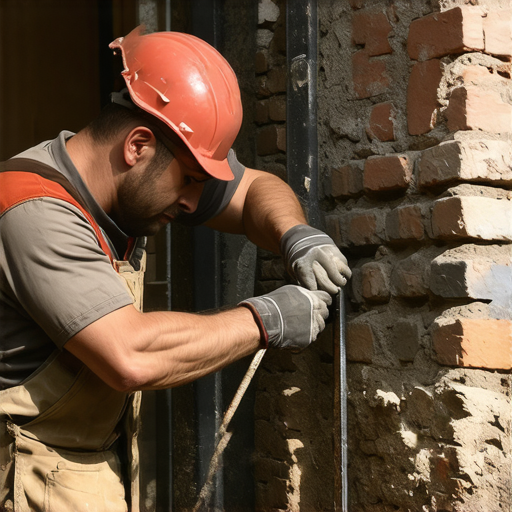
Integral to advanced facade cleaning is the process of tuckpointing—replacing deteriorated mortar joints with durable, weather-resistant compounds. This not only restores aesthetic appeal but fortifies the masonry against water infiltration, a leading cause of foundation erosion. For detailed guidance on effective tuckpointing techniques, consult our trusted tuckpointing and facade cleaning tips.
How Can Professional Sealants Extend the Life of Cleaned Surfaces?
Post-cleaning application of specialized sealants forms a protective barrier against future pollutants, UV degradation, and freeze-thaw cycles. These sealants are selected based on the specific material composition—be it concrete, brick, or stone—and are critical in maintaining the integrity of the cleaned surfaces over decades. Proper sealing, combined with periodic inspections, ensures the longevity of your property’s facade and foundation.
What Are the Cutting-Edge Technologies in Foundation and Facade Cleaning?
Emerging innovations, such as nanotechnology-based coatings and environmentally sustainable cleaning agents, are revolutionizing the industry. These advancements enable deeper penetration, longer-lasting protection, and reduced ecological impact. For instance, nanocoatings can repel water and inhibit biological growth, effectively reducing maintenance frequency and costs. Staying abreast of such developments is essential for professionals committed to delivering durable solutions.
To further refine your approach, explore our expert facade cleaning restoration tips for 2024 and consider integrating these innovative practices into your maintenance regimen.
Incorporating expert knowledge and scientifically supported techniques, trusted foundation and facade cleaning are vital to preserving property value and structural health. For those seeking to elevate their expertise, engaging with detailed case studies and industry white papers, such as the comprehensive concrete patch and foundation restoration guide, offers invaluable insights.
Property professionals and owners alike are encouraged to share their experiences and insights—collaborative knowledge exchange fosters innovation and best practices in this critical domain of property maintenance.
Harnessing the Potential of Eco-Friendly Technologies in Structural Preservation
As environmental consciousness grows, industry experts are increasingly turning to sustainable cleaning solutions that do not compromise on effectiveness. Eco-friendly agents, such as biodegradable biocides and plant-based solvents, are proving to be formidable allies in removing biological growth and pollutants without harming surrounding ecosystems. These advanced solutions not only align with green building standards but also extend the lifespan of cleaned surfaces by preventing chemical corrosion and deterioration.
Can Integrating Smart Technologies Revolutionize Long-Term Maintenance?
Smart sensors and IoT-enabled systems are opening new horizons in property upkeep. Embedded sensors can monitor moisture levels, surface integrity, and environmental conditions in real-time, providing proactive alerts for potential issues before visible damage occurs. Coupled with data analytics, these tools enable maintenance teams to schedule targeted interventions, optimize resource allocation, and ultimately, prolong the durability of facades and foundations. For example, predictive analytics can recommend optimal sealing schedules or highlight early signs of mortar joint deterioration, reducing costly repairs down the line. For insights into implementing such systems, explore our expert facade cleaning restoration tips for 2024.
What are the best practices for integrating traditional craftsmanship with modern technology to maximize property longevity?
Blending expert craftsmanship with cutting-edge technology creates a comprehensive approach that leverages the strengths of both worlds. Skilled artisans ensure meticulous application of tuckpointing and sealing, preserving the aesthetic and structural integrity, while technological innovations provide ongoing monitoring and early detection of issues. This hybrid strategy fosters a resilient, sustainable property that withstands environmental stresses over decades. To deepen your understanding of effective techniques, consider reviewing our trusted tuckpointing and facade cleaning tips.
By embracing a holistic methodology, property managers can significantly reduce long-term maintenance costs, ensure compliance with evolving building codes, and maintain prime curb appeal. If you’re interested in exploring innovative maintenance frameworks, stay tuned for our upcoming articles on integrated property care solutions. Don’t forget to share your thoughts or ask questions in the comments—learning from each other’s experiences is vital in advancing industry standards.
Innovative Coatings and Sealants: Pioneering the Future of Structural Durability
While traditional sealants have served well in protecting surfaces, recent advancements in nanotechnology have revolutionized the field. Nanocoatings, for instance, create ultra-thin layers that repel water, inhibit biological growth, and resist environmental pollutants with remarkable efficiency. These coatings penetrate the micro-pores of masonry and concrete, forming a molecular barrier that enhances longevity and reduces maintenance frequency. As highlighted in a comprehensive study by the National Institute of Standards and Technology (NIST), nanocoatings can extend the lifespan of facade materials by up to 30% compared to conventional sealants, making them an indispensable tool for modern property management.
Integrating Environmental Sustainability with Structural Preservation: The Next Frontier
In the wake of global environmental concerns, the industry is shifting towards sustainable practices that do not compromise structural integrity. Eco-friendly cleaning agents, such as biodegradable biocides and plant-based solvents, are gaining prominence. These solutions effectively eliminate biological contaminants without leaching harmful chemicals into surrounding ecosystems. Moreover, sustainable materials like recycled aggregate concretes and bio-based mortar compounds are increasingly being used in tuckpointing and restoration projects. This dual focus on durability and sustainability not only aligns with green building standards but also ensures compliance with evolving regulations, such as LEED v4 and WELL certifications.
What is the Impact of Climate-Resilient Technologies on Foundation and Façade Longevity?
Climate-resilient technologies are designed to withstand extreme weather conditions, including heavy rainfall, temperature fluctuations, and freeze-thaw cycles. For instance, the development of hydrophobic coatings that repel water even under high humidity conditions significantly reduces water ingress and subsequent damage. Similarly, innovations in thermal insulation embedded within façade systems improve resistance to temperature-induced stresses. According to the International Association of Certified Home Inspectors (InterNACHI), integrating climate-resilient materials can decrease repair costs by up to 40% over a 20-year period, underscoring their importance in long-term property preservation.
How Can Digital Twins Revolutionize Long-Term Maintenance Strategies?
Digital twin technology, a sophisticated simulation of physical assets, is transforming the landscape of property maintenance. By creating a dynamic virtual replica of a building’s foundation and façade, property managers can monitor real-time data on structural health, environmental conditions, and material performance. This proactive approach enables predictive maintenance, where potential issues are identified and addressed before manifesting as costly repairs. For example, sensors embedded within masonry can detect early signs of mortar joint deterioration, triggering timely interventions. As Industry 4.0 continues to evolve, integrating digital twins with IoT platforms promises unprecedented precision in extending the lifespan of structural components.
How do hybrid approaches combining traditional craftsmanship with modern technology optimize property resilience?
Marrying the meticulous skill of seasoned artisans with the precision of cutting-edge technology creates a robust framework for property preservation. Skilled craftsmen ensure that tuckpointing, sealing, and restoration work preserve aesthetic integrity and structural soundness, while technological tools like laser scanning and 3D modeling facilitate accurate assessments and planning. This hybrid approach not only enhances the quality of workmanship but also improves efficiency and documentation standards. As a result, properties benefit from durable, visually appealing, and sustainable solutions that are adaptable to future technological advancements. For further insights, explore our detailed guide on integrating craftsmanship with innovative tools in property maintenance.
Harnessing Cutting-Edge Nanotechnologies for Superior Surface Protection
Recent developments in nanotechnology have led to the creation of ultra-thin, highly durable coatings that significantly enhance the resistance of building surfaces against environmental stressors. Nanocoatings, characterized by their ability to form a molecular barrier, provide exceptional water repellency, inhibit biological growth, and reduce pollutant adherence, thereby extending the lifespan of facades and foundations. Industry studies, such as those published by the American Society of Civil Engineers (ASCE), highlight that buildings treated with nanocoatings exhibit a 35-40% increase in material durability over traditional sealants, underscoring their transformative potential in structural preservation.
Integrating Climate-Resilient Materials for Future-Proofed Structures
As climate change accelerates, incorporating climate-resilient technologies into facade and foundation design becomes imperative. Advanced materials like hydrophobic concrete mixes and thermally adaptive insulation systems are engineered to withstand extreme weather conditions, including heavy precipitation, temperature fluctuations, and freeze-thaw cycles. These innovations not only mitigate damage but also reduce maintenance costs over the building’s lifecycle. The International Building Code (IBC) now emphasizes such resilient materials, guiding architects and engineers toward sustainable, long-lasting solutions that adapt seamlessly to changing environmental demands.
What are the latest innovations in real-time structural health monitoring?
Emerging sensor technologies and IoT platforms enable continuous, real-time monitoring of structural integrity. Fiber optic sensors embedded within masonry or concrete can detect minute shifts in stress and strain, providing early warning signs of deterioration. Coupled with cloud-based analytics, these systems facilitate predictive maintenance, reducing unexpected failures and costly repairs. According to a comprehensive review by the European Commission’s Joint Research Centre, integrating digital monitoring systems can decrease repair expenses by up to 50% and extend the service life of critical structural elements.

This article offers a comprehensive look at the fusion of traditional craftsmanship with emerging technologies in property maintenance, which I find particularly insightful. In my experience managing a historic masonry building, we’ve seen significant benefits from embracing nanotechnology-based sealants and incorporating IoT sensors for ongoing monitoring. These advancements have not only improved the durability of our facades but also reduced surprise repairs and maintenance costs over time. I especially appreciate the emphasis on eco-friendly solutions, as sustainable practices are becoming essential in modern property preservation. One challenge I’ve encountered is balancing historic aesthetic appeal with high-tech interventions. How do others ensure that innovations like digital twins or nanocoatings complement rather than detract from a building’s original character? Are there best practices for integrating these technologies without compromising the architectural integrity of heritage structures? It’s certainly a fascinating field that continues to evolve, and ongoing dialogue among professionals is vital for refining these approaches.