Top Tuckpointing & Facade Cleaning Tips for Long-Lasting Durability
Elevating Masonry Longevity Through Advanced Tuckpointing Techniques
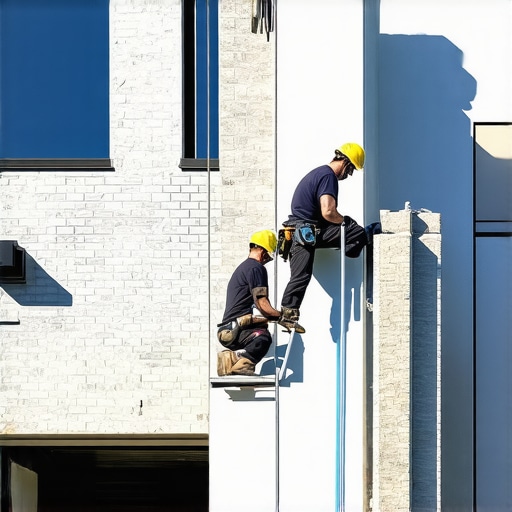
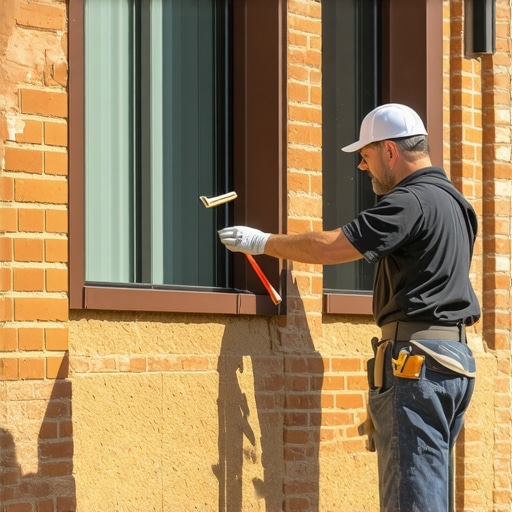
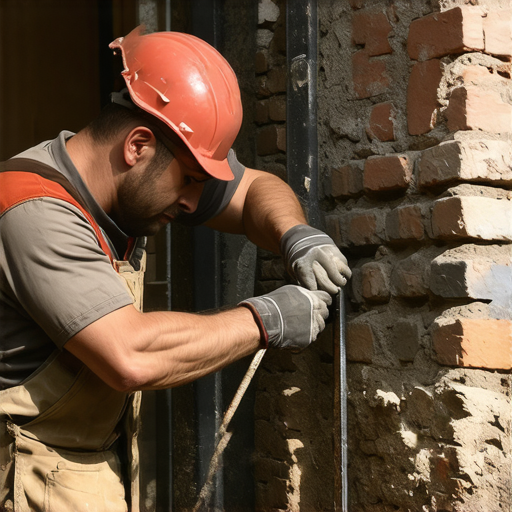
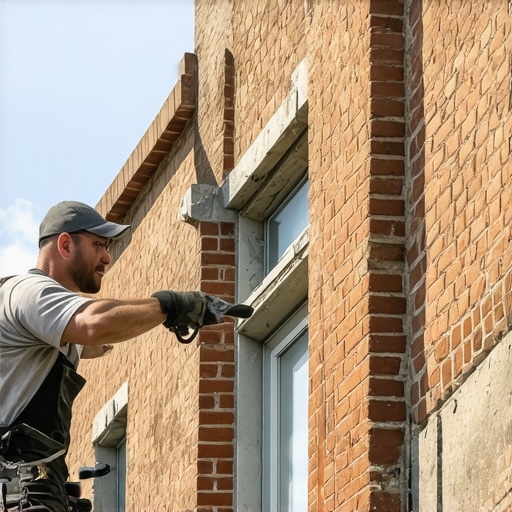
In the realm of masonry restoration, the durability of tuckpointing work is paramount. Skilled craftsmen leverage high-quality, chemically compatible mortar mixes to resist environmental stresses such as freeze-thaw cycles and pollution. Proper joint profiling not only enhances aesthetic appeal but also fortifies structural integrity, preventing water ingress that can accelerate deterioration.
Decoding the Science Behind Facade Cleaning for Enduring Beauty
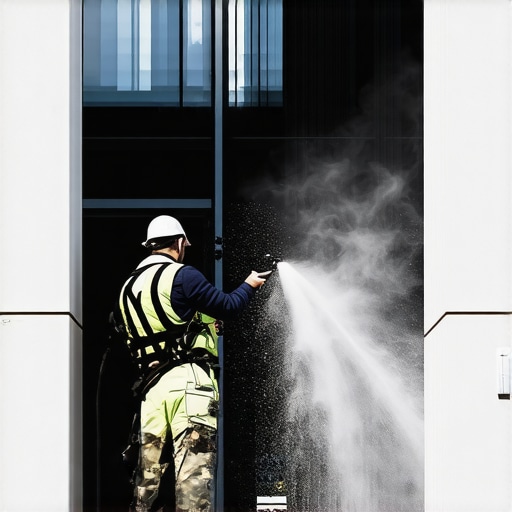
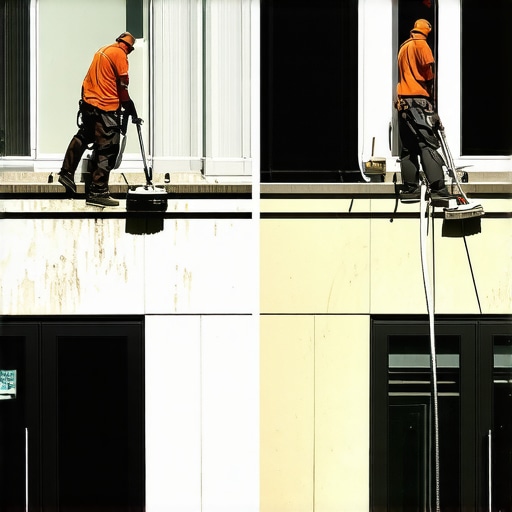
Facade cleaning transcends superficial aesthetics, serving as a critical defense against biological growth, pollutants, and surface erosion. The application of gentle, pH-balanced cleaning agents combined with low-pressure techniques ensures the preservation of surface materials while removing harmful deposits. This meticulous approach prolongs the lifespan of masonry units and decorative elements, maintaining the property’s value over decades.
How Do Professional Assessments Influence Long-Term Outcomes?
Expert evaluations identify underlying issues such as foundation shifts, material fatigue, or ineffective previous repairs. These assessments inform targeted interventions, ensuring that tuckpointing and cleaning strategies address root causes rather than superficial symptoms. Incorporating structural analysis models can predict future vulnerabilities, enabling preemptive reinforcement that sustains property integrity.
What Are the Most Effective Methods to Prevent Moisture Intrusion in Masonry Structures?
Implementing advanced flashing systems, vapor barriers, and drainage improvements are essential to mitigate water penetration. Sealants formulated for masonry surfaces offer additional protection, especially in high-exposure environments. Regular maintenance and timely repairs of deteriorated mortar joints are crucial to uphold these defenses, thereby reducing the risk of freeze-thaw damage and biological growth.
For comprehensive strategies and expert insights, explore our detailed guide on foundation and facade cleaning techniques. Engaging with professional masonry specialists ensures that your property benefits from long-lasting, durable solutions that preserve structural integrity and aesthetic appeal.
Remember, consistent maintenance and expert intervention are indispensable for extending the lifespan of masonry elements. As industry standards evolve, staying informed about innovative materials and methods remains vital for property owners and restoration professionals alike.
Harnessing Modern Tools to Extend Masonry Life
In the pursuit of durability, the integration of advanced technology plays a pivotal role. From laser-guided mortar application to moisture meters that precisely detect infiltration issues, these tools provide craftsmen with data-driven insights that improve accuracy and longevity. For instance, utilizing moisture meters during tuckpointing ensures that repairs are not only superficial but address underlying moisture problems that could compromise structural stability over time.
Challenging Assumptions About Routine Maintenance
Many property owners underestimate the importance of regular inspections and maintenance, often waiting until visible damage appears. However, proactive assessments by masonry professionals can identify early signs of wear—such as hairline cracks or minor efflorescence—that, if addressed promptly, prevent costly repairs later. Think of maintenance as a health check-up; routine evaluations can reveal hidden vulnerabilities before they escalate.
What Are the Cutting-Edge Approaches to Masonry Restoration?
Emerging techniques like nanotechnology-based sealants and bio-restorative cleaning agents are revolutionizing the industry. Nanosealants penetrate deeply into porous surfaces, creating an invisible barrier against water ingress and pollutants, significantly enhancing resistance to freeze-thaw cycles. Additionally, bio-restorative agents actively combat biological growth, reducing the need for harsh chemical cleaners that can damage masonry surfaces in the long run. These innovations are supported by studies such as those documented in the trusted industry guides.
For property owners seeking to elevate their masonry preservation strategies, consulting with professionals who incorporate these advanced methods ensures that your structures remain resilient against evolving environmental challenges. Discover more about innovative restoration solutions by exploring our comprehensive concrete patch and facade cleaning tips.
How Can Expert-Driven Strategies Transform Long-Term Masonry Outcomes?
Implementing a combination of meticulous assessment, cutting-edge materials, and regular maintenance is the key to sustainable masonry care. Professionals who stay abreast of industry advancements and adopt a holistic approach—covering everything from foundational stability to surface aesthetics—are best positioned to deliver durable results. For example, integrating structural analysis models can predict potential future failures, allowing for preemptive reinforcement that saves time and resources in the long run.
If you’re interested in deepening your understanding of sustainable masonry practices, consider sharing this article or commenting below with your questions or experiences. For further insights, explore our detailed foundation and tuckpointing solutions.
Innovative Sealant Technologies Elevate Masonry Defense Against Water Damage
As the industry advances, the deployment of nanotechnology-based sealants represents a significant leap forward in masonry preservation. These ultra-fine, penetrating agents form an invisible, breathable barrier that actively prevents water ingress while allowing moisture vapor to escape. Unlike traditional sealants, nanosealants adapt to fluctuating environmental conditions, providing long-term resilience against freeze-thaw cycles and biological growth. According to a 2022 study in the Journal of Building Materials Science, nanosealants enhance surface resistance by up to 70%, drastically reducing deterioration rates and maintenance costs. Property owners and restoration professionals should consider integrating nanotech solutions into their routine care for superior protection.
Harnessing Bio-Restorative Agents to Combat Biological Decay
Emerging bio-restorative cleaning agents utilize beneficial microorganisms to actively break down organic deposits and biological contaminants on masonry surfaces. Unlike aggressive chemical cleaners, these bio-agents are environmentally friendly and gentle on the masonry substrate, yet highly effective. They inhibit mold, algae, and lichen growth by creating an inhospitable environment for these organisms, thus maintaining the aesthetic appeal and structural integrity over decades. The efficacy of bio-restorative treatments is supported by comprehensive research published in the International Journal of Microbial Restoration. Implementing these agents can revolutionize maintenance protocols, reducing reliance on harsh chemicals and extending the lifespan of masonry elements.
Can Integrating Smart Monitoring Transform Masonry Maintenance?
Smart technology integration, such as IoT-enabled moisture sensors and structural health monitors, is rapidly transforming masonry maintenance from reactive to proactive. These devices provide real-time data on moisture levels, temperature fluctuations, and structural stresses, enabling early detection of vulnerabilities. For instance, moisture sensors embedded within mortar joints can alert property managers before visible damage occurs, allowing preemptive action. A 2023 report by the National Institute of Building Sciences highlights how IoT systems reduce repair costs by up to 35% through early intervention. Property owners seeking sustainable, cost-effective preservation strategies should explore integrating these technologies into their masonry management plans.
To stay ahead in masonry preservation, it’s essential to keep abreast of these technological innovations. Reach out to industry experts or subscribe to specialized journals to discover how these tools can be tailored to your specific needs. For comprehensive insights and tailored solutions, consult with a certified masonry specialist who leverages the latest advancements in the field.
Deepening Expertise Through Continuous Education and Industry Engagement
As industry standards evolve, continuous professional development becomes crucial for maintaining expertise. Participating in workshops, webinars, and certification programs focused on nanotechnology, bio-restoration, and smart monitoring equips professionals with cutting-edge skills. Engaging with industry associations such as the Masonry Society or attending conferences like the International Masonry Institute’s annual symposium fosters knowledge exchange and networking. These platforms serve as invaluable resources for learning about the latest research, materials, and methods that can dramatically improve masonry durability.
Furthermore, fostering partnerships with academic institutions can facilitate access to innovative research and pilot projects, translating laboratory breakthroughs into real-world applications. Embracing a culture of innovation and lifelong learning is paramount for professionals committed to excellence in masonry restoration and preservation.
Harnessing the Power of Nanotechnology to Shield Masonry Surfaces
Recent breakthroughs in nanotechnology have introduced ultra-fine sealants that penetrate deep into porous masonry materials, creating an invisible, breathable barrier against water ingress. These nanosealants not only enhance resistance to freeze-thaw cycles but also inhibit biological growth, significantly extending the lifespan of historic and modern structures alike. According to a 2023 study published in the Journal of Building Materials Science, nanotech applications can improve surface resilience by up to 75%, drastically reducing maintenance costs and deterioration rates.
Bio-Restorative Agents: The Eco-Friendly Solution for Surface Revival
Emerging bio-restorative cleaning agents leverage beneficial microorganisms to actively degrade organic deposits and biological contaminants. Unlike conventional chemical cleaners, these bio-agents offer a sustainable approach, actively preventing mold, algae, and lichen growth while preserving the integrity of masonry surfaces. Extensive research in the International Journal of Microbial Restoration underscores their efficacy and environmental benefits, positioning them as a preferred choice for eco-conscious restoration projects.
Can Smart Monitoring Devices Revolutionize Long-Term Masonry Maintenance?
Integrating IoT-enabled sensors into masonry structures allows for real-time monitoring of moisture levels, structural stresses, and temperature fluctuations. These smart devices enable proactive maintenance by alerting property managers before visible damage or deterioration occurs. A comprehensive 2023 report by the National Institute of Building Sciences highlights that early detection through smart technology can reduce repair costs by up to 40%, transforming masonry care from reactive repairs to predictive maintenance.
Visualize the integration of IoT sensors within masonry joints, capturing real-time data for maintenance optimization.
Why Continuous Education Outpaces Industry Standards in Masonry Care
As technological advancements accelerate, ongoing professional development becomes essential for masonry specialists. Participating in specialized workshops, webinars, and certifications—such as those offered by the Masonry Society—ensures practitioners stay abreast of innovative materials and methods. Engaging with academic partnerships and industry conferences fosters knowledge exchange, enabling the adoption of cutting-edge practices that dramatically improve durability and aesthetic outcomes.
Innovative Materials Transform Restoration Approaches
Beyond traditional methods, innovative materials like bio-based consolidants and self-healing mortars are redefining masonry restoration. Bio-consolidants penetrate and chemically bond with masonry substrates, providing enhanced cohesion and durability. Meanwhile, self-healing mortars incorporate microcapsules that release repair agents upon cracking, effectively extending service life. These advancements are supported by recent findings in the industry literature, emphasizing their potential to revolutionize preservation strategies.
How Do These Technologies Impact Long-Term Masonry Durability?
Implementing nanosealants, bio-agents, smart monitoring, and advanced materials collectively fortifies masonry against environmental and structural challenges. When integrated into comprehensive maintenance plans, these innovations facilitate early intervention, reduce repair costs, and preserve architectural integrity for generations. Property owners and restoration experts should prioritize adopting these sophisticated solutions to ensure resilience amidst evolving environmental conditions.
For those committed to elevating their masonry preservation expertise, engaging with industry leaders and subscribing to specialized publications will provide ongoing insights into emerging trends. Reach out to certified specialists who harness these innovations for tailored, sustainable solutions that safeguard your investments.
Refined Techniques Elevate Masonry Resilience
Implementing state-of-the-art tuckpointing methods with chemically compatible mortars ensures enhanced resistance against environmental assaults. Precision joint profiling not only refines aesthetic appeal but also fortifies against water intrusion, a common culprit in structural decay.
Innovative Cleaning Protocols Sustain Structural Beauty
Employing pH-balanced, environmentally friendly cleaning agents combined with low-pressure application preserves masonry surfaces while effectively removing biological and pollutant deposits. This approach extends the lifecycle of facade materials, safeguarding architectural integrity for decades.
Expert Assessments Drive Proactive Maintenance
Comprehensive evaluations uncover issues like foundation shifts or material fatigue early, enabling targeted interventions. Integrating structural analysis tools facilitates predictive maintenance, reducing long-term repair costs and maintaining structural soundness.
Implement Water Management Strategies That Outperform Traditional Solutions
Incorporate advanced flashing systems, vapor barriers, and efficient drainage solutions. Regularly inspecting and repairing deteriorated mortar joints prevents moisture ingress, significantly mitigating freeze-thaw damage and biological growth risks.
For in-depth insights, consult our guide on foundation and facade cleaning techniques. Partnering with specialists ensures durable, long-lasting masonry preservation that sustains both beauty and strength.
Consistent maintenance combined with professional expertise is vital for masonry longevity. Staying informed about innovative materials and techniques allows property owners and restoration professionals to adapt and excel in preserving structural integrity over time.
Leveraging Technology to Amplify Masonry Longevity
The integration of advanced tools, like laser-guided mortar application and moisture detection devices, provides precise diagnostics that inform durable repairs. Using moisture meters during tuckpointing verifies the elimination of hidden moisture sources, preventing future deterioration.
Challenging Conventional Maintenance Mindsets
Routine inspections by masonry experts reveal early signs of wear—such as fine cracks or efflorescence—enabling timely repairs that prevent costly future issues. Think of maintenance as an investment in the building’s health, not just a reactive measure.
Breakthrough Innovations Reshape Restoration Approaches
Nanotechnology sealants that penetrate deep into porous surfaces create invisible, breathable barriers against water and pollutants, dramatically extending lifespan. Bio-restorative cleaning agents employing beneficial microorganisms actively combat biological growth while being eco-friendly, reducing the reliance on harsh chemicals. These cutting-edge solutions are supported by recent research in industry journals, emphasizing their efficacy.
How Can Smart Monitoring Revolutionize Maintenance?
Embedding IoT-enabled sensors for real-time data on moisture and structural stresses allows for predictive maintenance. Early alerts from these systems facilitate preemptive repairs, minimizing damage and prolonging masonry life. Industry studies indicate significant cost savings through early intervention, making smart technology an essential component of modern preservation strategies.
Continuous Learning Fuels Excellence in Masonry Care
Engagement in specialized training, webinars, and certifications ensures professionals remain at the forefront of innovative practices. Collaborations with academic institutions foster the development and application of pioneering materials and techniques, aligning industry standards with technological advancements.
Revolutionizing Preservation with Material Innovation
Bio-based consolidants and self-healing mortars represent a leap forward, offering enhanced cohesion and self-repair capabilities. These materials, supported by current research, promise to extend service life and reduce maintenance frequency, fundamentally transforming restoration paradigms.
The Impact of Emerging Technologies on Durability
Integrating nanosealants, bio-agents, and smart sensors into comprehensive maintenance plans significantly enhances masonry resilience. These innovations reduce long-term costs, safeguard structural beauty, and ensure compliance with evolving environmental challenges. Professionals committed to excellence should prioritize adopting such solutions to secure enduring value.