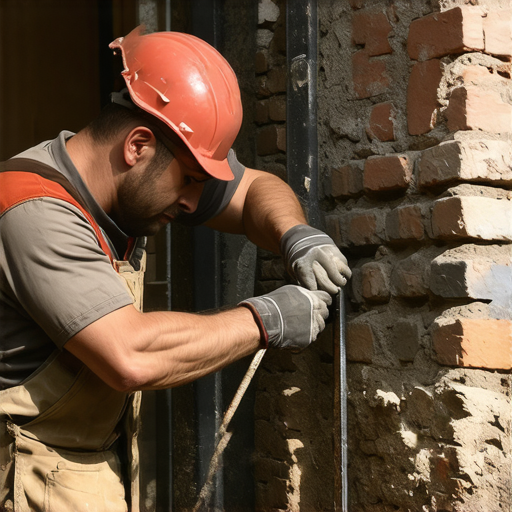
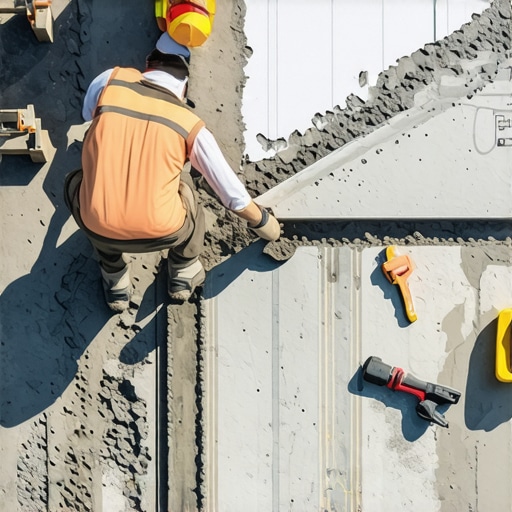
Reliable Foundation & Concrete Patch Repairs for Durability
Mastering the Art of Long-Lasting Foundation Repairs in Modern Construction
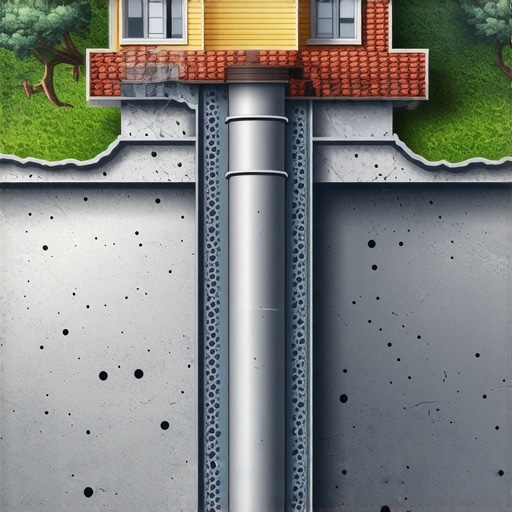
The integrity of any structure fundamentally depends on a resilient foundation capable of enduring environmental stresses and temporal wear. Recent advances in foundation repair and concrete patching technologies have transformed the landscape of masonry restoration, enabling professionals to enhance durability with unprecedented precision.
Intertwining Significance of Precision in Tuckpointing for Structural Stability
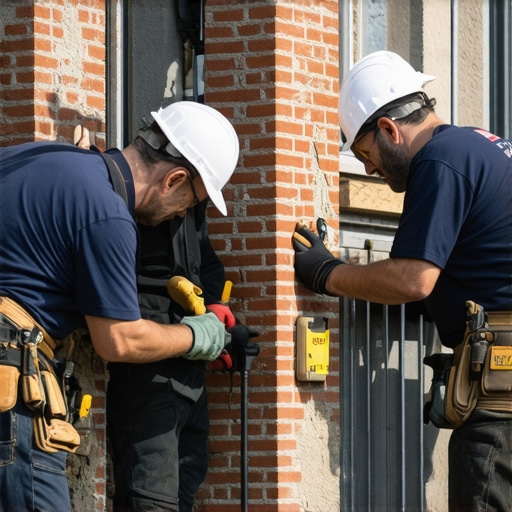
Tuckpointing remains not merely aesthetic; it functions as a critical barrier against water infiltration and mortar deterioration. Modern tuckpointing strategies leverage high-precision repointing techniques that restore the mortar joints’ strength, thus safeguarding the masonry against freeze-thaw cycles and prolonging the lifespan of the facade.
Unraveling the Complex Dynamics of Concrete Patch Durability in Foundation Restoration
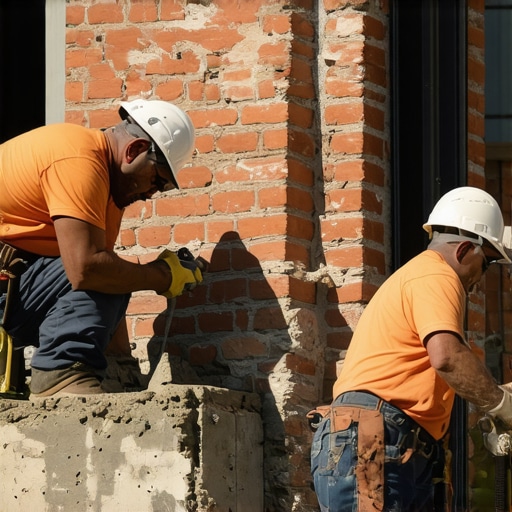
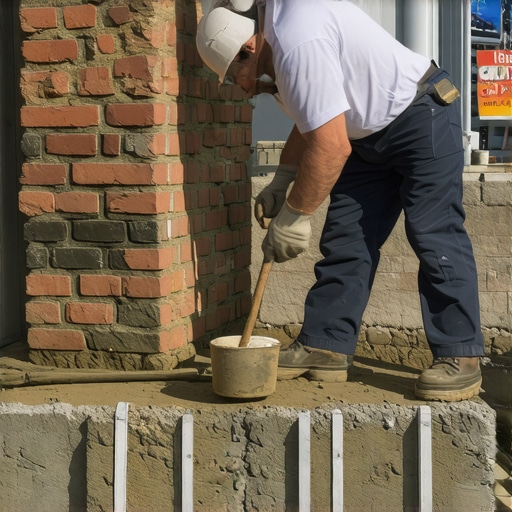
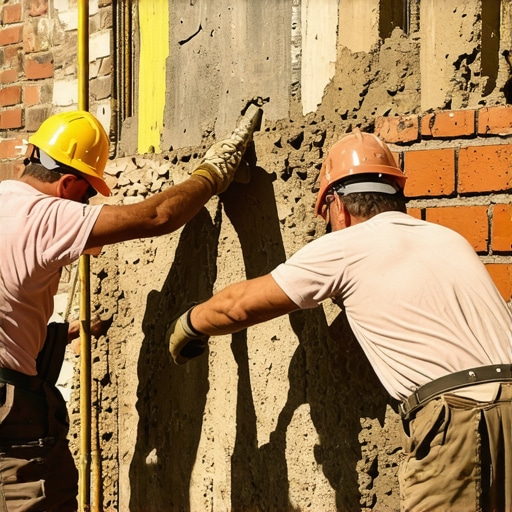
The selection of appropriate concrete patches extends beyond superficial repairs. Expert applications involve understanding substrate preparation, chemical compatibility, and load-bearing properties. Effective patching employs advanced materials like polymer-modified concrete that deliver resilience against cracking and environmental attack, ensuring the longevity of restored foundations.
How Can Advanced Facade Cleaning Techniques Bolster Long-Term Masonry Preservation?
Facade cleaning transcends mere aesthetic renewal. Implementing expert cleaning methods—such as low-pressure washing with specialized detergents—removes pollutants, biological growth, and residual contaminants, thereby preventing deterioration. Proper cleaning facilitates better adhesion for subsequent tuckpointing and sealing, underpinning long-term stability.
Envisioning the Future: Innovative Materials and Techniques in Masonry Maintenance
Emerging materials like nano-enhanced sealants and self-healing concrete promise to revolutionize masonry preservation. These innovations enhance water resistance, reduce maintenance costs, and extend service life. The integration of sensor technology for real-time structural health monitoring further empowers professionals to anticipate issues before deterioration manifests visibly.
What are the critical factors influencing the longevity of foundation repairs, and how can integrating advanced materials mitigate common failures?
Addressing this question involves analyzing substrate compatibility, environmental exposure, and material properties. High-performance repair compounds and proactive maintenance strategies—such as routine facade assessments—are essential. Professionals are encouraged to stay abreast of latest research to optimize repair longevity.
For those seeking deeper expertise, exploring comprehensive guides on masonry restoration techniques or contributing insights based on field experience can bolster collective knowledge. Regularly updating skills ensures that repair methods adapt to evolving material science and environmental challenges.
Learn more about expert foundation repair strategies and masonry restoration innovations by visiting trusted industry sources and participating in professional forums dedicated to enhancing structural durability.
Beyond Aesthetics: How Tuckpointing Strengthens Structural Integrity
Modern masonry restoration emphasizes not only visual appeal but also the vital role of tuckpointing in preserving the stability of brick and stone surfaces. High-precision tuckpointing techniques effectively seal mortar joints, preventing water ingress and mitigating deterioration caused by environmental factors. This process safeguards the core structure while revitalizing the property’s exterior, emphasizing the importance of skilled craftsmanship in achieving lasting results.
Selecting Optimal Materials for Long-Lasting Patches: A Nuanced Approach
Choosing the right concrete patching materials entails a nuanced understanding of substrate compatibility, environmental stresses, and load demands. Advanced polymer-modified concretes offer superior adhesion, flexibility, and resistance to cracking, which are crucial for foundation longevity. Proper application techniques, coupled with quality materials, significantly extend the lifespan of repairs, reducing the need for recurrent interventions and ensuring structural resilience over decades.
The Power of Surface Preparation in Masonry Preservation
Effective facade preservation begins with meticulous surface preparation. Techniques such as low-pressure washing combined with specialized cleaning agents eliminate pollutants, biological growth, and debris. This not only enhances visual clarity but also improves the adhesion of sealants and mortars, forming a stronger bond that withstands environmental assaults. An in-depth understanding of these preparatory steps can dramatically influence the durability and effectiveness of subsequent restoration efforts.
Innovating with Future-Ready Masonry Materials and Monitoring Technologies
The industry is witnessing a revolution with nano-enhanced sealants, self-healing concrete, and embedded sensors. These advancements facilitate proactive maintenance, allowing monitoring of structural health in real time, and enable targeted interventions before deterioration becomes visible. Embracing these innovations ensures that masonry structures remain resilient amidst changing climate patterns and urban development stresses, demonstrating the industry’s commitment to sustainable, durable solutions.
What are the principal barriers to adopting cutting-edge masonry materials, and how can industry stakeholders overcome resistance to these innovations?
Overcoming barriers like high initial costs, lack of awareness, and skepticism requires comprehensive education and demonstrating long-term cost-effectiveness. Engaging with industry leaders and adopting pilot projects can showcase the tangible benefits of advanced materials and technologies. For deeper insights, consulting research articles such as those published in the scientific literature helps professionals stay informed about emerging trends and their practical applications.
Interested in elevating your masonry projects? Consider exploring our detailed guides on integrating innovative materials into restoration work or join professional forums for shared expertise and networking opportunities. Staying ahead with the latest techniques ensures your structures not only stand the test of time but also set new standards in durability.
,
Unlocking the Potential of Self-Healing Materials in Masonry Restoration
The advent of self-healing concrete represents a paradigm shift in masonry maintenance. These materials possess innate capabilities to autonomously repair microcracks and damage, significantly extending service life and reducing maintenance costs. Incorporating microcapsules filled with healing agents into concrete mixtures enables the mortar to respond proactively to damage, sealing cracks before they compromise structural integrity.
Can Deploying Structural Health Monitoring Revolutionize Masonry Upkeep?
Embedding sensor technology within masonry components offers unprecedented insights into their real-time condition. These sensors can detect strain, moisture intrusion, and temperature fluctuations, transmitting data that allow engineers to assess the health of the structure dynamically. Such proactive approaches facilitate targeted interventions, preventing localized failures from escalating into major issues.
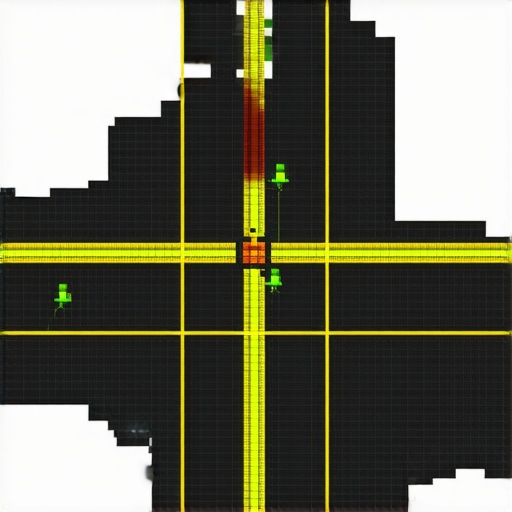
Visual diagram illustrating embedded sensor networks within masonry structures, highlighting data flow for structural monitoring.
What Are the Challenges in Implementing Nano-Enhanced Sealants at Scale?
Despite their promising properties, nano-enhanced sealants face hurdles like high production costs, inconsistent dispersion of nanoparticles, and limited long-term field data. Addressing these challenges requires concerted research efforts focused on scalable manufacturing processes, standardized testing protocols, and comprehensive performance studies under diverse environmental conditions.
Prioritizing Sustainable Solutions for Masonry Preservation
Sustainability in masonry work demands materials with low environmental footprints, such as bio-based sealants and recycled aggregates in patching compounds. Additionally, adopting techniques that minimize waste generation and employing energy-efficient cleaning methods contribute to greener restoration practices. Balancing durability with ecological responsibility remains a central objective for progressive industry professionals.
How Can Industry Standards Evolve to Embrace Innovation in Masonry Repair?
Updating normative frameworks to incorporate contemporary materials and techniques is vital for widespread adoption. This entails developing rigorous testing standards, certification protocols, and installation guidelines that acknowledge the unique properties of advanced solutions like nanomaterials or autonomous monitoring systems. Collaborative efforts among researchers, regulators, and practitioners ensure these standards reflect real-world feasibility and safety.
Engaging with ongoing professional development and industry forums can help practitioners stay aligned with evolving standards and innovative practices. As the landscape of masonry preservation advances, fostering a culture of continuous learning and adaptation becomes essential to delivering resilient, sustainable structures for future generations.
Harnessing Microbial Bioremediation for Sustainable Masonry Preservation
Recent advances have illuminated the potential of microbial bioremediation as a groundbreaking technique in masonry restoration. Utilizing specific bacterial strains to precipitate calcium carbonate formations can effectively detoxify and solidify deteriorated stone and brick surfaces, reducing dependence on harmful chemical treatments. This biological approach not only aligns with eco-friendly practices but also enhances the longevity of masonry structures by forming protective mineral layers that resist environmental aggressors.
Are Adaptive Coatings the Future of Facade Durability?
Adaptive or smart coatings respond dynamically to environmental stimuli such as moisture, temperature fluctuations, or pollutants. Incorporating nano-sized sensors or photochromic compounds, these coatings can activate barrier properties precisely when needed, offering real-time protection and minimizing maintenance interventions. For example, a facade coated with such responsive materials could effectively repel water during heavy rains while remaining breathable in dry conditions, thus optimizing structural integrity over time.
Implementing Advanced 3D Scanning for Precision Restoration
High-resolution 3D laser scanning technology facilitates meticulous documentation of masonry conditions, capturing micro-cracks, deformation, and surface irregularities with unparalleled accuracy. By integrating this data into digital twins, restoration professionals can plan interventions with surgical precision, ensuring that repairs are targeted and minimally invasive. This not only conserves historical authenticity but also streamlines the repair process, paving the way for predictive maintenance schedules that preempt structural issues.
What Role Do Reinforcement Strategies Play in Modern Masonry Repair?
Reinforcement techniques such as fiber-reinforced polymers (FRPs) are gaining prominence for their exceptional strength-to-weight ratios, corrosion resistance, and ease of installation. Embedding these materials within existing masonry enhances load-bearing capacity without substantially altering the structure’s appearance. Strategic reinforcement ensures that foundational integrity is maintained under increasing load demands and environmental stresses, exemplifying a paradigm shift towards proactive strengthening rather than reactive repairs.
Is Digital Monitoring Changing the Maintenance Landscape?
Embedding wireless sensors within masonry elements offers continuous, real-time data on structural shifts, moisture ingress, and material degradation. This paradigm enables maintenance teams to undertake condition-based interventions, reducing unnecessary repairs and extending the lifespan of structures. Moreover, integrating data analytics and machine learning algorithms empowers predictive diagnostics, transitioning masonry management from routine inspections to intelligent, anticipatory strategies.
Expert Insights & Advanced Considerations
Prioritize Material Compatibility to Prevent Future Failures
Ensuring that repair materials are chemically and physically compatible with existing substrates minimizes risks of delamination, cracking, and long-term deterioration, thereby extending the lifespan of masonry structures.
Leverage Real-Time Monitoring to Anticipate Issues
Integrating sensor technologies into masonry components allows for continuous structural health assessments, enabling proactive maintenance and preventing costly repairs driven by unnoticed deterioration.
Adopt Eco-Friendly and Self-Healing Materials for Sustainable Durability
Using bio-based sealants, recycled aggregates, and self-healing concrete not only reduces environmental impact but also enhances resilience by autonomously repairing micro-damage in masonry surfaces.
Curated Expert Resources
- International Masonry Institute (IMI): Offers comprehensive guidelines and research on modern masonry repair techniques, emphasizing sustainability and durability.
- American Society of Civil Engineers (ASCE) Journals: Publishes cutting-edge studies detailing advances in structural monitoring and innovative materials relevant to masonry restoration.
- ResearchGate Publications: Serves as a platform to access peer-reviewed articles exploring emerging technologies like nano-enhanced sealants and microbial bioremediation in masonry.
Final Expert Perspective
Mastering the nuances of masonry repair with a focus on advanced materials and strategic approaches ensures structures are resilient against the relentless forces of time and environment. Embracing innovations such as self-healing concretes and structural monitoring elevates maintenance from routine to predictive, safeguarding our built environment for generations to come. Engage deeply with these insights—your expertise and commitment are vital in shaping durable, sustainable masonry solutions that withstand the test of time.
This article offers some excellent insights into the importance of integrating innovative materials and technologies in masonry restoration. I particularly appreciate the emphasis on self-healing concrete and sensor technology, which I believe are game-changers for proactive maintenance. From my experience in the field, ensuring material compatibility alongside surface preparation is crucial to the longevity of repairs, especially in highly exposed environments. One challenge we often encounter is the initial cost of advanced materials, which can be a barrier for smaller projects. However, the long-term savings and durability benefits seem to justify the investment. I’m curious, though, how do industry standards typically evolve to include emerging technologies like nanomaterials and microbial bioremediation? Do you think the current guidelines are flexible enough, or is there a slow adoption process that needs acceleration? Would love to hear others’ thoughts on how to balance innovation with regulatory compliance and practical application.