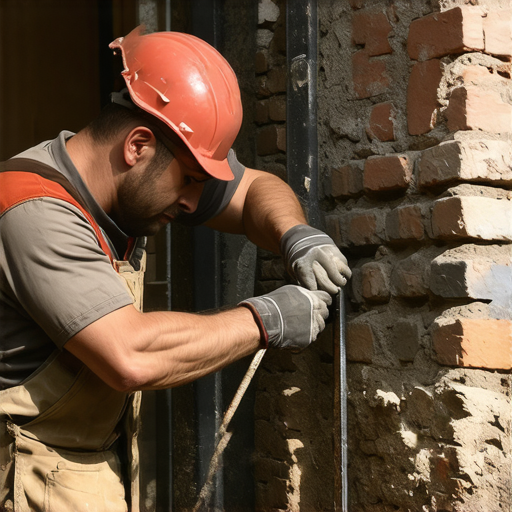
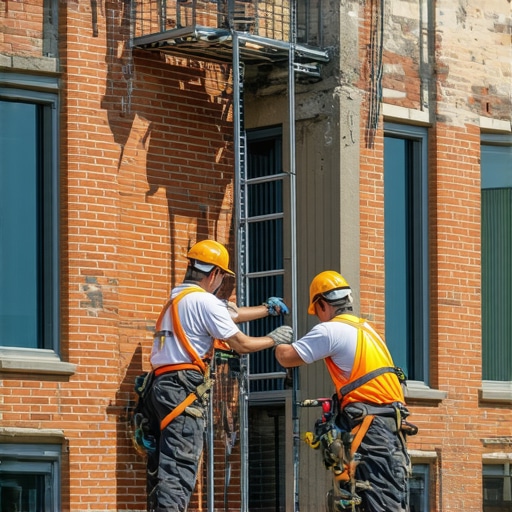
Trust Expert Tuckpointing & Facade Cleaning for Long-Lasting Durability
Elevating Masonry Longevity Through Precision Tuckpointing and Facade Restoration
In the realm of masonry preservation, the synergy between expert tuckpointing and meticulous facade cleaning forms the cornerstone of enduring structural integrity. These advanced techniques transcend superficial repairs, embedding resilience into the very fabric of your property. As seasoned specialists, we recognize that long-lasting results demand a nuanced understanding of material behavior, environmental impacts, and innovative restoration methodologies.
Deciphering the Complexities of Mortar Composition and Environmental Dynamics
Achieving durability begins with a thorough analysis of mortar constituents, where the compatibility of new mortar with existing substrates is paramount. Modern formulations incorporate flexible, breathable compounds that mitigate cracking and water ingress. Concurrently, environmental factors such as pollution, moisture, and temperature fluctuations accelerate deterioration. Expert facade cleaning employs gentle, eco-friendly solutions that remove contaminants without compromising masonry integrity, thereby prolonging the lifespan of restoration efforts.
Advanced Techniques in Tuckpointing to Prevent Structural Decay
Superior tuckpointing involves precision removal of compromised mortar followed by the application of high-performance, color-matched mortar mixes. This process not only restores aesthetic appeal but also fortifies the joint structure against water penetration and freeze-thaw cycles. Skilled craftsmen leverage moisture barriers and sealing techniques integrated within the tuckpointing process, ensuring the masonry system remains resilient over decades.
What are the latest innovations in mortar technology that enhance longevity?
Recent developments include polymer-enhanced mortars and breathable sealants that provide flexibility and resistance to environmental stressors. According to a study published in the Masonry Magazine, these materials significantly extend service life and reduce maintenance costs, making them a vital component of expert masonry care.
Maintaining Structural Integrity Through Routine Inspection and Preventive Measures
Long-lasting durability is not solely achieved through initial repair but also through ongoing maintenance. Regular inspections enable early detection of hairline cracks, efflorescence, or water infiltration. Preventive measures, such as installing proper flashing, gutters, and drainage systems, are integral to safeguarding the masonry from future damage.
Empowering Property Owners and Professionals for Optimal Outcomes
Engagement with expert resources, such as specialized guides and professional consultations, elevates the quality and longevity of masonry restoration. Whether through the application of cutting-edge materials or strategic maintenance planning, the goal remains to preserve the structural and aesthetic integrity of your property for generations.
Explore further insights or share your professional experiences with facade restoration by visiting our dedicated resources or engaging with industry experts. Your commitment to excellence ensures the lasting beauty and stability of masonry investments.
Harnessing Modern Materials for Enduring Masonry
One of the most exciting advancements in masonry preservation involves the development of innovative materials that significantly boost longevity. Breathable, flexible mortars infused with polymers, such as those discussed in expert guides, are transforming how professionals approach repairs. These materials adapt to environmental shifts, reducing the risk of cracking and water ingress, which are common causes of deterioration. Integrating such cutting-edge products into tuckpointing and facade cleaning strategies ensures properties remain resilient for decades, even in challenging climates.
Refining Inspection Protocols for Proactive Maintenance
Routine inspections are evolving beyond visual checks. Advanced diagnostic tools, like infrared thermography and ultrasonic testing, enable property owners and professionals to detect hidden flaws early. These technologies reveal moisture intrusion, internal cracks, or material fatigue before visible damage occurs, allowing for timely intervention. Incorporating these methods aligns with the proactive maintenance philosophy championed by industry experts and ensures that masonry structures sustain their integrity over time, reducing costly repairs in the future.
Can Smart Technologies Revolutionize Masonry Preservation?
Emerging smart sensors embedded within masonry systems can monitor environmental conditions and structural health in real-time. These sensors track parameters such as humidity, temperature, and movement, providing continuous feedback on the property’s condition. Such innovations could revolutionize maintenance schedules, enabling targeted repairs and optimal resource allocation. As noted in recent industry analyses, integrating smart technology with traditional restoration techniques enhances the durability of masonry assets and offers a new dimension of property management.
What role can data-driven insights play in customizing preservation strategies for unique masonry needs?
By leveraging data analytics, professionals can craft tailored maintenance plans based on specific environmental exposure and material performance history. This precision approach minimizes unnecessary interventions and maximizes durability, ultimately safeguarding property value. For comprehensive strategies, consulting trusted resources and expert opinion, such as foundation restoration specialists, ensures that innovative practices align with proven techniques.
If you found these insights valuable, consider sharing your thoughts or experiences in masonry preservation. Exploring new technologies and materials can significantly enhance the lifespan and aesthetic appeal of your property.
Harnessing the Power of Nanotechnology in Masonry Repair
Recent advancements in nanotechnology are revolutionizing masonry preservation, offering solutions that enhance material performance at the molecular level. Nano-sized particles like nano-silica and nano-titania are now incorporated into mortar mixes, providing increased resistance to water penetration, UV degradation, and microbial growth. These modifications result in significantly extended service life, reducing the frequency and costs of repairs. According to a detailed study published in the Journal of Materials Science, nano-enhanced mortars exhibit superior bonding strength and durability, making them ideal for high-value heritage restorations and modern construction alike.
How can nano-technology address the challenges of climate-induced masonry deterioration?
Nano-coatings and additives create a barrier that is both breathable and impermeable, allowing moisture to escape while blocking damaging environmental elements. This dual function is crucial in climates with high humidity or temperature fluctuations, where traditional mortars tend to crack or erode prematurely. Implementing these innovative materials requires a nuanced understanding of their interaction with existing substrates, emphasizing the importance of expert assessment and tailored application strategies.
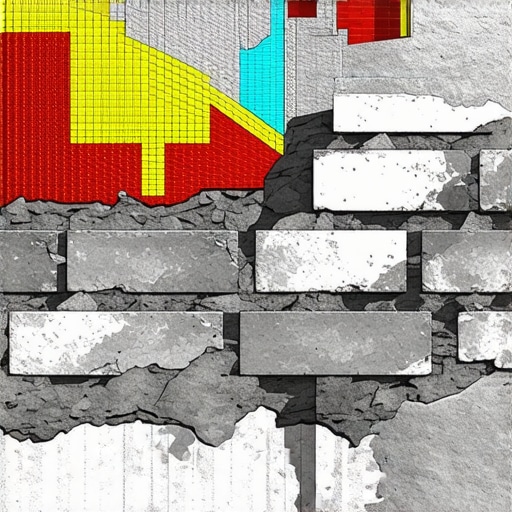
Visual representation of nano-technology applied in masonry restoration, showing molecular-level coating on brick surfaces.
Smart Sensors Elevate Preventive Masonry Maintenance
The integration of smart sensor technology into masonry structures is opening new frontiers in proactive preservation. These sensors continuously monitor parameters such as humidity, temperature, and structural movement, providing real-time data that informs maintenance decisions. For example, sensors embedded within brick joints can alert property managers to early signs of water ingress or material fatigue before visible damage occurs. Such predictive maintenance aligns with the best practices outlined by the Structure Magazine, ensuring interventions are timely, cost-effective, and minimally invasive.
What data analytics techniques are essential for interpreting sensor data in masonry preservation?
Advanced data analytics, including machine learning algorithms and pattern recognition, enable professionals to identify trends and correlations within sensor datasets. These insights facilitate customized maintenance schedules tailored to the specific environmental exposure and historical performance of each structure. To maximize the benefits of smart monitoring systems, collaboration with data scientists and structural engineers is highly recommended, ensuring that predictive models are both accurate and actionable.
Harnessing Cutting-Edge Materials to Revolutionize Masonry Preservation
The transition to nanotechnology-infused mortars and breathable sealants marks a paradigm shift in masonry repair, providing unmatched resistance to environmental assaults. These innovations not only enhance longevity but also facilitate maintenance, reducing long-term costs and preserving historical authenticity. For instance, nano-silica particles create a formidable barrier against water ingress, significantly minimizing freeze-thaw damage—a common adversary in masonry decay.
According to a comprehensive review in the Journal of Materials Science, nano-engineered materials demonstrate superior bonding strength and adaptive resilience, making them indispensable in high-stakes heritage restoration projects and modern infrastructure alike.
Leveraging Diagnostic Technologies for Precise Damage Assessment
Emerging diagnostic tools like infrared thermography and ultrasonic testing are transforming property inspections from reactive to proactive. These techniques uncover hidden flaws—such as internal cracks or moisture intrusion—that traditional visual assessments might miss. Early detection enables targeted interventions, conserving resources and extending the lifespan of masonry structures.
Integrating these technologies aligns with the best practices outlined by industry authorities like Structure Magazine, ensuring maintenance strategies are both scientifically grounded and highly effective.
How Can Smart Sensors and Data Analytics Redefine Masonry Maintenance?
The deployment of embedded smart sensors within masonry elements offers real-time monitoring of environmental and structural parameters. These sensors track humidity, temperature fluctuations, and structural movements, providing continuous data streams that inform predictive maintenance schedules.
Advanced data analytics, including machine learning algorithms, interpret sensor data to identify deterioration patterns before visible damage occurs. This approach enables tailored interventions, minimizes disruption, and optimizes resource allocation, ultimately safeguarding property value and structural integrity.
What are the most promising data analytics techniques for maximizing sensor data utility in masonry preservation?
Techniques such as anomaly detection, trend analysis, and predictive modeling are invaluable. Collaborations between structural engineers and data scientists facilitate the development of sophisticated algorithms that enhance decision-making processes, ensuring interventions are both timely and cost-effective. Consultation with experts from sources like trusted foundation specialists ensures these innovative practices are properly integrated into preservation efforts.
If you are eager to elevate your masonry maintenance protocols with these advanced strategies, engaging with industry experts and adopting emerging technologies can vastly improve your project’s durability and aesthetic appeal.
Expert Insights That Elevate Your Masonry Projects
Prioritize Material Compatibility for Lasting Repairs
Choosing mortars and sealants that match the original materials prevents premature deterioration. Modern flexible, breathable mortars accommodate environmental shifts, reducing cracking and water infiltration.
Leverage Innovative Technologies to Detect Hidden Damage
Infrared thermography and ultrasonic testing enable early detection of internal cracks and moisture intrusion, allowing targeted interventions that extend the lifespan of masonry structures.
Integrate Smart Monitoring for Real-Time Maintenance
Embedding sensors within masonry elements provides continuous data on humidity, temperature, and movement, facilitating predictive maintenance and reducing costly repairs.
Embrace Nano-Enhanced Materials for Superior Performance
Nanotechnology-infused mortars and coatings offer increased water resistance, UV protection, and microbial resistance, significantly boosting durability in challenging climates.
Adopt Proactive Inspection Regimens
Routine inspections, combined with advanced diagnostic tools, help identify early signs of deterioration, ensuring timely repairs and preserving structural integrity.
Curated Resources to Deepen Your Expertise
- Structure Magazine: Industry-leading publication offering cutting-edge insights on masonry preservation techniques, diagnostic innovations, and technological advancements.
- Journal of Materials Science: Peer-reviewed research focusing on nano-technology applications and material performance enhancements in masonry repair.
- National Association of Corrosion Engineers (NACE): Provides guidelines and research on corrosion prevention and protective coatings for masonry and concrete.
- Building Science Corporation: Specialist resources on environmental impact mitigation, moisture management, and sustainable preservation practices.
Reflecting on the Future of Masonry Maintenance
Integrating expert knowledge with emerging technologies like smart sensors and nanomaterials revolutionizes masonry preservation. The emphasis shifts from reactive repairs to proactive, data-driven strategies that ensure longevity and resilience. For industry professionals and property owners alike, embracing these innovations is essential to safeguarding investments against environmental stressors and aging processes. Engage with leading experts, explore authoritative resources, and commit to continuous learning to stay ahead in the evolving landscape of masonry care. Your efforts today lay the foundation for structures that endure for generations, exemplifying craftsmanship and scientific mastery.
This article really highlights how crucial the integration of advanced materials and technologies is in masonry preservation. From Nano-enhanced mortars to smart sensors, the evolution in this field is impressive and promising for long-term durability. I particularly found the section on routine diagnostics using infrared thermography and ultrasonic testing insightful, as implementing these techniques could significantly reduce unexpected failures down the line.
In my experience working on historic restorations, matching mortar formulations has always been challenging, especially balancing aesthetics with functionality. The mention of breathable, flexible mortars infused with polymers makes me curious about their application in different climate zones and how they perform over decades.
Considering the ongoing technological advancements, how do you see the role of AI and machine learning shaping future maintenance planning? Could these tools fully automate some aspects of condition assessment, or will expert judgment still be indispensable? I’m eager to hear others’ thoughts on how these innovations can be practically integrated into everyday preservation efforts.
This article offers a comprehensive overview of how combining technological advances with traditional masonry skills can truly elevate the durability and aesthetic appeal of structures. I’ve worked on several restoration projects where the emphasis on precise tuckpointing and environmental considerations made a palpable difference in long-term performance. It’s fascinating to see the focus shifting toward smarter diagnostics and materials, like nano-coatings and embedded sensors. They provide invaluable data that can prevent major issues before they even become visible, saving significant costs and effort down the line.
One challenge I’ve faced is ensuring that these innovative materials remain compatible with historic or unique substrates, especially in climates with extreme temperature swings. Has anyone here had success integrating nano-technology or smart sensors in heritage buildings without compromising their authenticity? Also, I wonder how accessible these advanced diagnostics and materials are for smaller-scale or budget-sensitive projects. Do you think the industry will see a democratization of these technologies, or will they remain largely confined to high-end restorations? I’d love to hear insights from fellow professionals on balancing innovation with practical application.
What I appreciate about this post is its comprehensive approach to masonry preservation, especially the emphasis on combining advanced materials like nano-enhanced mortars with traditional techniques. From my experience working on commercial properties, I’ve seen how critical proper maintenance and utilizing innovative solutions are in preventing significant structural issues over time. The integration of smart sensors, in particular, intrigues me, as they provide real-time data that can foresee potential problems before they escalate. However, a concern I often encounter is the cost barrier for smaller projects—many of these cutting-edge technologies seem to be out of reach due to budget constraints. Do you think the industry will move toward more affordable versions of these advanced materials and diagnostic tools, making them accessible for a wider range of projects? Also, how do you see the role of property owners and managers in adopting these new strategies effectively? I’d love to hear about practical experiences or advice on balancing innovation with cost-effectiveness.