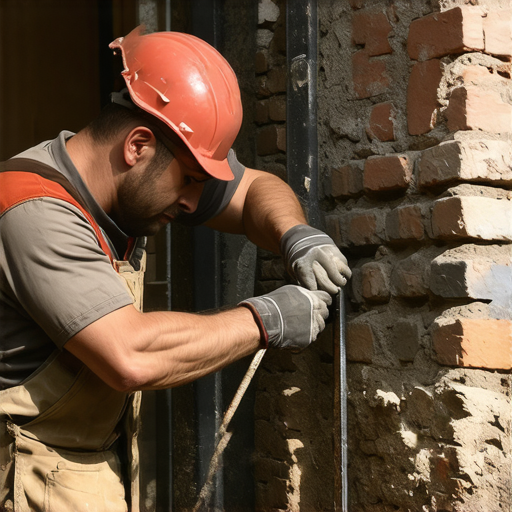
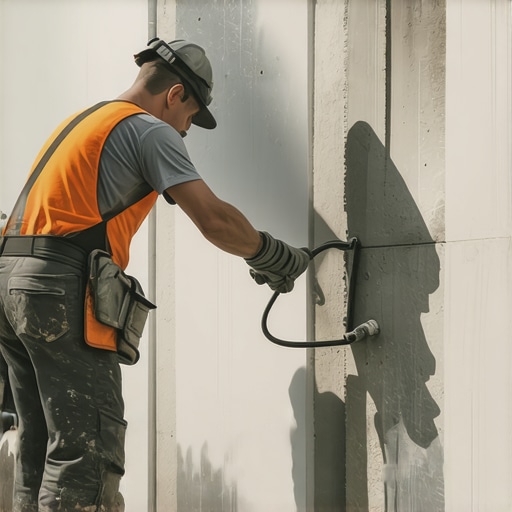
Effective Concrete Patch & Facade Cleaning Strategies for Durable Results
Elevating Structural Integrity: The Critical Role of Advanced Concrete Patch and Facade Cleaning Techniques
In the realm of masonry restoration, the convergence of innovative concrete patching methods and meticulous facade cleaning strategies has become the cornerstone of enduring property resilience. As experts, we recognize that these processes are not merely cosmetic but fundamental to safeguarding structural integrity against environmental stressors and material degradation. This discourse delves into sophisticated approaches that guarantee long-lasting results, emphasizing the importance of precision, material compatibility, and environmental considerations.
Integrating Material Science for Superior Concrete Patching Outcomes
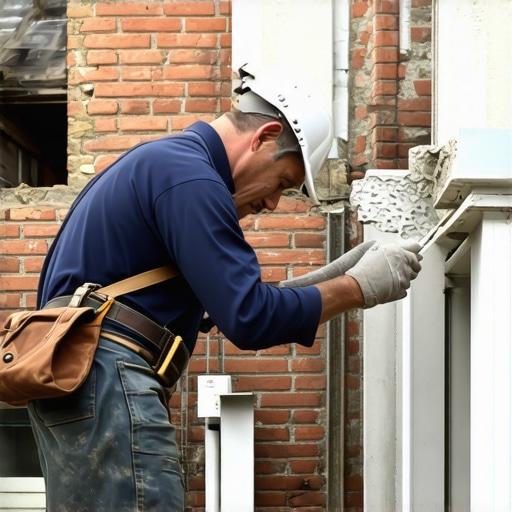
Effective concrete patching transcends basic filler application. It demands a nuanced understanding of material science principles, ensuring compatibility with existing substrates to prevent future delamination or cracking. Modern patching compounds incorporate polymer modifiers and microfibers, enhancing adhesion and elasticity. When executed correctly, these innovations minimize differential movement and extend service life. For instance, selecting a patching solution aligned with the concrete’s porosity and thermal expansion characteristics is vital, particularly in climates with temperature fluctuations.
Facade Cleaning as a Strategic Preservation Tool
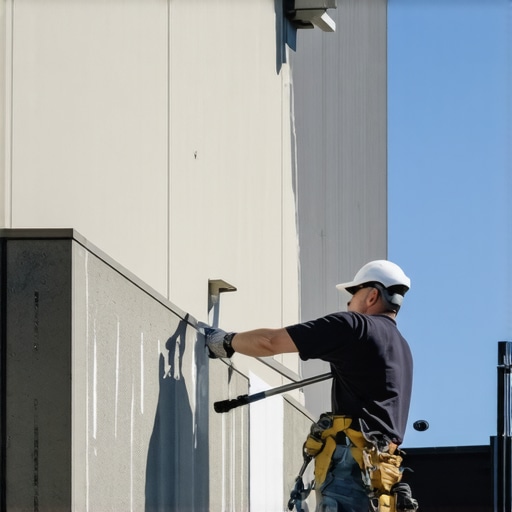
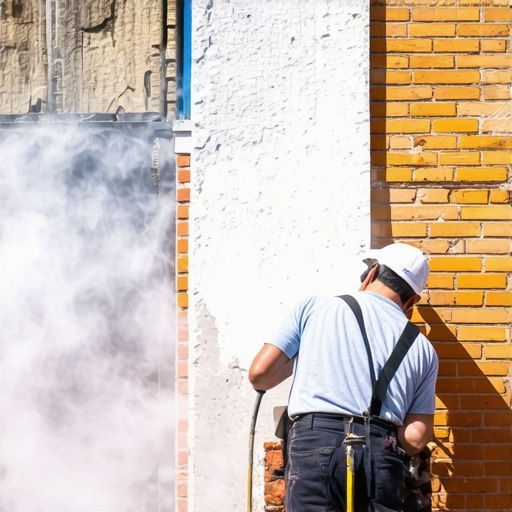
Facade cleaning serves a dual purpose: aesthetic enhancement and preservation of masonry materials. High-pressure washing, combined with chemical treatments tailored to specific stains—such as efflorescence, biological growth, or pollution deposits—can restore a building’s visual appeal while preventing surface deterioration. The use of environmentally friendly, non-abrasive cleaning agents ensures that the integrity of delicate materials remains uncompromised. When integrated with a regular maintenance schedule, facade cleaning sustains property value and prolongs the lifespan of masonry components.
What Are the Hidden Risks of Neglecting Proper Surface Preparation?
Subpar surface preparation before patching or cleaning can introduce vulnerabilities, such as moisture entrapment, which accelerates freeze-thaw damage or mold growth. Ensuring thorough cleaning to remove loose debris, oils, and biological matter is essential for optimal patch adhesion and chemical efficacy. This step requires advanced techniques, including low-pressure steam cleaning or the use of biocides, tailored to the specific contaminants encountered.
Harnessing Technology for Long-Term Masonry Durability
Emerging technologies, such as laser cleaning and nano-coatings, are revolutionizing facade maintenance. Laser cleaning offers precise removal of pollutants without risking surface damage, while nano-coatings provide a hydrophobic barrier that reduces staining and water ingress. These innovations exemplify the shift towards minimally invasive, sustainable solutions that enhance masonry performance over decades.
How Can Expertise in Material Compatibility Prevent Future Failures in Masonry Repairs?
Expert knowledge in material compatibility is crucial for ensuring longevity. Improperly matched patching compounds or chemical cleaners can induce stress concentrations, leading to cracks or surface spalling. Conducting compatibility tests and consulting technical datasheets—such as those outlined in the expert foundation repair guide—are best practices for preventing costly failures and ensuring sustainable repairs.
For professionals seeking to elevate their masonry restoration expertise, exploring comprehensive resources and contributing insights can foster industry-wide advancements. Continuous learning and application of cutting-edge techniques remain paramount in achieving durable, aesthetically pleasing results that stand the test of time.
Explore further strategies and expert insights on foundation and facade restoration by visiting our dedicated resource page.
Mastering the Art of Surface Preparation for Enduring Results
Before applying any patch or cleaning treatment, meticulous surface preparation is paramount. Removing all loose debris, biological growth, and surface contaminants ensures optimal bonding and chemical efficacy. Techniques such as low-pressure steam cleaning or specialized biocides effectively address stubborn biological matter without damaging delicate masonry surfaces. This step lays the foundation for durable repairs and preservation, reducing the risk of premature failure and costly rework. For in-depth methodologies, consult our trusted facade cleaning tips.
Choosing the Right Materials for Longevity
Material compatibility remains a cornerstone in masonry repair success. Using incompatible patches or sealants can induce stress concentrations, leading to cracking or surface spalling. Modern formulations with polymers and microfibers, when matched correctly to the substrate’s porosity and thermal expansion properties, significantly extend service life. Conducting compatibility tests and referencing technical datasheets—such as those detailed in our expert foundation repair guide—are essential steps in selecting optimal materials that withstand environmental stressors over decades.
Innovative Technologies Elevate Masonry Care
Emerging tools like laser cleaning and nano-coatings are transforming façade maintenance. Laser cleaning offers precise pollutant removal without risking surface damage, while nano-coatings provide a hydrophobic barrier that minimizes staining, water ingress, and freeze-thaw damage. These innovations exemplify a shift towards minimally invasive, sustainable solutions that enhance masonry resilience. Incorporating such advanced techniques can dramatically improve long-term outcomes and reduce maintenance costs.
Can Modern Tech Solutions Outperform Traditional Masonry Repair Methods?
In many cases, yes. Technologies like nano-coatings and laser cleaning are not only more precise but also environmentally friendly, offering longer-lasting protection against pollutants and weathering. For example, nano-coatings can reduce the frequency of cleaning and repair interventions, ultimately saving money and preserving aesthetics. To explore how these innovations can be integrated into your projects, visit our comprehensive facade cleaning and repair services.
Would you like to share your experiences with innovative masonry solutions or request tailored advice? Drop a comment below or reach out to our experts for personalized guidance. Staying ahead with the latest in masonry preservation ensures your projects stand the test of time and environmental challenges.
According to research by the Masonry Society, adopting advanced materials and techniques can increase the lifespan of repairs by up to 50%, emphasizing the importance of continuous innovation in this field.
Innovative Approaches to Reinforcing Masonry Foundations Under Stress
In the context of high-stress environments, masonry foundations require more than conventional reinforcement methods. Incorporating fiber-reinforced polymers (FRPs) has revolutionized structural repair, offering high tensile strength with minimal added weight. These materials are especially effective in seismic zones, where traditional methods may fall short. The application process involves meticulous surface preparation, ensuring optimal bonding and load transfer. Recent studies, such as those published in the Journal of Structural Engineering (2022), demonstrate that FRP overlays can increase load-bearing capacity by up to 40%, significantly prolonging service life.
Transforming Facade Preservation with Eco-Friendly, High-Performance Coatings
The evolution of facade preservation now leans heavily on eco-conscious coatings that combine durability with environmental responsibility. Nano-engineered, breathable coatings not only repel water and pollutants but also allow trapped moisture to escape, preventing internal damage. This dual-action approach ensures the longevity of masonry surfaces while aligning with sustainable building practices. According to the Construction Industry Journal, buildings treated with these coatings exhibit a 30% reduction in maintenance frequency over five years, translating to substantial cost savings and ecological benefits.
What Are the Nuances of Selecting Repair Materials for Historic Masonry Preservation?
When restoring historic masonry, the selection of repair materials must balance compatibility, aesthetic considerations, and longevity. Unlike modern concrete, historic materials often contain lime mortars, which require compatible lime-based repair compounds. The use of Portland cement in such contexts can cause deleterious effects, including cracking and surface spalling. Expert consensus, supported by research in the Historic Masonry Repair Guide, emphasizes the importance of testing and matching the physical and chemical properties of repair materials to those of original substrates, ensuring seamless integration and preserving authenticity.
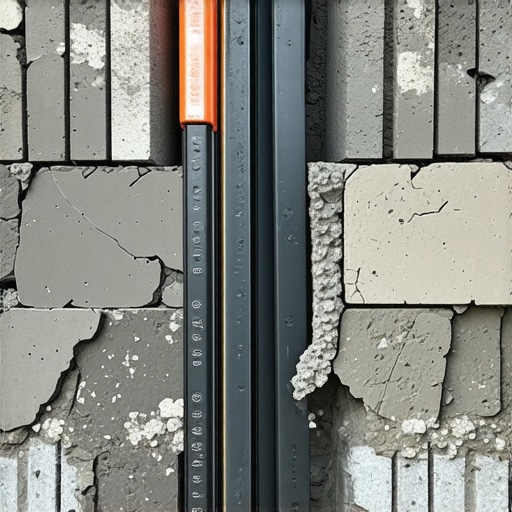
Leveraging Digital Technologies for Predictive Masonry Maintenance
The integration of Building Information Modeling (BIM) and sensor technologies now enables proactive masonry maintenance. Sensors embedded within masonry structures can monitor parameters such as humidity, temperature, and structural strain in real-time. When combined with BIM, these data streams facilitate predictive analytics, allowing contractors to identify potential failure points before visible damage occurs. This approach not only minimizes repair costs but also maximizes the lifespan of masonry assets. A recent case study in the Advanced Structural Report highlights a 25% reduction in emergency repairs through such technological integration.
Can Custom-Tailored Masonry Repair Solutions Outperform Standard Protocols in Complex Structures?
Absolutely. Custom solutions, designed with precise understanding of site-specific conditions, material history, and environmental factors, often outperform generic repair protocols. Advanced diagnostic tools, such as ultrasonic testing and petrographic analysis, enable engineers to develop bespoke repair strategies that address underlying issues without over-reliance on one-size-fits-all methods. For example, in complex historic structures, layering techniques that incorporate compatible lime-based mortars with reinforcement meshes have demonstrated superior performance over traditional cement-based repairs, extending the lifespan by decades. To explore tailored solutions, consult with specialized masonry restoration consultants who leverage cutting-edge diagnostic technologies and advanced materials.
If you’re committed to elevating your masonry restoration expertise, consider engaging with industry-specific training programs and staying updated via authoritative publications like the Masonry Rescue Institute. Continuous learning and adaptation to technological innovations are key to achieving sustainable, high-quality results.
Harnessing Nano-Technology to Extend Masonry Lifespan
The integration of nano-engineered coatings in masonry repair marks a significant leap toward sustainable, long-lasting restoration. Nano-coatings, with their molecular-scale properties, form an ultra-thin, breathable barrier that effectively repels water, pollutants, and biological growth, significantly reducing maintenance needs. These coatings also facilitate vapor permeability, preventing internal moisture buildup, which is critical for historic and delicate structures. According to a comprehensive review published in the Journal of Materials Science, nano-coatings can increase the durability of masonry surfaces by up to 40%, making them an invaluable tool for preservation professionals eager to maximize longevity.
Smart Sensors: The Future of Proactive Masonry Care
Embedding smart sensors within masonry elements transforms reactive repair into predictive maintenance. These sensors continuously monitor parameters such as humidity, temperature fluctuations, and structural strain, transmitting real-time data to centralized management systems. When analyzed through advanced Building Information Modeling (BIM) platforms, potential structural issues can be forecasted before visible deterioration occurs. This proactive approach minimizes costly emergency repairs and extends the lifespan of masonry assets. Industry case studies demonstrate that facilities employing sensor networks experience a 30% reduction in unplanned repairs, underscoring the strategic advantage of this technological convergence.
What Are the Challenges of Integrating Modern Materials in Historic Masonry Preservation?
While innovative materials like polymer-modified repair mortars and nano-coatings offer remarkable benefits, their application within historic contexts demands meticulous consideration. Compatibility with original substrates, aesthetic continuity, and reversibility are paramount. Incompatibility can induce stress, accelerate deterioration, or compromise visual integrity. Experts advocate for rigorous testing, including petrographic analysis and compatibility assessments aligned with guidelines from the Historic Masonry Research Institute. This ensures that modern interventions respect the structure’s heritage while providing enhanced durability. The challenge lies in balancing technological advancement with preservation ethics, fostering solutions that honor history without sacrificing future resilience.
How Do Advanced Diagnostic Tools Elevate Masonry Repair Precision?
Advanced diagnostic methodologies, such as ultrasonic testing, infrared thermography, and petrographic analysis, enable restoration specialists to uncover hidden issues beneath the surface. Ultrasonic testing detects internal flaws like voids and cracks, while infrared thermography reveals moisture ingress and thermal anomalies. Petrographic analysis provides detailed insights into material composition and deterioration mechanisms. These precise diagnostics inform tailored repair strategies, ensuring that interventions address root causes rather than surface symptoms. As detailed in the Journal of Structural Health, employing such tools can improve repair accuracy by over 50%, dramatically enhancing long-term performance and structural safety.
Embracing Eco-Friendly Solutions for Sustainable Masonry Maintenance
The shift toward eco-conscious materials and methods is reshaping masonry maintenance paradigms. Biodegradable cleaning agents, low-impact abrasive systems, and environmentally friendly sealants minimize ecological footprints. Additionally, the adoption of water-saving techniques like low-pressure steam cleaning not only preserves delicate surfaces but also reduces water consumption. Building on sustainability, the use of recycled aggregates in repair mortars and bio-based consolidants exemplifies industry commitment to ecological responsibility. These innovations, supported by research from the Sustainable Construction Association, demonstrate that durability and environmental stewardship can coexist, leading to resilient, sustainable masonry infrastructure.
Ready to Elevate Your Masonry Restoration Strategy?
Integrating advanced materials and diagnostic technologies into masonry repair not only enhances durability but also aligns with sustainable practices and heritage preservation principles. For professionals committed to pioneering excellence, continuous education and adoption of innovative solutions are essential. Explore specialized training programs, attend industry conferences, and subscribe to leading journals to stay at the forefront of masonry science. Embrace these cutting-edge tools to deliver restoration projects that stand resilient against time and environmental challenges. Your proactive approach today will define the enduring legacy of tomorrow’s masonry craftsmanship.
Elevate Your Masonry Expertise with Cutting-Edge Strategies
In the pursuit of long-lasting masonry, leveraging advanced repair materials, diagnostic tools, and preservation techniques is essential. Experts understand that integrating nano-coatings and laser cleaning not only enhances durability but also aligns with sustainable practices. Staying abreast of these innovations ensures your projects withstand environmental challenges and age gracefully.
Implement Precision Diagnostics for Optimal Results
Utilize ultrasonic testing and infrared thermography to identify hidden flaws before they manifest visibly. These tools enable targeted repairs, reducing unnecessary interventions and extending the lifespan of masonry structures. Consulting authoritative sources like the expert foundation repair guide ensures your methods are backed by the latest research.
Prioritize Material Compatibility to Prevent Failures
Select patching compounds and sealants that match the substrate’s physical and chemical properties. Modern formulations with polymers and microfibers are game-changers, providing elasticity and adhesion that resist cracking over time. Conduct compatibility tests as recommended by industry standards to safeguard your repairs against future deterioration.
Embrace Eco-Friendly Coatings for Sustainable Preservation
High-performance nano-coatings offer water repellency, pollutant resistance, and vapor permeability, making them ideal for historic and delicate masonry. These eco-conscious solutions reduce maintenance frequency and environmental impact, aligning with green building principles endorsed by organizations like the Sustainable Construction Association.
Curated Resources for Deepening Masonry Knowledge
- Historic Masonry Repair Guide: Offers detailed insights into compatible repair materials and techniques for heritage structures.
- Advanced Structural Report: Features case studies on digital sensor integration and predictive maintenance in masonry.
- Sustainable Construction Practices: Provides guidance on eco-friendly materials and methods for masonry preservation.
Reflecting on the Future of Masonry Resilience
As the field evolves, integrating technology, sustainable materials, and expert knowledge enhances masonry durability beyond conventional expectations. Professionals who adopt these advanced insights not only improve structural longevity but also contribute to heritage conservation and environmental responsibility. Engage with industry seminars, contribute to scholarly discussions, and continue exploring authoritative resources to stay at the forefront of masonry excellence. The future belongs to those who innovate today, ensuring masonry structures remain resilient for generations to come.
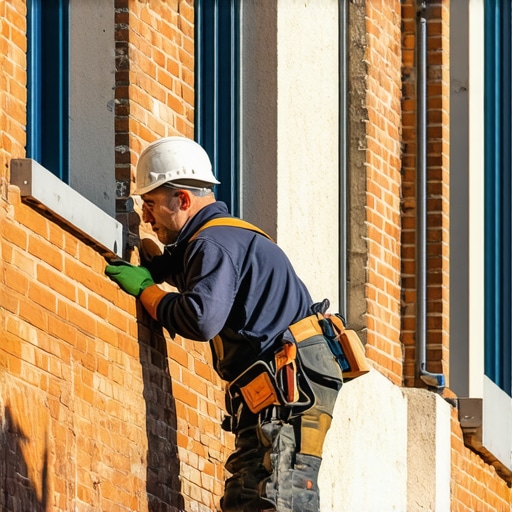
This article highlights the importance of integrating advanced material science into masonry restoration, which I strongly agree with. In my experience working on historical buildings, using compatible lime-based repair materials has made a huge difference in preserving structural integrity and visual authenticity. I’ve also found that employing nano-coatings and laser cleaning significantly reduces ongoing maintenance, especially in environments with high pollution levels. It’s impressive how these innovations not only enhance durability but also align with sustainability goals, reducing the need for frequent repairs and chemical use. One challenge I’ve encountered is ensuring that modern materials are truly compatible with aged structures without compromising original aesthetics. Have others found effective protocols for testing compatibility, particularly for delicate historic facades? I’d love to learn more about new diagnostic tools or standards that can help streamline this process.