Is Stone Veneer Over Brick Peeling? 4 Proven 2026 Fixes
The Hollow Sound of Failure: A Forensic Scene
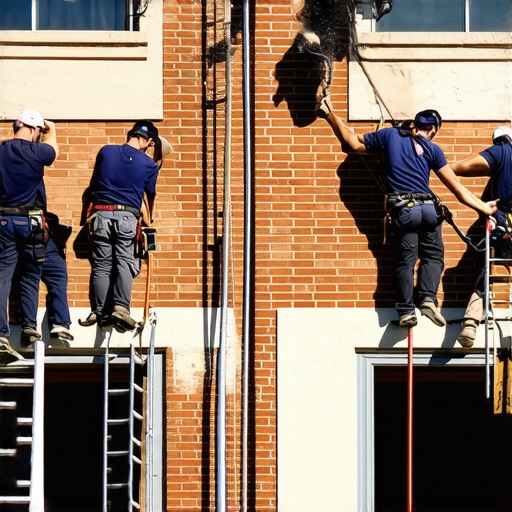
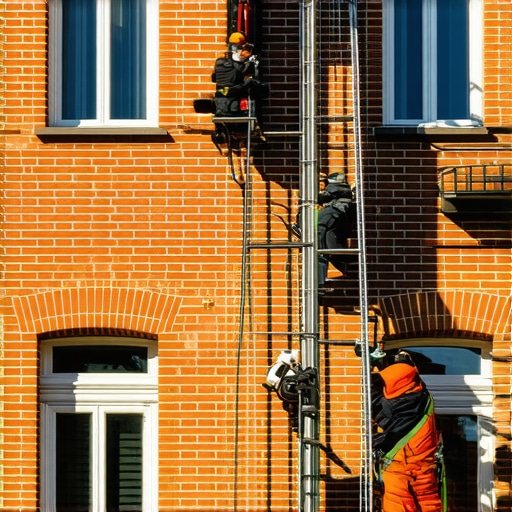
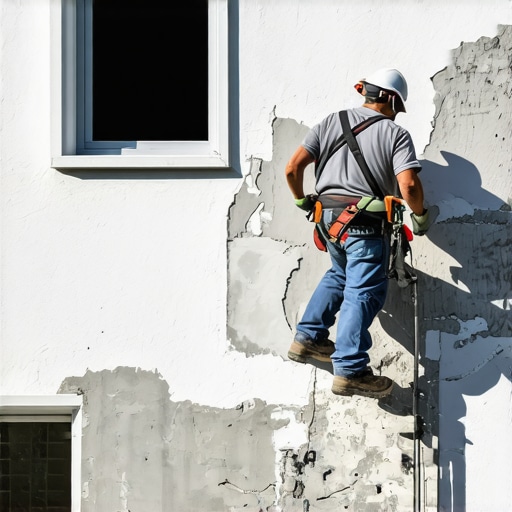
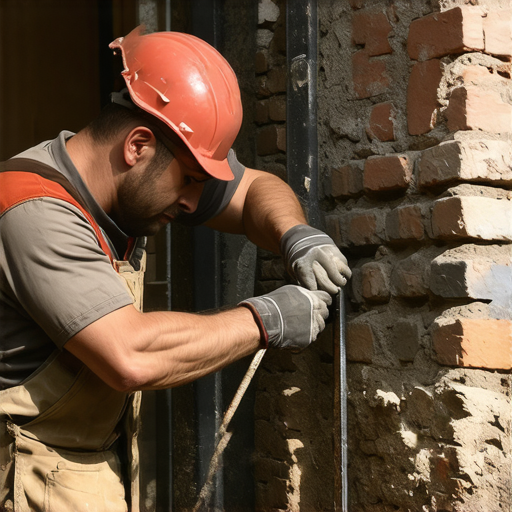
I was standing on a scaffolding in the driving rain last October, looking at a three-story commercial facade where the ‘lick-and-stick’ stone veneer was literally sliding off the building. The homeowner thought it was just a hairline crack, a cosmetic nuisance she could ignore until spring. But when I put my scope inside the gap between the stone and the substrate, I saw the structural steel was rusted to dust and the underlying historic brick was turning into red mush. This wasn’t just a peeling stone; it was a slow-motion masonry suicide. The culprit? A total misunderstanding of the physics of moisture. When you slap a non-breathable, polymer-modified stone veneer over a 100-year-old breathable brick wall without a drainage plane, you aren’t ‘upgrading’ your home; you’re building a vertical swamp. The moisture gets trapped, the vapor drive pushes inward, and the freeze-thaw cycle does the rest. I’ve spent thirty years on the hawk and trowel, and nothing angers me more than seeing historic tuckpointing buried under cheap, modern adhesives that suffocate the building.
“Water penetration is the single greatest threat to masonry durability. Moisture trapped within a wall system through lack of drainage or breathability leads to rapid deterioration of both the masonry units and the structural assembly.” – BIA Technical Note 7
The Physics of the ‘Peel’: Why Modern Veneers Fail
To understand why your stone is falling off, we have to micro-zoom into the hydration process and the chemistry of the bond. Most modern stone veneers are applied using the ‘buttering’ method. A mason takes a handful of mud—usually a Type S or a polymer-modified mortar—and slaps it on the back of the stone before pressing it against the brick. In theory, this creates a vacuum bond. In reality, if the brick substrate is old, it has a high suction rate. It sucks the water out of the mortar before the cement crystals can properly grow into the pores of the brick. This results in a ‘cold joint,’ a brittle interface that has zero structural integrity. Furthermore, we have to talk about brick spalling prevention. Historic bricks are soft; they were fired at lower temperatures than modern blocks. When you cover them with a hard, rigid cement-based veneer, the brick cannot expand or contract. The moisture trapped behind the stone expands by 9% when it freezes, creating thousands of pounds of internal pressure. This pressure eventually exceeds the tensile strength of the brick face, causing it to ‘spall’ or pop off, taking the stone veneer with it.
Fix 1: The Total Forensic Stripping and Historic Tuckpointing
In 2026, the most effective fix for a peeling facade isn’t more glue; it’s a return to historic tuckpointing. If the veneer is failing over more than 20% of the surface, the ‘band-aid’ approach is dead. We strip the stone, grind out the failing mortar joints to a depth of at least 3/4 of an inch, and repoint using a lime-based mortar (Type O or K). Unlike Portland cement, lime is ‘sacrificial.’ It is softer than the brick, allowing the building to breathe and move. This is the cornerstone of masonry rescue after disaster. We use a slicker to compress the mud into the joint, ensuring there are no voids where water can hide. This restores the structural integrity of the base layer before any new aesthetics are considered. If the client wants a modern look, we might suggest metallic brick colors application using breathable mineral stains rather than suffocating stone veneers.
Fix 2: Chimney Structural Repair and Heat Shielding
Often, the peeling starts at the chimney—the most exposed part of any masonry structure. A chimney acts like a giant straw, sucking up moisture. If the stone veneer is peeling there, you likely have an internal moisture problem. Chimney structural repair in these cases involves more than just sticking the stones back on. We often look at chimney heat shield installation to prevent thermal shock from the inside out. When the interior of a chimney heats up rapidly, the brick expands. If the exterior stone veneer is bonded too tightly with rigid mortar, the differential expansion causes the veneer to shear off. By installing a proper heat shield and ensuring the commercial tuckpointing on the exterior is flexible enough to handle the heat, we stop the peeling at its thermal source.
“Adhesion of thin-set masonry veneers is dependent upon the mechanical interlock of the mortar paste into the pores of the substrate. If the substrate is saturated or excessively dry, the bond strength is reduced by up to 80%.” – ASTM C1714 Standard
Fix 3: Sustainable Block Cutting and Drainage Planes
If you insist on stone veneer in 2026, you have to do it with a drainage plane. This involves a rainscreen system where a small gap is left between the brick and the stone. We use sustainable block cutting techniques to create custom stone pieces that allow for integrated weep holes. This ensures that any water that penetrates the stone (and it will) can run down the back and exit at the base of the wall. This is the only way to prevent masonry joint sand repair issues later on. Without a drainage plane, the joint sand or grout between the stones stays perpetually damp, leading to efflorescence—that white, salty crust—and eventually, total bond failure. We also look at outdoor masonry fountain restoration principles here; if you can keep a fountain wall dry from the inside, you can keep a house wall dry too.
Fix 4: Commercial Tuckpointing and Vapor Management
For larger buildings, commercial tuckpointing is the only way to save a peeling facade. We use high-pressure water testing to identify every hollow spot. Any stone that doesn’t ‘ring’ when tapped with a mason’s hammer is removed. We then treat the underlying brick with a silane-siloxane water repellent that is 100% vapor permeable. This prevents brick spalling prevention by keeping liquid water out while letting water vapor escape. It’s a delicate balance. If you use a cheap ‘sealer’ from a big-box store, you’re just plastic-wrapping your house. You need professional-grade chemistry to ensure the ‘tooth’ of the brick remains open for the next hundred years of service.
The Final Strike: Do It Once, Or Do It Twice
There is no ‘hack’ for masonry. You can’t spray-foam your way out of a structural bond failure. If your stone veneer is peeling, it’s a symptom of a deeper sickness in the wall’s moisture management. Whether it’s the lack of sustainable block cutting for proper air flow or the misuse of Portland cement on historic units, the fix requires a forensic eye and a heavy hammer. Respect the brick, understand the physics of water, and never trust a contractor who doesn’t carry a hawk and a slicker. Your home is a living, breathing thing; don’t suffocate it under a layer of lick-and-stick lies.