4 Fiber-Reinforced Mortar Fixes for Shifting 2026 Foundations
The Forensic Scene: More Than a Hairline Crack
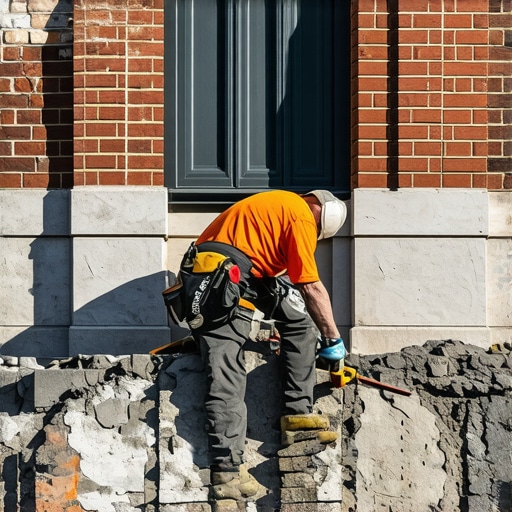
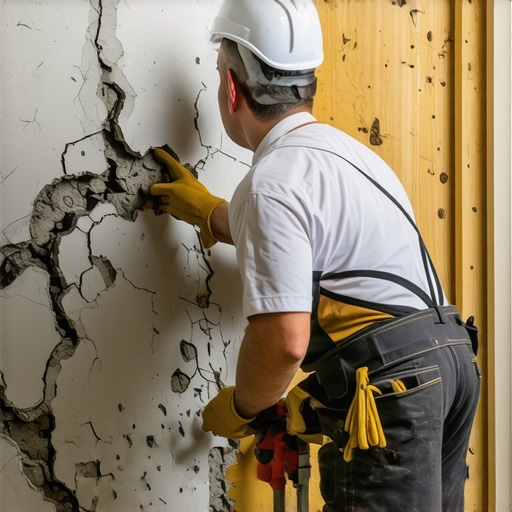
The homeowner called me out to a 1920s Tudor because they saw what they described as a ‘small, cosmetic line’ running through the soldier course above their garage. When I arrived, the air smelled of stale earth and damp lime—the calling card of a foundation in distress. I pulled out my digital scope and slipped it into a cold joint that had started to yawn open. What the owner thought was a minor fix was actually a structural catastrophe in the making: the internal steel lintel had oxidized so severely it had expanded to twice its original thickness, literally blowing the masonry apart from the inside out. This isn’t just about aesthetics; it’s about the physics of a structure trying to tear itself away from the earth. As we look toward the erratic moisture cycles predicted for 2026, the old ways of simply slapping some mud into a crack are dead. If your foundation is shifting, you aren’t just looking at a masonry problem; you’re looking at a geotechnical war.
“Water penetration is the single greatest threat to masonry durability.” – BIA Technical Note 7
The Physics of the 2026 Shift: Why Traditional Mortar Fails
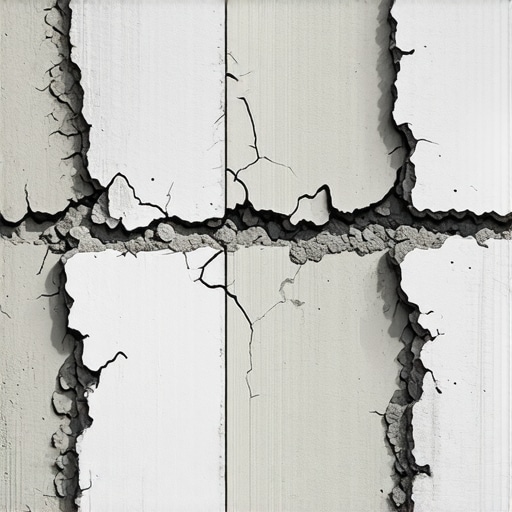
In the North, we deal with the brutal reality of the freeze-thaw cycle. When water enters a porous brick and freezes, it expands by roughly 9%. In a standard cement-heavy mortar, there is no place for that pressure to go. The result? Honeycombing and spalling, where the face of your expensive brick pops off like a scab. By 2026, increased precipitation levels mean our soils will be more saturated than ever, leading to higher hydrostatic pressure against foundation walls. Traditional Type S mortar is too brittle to handle the resulting flexural tension. This is where fiber-reinforced technology changes the math. By introducing microscopic synthetic fibers into the mix, we create a matrix that can actually arrest micro-cracks before they become structural failures. We are talking about the hydration process on a molecular level—the formation of calcium silicate hydrate (C-S-H) gels that interlock with the fiber strands to provide a tensile strength that old-school lime-and-sand mixes simply cannot match.
1. High-Tensile Re-Pointing Services for Lateral Loads
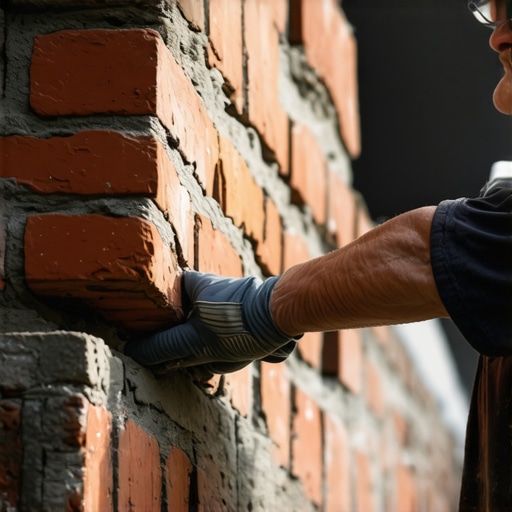
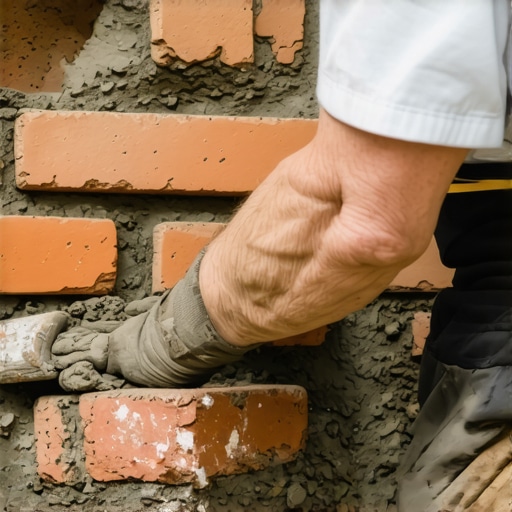
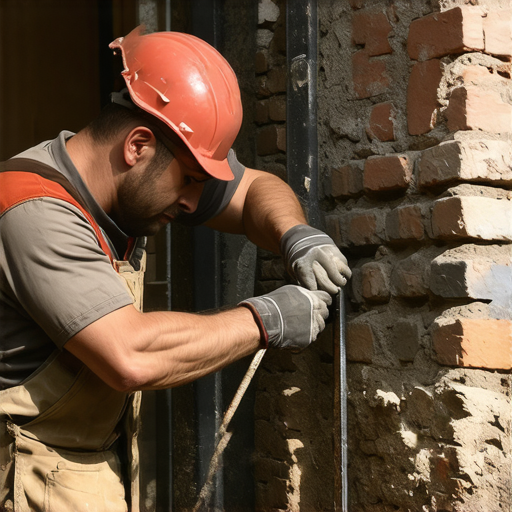
The first line of defense is tuckpointing brick walls using fiber-infused mortars. Most ‘handyman specials’ involve scraping out a quarter-inch of mortar and smearing new mud over the top. That’s a recipe for failure. Real re-pointing services require grinding out the joints to a depth of at least 3/4 of an inch, ensuring the new material has enough ‘tooth’ to grab onto the masonry units. For 2026, we are moving toward fiber-reinforced mixes that utilize mortar matching services to ensure the new material’s compressive strength is actually lower than the surrounding brick. If the mortar is harder than the brick, the brick will crack when the house moves. We use a hawk and a slicker to pack the joints tight, ensuring no voids are left behind where water can pool. A tuckpointing cost estimation for this level of forensic work might be higher upfront, but it prevents a $50,000 collapse later.
2. Foundation Underpinning with BIM Masonry Projects
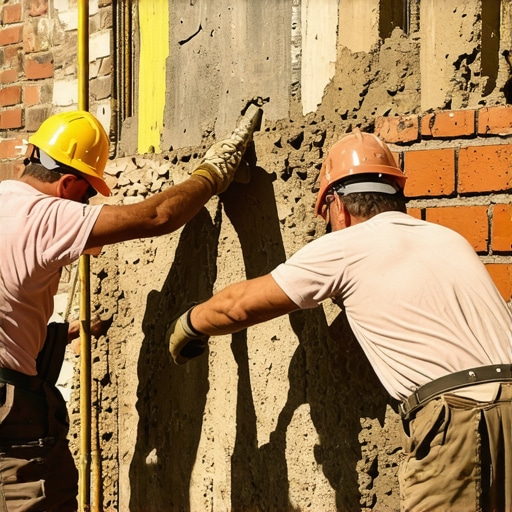
When the soil itself is the enemy, you have to go deeper. Foundation underpinning is no longer a guessing game of ‘dig and pour.’ We are now utilizing BIM masonry projects (Building Information Modeling) to map the subterranean stresses before we ever break ground. By using fiber-reinforced concrete for the underpinning piers, we gain a level of ductility that prevents the concrete from snapping under shifting soil loads. During the pour, we monitor for honeycombing—those nasty air pockets that weaken the structure. We ensure a monolithic bond that ties the old stone foundation to the new reinforced base, effectively transferring the building’s weight to more stable strata. This is the difference between a ‘patch job’ and a permanent engineering solution.
“ASTM C270 specifies that mortar should be selected based on the structural requirements and the type of masonry units used.” – ASTM C270
3. Advanced Masonry Water Damage Repair & Pore-Clogging Technology
Masonry water damage repair in 2026 isn’t just about fixing the crack; it’s about changing the surface tension of the wall. After we butter the joints with our fiber-reinforced mix, we apply silane-siloxane breathers. Unlike cheap sealants that trap moisture inside (causing the brick to rot), these high-end coatings allow water vapor to escape while preventing liquid water from entering. We often integrate this with green roofing masonry integration, where the transition between the roof’s organic layers and the masonry parapets requires a specialized fiber-reinforced flashing mortar to handle the intense thermal expansion of a vegetated roof system. If you ignore the chemistry of the ‘breathability,’ you’re just building a tomb for your brickwork.
4. Commercial Masonry Maintenance & The ‘Sacrificial’ Principle
For large-scale structures, commercial masonry maintenance must adopt the ‘sacrificial’ principle. Mortar is designed to be the part of the wall that fails first. It is easier and cheaper to replace mortar than it is to replace structural stone. When performing masonry cleaning, we use low-pressure deionized water to avoid driving salts deeper into the brick, which causes efflorescence. In 2026, we’ll be using fiber-reinforced ‘sacrificial’ washes on historic facades—thin layers of lime-based fiber mortar that take the brunt of the acid rain and wind erosion, preserving the 100-year-old stone underneath. This is forensic masonry at its finest: understanding that to save the whole, you must sometimes engineer a better way for the parts to fail. Don’t let a contractor tell you that ‘all mortar is the same.’ If they don’t know the difference between a Type N and a Type O, or why fibers are essential for lateral stability in shifting clay, send them packing before they ruin your heritage.