Stop 2026 Foundation Cracks With High-Performance Mortar
The Anatomy of a Failing Foundation
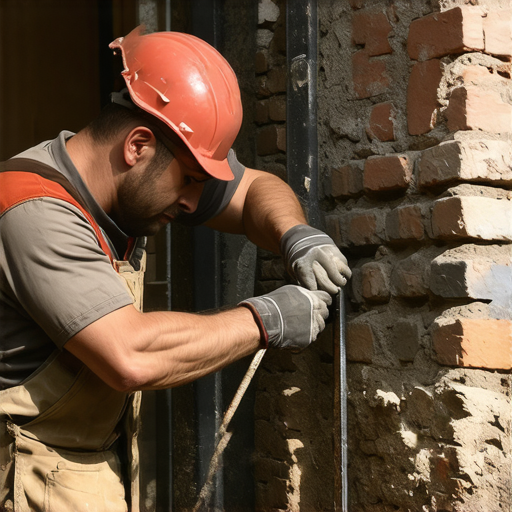
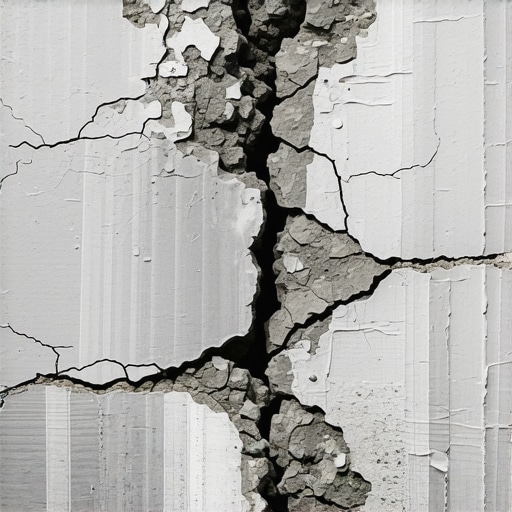
The homeowner thought it was just a hairline crack. But when I put my scope inside, I saw the structural steel was rusted to dust. This is the reality of forensic masonry; what looks like a cosmetic blemish is often the first symptom of a systemic structural collapse. As a third-generation mason, I’ve seen the same story play out across thousands of basements. By the time 2026 rolls around, the foundations built with substandard materials in the last decade will reach their breaking point. The physics of soil don’t care about your budget or a contractor’s ‘good enough’ attitude. When we talk about foundation wall bowing repair, we aren’t just talking about pushing a wall back; we are talking about fighting the relentless hydrostatic pressure of a saturated earth that wants to reclaim the space your home occupies.
“Water penetration is the single greatest threat to masonry durability.” – BIA Technical Note 7
The Physics of the Freeze-Thaw Siege
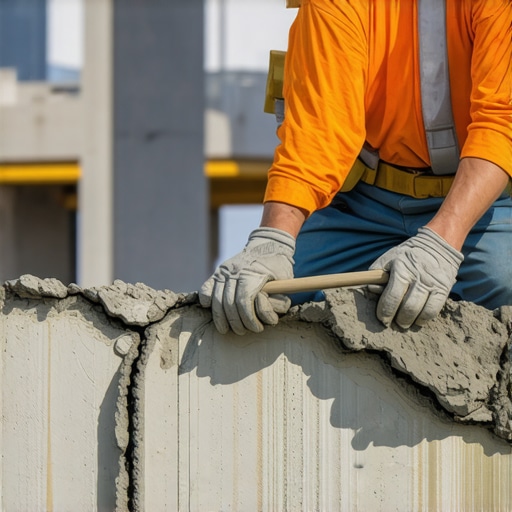
In our northern climate, the enemy is the 9 percent expansion of water. When the soil around your foundation becomes saturated, it exerts a lateral load. If that water freezes, that pressure increases exponentially. A standard Type N mortar, while flexible, often lacks the shear strength to resist these seasonal cycles over decades. We see this manifest in stair-step cracking through the mortar joints. I’ve stood in mud-slicked trenches looking at ‘lick-and-stick’ stone veneer that has literally popped off the wall because the installer didn’t understand the ‘tooth’ of the substrate. High-performance mortar isn’t just a marketing term; it’s a chemical necessity. We are talking about the hydration process where calcium silicate hydrate (C-S-H) needles interlock at a molecular level to create a matrix that can withstand the thousands of pounds of pressure exerted by shifting clay soils.
Micro-Zooming into Mortar Chemistry
To understand why foundation cracks occur, you have to look at the ‘mud’ on the hawk. Most modern bagged mixes are heavy on Portland cement and light on lime, leading to a brittle joint. When I’m buttering a brick for a high-performance application, I’m looking for suction. Advanced masonry adhesives and polymer-modified mortars allow for a higher bond strength that traditional mixes simply can’t match. These materials utilize long-chain polymers that bridge the microscopic gaps between the aggregate and the binder. This is critical for brick veneer installation where the interface between the masonry and the backup wall is a prime candidate for moisture traps. If you don’t have that bond, you have a cold joint waiting to fail. [IMAGE_PLACEHOLDER]
The Retaining Wall Disaster: Batter and Geogrids
I recently inspected a retaining wall that looked like it was trying to take a walk toward the neighbor’s yard. The issue? A complete lack of retaining wall batter correction and zero geogrid installation. A retaining wall isn’t just a pile of stones; it’s a gravity-defying machine. For every foot of height, that wall should lean back into the hill—the batter. Without it, the center of gravity shifts, and the wall bows. To fix this, we often have to excavate and install geogrids—synthetic meshes that lock the soil layers together, turning the earth itself into a structural component. Furthermore, retaining wall weep hole cleaning is the most neglected maintenance task in the industry. If the water can’t get out from behind the wall, the wall is coming down. It’s that simple. We use high-performance mud to point the faces, but the muscle is in the geogrid and the drainage stone.
Restoration and the Sacrificial Principle
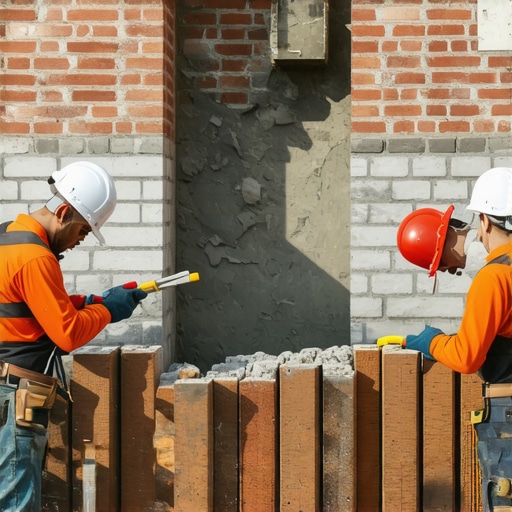
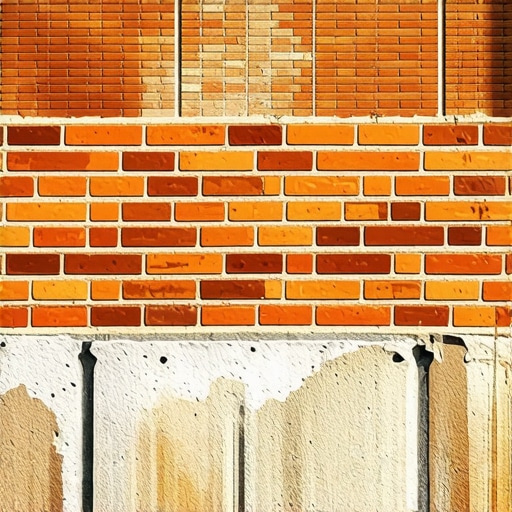
When it comes to historic brickwork repointing, you have to throw the ‘harder is better’ logic out the window. If you put a modern, high-psi Portland mortar into a wall of 100-year-old soft-fired bricks, the brick will lose. The mortar must be the sacrificial element. This is where we mix Type O or lime putty mortars. We use a slicker to pack the joint tight, ensuring there are no voids. If you see honeycombing in the joint, you’ve failed. The mortar needs to breathe. This same logic applies to chimney flashing repair and an outdoor fireplace rebuild. These structures face extreme thermal shock. If the mortar doesn’t have the thermal expansion coefficient to match the brick, the first fire of the season will result in vertical cracking that compromises the entire flue.
“Mortar should be weaker than the masonry units so that any cracks occur in the mortar joints where they can be easily repaired.” – ASTM C270 Standards
The Final Defense: Sealants and Adhesives
Once the structural integrity is restored through foundation wall bowing repair or a soldier course reset, we look at the exterior envelope. Brickwork sealants application is a double-edged sword. Use a film-forming sealer on a breathable wall, and you’ll watch the faces of your bricks spall off in three years. We use silane-siloxane penetrating sealers that allow vapor to escape while keeping liquid water out. For the tough jobs, where we are bonding stone to concrete, we rely on advanced masonry adhesives that have a higher tensile strength than the stone itself. This isn’t the stuff you find at a big-box store; this is industrial-grade chemistry designed to prevent the ‘wavy’ wall syndrome. Don’t let a handyman ‘patch’ your foundation with a bag of cheap premix. By 2026, those patches will be the very reason your wall requires a $30,000 intervention. Do it once, do it right, and respect the mud.
This post really highlights how critical proper materials and techniques are for long-term foundation stability. I remember a project where we used high-performance mortar and geogrids, and the difference in wall stability was night and day compared to older, traditional methods. It’s fascinating how a seemingly small oversight, like skipping the weep hole cleaning or choosing the wrong mortar, can lead to catastrophic failure down the line. Personally, I’ve found that regular maintenance combined with high-quality materials makes all the difference, especially in colder climates with freeze-thaw cycles. The point about mortar being sacrificial really resonates—too often, I see folks trying to make mortar as strong as the masonry units, which just causes cracks and more damage. Have you ever encountered a situation where improper sealing or use of a film-forming sealant caused more harm than good? I’d love to hear how others have managed their exterior masonry to prevent water ingress and freeze damage effectively.