Tuckpointing Cost Estimation: 4 Pricing Traps to Avoid in 2026
The Sound of a Failing Facade
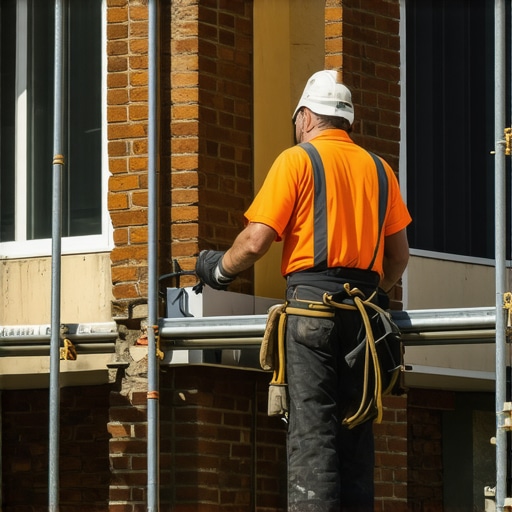
I remember a cold November morning in a coastal city where the salt air bites into the brickwork. I was standing on a scaffolding four stories up, looking at a Victorian-era wall that looked ‘fine’ to the naked eye. My mentor, a man who had more lime in his lungs than blood in his veins, took a small 2-pound sledge and tapped a series of stretchers. Most gave a sharp, crystalline ‘ping.’ Then he hit one that sounded like a thud on a wet cardboard box. ‘That,’ he muttered, ‘is the sound of the brick giving up its ghost.’ We spent the next hour performing a manual masonry damage assessment, finding that the mortar had turned to a sandy powder behind a hard, thin crust of modern Portland cement. This is the reality of the trade. If you don’t understand the chemistry of what’s holding your house up, you’re not just wasting money; you’re accelerating the decay.
As we head into 2026, the industry is being flooded with AI masonry assessment tools and high-tech drones. While these gadgets are great for mapping, they can’t feel the ‘tooth’ of the stone or tell you if the mud—that’s the mortar to you—has the right suction. Tuckpointing and repointing are often used interchangeably by slick salesmen, but they are worlds apart. True repointing is the structural replacement of mortar; tuckpointing is the aesthetic art of using a contrasting ‘bead’ to make joints look tighter than they are. When you get a quote for a tuckpointing weatherproofing job, you need to know which one you’re actually paying for, or you’ll fall into a pricing trap that will cost you ten times the initial ‘savings’ when the wall begins to spall.
“Water penetration is the single greatest threat to masonry durability, leading to efflorescence, subflorescence, and the catastrophic freeze-thaw expansion that shatters the unit face.” – BIA Technical Note 7
The Physics of the Freeze-Thaw Cycle
In northern climates, the enemy isn’t just rain; it’s the 9% expansion of water when it turns to ice. Masonry is a breathing skin. It’s porous. When a contractor applies a hard, non-breathable mortar to an old, soft-fired brick, they are creating a pressure cooker. The moisture gets in from the back (through chimney interior parging or interior vapor), travels through the brick, and hits that hard mortar wall. It can’t get out. When it freezes, the pressure has nowhere to go but forward, blowing the face of your brick right off. This is why brick infill panel repair requires a sacrificial mortar—one that is softer than the brick itself.
Trap 1: The ‘One-Size-Fits-All’ Mortar Mix
Many ‘handyman’ outfits in 2026 will show up with bags of Type S mortar from a big-box store. It’s high-strength, high-compression, and absolutely lethal to historic homes. Historic bricks were often fired at lower temperatures, making them softer. If your estimate doesn’t specify the use of Type O or a custom lime-putty mix for a pre-1940s home, run. You are paying for a slow-motion demolition. A real pro will analyze the brickwork pointing styles to match the original architecture, ensuring the slicker creates a joint that sheds water rather than trapping it against the soldier course.
Trap 2: The Invisible Chimney Crisis
I’ve seen homeowners spend $15,000 on exterior tuckpointing weatherproofing while the chimney flue liner installation was failing on the inside. The acidic condensate from modern high-efficiency furnaces eats through old clay liners and chimney interior parging like a battery. If you’re paying for exterior work without a scope inspection of the flue, you’re putting a new suit on a man with a broken rib. The moisture from the failing liner will push through the masonry, causing your new joints to fail within three seasons.
“The mortar should always be weaker than the masonry units so that any stress-induced cracking occurs in the mortar joints, where it can be easily repaired, rather than in the units themselves.” – ASTM C270 Standard Specification
Trap 3: The ‘Magic’ of Porous Stone Sealers
The biggest scam of 2026 is the ‘lifetime sealer.’ They’ll tell you that porous stone sealers will stop water from ever entering your wall. Here’s the gritty truth: sealers are often film-forming. They don’t just keep water out; they keep it in. When ground moisture rises through capillary action (wicking), it gets trapped under that sealer layer. In an outdoor masonry fountain restoration, this leads to honeycombing and white, crusty efflorescence that looks like salt growing out of the stone. If a sealer doesn’t have a high moisture vapor transmission rate, it’s a death sentence for your masonry.
Trap 4: The Retaining Wall Without ‘Guts’
When I’m called out to do a masonry damage assessment on a leaning wall, 90% of the time the issue is underground. A contractor might quote you a low price for a beautiful stone face but skip the retaining wall geogrid installation. Geogrid is the ‘muscle’ that ties the wall into the soil behind it. Without it—and without proper drainage to mitigate hydrostatic pressure—the weight of the wet earth will eventually win. You’ll see a cold joint start to separate, and then the whole thing becomes a pile of expensive rubble. A proper estimate should always detail the compaction of the base and the layers of grid reinforcement.
The Restoration Reality: Doing it Once
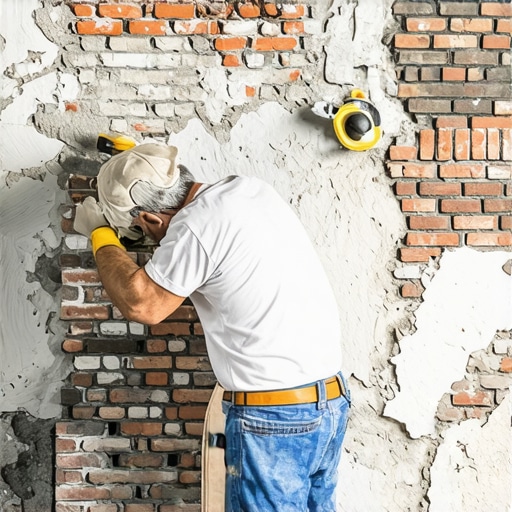
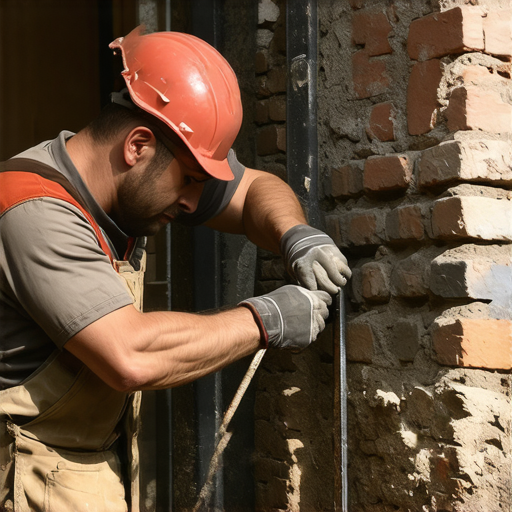
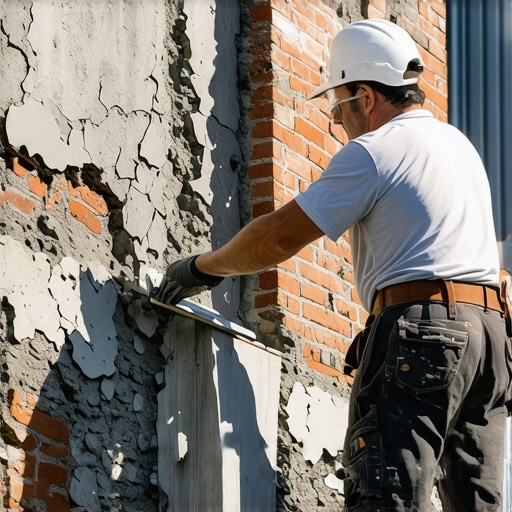
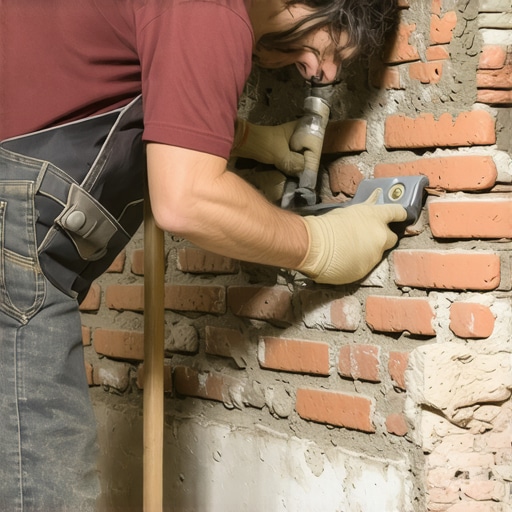
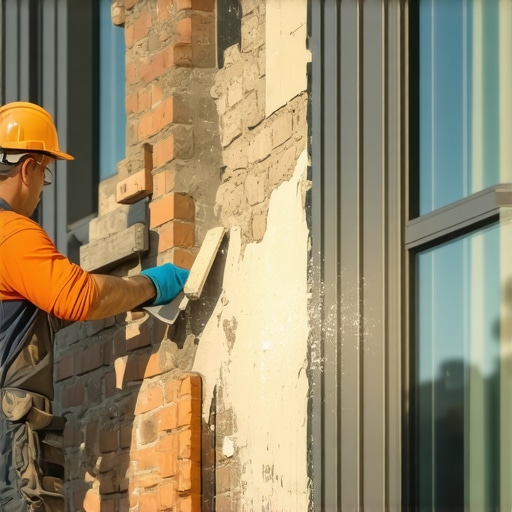
When you’re looking at a bid for brickwork pointing styles, look for the details. Are they ‘grinding’ the joints with a dust-shroud vacuum, or are they creating a cloud of silica that covers the neighborhood? Are they ‘buttering’ the bricks properly, or just smearing mud in the gaps? A master mason uses a hawk to hold the mortar and a narrow slicker to pack it deep—at least twice the width of the joint. Anything less is just a ‘smear job.’ We call it buttering for a reason; it takes a delicate, consistent touch to ensure there are no air pockets where water can hide. Whether it’s a simple brick infill panel repair or a complex outdoor masonry fountain restoration, the physics of suction and bond remain the same. 2026 might bring us better ways to see the damage, but it won’t change the fact that a wall is only as good as the man with the trowel.
![7 Best Tuckpointing Tools for DIY Projects [2026 Tested]](https://masonryrescue.com/wp-content/uploads/2026/02/7-Best-Tuckpointing-Tools-for-DIY-Projects-2026-Tested.jpeg)