Stop Water Seepage: 5 Best Brickwork Sealants for 2026
The Forensic Scene: When the ‘Invisible’ Kills the Wall
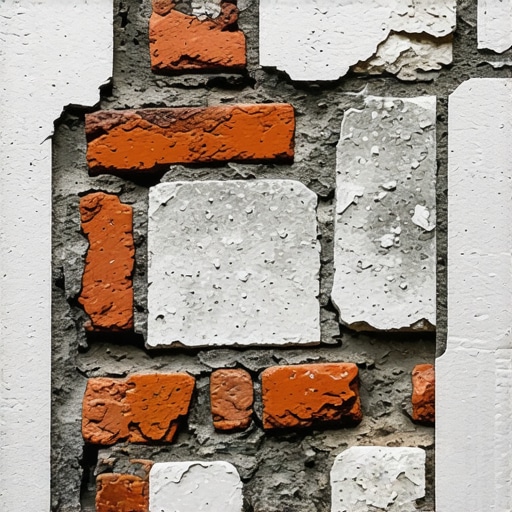
The homeowner thought it was just a hairline crack, a minor blemish on a 1920s Tudor chimney. But when I put my scope inside that cavity, the reality was grim: the structural steel was rusted to dust, and the inner wythe of brick had the consistency of wet gingerbread. This is the nightmare I see every week. Someone applied a ‘high-gloss’ waterproof coating—essentially a plastic wrap—thinking they were protecting the home. Instead, they trapped the rising damp inside the masonry. In my forty years of buttering joints and smelling wet lime, I’ve learned that masonry doesn’t need to be sealed; it needs to breathe. If you choke it with the wrong sealant, the freeze-thaw cycle will tear the face off your brickwork before the next season is out.
The Physics of Porosity and the ‘Sacrificial’ Mortgage
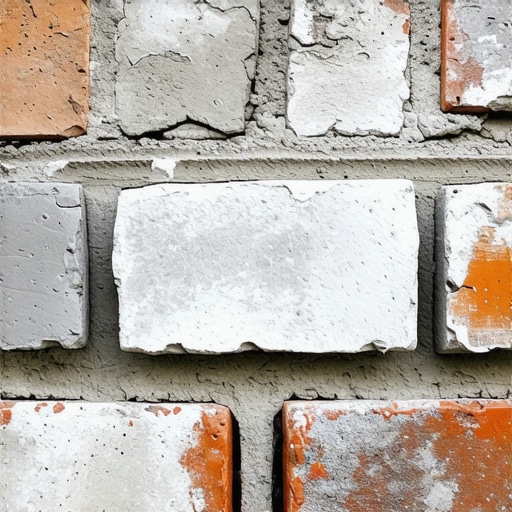
Brick is a sponge. Under a microscope, it’s a network of capillaries. When rain hits a soldier course or a running bond wall, the brick drinks. In a healthy system, that water evaporates back out. This is the ‘breathability’ or vapor permeability that modern contractors ignore. When we talk about brick wall restoration, we are managing the migration of moisture. If you live in the North, where we get those brutal 40-degree swings in 24 hours, water trapped inside the brick expands by 9%. That pressure is enough to overcome the internal tensile strength of the clay, leading to spalling—where the face of the brick literally pops off.
“Water penetration is the single greatest threat to masonry durability. The selection of a water repellent must prioritize vapor transmission over simple liquid rejection.” – BIA Technical Note 7
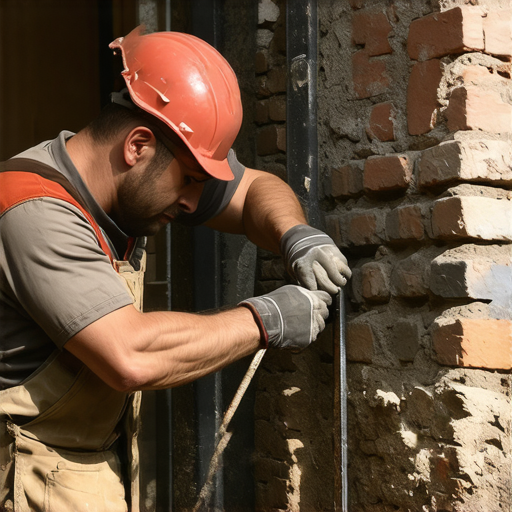
Before you even look at a sealant, you have to address the re-pointing services and the sustainable tuckpointing mortars. If your ‘mud’ is cracked, no sealant in the world will save you. You need to ensure the tooth of the stone or brick is clean. I’ve seen guys try to butter over old, crumbling Type N mortar with a tube of hardware-store caulk. It’s a crime against the trade. True brick restoration requires grinding out the joints to a depth of at least twice the width of the joint, then packing in a tuckpointing mortar that matches the compressive strength of the original unit.
The Chemistry of 2026: The 5 Best Sealant Technologies
Forget the silicones of the 90s. The 2026 market is dominated by penetrants that work at the molecular level. We aren’t painting the surface anymore; we are changing the surface tension of the internal capillaries.
1. Deep-Penetrating Silanes
Silanes have a tiny molecular structure. This allows them to dive deep into the brick, far below the surface. They react with the silica in the masonry to create a hydrophobic barrier. Because they don’t form a film, the ‘breathability’ remains at nearly 100%. This is the gold standard for stone wall repair where you can’t afford to change the aesthetic of the stone.
2. High-Solid Siloxanes
Siloxanes have a larger molecule and are better for porous substrates like concrete blocks or certain historic brick salvage projects. They provide excellent surface beading. When I’m performing chimney leak detection, I often look for siloxane treatments that can handle the high-heat environment of a flue while still rejecting driving rain.
3. Nano-Particle Self-Healing Sealants
Borrowing from self-healing concrete foundations, these sealants contain micro-capsules that rupture when a new hairline crack forms, releasing a healing agent that seals the breach. It’s the closest thing we have to a ‘living’ wall. It’s expensive, but for a masonry rescue after disaster, it’s the only way to ensure long-term stability in shifting soils.
4. Potassium Methyl Siliconates
Specifically used for the ‘hard’ stuff. If you’re dealing with modular masonry construction or dense, modern brick, these sealants react with the atmospheric carbon dioxide to form a permanent, breathable barrier. They are particularly effective at preventing efflorescence—that white, salty crust that makes a new wall look like a basement floor.
5. Bio-Based Mineral Consolidants
For the purists working on historic brick restoration, these are not ‘sealants’ in the traditional sense. They are liquid stone. They penetrate the crumbling surface of old brick and deposit silica, essentially re-petrifying the material. This is critical before brick lintel replacement to ensure the surrounding masonry can handle the new load.
The ‘Mud’ and the ‘Hawk’: Don’t Skip the Prep
You can buy the best sealant in the world, but if your brick lintel replacement wasn’t flashed correctly, or if you have honeycombing in your concrete, you’re just putting lipstick on a pig. I always tell my apprentices: ‘The sealant is the umbrella, but the mortar is the roof.’ If your sustainable tuckpointing mortars aren’t mixed to the correct ratio—usually a softer Type O for historic work—the harder sealant will cause the brick to crush itself during thermal expansion.
“Mortar should always be weaker than the masonry units it binds, acting as a sacrificial element to protect the integrity of the wall.” – ASTM C270 Standards
When you’re out there with your hawk and slicker, you’re not just filling holes. You’re creating a mechanical bond. If you see a cold joint—where new concrete was poured against old without a bonding agent—no sealant will bridge that gap. You need to address the structural failure first. This is especially true in stone wall repair, where gravity is your constant enemy.
The Forensic Inspection: When to Call the Pros
If you see a crack that you can fit a dime into, or if you see brick lintel replacement is needed because the steel is heaving, a bucket of sealant is a waste of money. You’re looking at structural settlement or hydrostatic pressure. You might need self-healing concrete foundations or even a full masonry rescue after disaster. 2026 tech allows us to do amazing things, but it can’t defy the laws of physics. If the soil is moving, the wall is moving.
The Hard Truth About ‘Lick-and-Stick’
We are seeing an epidemic of veneer failure. People love the look of stone, but they don’t want to pay for the footings. They ‘lick and stick’ thin stone to plywood. When water gets behind that, the whole facade peels off like a bad scab. In these cases, re-pointing services won’t help. You have to strip it back and start over with proper drainage planes and weep holes. A sealant on the outside of a veneer with no drainage is a death sentence for the house frame.
Final Verdict: Do It Once, or Do It Twice
Masonry is meant to last 500 years, not 15. The difference is in the details—the chimney leak detection that catches a crown crack before it hits the fireplace, or the historic brick salvage that uses original materials instead of home-center replacements. When choosing your 2026 sealant, ask for the ‘Perm Rating.’ If it’s below 10, walk away. Your bricks need to breathe just as much as you do. Don’t let a ‘handyman special’ turn your home’s foundation into a soggy mess. Use the right ‘mud,’ use a breathable penetrant, and respect the craftsmanship of the men who laid the stone before you were born.
![Does Your 2026 Patio Need Porous Stone Sealers? [Test Results]](https://masonryrescue.com/wp-content/uploads/2026/04/Does-Your-2026-Patio-Need-Porous-Stone-Sealers-Test-Results.jpeg)