Stop Brick Veneer Detachment with 3 Critical 2026 Structural Fixes
The Forensic Scene: A Hairline Crack That Hid a Catastrophe
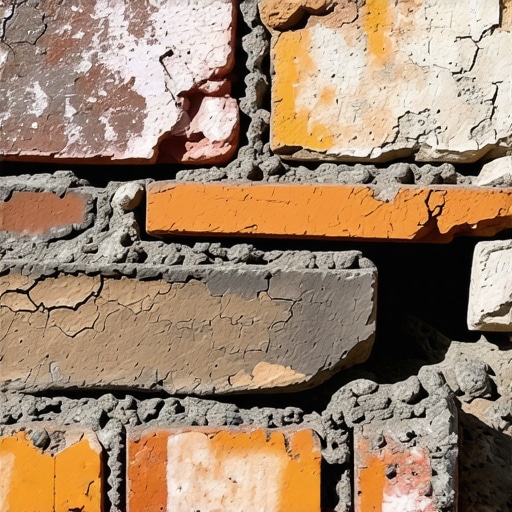
The homeowner called me out because she thought it was just a hairline crack running vertically through the soldier course. A ‘settlement issue,’ the previous handyman had told her. But when I put my borescope inside that 3/16-inch gap, I didn’t see a solid backup wall. I saw a void where the structural steel wall ties had literally rusted to orange dust. The entire brick veneer—nearly four tons of masonry—was standing by sheer gravity and luck, completely detached from the wood framing. It was a silent, slow-motion collapse waiting for the next heavy wind gust to pull the trigger. This isn’t just a cosmetic blemish; it is a structural failure born of poor moisture management and the ‘lick-and-stick’ mentality that has infected modern masonry.
“Water penetration is the single greatest threat to masonry durability. Without proper drainage and flashing, even the finest brickwork will eventually fail due to internal corrosion and moisture-induced movement.” – BIA Technical Note 7
The Physics of the ‘Rust Burst’: Why Veneers Fail
In our northern climate, the enemy is relentless: the freeze-thaw cycle. When water gets trapped behind a brick veneer—usually because someone forgot to install weep holes or used a cheap plastic flashing that cracked after five winters—it has nowhere to go. Water expands by approximately 9% when it turns to ice. That expansion exerts thousands of pounds of pressure per square inch. If the water is trapped against the wall ties, it initiates a chemical reaction known as oxidation. As the steel ties rust, they expand to several times their original thickness—a phenomenon we call ‘the rust burst.’ This expansion forces the brick away from the studs, snapping the remaining ties and leading to brick veneer detachment repair needs that go far beyond a simple patch job.
Fix 1: The Surgical Brick Lintel Replacement
Most people ignore the lintels until they see the ‘stair-step’ cracking above a window or door. By then, the steel angle iron has likely bowed or corroded to the point of no return. A proper brick lintel replacement in 2026 requires more than just sliding in a new piece of steel. We have to address the thermal bridge. We use epoxy-coated or galvanized steel, but the real secret is the flashing. We install a high-performance, 40-mil EPDM membrane that wraps around the ends of the lintel like a dam, ensuring that any moisture hitting the back of the veneer is directed out through cell vents. This is ‘Old World’ precision meeting modern material science. We don’t just ‘butter’ the brick and call it a day; we ensure the re-pointing services used to finish the job utilize a mortar that matches the original ‘suction’ of the surrounding masonry to prevent future spalling.
Fix 2: Managing the Invisible Pressure with Retaining Wall Drainage Upgrades
Veneer detachment often starts at the ground level. If your foundation is shifting, the veneer is going with it. I’ve seen failing retaining wall repair projects where the wall was leaning four inches out of plumb because the original builder didn’t understand hydrostatic pressure. Water is heavy—62.4 pounds per cubic foot. When soil becomes saturated behind a wall, that weight pushes against the masonry. A retaining wall drainage upgrade isn’t just about sticking a pipe in the dirt. It involves a multi-stage filtration system: a 4-inch perforated pipe wrapped in geotextile fabric, buried in a chimney of clean 3/4-inch crushed stone. This relieves the pressure before it can reach the wall face. Without this, you’re just building a dam that’s doomed to fail.
“Standard specifications for masonry structures mandate that all walls must have adequate provision for drainage of moisture that may penetrate the masonry assembly.” – ASTM C270 Standards
Fix 3: Deep Structural Integrity with Foundation Underpinning
If the crack in your veneer is wider at the top than the bottom, you aren’t looking at a brick problem; you’re looking at a soil problem. This is where foundation underpinning becomes the only permanent fix. We drive helical piers deep into the load-bearing strata of the earth, effectively bypassing the ‘muck’ or expansive clay that is causing the house to sink. Once the foundation is stabilized, we can perform patio stone realignment or sustainable block cutting to fix the cosmetic damage. But doing the cosmetic work first is like painting a sinking ship. You have to stop the movement at the source. We then integrate foundation waterproofing with a dimpled membrane to ensure that the basement stays as dry as the day the forms were pulled.
The Grit of the Trade: Why ‘Mud’ Matters
I’ve watched guys mix ‘mud’ (mortar) like they’re making a cake—just eyeballing the water and sand. That’s how you end up with mortar that’s either too brittle or too soft. In a proper chimney repair services call or a facade restoration, we look at the ‘tooth’ of the stone. Old lime-based mortars were designed to be ‘sacrificial.’ They were softer than the brick, allowing the wall to breathe and move slightly. When a modern handyman uses high-strength Portland cement on a 100-year-old home, the brick becomes the weakest link. The brick face pops off (spalls) because the mortar is too hard. Our 2026 approach uses sustainable block cutting techniques to minimize waste and re-pointing services that respect the original chemistry of the building. We use a ‘hawk’ and ‘slicker’ to pack the joints tight, ensuring no air pockets remain to trap moisture. It’s a slow, tactile process that requires a feel for the material—something you can’t learn from a YouTube video.
The Final Word on Structural Longevity
Don’t be fooled by a quick fix. If you see signs of detachment, you need a forensic approach. Whether it’s brick veneer detachment repair, brick lintel replacement, or a full-scale retaining wall drainage upgrade, the goal is to manage water and physics, not fight them. Do it once, do it right, and your masonry will outlive you. Cut corners, and you’ll be calling me back in three years to pick up the pieces of your ‘lick-and-stick’ nightmare.
![Emergency Masonry Repair: 3 Signs Your Wall Might Collapse [2026]](https://masonryrescue.com/wp-content/uploads/2026/03/Emergency-Masonry-Repair-3-Signs-Your-Wall-Might-Collapse-2026.jpeg)
![Stop Retaining Wall Leans with 3 Pro Reinforcement Fixes [2026]](https://masonryrescue.com/wp-content/uploads/2026/03/Stop-Retaining-Wall-Leans-with-3-Pro-Reinforcement-Fixes-2026.jpeg)