
Drone Chimney Inspections Save 2026 Owners Thousands in Repairs
The Forensic Eye in the Sky: Why Your Chimney is Failing Silently
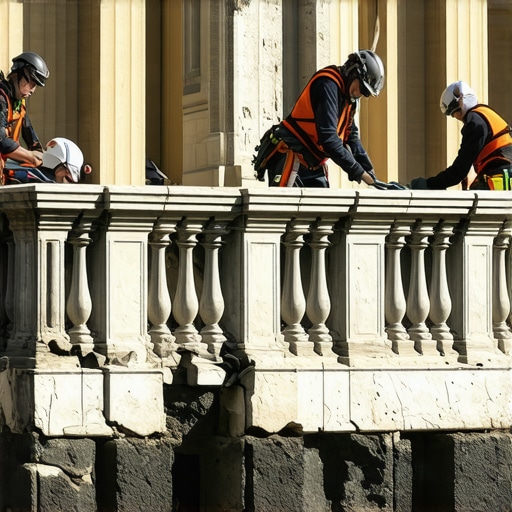
The homeowner thought it was just a hairline crack. From the ground, squinting through a pair of dusty binoculars, it looked like a simple maintenance item, a weekend project for a tube of caulk. But when I put my high-definition drone scope inside that 30-foot flue and hovered inches from the crown, the reality was grim: the structural steel was rusted to dust, and the internal masonry birdsmouth cuts were crumbling under the weight of a saturated clay core. This is the new frontier of masonry forensics. In 2026, we aren’t just climbing ladders; we are using multi-spectral imaging to see the thermal signatures of water trapped behind stone veneer over brick. If you aren’t looking at the chemistry of your stack, you aren’t looking at the building at all.
The Physics of the Stack: Why Chimneys Rot from the Inside
A chimney is a vertical heat exchanger that lives in a state of constant chemical warfare. When you burn fuel, you create water vapor and sulfuric acid. If the flue liner is compromised, that acidic condensate migrates into the brickwork. This is where the cracked brick wall repair industry gets it wrong. They patch the surface, but they don’t address the internal ‘honeycombing’ where the mud—the mortar—has been leached of its lime.
“Water penetration is the single greatest threat to masonry durability. Moisture entering a chimney system can cause rapid deterioration of both the masonry units and the mortar joints through freeze-thaw cycles and chemical attack.” – BIA Technical Note 7
In northern climates, the freeze-thaw cycle is a merciless hammer. Water expands by roughly 9% when it turns to ice. When that moisture is trapped in the ‘tooth’ of the brick—the microscopic pores that allow mortar to bond—it creates internal pressure that exceeds the tensile strength of the clay. The face of the brick pops off in a process called spalling. By the time you see the flakes on your lawn, the structural integrity of the stack is already in question. This is particularly prevalent in commercial smokestack repair, where the sheer volume of thermal expansion requires precise engineering of movement joints that most residential ‘handymen’ don’t even know exist.
The High-Tech Facade: Metallic Finishes and Stone Veneer Traps
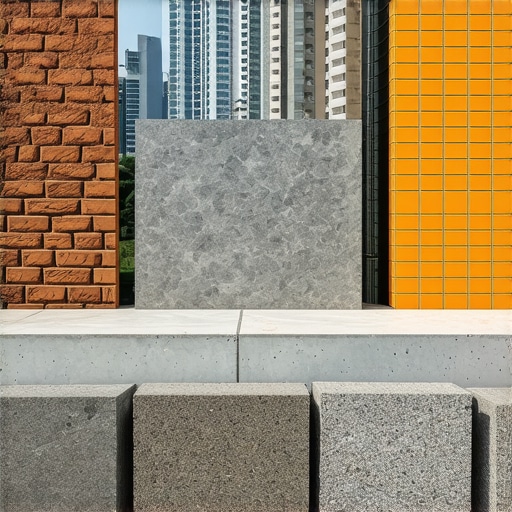
Modern architecture is obsessed with the ‘industrial look,’ leading to an explosion in metallic brick colors application and metallic masonry finishes. While these look stunning, they change the permeability of the wall. A traditional clay brick ‘breathes’—it takes in water and lets it out as vapor. When you apply a non-breathable metallic coating or a stone veneer over brick without a proper drainage plane, you are building a slow-motion disaster. You’ve created a vapor barrier that traps liquid water against the original masonry. In the summer heat, that water turns to steam, blowing the veneer right off the wall or causing masonry staining that no acid wash can ever truly remove.
I’ve seen $100,000 restoration projects ruined because someone wanted the look of ‘lick-and-stick’ stone without understanding the ‘suction’ or ‘initial rate of absorption’ (IRA) of the substrate. If the brick sucks the moisture out of the veneer mud too fast, you get a ‘cold joint’—a bond that looks solid but will fail the first time a heavy wind hits it. This is why masonry birdsmouth cuts and proper flashing are non-negotiable; they are the only things keeping gravity and hydrostatics from winning the war.
Foundation Underpinning and the Weight of the Stack
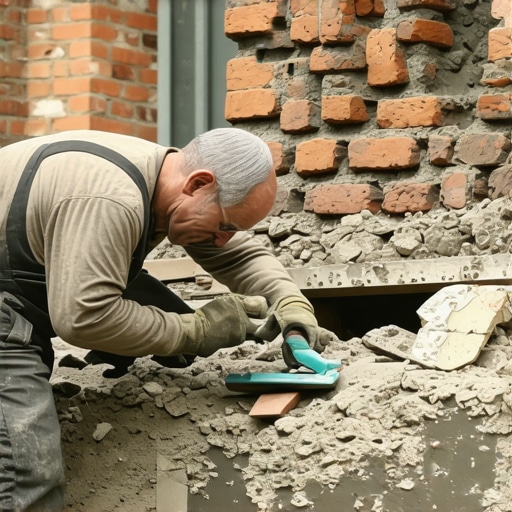
A masonry chimney is often the heaviest part of a residential structure, yet it frequently sits on a foundation that was an afterthought. When the soil heaves or settles, the chimney pulls away from the house. Foundation underpinning is the only permanent fix. We drive helical piers deep into the load-bearing strata to stabilize the stack. Without this, cracked brick wall repair is just putting lipstick on a corpse. You can butter the joints and use your slicker to make them look pretty, but the building is still moving.
“The design of masonry must account for the differential movement between the masonry and the supporting structure to prevent cracking and structural instability.” – ASTM C270 Standards
The Hardscape Perimeter: Modular Retaining Walls
Often, the issues we find at the top of a chimney start at the bottom of the yard. Poor retaining wall installation leads to saturated soil around the home’s foundation. Modular retaining walls are a favorite for modern builds, but if they aren’t backfilled with clean gravel and wrapped in geotextile fabric, they become a dam. Hydrostatic pressure builds up, pushing against the foundation, which in turn stresses the masonry stack above. It’s a chain reaction. When we perform a drone inspection, we aren’t just looking at the bricks; we are looking at the topography. We are looking for where the water goes.
The Master Mason’s Verdict
Don’t be fooled by a contractor who shows up with a bucket of cement and a trowel and tells you he can ‘fix’ your chimney for five hundred bucks. Real masonry is about moisture management and material science. It’s about knowing that a Type S mortar is too hard for historic soft-fired brick and will cause the brick to shatter. It’s about understanding that masonry staining can be a sign of efflorescence—salts being pushed out by deep-seated moisture. Whether it’s commercial smokestack repair or a modular retaining wall, the physics are the same: if you don’t control the water, the water will control you. Do it once, or do it twice—the choice is usually made long before the first brick is laid.