Expert Concrete Patch & Masonry Restoration for Durable Results
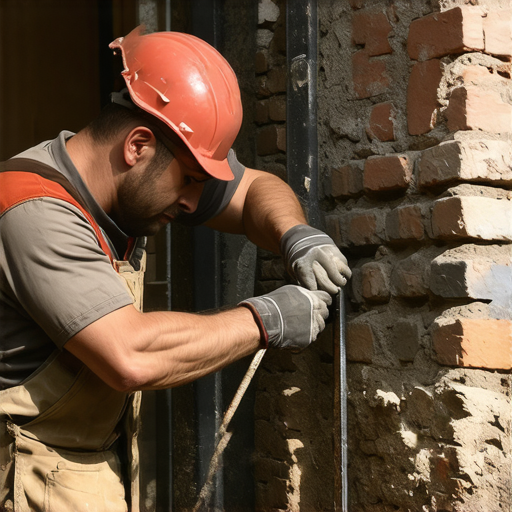
In the realm of masonry restoration, achieving longevity and structural integrity hinges on a profound understanding of specialized techniques such as tuckpointing and concrete patching. As industry experts know, these practices are not mere aesthetic enhancements but fundamental elements that preserve the resilience of foundations and facades against environmental stressors. Harnessing advanced methods and materials, professionals can ensure enduring results that sustain the property’s value and safety.
Unveiling the Critical Role of Tuckpointing in Masonry Longevity
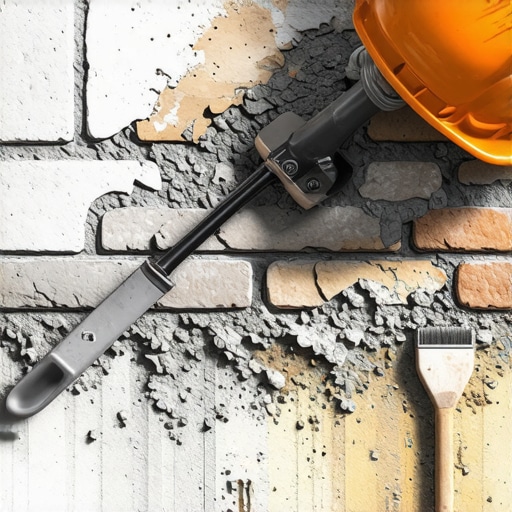
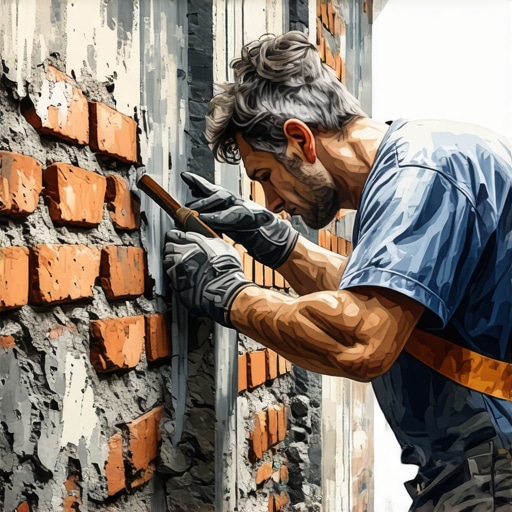
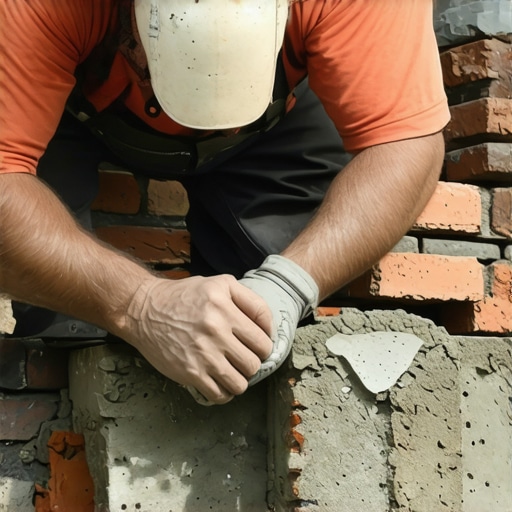
Tuckpointing, often misunderstood as a routine maintenance task, is in fact a sophisticated process that involves meticulous joint reconstruction, aiming to restore the original mortar appearance while reinforcing against moisture infiltration. High-quality tuckpointing extends the lifespan of brick structures by preventing water ingress, which can lead to freeze-thaw damage and mortar deterioration. Employing precise color matching and durable mortar compositions ensures seamless integration with existing masonry, a practice backed by authoritative sources such as the National Masonry Association.
The Art and Science of Concrete Patching for Structural Resilience
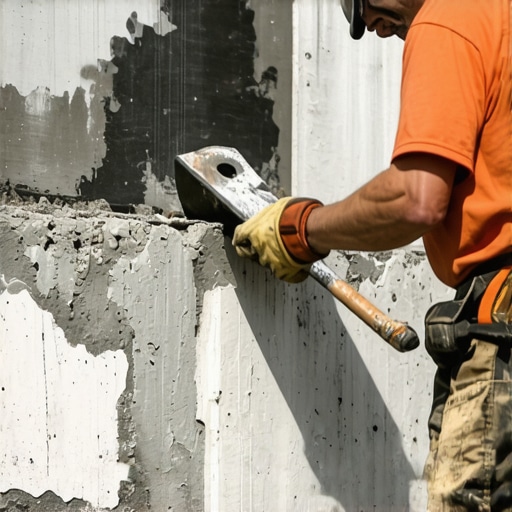
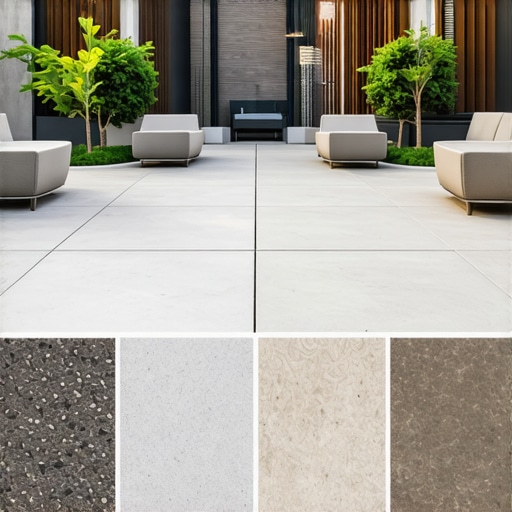
Concrete patching transcends simple filler applications; it demands a strategic approach to repair techniques, especially when addressing foundational and façade vulnerabilities. Proper surface preparation, such as cleaning and profiling, combined with the selection of compatible, high-performance patch materials, guarantees long-term bonding and durability. Understanding the nuances of different patch types—epoxy, cement-based, or polymer-modified—allows experts to tailor solutions that withstand environmental cycles and mechanical stresses.
Balancing Aesthetics with Functionality in Facade Restoration
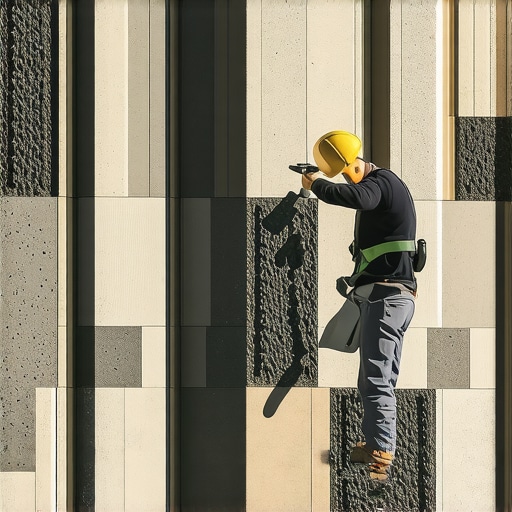
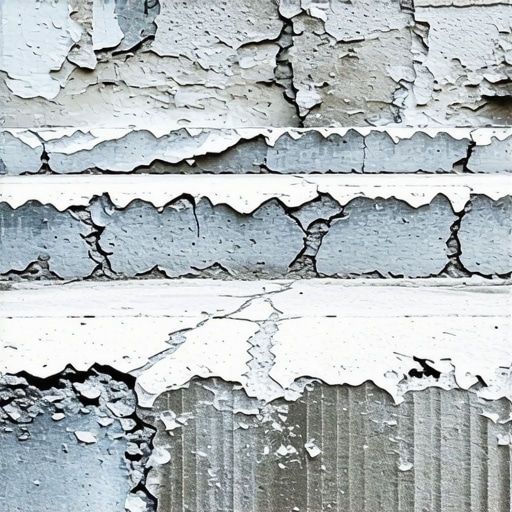
The facade serves as the visual identity of a building and a frontline defender against weathering. Restoration efforts must consider both visual cohesion and functional performance. Techniques like abrasive cleaning, sealing, and protective coatings can rejuvenate surface appearance while reinforcing against moisture and pollutant ingress. Advanced restoration ensures that aesthetic improvements do not compromise the structural integrity, a principle emphasized in the industry’s best practices.
Enhancing Foundations Through Precise Repairs and Reinforcement
Foundational health is paramount; even minor deficiencies can lead to significant structural issues over time. Expert foundation repair combines diagnostic imaging, such as ground-penetrating radar, with targeted concrete patching and underpinning strategies. These interventions not only stabilize the structure but also restore load-bearing capacity, preventing costly future repairs. The integration of modern materials and techniques has redefined foundational reinforcement, making durability achievable even in challenging conditions.
What Are the Advanced Materials and Techniques That Maximize Tuckpointing and Concrete Repair Longevity?
To optimize the durability of tuckpointing and concrete patches, industry professionals leverage innovations like polymer-modified mortars, epoxy resins, and breathable sealants that accommodate building movements while resisting water penetration. High-performance bonding agents and surface treatments further enhance adhesion and mitigate deterioration. Regular training on the latest standards and standards from industry authorities ensures that restoration practices meet evolving durability expectations.
For deeper insights on elevating your masonry repair projects, explore our comprehensive guides on tuckpointing and facade cleaning. Emphasizing expert techniques fosters trust and confidence in delivering enduring masonry solutions.
Engagement from seasoned professionals contributes to evolving standards, so sharing your experiences and insights in masonry restoration can help refine best practices and promote industry-wide excellence.
Unlocking Cutting-Edge Methods for Lasting Masonry Restoration
In the pursuit of enduring property preservation, recognizing and implementing innovative methods can dramatically extend the life of tuckpointing and concrete repairs. Techniques such as the use of breathable sealants and flexible joint reinforcements have gained traction among industry leaders. These materials allow the masonry to accommodate structural movements, preventing cracks and water infiltration, which are common causes of deterioration. Integrating these advanced solutions with proven practices, like those outlined in trusted facade cleaning and tuckpointing tips, elevates the durability of restoration efforts.
Why Do Material Compatibility and Surface Preparation Matter More Than Ever
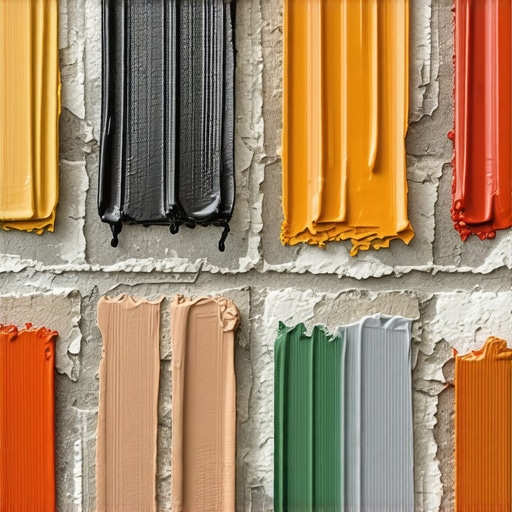
One of the most overlooked aspects in masonry restoration is ensuring compatibility between old and new materials. Experts stress that mismatched mortar or patching compounds can accelerate decay by causing differential movement and poor adhesion. Proper surface preparation—including cleaning, profiling, and moisture mitigation—not only secures bond strength but also enhances the longevity of repairs. Using techniques like hydro-jet cleaning prior to tuckpointing can remove ingrained contaminants, preparing the masonry for optimal material adhesion and weatherproofing.
The Role of Precision Diagnostics in Preventing Future Failures
Addressing underlying structural issues before repair is essential for long-term success. Advanced diagnostic tools, like ground-penetrating radar and laser scanning, enable professionals to detect foundation shifts or hidden damage early. This proactive approach allows targeted interventions, such as reinforcement or underpinning, to be integrated seamlessly with surface repairs. As authoritative sources, such as the National Masonry Association, recommend, a comprehensive assessment ensures repair solutions do not merely treat symptoms but enhance overall structural resilience.
Are We Fully Capitalizing on Material Innovations to Prevent Masonry Failures?
In an age of rapid technological progress, understanding and applying the latest material innovations is crucial. For example, the use of epoxy resins with elastic properties can fill cracks while maintaining flexibility, significantly reducing the risk of future damage. Similarly, incorporating nanotechnology-based sealants can improve water repellency and resistance to pollutants, prolonging masonry life. Staying abreast of these developments ensures that restoration professionals deliver solutions that are both durable and adaptable to changing environmental conditions.
For more detailed strategies, explore our guide on expert tips for long-lasting tuckpointing and foundation restoration. Sharing insights and experiences within the masonry community fosters continual improvement and innovation across the industry.
Harnessing Innovative Bonding Agents to Elevate Repair Longevity
In the quest for superior masonry repairs, the choice of bonding agents plays a pivotal role. Modern high-performance adhesives, such as epoxy-resin formulations with enhanced flexibility, offer remarkable adhesion even in challenging substrate conditions. These agents not only fill gaps effectively but also accommodate micro-movements within structures, preventing cracks and delamination over time. Industry experts continually evaluate emerging technologies like nanomodified sealants that provide superior hydrophobicity and durability, aligning with sustainable construction standards and minimizing future maintenance needs.
Incorporating Smart Materials to Anticipate and Mitigate Structural Wear
Smart materials—an emerging frontier in masonry restoration—embed sensors that monitor stress, moisture levels, and temperature changes in real-time. Incorporating such materials into mortar or patch composites allows practitioners to anticipate deterioration before visible signs emerge. This predictive maintenance approach shifts the paradigm from reactive repairs to proactive strategies, preserving structural integrity and reducing long-term costs. For example, embedded fiber optic sensors within repair compounds can relay data to remote systems, enabling timely interventions and extending the lifespan of masonry elements.
What Challenges Do These Technologies Present in Widespread Adoption?
Despite their promise, sophisticated materials and sensor-integrated systems face hurdles such as high initial costs, compatibility issues with existing structures, and the need for specialized training. Additionally, long-term performance data remains limited for some innovations, necessitating rigorous field testing across diverse environments. Industry leaders advocate for collaborative research initiatives and pilot programs to refine these technologies, ensuring they deliver on their durability promises without compromising practical feasibility.
For those interested in integrating such cutting-edge solutions, exploring partnerships with research institutions and engaging with industry consortiums can accelerate adoption and provide valuable insights into optimal application methods. Staying informed through publications like the Masonry Magazine ensures professionals remain at the forefront of technological advancements shaping the future of masonry repair.
The Significance ofMOISTURE Management in Conjunction with Material Selection
Effective moisture control is crucial in preventing repair failures. Advanced waterproofing techniques, such as breathable membrane systems combined with vapor-permeable sealants, allow moisture to escape while preventing water ingress. Material selection must prioritize compatibility with these systems; for instance, using hydrophobic mortars and sealants prevents trapped moisture, which can cause spalling and freeze-thaw damage. Integrating these approaches ensures that repairs are resilient against the most insidious effects of environmental exposure.
Deepening Diagnostic Approaches: Combining Traditional and Digital Technologies
While traditional visual assessments remain essential, the integration of digital diagnostic tools offers unprecedented precision. Combining ground-penetrating radar, infrared thermography, and 3D laser scanning provides comprehensive data on subsurface conditions and structural shifts. This multi-faceted approach allows technicians to develop detailed remediation plans, optimizing the placement and type of repairs needed. As research from the UCLA Structural Engineering Laboratory demonstrates, such hybrid diagnostic methods significantly enhance decision-making accuracy in complex restoration scenarios.
How Can Industry Standards Evolve to Support the Adoption of these Advanced Techniques?
Updating industry standards requires collaboration among engineers, material scientists, and regulatory bodies. Establishing performance benchmarks for innovative materials—such as durability tests under simulated environmental conditions—will facilitate broader acceptance. Certification programs that validate the efficacy of smart and nanotechnologies can foster trust and streamline procurement processes. Additionally, developing comprehensive training curricula ensures professionals are equipped to implement these techniques effectively, ultimately raising the bar for masonry restoration excellence worldwide.
Embracing High-Performance Materials to Elevate Masonry Longevity
In contemporary masonry restoration, leveraging cutting-edge materials like nanomodified mortars and elastomeric sealants can dramatically enhance the lifespan of tuckpointing and concrete patches. These advanced compounds offer superior bond strength, flexibility, and water resistance, accommodating structural movements and environmental stresses more effectively than traditional materials. Integrating such innovations requires a nuanced understanding of their compatibilities and application techniques, ensuring repairs are resilient against the rigors of time and weather.
Harnessing the Power of Digital Diagnostics to Prevent Structural Failures
Modern diagnostic tools, such as 3D laser scanning and ground-penetrating radar, facilitate precise identification of subsurface deterioration and structural shifts before visible damage manifests. This proactive approach enables targeted interventions—like reinforcement and underpinning—embedded seamlessly with surface repairs. According to research from the Structural Resilience Institute, integrating multi-modal diagnostic data enhances decision-making, optimizing repair longevity and building safety.
What Role Do Smart Sensors Play in Predictive Masonry Maintenance?
Embedding smart sensors within repair materials marks a significant leap toward predictive maintenance. These sensors monitor stress levels, moisture ingress, and temperature fluctuations in real-time, alerting professionals to early signs of deterioration. Such data-driven insights enable timely interventions, reducing downtime and repair costs. While promising, widespread adoption hinges on overcoming challenges like sensor durability and integration costs, which ongoing research endeavors aim to address.
Strategic Surface Preparation to Maximize Material Compatibility
Achieving optimal adhesion and durability hinges on meticulous surface preparation techniques, including low-pressure hydro-jet cleaning and profiling to remove contaminants and create a receptive bonding surface. Customizing preparation protocols based on substrate composition and environmental exposure ensures that high-performance repair materials form cohesive, enduring bonds, ultimately extending repair lifespan and maintaining structural integrity.
Advancing Restoration with Breathable, Water-Repellent Systems
The integration of breathable, water-repellent membranes and vapor-permeable sealants offers a dual advantage: preventing moisture ingress while allowing trapped internal moisture to escape. This approach mitigates common issues like spalling and freeze-thaw damage, especially in historically significant structures where preserving original materials is paramount. Choosing compatible, high-performance products thus becomes essential in maintaining both aesthetic and structural durability over decades.
The Synergy of Thermal Management and Material Selection
Incorporating thermal insulation strategies with compatible masonry materials can reduce temperature-related stresses, which contribute to cracking and deterioration. Using insulating renders or cavity wall systems with tailored expansion properties aligns with advancements in material science, ensuring that repairs not only restore appearance but also bolster resilience against environmental cycles. This holistic approach can prolong the service life of restoration projects significantly.
How Do Evolving Material Technologies Address Climate-Related Challenges in Masonry Restoration?
Emerging materials like phase-change compounds and adaptive sealants respond dynamically to environmental fluctuations, stabilizing internal moisture and temperature levels. These innovations help structures withstand extreme weather events and changing climates, making repairs more sustainable and durable. Industry professionals must stay informed on such developments and incorporate them thoughtfully into project specifications, aligning restoration strategies with climate resilience goals.
Explore our comprehensive guide on resilient masonry repair strategies to push the boundaries of durability and sustain your structural investments.
Mastering Material Compatibility to Prevent Future Failures
Ensuring the compatibility of new repair materials with existing substrates is fundamental. Differential movement caused by mismatched thermal expansion coefficients can induce cracking and delamination. Employing compatible mortars and sealants, paired with thorough surface profiling and moisture control, minimizes these risks. Techniques such as hydro-jet cleaning and moisture barriers set the stage for successful integration, elevating the long-term performance of restoration work.
Innovating Foundation Reinforcement through Precision Techniques
Modern foundation repair benefits from advancements like post-installed carbon fiber reinforcement and targeted underpinning supported by real-time monitoring. These strategies restore load-bearing capacity while accommodating future shifts, especially in seismic zones or areas with poor soil conditions. Combining diagnostic imaging with precision application ensures interventions are minimally invasive yet highly effective, securing structural stability for decades.
Expert Insights & Advanced Considerations
Harness material innovations to elevate repair longevity
Industry leaders recognize that integrating cutting-edge materials like nanomodified mortars and flexible sealants significantly enhances the lifespan of tuckpointing and concrete patches, providing resilience against environmental stressors and structural movements.
Prioritize diagnostic precision to prevent future failures
Advanced diagnostic tools such as ground-penetrating radar and laser scanning enable early detection of subsurface issues, allowing for targeted interventions that maintain structural integrity and reduce long-term costs.
Implement smart technology for proactive masonry maintenance
Embedding sensors in repair materials offers real-time data on moisture, stress, and temperature, facilitating predictive maintenance and timely repairs that extend masonry durability.
Optimize surface preparation to maximize material compatibility
Meticulous cleaning and profiling techniques ensure high-performance adhesion, preventing delamination and water ingress, thereby enhancing long-term repair success.
Choose breathable, water-repellent systems for lasting protection
Utilizing vapor-permeable membranes and sealants allows internal moisture to escape while preventing external water intrusion, safeguarding masonry against freeze-thaw cycles and pollutant damage.
Curated Expert Resources
- National Masonry Association: Offers comprehensive guidelines and industry standards for high-quality masonry restoration practices, ensuring adherence to durability benchmarks.
- Structural Resilience Institute publications: Features latest research on diagnostic technologies and innovative materials that elevate masonry repair longevity.
- UCLA Structural Engineering Laboratory: Provides insights into hybrid diagnostic approaches combining traditional and digital tools for optimal assessment.
- masonry Restoration Journal: A peer-reviewed source presenting case studies and advancements in masonry preservation techniques.
- Industry symposia and workshops: Hands-on training sessions that keep professionals updated on the latest in smart materials and diagnostic tools.
Synthesizing the Future of Masonry Repair
Elevating masonry restoration with innovative materials, precise diagnostics, and proactive strategies fundamentally shifts industry standards—moving towards solutions that are more durable, adaptable, and efficient. Embracing these advanced insights ensures precision-driven, resilient outcomes that stand the test of time. For industry professionals committed to excellence, engaging with cutting-edge resources and contributing your expertise fosters a dynamic and continuously improving field. Explore more and share your insights at our comprehensive guides—together, we shape the future of sustainable masonry restoration.
This comprehensive post really highlights the importance of not only the right techniques but also the materials used in masonry restoration. I’ve seen firsthand how advanced polymer-modified mortars and breathable sealants can dramatically extend the lifespan of repairs, especially in environments with harsh weather conditions. It’s fascinating how integrating smart sensors into repair materials is beginning to revolutionize maintenance strategies, allowing us to catch issues early before they develop into costly problems. However, I wonder about the practical challenges of adopting such high-tech solutions across smaller projects or less-resourced teams. Have any of you integrated smart materials or diagnostic tools in your current projects, and what hurdles did you face in terms of cost or training? Overall, embracing these innovations seems essential to elevating industry standards and ensuring long-term durability, but they do require a significant shift in current practices and mindset.