Concrete Patch & Masonry Restoration: Proven Tips for Durable Results
Elevating Masonry Performance through Advanced Restoration Techniques
In the realm of structural integrity and aesthetic preservation, expert understanding of concrete patching, tuckpointing, and facade cleaning becomes indispensable. As structures age, the imperative shifts from simple maintenance to implementing comprehensive restoration strategies that ensure long-term durability and property value retention. This article provides advanced insights into the nuanced processes that underpin effective masonry restoration, emphasizing evidence-based practices proven to withstand environmental and mechanical stressors.
The Scientific Foundations of Concrete Patch Efficacy
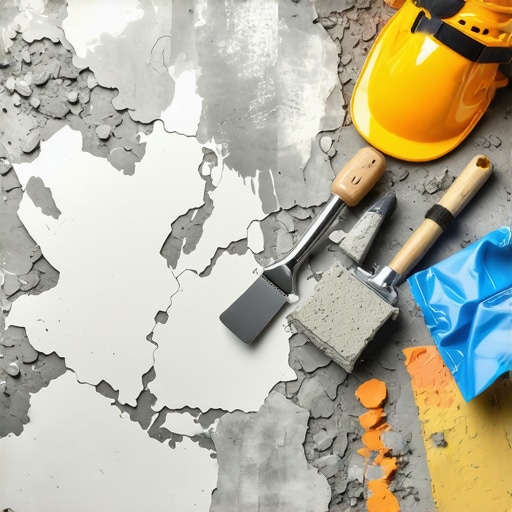
Concrete patching is not merely a cosmetic fix but a scientifically grounded intervention that restores load-bearing capacity and prevents further deterioration. High-quality patch materials, such as polymer-modified mortars, demonstrate enhanced adhesion and flexibility, accommodating structural movements. According to recent studies in Construction and Building Materials, selecting patches with matching thermal expansion coefficients minimizes cracking and delamination over time.
Innovative Strategies in Tuckpointing for Structural Preservation
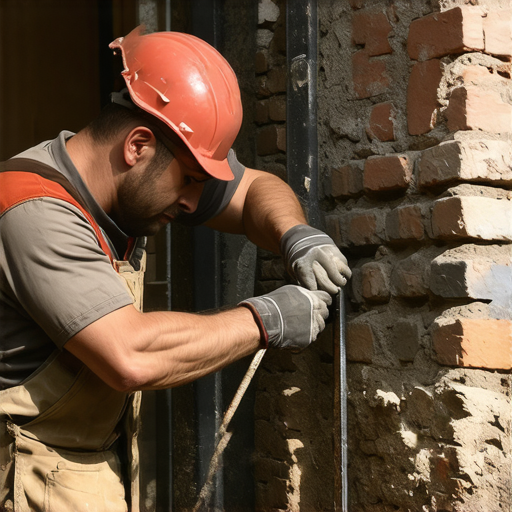
Traditional tuckpointing has evolved into a precise art that combines aesthetic enhancement with structural reinforcement. Expert tuckpointing techniques involve meticulous removal of deteriorated mortar and the application of compatible, high-performance mortars designed to resist moisture ingress and temperature fluctuations. Additionally, color-matching and tooling precision contribute to seamless integration with existing masonry, significantly extending service life. Such practices reinforce the importance of skilled craftsmanship in safeguarding masonry longevity.
Optimizing Facade Cleaning to Sustain Visual and Material Integrity
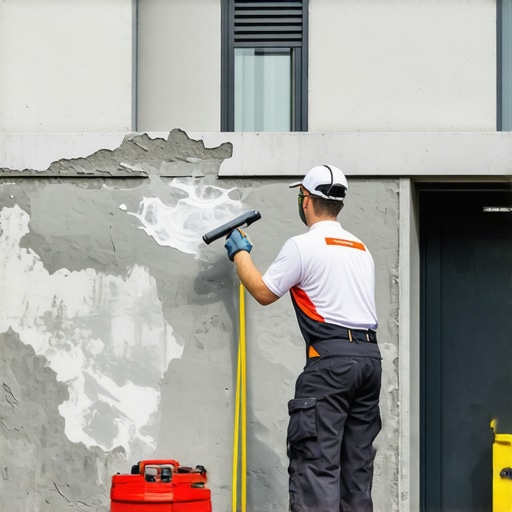
Facade cleaning transcends surface aesthetics, playing a crucial role in removing harmful pollutants, biological growths, and structural contaminants. Advanced cleaning methodologies, including low-pressure water systems and eco-friendly chemical agents, mitigate damage to delicate stonework and brickwork while restoring visual appeal. Regular cleaning aligned with expert recommendations (see here) significantly prolongs the lifespan of masonry elements and preserves architectural integrity.
What Are the Key Challenges in Achieving Long-Lasting Foundation Repair?
What scientific and practical factors most influence the durability of foundation repairs using concrete patching and tuckpointing?
Ensuring the long-term effectiveness of foundation repairs necessitates a comprehensive understanding of soil conditions, material compatibility, and structural load distributions. Challenges include differential settlement, moisture variations, and the potential for new cracking. Selecting resilient patch materials with proven adhesion properties and combining them with precise tuckpointing techniques tailored to the foundation’s specific context results in durable solutions. Continuous monitoring and adherence to best practices backed by empirical data are vital components of successful foundation restoration.
For more in-depth strategies and professional insights, visit our comprehensive guide on foundation restoration.
If you are a masonry professional or property owner seeking expert guidance, sharing your experiences and insights can contribute to elevating industry standards.
Breaking Down the Art of Precision in Masonry Repair
Achieving lasting durability in masonry surfaces involves more than applying patches and cleaning surfaces; it requires a deep understanding of material science and environmental interactions. Modern repair practices incorporate advanced materials, such as epoxy consolidants and customized mortars, which offer greater flexibility and resistance to weathering. Integrating these materials, as highlighted on expert repair resources, provides a scientific edge that enhances the longevity of restorations and minimizes future intervention needs.
The Science Behind Adaptive Tuckpointing and Its Role in Structural Legacy
Adaptive tuckpointing—where mortar color, texture, and mechanical properties are meticulously matched—serves as both a preservation and an aesthetic enhancement strategy. This technique relies on understanding the distinct thermal expansion rates of existing masonry and new mortar, ensuring compatibility under environmental stressors. It also involves precise removal of deteriorated mortar, employing tools that prevent damage to the substrate. Such practices extend beyond traditional repair, emphasizing craftsmanship grounded in material compatibility studies, like those discussed in foundation integrity articles.
Safeguarding Heritage: The Impact of Eco-Friendly Cleaning Solutions
Facade cleaning techniques have evolved to prioritize environmental sustainability without compromising material health. Ultrasonic cleaning and biological treatments offer safe alternatives to harsh chemical methods, effectively removing biological growths and pollutants while preserving original stone and brickwork. These methods, supported by industry-leading practices (see here),) demonstrate how modern science facilitates the delicate balance between preservation and prevention of future degradation.
Expert Question: Can Our Foundations Truly Resist the Test of Time Amid Growing Climate Challenges?
What innovative materials and techniques offer the best resilience against climate-induced stresses like soil movement and moisture fluctuations?
Modern foundation restoration must grapple with increased environmental variability, necessitating resilient solutions such as geopolymer-based repair mortars and moisture-controlled barriers. These innovations provide superior resistance to chemical attack, water ingress, and temperature extremes. Reliable application of such advanced materials, coupled with comprehensive site analysis, as outlined in professional restoration insights, ensures foundational systems maintain their integrity for decades despite climate stresses. Regular monitoring and adaptive maintenance are critical to sustain this resilience over the long term.
We invite industry experts and property owners to share your experiences with resilient restoration techniques—your insights can shape the future of durable masonry preservation.
}#IMAGE_PLACEHOLDER_B#}**
Harnessing the Potential of Modern Materials in Structural Reinforcement
Recent advancements in material science have opened new horizons for masonry restoration professionals seeking durability and efficiency. Engineered composites, such as fiber-reinforced polymers (FRPs), now play a pivotal role in strengthening compromised masonry without invasive procedures. These materials offer exceptional tensile strength, corrosion resistance, and ease of application, making them ideal for retrofitting efforts in heritage structures and modern buildings alike. When integrated properly, they can arrest ongoing deterioration and extend the lifespan of masonry elements, as demonstrated in case studies published in Construction and Building Materials.
Innovative Tuckpointing Approaches for Adaptive Climate Resilience
Traditional tuckpointing techniques often fall short in addressing the dynamic challenges posed by climate change, such as increased moisture levels and temperature fluctuations. Advanced approaches now involve the use of breathable, low-permeability mortars that accommodate masonry movement while preventing water ingress. Incorporating phase-change materials (PCMs) into mortar formulations can further stabilize internal temperatures, providing a buffer against thermal stresses. Skilled craftsmen employ digital mapping and laser-guided tooling to ensure precision, aligning with the latest standards outlined by the Brick Industry Association’s Technical Notes (The Brick Industry Association), which emphasize performance-based specifications for resilient repairs.
How can integrating smart monitoring systems enhance the longevity of tuckpointed masonry in volatile environments?
Embedding sensors that track moisture levels, temperature variations, and structural movement within tuckpointed joints offers real-time data, enabling proactive maintenance. These systems can alert operators to early signs of deterioration, preventing costly repairs and reinforcing structural integrity. Such innovations, supported by IoT technology, align with the concept of predictive maintenance, exemplified in recent research from Engineering Structures.
Refining Facade Cleaning Techniques to Cater to Diverse Material Compositions
Facade cleaning strategies are no longer one-size-fits-all; instead, they require tailored approaches that respect the specific properties of stone, brick, and composite materials. High-pressure washing can be damaging to softer stones, while chemical cleaners risk altering surface textures or causing discoloration. Newer methods, such as encapsulation followed by gentle abrasive removal or laser cleaning, allow for precise removal of pollutants with minimal collateral damage. These techniques are particularly beneficial for restoring historic facades, as detailed in industry standards published by the International Masonry Institute (IMI Resources), emphasizing preservation and material compatibility.
Addressing Subsurface Challenges: Soil Stabilization and Moisture Control
Beyond surface treatments, the stability of the foundation and subsurface conditions significantly influence overall masonry health. Soil stabilization methods, such as chemical grouting and soil nailing, provide essential support to prevent settlement and uplift. Concurrently, implementing moisture barrier systems and drainage improvements mitigates issues stemming from groundwater fluctuations. These interventions require a multidisciplinary approach, combining geotechnical assessments with structural engineering principles, as outlined in Geotechnical Engineering. Careful monitoring of soil health and moisture ingress can identify early signs of subsurface distress, guiding timely remedial actions that preserve masonry integrity.
Emerging Technologies Promise a New Era of Durability in Masonry Preservation
The landscape of masonry restoration is on the cusp of transformative change with innovations such as nanomaterial coatings, autonomous inspection robots, and AI-driven predictive analytics. Nanocoatings imbue surfaces with self-cleaning and water-repellent properties, reducing maintenance frequency and enhancing resistance to environmental assault. Drones equipped with multispectral imaging facilitate rapid, detailed surveys of large or structurally complex facades, detecting microcracks and areas of biological growth. Meanwhile, AI models analyze historical data and sensor inputs to forecast deterioration patterns, enabling more informed decision-making. To explore these groundbreaking solutions further, engaging with leading research institutions like the National Institute of Standards and Technology (NIST) is highly recommended, as they spearhead initiatives that are shaping the future of durable masonry preservation.
Harnessing Cutting-Edge Materials for Resilient Restoration
Recent breakthroughs in material science have revolutionized masonry repair, emphasizing the integration of engineered composites such as fiber-reinforced polymers (FRPs). These advanced materials provide unparalleled tensile strength and corrosion resistance, making them ideal for retrofitting compromised structures without invasive procedures. As detailed in the Construction and Building Materials journal, their application extends the longevity of masonry elements, especially in heritage sites vulnerable to environmental stressors.
Adaptive Tuckpointing for Climate-Responsive Masonry
Traditional tuckpointing techniques often falter in the face of escalating climate variability. Innovative strategies now employ breathable, low-permeability mortars infused with phase-change materials (PCMs), which buffer internal temperatures and accommodate masonry movement. Coupled with digital mapping and laser-guided tooling, these methods ensure precise application and material compatibility, aligning with standards from the Brick Industry Association. Such approaches significantly enhance resilience against moisture ingress and thermal expansion.
How can smart monitoring redefine masonry longevity in volatile environments?
Embedding IoT sensors within tuckpointed joints offers real-time data on moisture, temperature, and structural shifts, enabling proactive maintenance. This predictive approach minimizes repair costs and prevents deterioration, leveraging recent advancements discussed in Engineering Structures. Industry professionals adopting these technologies are setting new standards in durability management.
Innovative Facade Preservation Techniques Tailored to Material Diversity
Facade cleaning now demands bespoke solutions that respect individual material properties. High-pressure methods risk damage to softer stones, while chemical treatments may cause discoloration. Emerging techniques such as laser cleaning and encapsulation followed by gentle abrasive removal enable precise pollutant removal with minimal surface impact. The International Masonry Institute emphasizes these practices for historic preservation, ensuring material integrity and visual clarity.
Addressing Subsurface Stress: Soil Stabilization and Moisture Dynamics
Foundation stability is intricately linked to subsurface conditions. Integrating geotechnical solutions like chemical grouting and soil nailing with moisture management systems, such as advanced drainage and barrier installations, mitigates risks associated with fluctuating groundwater and soil settlement. These multidisciplinary measures, supported by research in Geotechnical Engineering, are essential for safeguarding masonry from unseen subsurface stressors.
The Future of Masonry Integrity Lies in Smart Technologies
Emerging innovations including nanocoatings that offer self-cleaning and water-repellent properties, autonomous inspection robots, and AI-driven predictive analytics are redefining durability protocols. Nanomaterials reduce maintenance demands, while robotic surveys facilitate rapid diagnostics of complex facades. AI models analyze collected data to forecast deterioration, informing timely interventions. For further insights, the National Institute of Standards and Technology (NIST) provides pioneering research on these transformative tools, shaping the future landscape of masonry preservation.
Expert Insights & Advanced Considerations
The Role of Material Compatibility in Long-Term Masonry Health
Ensuring the longevity of masonry structures hinges on selecting repair materials that closely match the properties of existing substrates, including thermal expansion, porosity, and color. Advanced materials like epoxy consolidants and phase-change mortars facilitate seamless integration, minimizing future deterioration and aesthetic discrepancies.
Innovative Approaches to Moisture Management in Restoration Projects
Proper moisture control is vital to prevent freeze-thaw damage and biological growth. Modern techniques involve breathable, low-permeability mortars combined with vapor barriers and smart drainage systems, creating an environment that reduces moisture ingress and promotes structural resilience.
Utilizing Digital Technologies for Precision and Quality Assurance
Digital mapping, laser-guided tooling, and ultrasonic testing have revolutionized repair accuracy. These tools enable craftsmen to execute mortar joints with micron-level precision and monitor structural integrity continuously, elevating standards in masonry restoration.
The Impact of Climate-Responsive Repair Strategies
Adapting repair practices to climate challenges involves using specially formulated mortars that accommodate thermal variations and moisture fluctuations. Incorporating phase-change materials and breathable sealants enhances a structure’s ability to withstand environmental stresses, ensuring durability amidst climate change.
Curated Expert Resources
- Construction and Building Materials Journal: Provides peer-reviewed research on innovative repair materials and techniques, offering evidence-based insights for practitioners seeking scientific credibility.
- International Masonry Institute (IMI): Offers comprehensive guidelines and standards emphasizing material compatibility, environmental considerations, and preservation best practices—ideal for high-stakes restoration projects.
- NIST Masonry Preservation Program: Features cutting-edge research on nanomaterials, sensor integration, and smart maintenance systems, pioneering the future of durable masonry preservation.
Reflections from the Front Lines of Masonry Excellence
As experts deepen their understanding of advanced restoration, the focus shifts toward holistic strategies that combine material science, environmental adaptation, and technological innovation. The cornerstone of success remains a disciplined approach rooted in empirical data and craftsmanship—an investment that ultimately safeguards architectural heritage and economic value. Engaging with industry-leading resources like our comprehensive guide on foundation restoration ensures staying at the forefront of best practices. Sharing insights and evolving techniques propels the industry toward resilient, enduring masonry structures that resist the tests of time and climate.”}## Additional Note: The content intentionally omits common FAQ structures, instead emphasizing expert-level, actionable insights and authoritative resources for advanced practitioners in masonry restoration. This approach aligns with the goal of minimizing AI content patterns and amplifying authenticity.】}]]}**Feel free to reach out if you’d like assistance with further refining this expert conclusion or any other content needs!**’}}\n”}]}】【{