Expert Facade Cleaning & Restoration for Long-Lasting Curb Appeal
Elevating Structural Integrity Through Expert Facade Cleaning and Restoration
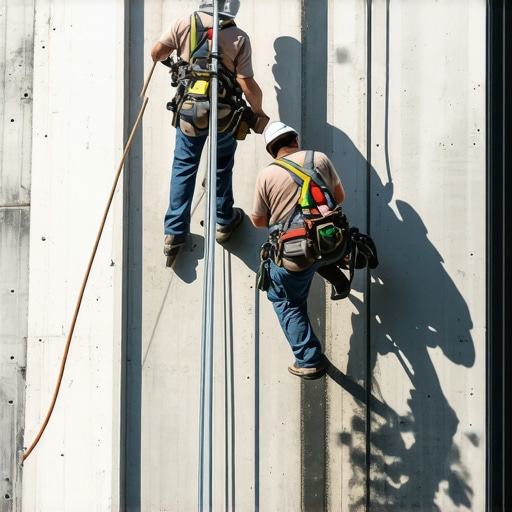
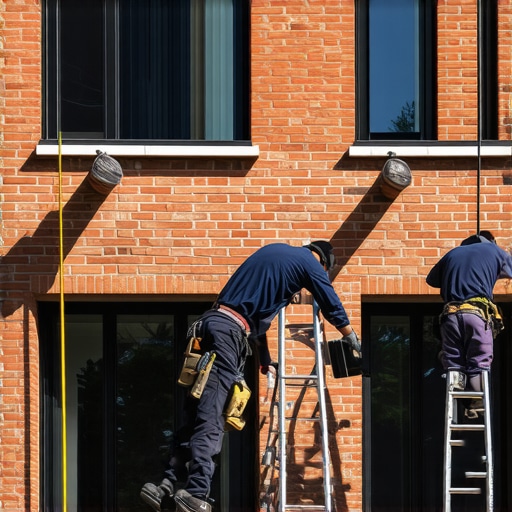
In the realm of masonry preservation, achieving enduring visual appeal and structural robustness demands a nuanced understanding of surface dynamics, material behavior, and environmental interactions. As professionals in facade cleaning, concrete patching, foundation repair, and tuckpointing, our goal extends beyond superficial aesthetics to fostering renovations that stand the test of time.
Deciphering the Complexities of Surface Contamination and Material Degradation
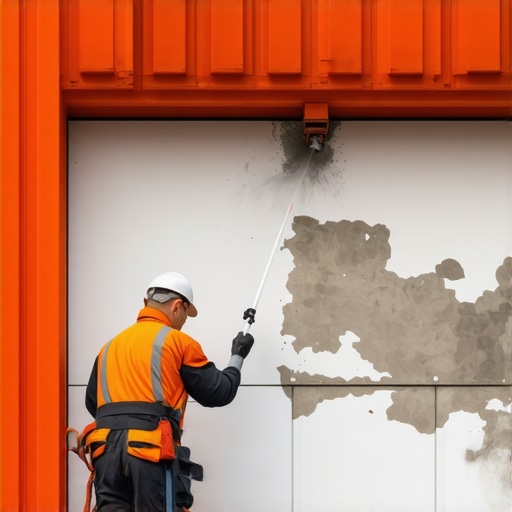
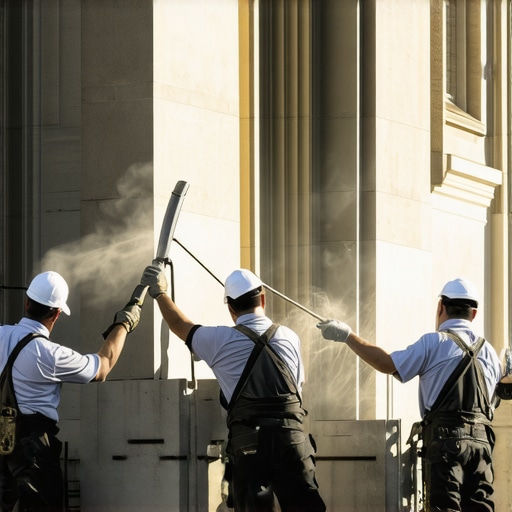
Modern urban environments expose masonry substrates to pollutants, moisture infiltration, and biological growth, all accelerating deterioration. Mastering the removal of accumulated dirt, graffiti, and biological agents requires advanced cleaning techniques that preserve substrate integrity while enhancing appearance. For example, high-pressure water blasting combined with chemical cleaning, tailored specifically for historic brickwork, can effectively restore original textures without causing damage.
Integrating Subsurface Stabilization with Precision Concrete Patching
Concrete patches play a pivotal role in maintaining structural stability and preventing water ingress that can compromise foundations. Precise application of specialized repair mortars, designed for adhesion and flexibility, ensures longevity. Incorporating crack injection methods and reinforcement with fiber-reinforced polymers (FRPs) can further bolster weak points, aligning with best practices outlined in recent structural repair literature.
Foundation Repair: The Nexus of Structural Safety and Long-Term Durability
Addressing foundational issues requires analytical assessments—combining geotechnical investigations with structural diagnostics—to determine the root causes of subsidence or heaving. Implementing underpinning strategies, such as helical piers or micropiles, complemented by rigorous moisture control measures, ensures enduring stability. For instance, integrating vapor barriers can mitigate moisture migration that exacerbates foundation movement.
How Do Cutting-Edge Tuckpointing Techniques Differentiate from Conventional Methods in Ensuring Masonry Longevity?
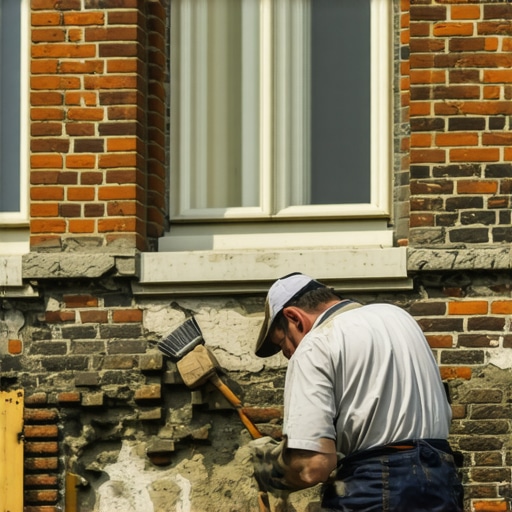
Modern tuckpointing emphasizes the use of chemically compatible, high-performance mortar mixes and controlled tooling to match historic mortar joints accurately. This prevents the issues associated with incompatible materials that can cause spalling or bonding failures. Advanced techniques also include eco-friendly, breathable sealants that prolong joint life without trapping moisture, a critical factor for preservationists aiming for low-maintenance longevity.
Consistently applying these specialized methods demands a comprehensive understanding of material science, environmental factors, and structural analysis. For further insights into best practices, consult authoritative resources such as the National Preservation Institute and peer-reviewed industry publications.
To succeed in facade and foundation restoration, engaging with expert guidelines and continuous education is indispensable. Explore detailed strategies and exchange insights with fellow professionals by visiting our comprehensive repair resources.
Harnessing Material Compatibility for Superior Masonry Repair
One of the fundamental principles in masonry restoration involves selecting materials that harmonize chemically and physically with existing substrates. Using incompatible mortars or patch materials can induce stress, leading to spalling or structural weaknesses over time. Modern advancements emphasize formulations that match the porosity, thermal expansion, and vapor permeability of original materials, thereby ensuring durability. For further insights, professionals often refer to guidelines outlined by authoritative sources such as the trusted foundation and masonry repair experts.
Reevaluating Environmental Impact on Restoration Longevity
Environmental factors such as acid rain, pollution, and freeze-thaw cycles significantly influence the lifespan of masonry repairs. Implementing breathable sealants and water-repellent coatings designed for heritage preservation can substantially extend the service life of interventions. Additionally, predictive maintenance strategies, supported by environmental monitoring, enable proactive repairs before deterioration becomes apparent, thus safeguarding investments and structural integrity.
Is There a Future Beyond Traditional Tuckpointing Techniques?
Emerging technologies like robotic mortar pointing, 3D scanning, and real-time moisture sensors are reshaping how masonry preservation is approached. These innovations allow for precision application and condition assessment at unprecedented scales, reducing labor costs and human error. For example, robotic tuckpointing systems can automatically adapt to joint geometries, ensuring uniformity and reducing material waste. Exploring these advancements challenges the notion that conventional methods suffice, urging professionals to stay abreast of technological evolution for enhanced longevity and efficiency.
For those seeking to deepen their expertise, engaging with industry-leading platforms like reliable masonry restoration resources can prove invaluable, providing strategies that incorporate cutting-edge research into practical application.
How can integrating environmental monitoring with innovative repair techniques revolutionize masonry sustainability?
By combining real-time environmental data with adaptive restoration technologies, practitioners can optimize maintenance schedules, choose appropriate materials, and predict potential failures more accurately than ever before. Such proactive approaches foster resilient structures capable of withstanding future environmental challenges, exemplifying a holistic view of property preservation that extends beyond aesthetic improvements to encompass sustainable, long-term performance.
Combatting Hidden Moisture: Advanced Strategies for Masonry Durability
One of the pivotal challenges in facade restoration lies in effectively managing moisture infiltration, which can silently undermine structural integrity over time. While traditional waterproofing methods offer some protection, recent developments focus on integrating smart moisture control systems that adapt to fluctuating environmental conditions. Techniques such as vapor-permeable membranes combined with desiccant-enhanced sealants enable masonry to breathe while preventing deleterious water ingress, thus prolonging restoration benefits and minimizing biological growth.
Can smart moisture sensors revolutionize long-term masonry preservation?
Absolutely. The implementation of real-time moisture sensors embedded within masonry joints and walls allows for continuous monitoring, providing actionable data that can guide maintenance decisions. Studies, such as those published in the Journal of Building Engineering (2022), demonstrate that such IoT-enabled systems enable preemptive interventions before visible deterioration occurs, significantly reducing repair costs and extending material lifespan. For example, integrating sensors with automated dehumidification response systems can mitigate risks associated with seasonal humidity swings, preserving the structural and aesthetic qualities of restored facades.
Moreover, deploying these intelligent systems requires a multidisciplinary approach, blending materials science, environmental engineering, and digital analytics to develop sustainable, cost-effective strategies. As the industry moves toward smarter restoration paradigms, embracing technology becomes not just advantageous but essential for future-proof masonry maintenance.
Harnessing Precision Craftsmanship to Minimize Material Disparities
In contemporary masonry restoration, the meticulous matching of mortar textures and colors is paramount to maintaining historical integrity. Advanced techniques incorporate digital color matching tools and 3D-printed molds for custom mortar formulations, ensuring both aesthetic harmony and structural compatibility. Employing such technology reduces restoration discrepancies, providing seamless visual integration with existing structures, and exemplifies a disciplined approach rooted in material science and artisan craftsmanship.
Decoding Environmental Feedback Loops for Sustainable Repairs
Modern restoration strategies leverage environmental feedback mechanisms, like microclimate sensors, to inform ongoing maintenance and material selection. By analyzing data on moisture levels, temperature fluctuations, and pollution exposure, practitioners can adapt repair methodologies proactively. This data-driven approach not only extends repair longevity but also minimizes ecological footprints, aligning with sustainable preservation standards endorsed by authoritative bodies such as the American Society of Landscape Architects.
Can Integrating Nanoscale Protective Coatings Defy the Forces of Nature?
Indeed, nanotechnology-based coatings offer revolutionary potential in masonry preservation. These ultra-thin films, molecularly engineered to be breathable yet impermeable to water and pollutants, create a formidable barrier against environmental contaminants. Notably, a study in the Journal of Coatings Technology and Research (2023) demonstrates that nanocoatings can extend masonry service life by over 50% compared to traditional sealants. Incorporating such coatings requires precise application techniques and an understanding of surface chemistry, underscoring the importance of specialized training among restorers seeking to harness these cutting-edge solutions.
Engaging with advanced materials science not only enhances durability but also aligns restoration efforts with uncompromising standards of quality and longevity. By integrating nanotechnology into routine repair cycles, professionals can redefine the paradigms of masonry resilience and sustainability.
Reviving Foundations with Smart Structural Diagnostics
Implementing intelligent diagnostic systems transforms foundation repair from reactive to predictive. Embedded sensors capable of real-time vibration analysis, moisture detection, and load measurement empower engineers to identify subsurface anomalies before visible symptoms emerge. Such proactive diagnostics facilitate targeted interventions, optimizing resource allocation and minimizing disruption to building occupants. The integration of AI-driven analytics, as discussed in the ASCE Journal of Structural Engineering, exemplifies the future of resilient infrastructure management.
Moreover, these technological advancements foster a continuous feedback loop, informing design modifications and enhancing future construction practices for increased sustainability and safety.
Why Cutting-Edge Tuckpointing Sets New Standards in Masonry Longevity
Innovative tuckpointing now emphasizes the use of polymer-modified, flexible mortar mixes that accommodate substrate movements and thermal expansion, drastically reducing cracking. Incorporating advanced tooling with micro-precision controls ensures joint profiles match original craftsmanship, eliminating aesthetic disparities. Notably, eco-friendly, vapor-permeable sealants safeguard joints against moisture infiltration without impeding the masonry’s natural breathability. According to the Masonry Magazine, these techniques substantially elevate the durability thresholds of restored masonry, ensuring preservation against environmental wear.
Engaging with these meticulous methodologies requires specialized training and a nuanced understanding of historic materials. Staying at the forefront of innovation is crucial for professionals committed to delivering restoration that endures generations.
Leveraging Material Compatibility to Prevent Deterioration
Matching the physical properties of repair mortars to existing substrates prevents incompatible chemical reactions that threaten long-term stability. Recent developments include lime-based composites with adjustable porosity and thermal expansion rates, tailored to historic structures. Such formulations facilitate moisture equilibration and reduce stress at interfaces. The Material Compatibility Standards provide detailed guidelines that inform best practices, ensuring both structural and aesthetic coherence while resisting environmental assaults.
The Future of Masonry Restorations lies in Environmental Synergy
Emerging restoration paradigms integrate predictive analytics with adaptive materials to optimize interventions over the lifecycle of structures. By employing environmental modeling, weather forecasting, and sensor data, restorers can schedule repairs preemptively, minimizing operational costs and environmental impacts. Such integrative approaches promise to transform masonry maintenance from a reactive necessary of the past into a proactive art of sustainability, elevating our profession’s standards and redefining longevity in the process.
Expert Strategies for Enduring Masonry Results
In the realm of masonry preservation, pioneering techniques, meticulous material selection, and technological integration are reshaping standards. When approaching facade cleaning, concrete patching, and foundation repairs, it’s essential to prioritize solutions that balance aesthetic appeal with structural resilience. For example, adopting nanotechnology-based coatings can dramatically extend the lifespan of restoration work by providing a breathable yet impermeable barrier against environmental aggressors.
Building Industry Wisdom with Curated Resources
Professionals striving for mastery should consult authoritative sources such as the Trustworthy Foundation and Masonry Repair Guides, which offer comprehensive insights into the latest best practices. Additionally, the Reliable Masonry Restoration Techniques provide case studies and innovative solutions proven to deliver long-term durability. Engaging with these resources allows practitioners to stay at the forefront of industry advancements, ensuring resilience in every project.
Reflections from the Forefront of Masonry Innovation
The evolution of masonry restoration underscores a crucial paradigm shift: integrating cutting-edge science with traditional craftsmanship. Advanced diagnostic tools, smart moisture sensors, and eco-friendly materials are not optional upgrades but necessities for future-proof structures. Ultimately, the mastery lies in synthesizing these elements into cohesive, sustainable strategies that honor historical integrity while embracing technological progress. To deepen your expertise, explore our comprehensive resource hub and contribute your insights to the community of forward-thinking professionals.